Wiping a Cane Corso’s Eyes Every Morning
As a Cane Corso owner, you quickly learn that these magnificent dogs come with a unique set of care needs, and their eyes are definitely high on that list. Many of us grapple with that persistent discharge, tear staining, or simply the daily grime that seems to accumulate, leaving us wondering if our dog's eyes are truly healthy or just prone to getting a bit messy. This comprehensive guide is here to walk you through exactly why daily eye wiping is crucial for your Cane Corso, what to look for, and how to make it a calm, effective part of your daily routine.
The Daily Reality of Cane Corso Eye Care
Living with a Cane Corso means embracing their quirks, and for many, that includes regular attention to their eyes. It's not just about aesthetics; maintaining clean eyes is a fundamental part of their overall health and comfort. You might feel like you're constantly reaching for a tissue, but there's a good reason for it, rooted deeply in their breed characteristics.
Why Cane Corsos Often Need More Eye Attention
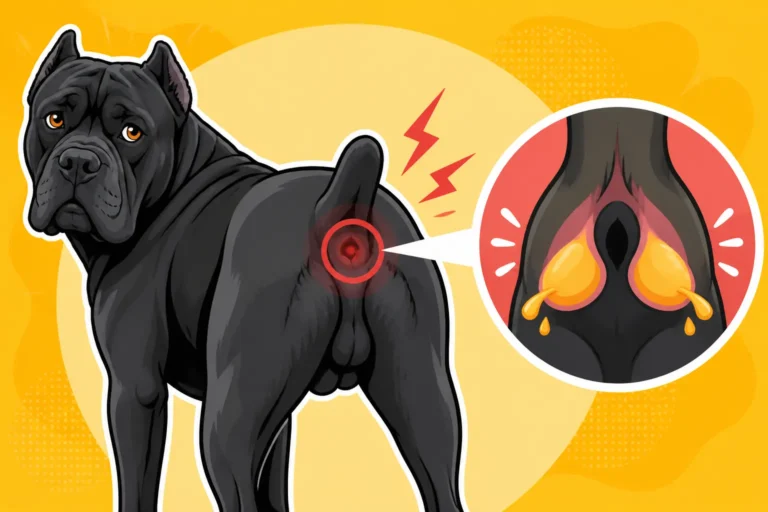
Cane Corsos, with their distinct head shape and sometimes looser facial skin, are predisposed to certain ocular characteristics that make daily eye care a necessity rather than an optional extra. Their expressive faces, while endearing, can inadvertently create pockets and folds where moisture and debris collect. This isn't just a minor inconvenience; it's a breeding ground for bacteria and yeast, which can quickly lead to irritation, infection, and discomfort for your big companion.
Think about it: those beautiful, often slightly saggy lower eyelids, a hallmark of many Mastiff-type breeds, are not always flush against the eyeball. This anatomical feature, sometimes referred to as 'loose lids,' allows environmental irritants like dust, pollen, and even stray hairs to get trapped more easily than in a dog with tighter eyelids. Once these foreign bodies are in, they can cause excessive tearing as the eye tries to flush them out, leading to visible streaks down the face. The dark, damp environment created by these tear trails is then perfect for fostering an unwelcome microbial party, often resulting in those dark, crusty stains you see. This is why a simple, consistent wipe each morning can dramatically reduce the risk of more serious issues and keep your dog much happier.
The Importance of Proactive Care Over Reactive
It's tempting to only address a problem when it becomes obvious – like when the discharge is thick, discolored, or your dog is clearly bothered, rubbing their face on the carpet. However, with Cane Corsos, waiting for a noticeable issue often means you’re already dealing with an established problem, one that could have been avoided with proactive measures. Daily eye wiping isn't just about cleaning up a mess; it's about preventative maintenance. It's about intercepting potential issues before they gain traction.
By making eye wiping a daily ritual, you're not just removing existing gunk; you're also preventing new buildup, reducing the load of potential irritants, and allowing you to closely inspect your dog's eyes every single day. This routine vigilance means you're far more likely to spot subtle changes – a slight redness, an increase in discharge, or a change in its color or consistency – early enough to intervene effectively. Early detection can save you from costly vet visits and your dog from unnecessary pain and prolonged treatment. It’s the difference between gently cleaning a healthy eye and trying to medicate an infected one. Just like we brush our teeth daily to prevent cavities, wiping your Cane Corso’s eyes daily prevents a host of potential ocular woes. How Loose Lids Give a Cane Corso Chronic Eye Infections are a real concern, and daily wiping is your first line of defense.
Common Eye Concerns You'll Encounter
Understanding what’s normal and what’s not when it comes to your Cane Corso’s eyes can feel like a minefield. You’re not a vet, but being able to recognize the signs of common issues is incredibly empowering and beneficial for your dog's health. Daily wiping gives you an intimate view, allowing you to catch subtle shifts that might otherwise go unnoticed until they become more problematic.
The Different Types of Eye Discharge and What They Mean
Eye discharge in dogs can range from perfectly normal to a serious red flag. Knowing the difference is key. A healthy Cane Corso will often have a small amount of clear or slightly whitish discharge, especially in the mornings, which is just the eye's way of self-cleaning overnight. This is usually easily wiped away and isn't a cause for concern. It's similar to how humans get "sleep in their eyes."
However, if you start seeing discharge that is thick, yellowish, greenish, or appears pus-like, it's time to pay closer attention. Yellow or green discharge often signals a bacterial infection, which can be irritating and require veterinary attention and possibly antibiotics. White, stringy, or mucus-like discharge can sometimes indicate allergies or dry eye, where the eye isn't producing enough tears to properly lubricate itself. A reddish-brown discharge or staining around the eyes is typically associated with excessive tearing (epiphora), where the porphyrin pigments in tears oxidize when exposed to air, creating a reddish-brown stain on the fur. Why a Cane Corso's Eyes Run All Day explores this in more detail. If the discharge is foamy, it might suggest irritation from environmental factors or even a foreign body. Any of these changes in color or consistency, especially if accompanied by redness, squinting, or pawing at the face, should prompt a call to your vet.
| Type of Discharge | Appearance | Common Causes | Action Required |
|---|---|---|---|
| Normal | Clear, watery, or whitish, minimal crusting | Dust, sleep accumulation, minor irritation | Daily wiping, observe for changes |
| Tear Staining | Reddish-brown streaks below eyes | Excessive tearing (epiphora), porphyrin pigments | Regular wiping, identify underlying cause |
| Mucus/White | White, stringy, thick | Dry eye (KCS), allergies, foreign body irritation | Vet consult if persistent, eye drops may be needed |
| Yellow/Green | Thick, pus-like, often crusty | Bacterial infection, severe irritation | Immediate vet consult for diagnosis & treatment |
| Foamy | Bubbly, sometimes with other discharge | Allergy, irritation, environmental factors | Vet consult if persistent or accompanied by other symptoms |
Understanding Breed-Specific Conditions Like Entropion and Ectropion
Cane Corsos, like many large breeds with prominent heads and sometimes looser skin, are genetically predisposed to certain conformational eye issues. Two of the most common are entropion and ectropion. Entropion is a condition where the eyelid (usually the lower one) rolls inward, causing the eyelashes and surrounding hair to rub directly against the cornea. This is incredibly irritating and painful, leading to constant tearing, redness, squinting, and if left untreated, corneal ulcers and vision damage. You might notice your dog frequently blinking or trying to rub their face because of the discomfort. Entropion in a Cane Corso's Lower Lid is a crucial topic for any Corso owner.
On the flip side, ectropion is when the eyelid rolls outward, exposing the delicate conjunctiva. This creates a "droopy eye" appearance and leaves the eye vulnerable to environmental irritants like dust, dirt, and wind, which can lead to chronic dryness, inflammation, and infections. You'll likely see a lot of redness and often a buildup of debris in the exposed pocket of the eyelid. While not as immediately painful as entropion, it still causes significant discomfort and recurrent issues. Both conditions require veterinary diagnosis and often surgical correction to prevent long-term damage and improve your dog's quality of life. Daily wiping allows you to spot the earliest signs of these issues, such as excessive tearing, redness, or a visible change in the eyelid's position, prompting a timely vet visit. The sooner these are addressed, the better the outcome for your dog. The Sagging Lower Lid on a Cane Corso can be an indicator to watch out for.
Recognizing Irritation and Allergy Symptoms
Beyond infections and conformational issues, Cane Corsos can suffer from simple irritation and allergies, just like people do. Environmental irritants such as dust, smoke, grass, or pollen can cause their eyes to become red, itchy, and watery. You might notice your dog blinking more frequently, pawing at their face, or rubbing their eyes on furniture or carpets. The whites of their eyes might appear bloodshot, and there could be a clear, watery discharge – sometimes quite copious.
Food allergies, though less common as a primary cause of eye issues, can also manifest as itchy skin and eyes. If you suspect allergies, your vet might recommend an elimination diet or allergy testing. Skin Allergies That Flare on a Cane Corso can often have ocular components. Certain household products, strong perfumes, or even the chemicals used in lawn care can also act as irritants. By consistently checking your Cane Corso's eyes each morning, you become attuned to their normal state. This vigilance helps you quickly identify when something is amiss. If you see signs of irritation, flushing the eye with a sterile saline solution (specifically formulated for ophthalmic use in pets) can sometimes provide relief. However, if symptoms persist or worsen, always consult your veterinarian to rule out more serious underlying conditions and get appropriate treatment.
Your Arsenal for Effective Eye Wiping
Having the right tools and knowing how to use them safely and effectively is paramount to successful eye care for your Cane Corso. You don't need a professional grooming kit, but a few specific items will make a world of difference.
Essential Cleaning Supplies to Keep Handy
When it comes to keeping your Cane Corso's eyes clean, simplicity is often best. The most crucial item is a supply of soft, lint-free pads or cotton balls. You want something that won't leave behind tiny fibers that could further irritate the eye. Many pet brands offer dedicated eye wipes that are pre-moistened with gentle, dog-safe cleaning solutions. These are often a convenient choice for daily use. Brands available on platforms like Chewy or Amazon often carry these, making them easily accessible. Just ensure they are specifically formulated for pets and free of harsh chemicals, alcohol, or fragrances that could cause irritation.
Next, consider a sterile eye-wash solution. This isn't just saline; many are designed to soothe and gently cleanse the eye, removing debris and allergens. Some even contain mild antiseptics safe for ocular use. Again, look for pet-specific formulations. You can find a wide variety of these on Amazon or at your local pet supply store. Never use human eye drops or solutions unless directed by your vet, as their pH balance and ingredients might not be suitable for canine eyes. For tackling stubborn tear stains, there are specialized tear stain removers, but use these cautiously and always follow the product instructions, ensuring they are safe for use around the eye area. Remember, the goal is gentle cleansing, not harsh scrubbing.
Step-by-Step Guide to Wiping Your Cane Corso's Eyes
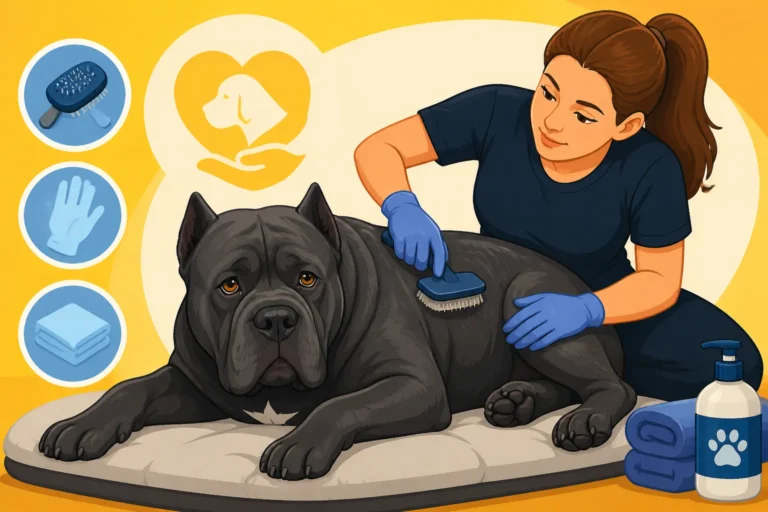
Establishing a routine and making eye wiping a positive experience is key, especially with a large dog like a Cane Corso. Here’s how to approach it:
- Gather Your Supplies: Have your chosen wipes or cotton balls and sterile eye wash ready before you bring your dog over. This minimizes fumbling and keeps the process smooth.
- Find a Calm Spot: Choose a quiet area where your Cane Corso is comfortable and won't be distracted. It might be on their bed, near your favorite chair, or even standing calmly in the kitchen.
- Approach Gently: Speak to your dog in a calm, reassuring voice. Gently cup their muzzle or head with one hand. Avoid sudden movements or pinning them down, which can create anxiety.
- Clean Around the Eye: Take a fresh, clean wipe or cotton ball moistened with eye wash. Start by gently wiping the area around the eye, removing any crust or dried discharge. Always wipe away from the eye, from the inner corner towards the outer corner. Use a new wipe for each eye to prevent cross-contamination if one eye has an infection.
- Address the Lid Margins: If there's discharge clinging to the eyelashes or eyelid margin, gently wipe along the edge of the lid. If crusting is stubborn, hold a warm, moist wipe against it for a few seconds to soften it before gently wiping away. Be exceedingly careful not to touch the eyeball itself.
- Wipe Tear Stains: For tear stains, gently wipe the stained fur beneath the eye. If using a specialized tear stain remover, apply it as directed, but focus on the fur, not the eye itself.
- Reward and Praise: Once done, immediately praise your Cane Corso lavishly and offer a high-value treat. This positive reinforcement is crucial for building a good association with eye care. Keep sessions short and sweet.
Remember, patience is a virtue here. If your dog is resistant initially, don't force it. Break the process down into smaller steps, rewarding for calm acceptance of each step. Over time, they'll learn to tolerate and even enjoy the attention. For example, some dogs might be okay with just having their face touched at first, then progress to the wipe.
Best Practices for Safety and Comfort
Your Cane Corso's eyes are incredibly delicate, so safety must be your top priority. Always use gentle pressure. Never rub vigorously, as this can irritate the eye or even scratch the cornea. If your dog flinches or pulls away, ease up and try again more gently. Make sure your hands are clean before you start, and use fresh, clean materials every single time. Reusing a wipe, even on the same dog, can introduce bacteria.
If you are using any medicated drops or ointments prescribed by your vet, always administer them after you’ve cleaned the eye area, as the cleaning process removes any debris that might prevent the medication from working effectively. Never allow the tip of the eye drop bottle or ointment tube to touch your dog's eye or eyelashes, as this can introduce bacteria into the product or cause injury. Gently pull down the lower lid and drop the liquid into the pocket, or apply a thin line of ointment along the lid margin. The Discharge That Collects in a Cane Corso's Lid is often easier to clear if you gently stretch the skin. If your Cane Corso is particularly squirmy or reactive to eye handling, consider consulting a professional trainer or your vet for guidance on safe restraint techniques or desensitization exercises. Building trust and a positive association with eye care will make the process much smoother and safer for both of you in the long run.
Building a Consistent Daily Routine
Consistency is not just a buzzword; it's the bedrock of effective preventive care for your Cane Corso, especially when it comes to their eyes. A sporadic approach might offer temporary relief, but it won't prevent the recurrence of issues. Think of it as a commitment to their long-term health and comfort.
Integrating Eye Wiping into Your Morning Ritual
The mornings are often the best time for eye care because that's when you're most likely to see the overnight accumulation of "sleep" and discharge. By integrating eye wiping into an existing routine, like their morning greeting, post-breakfast cuddle, or before their first walk, it becomes a natural and expected part of their day. For example, after you let them out for their first potty break and they come back in for some love, take a moment to sit with them and gently clean their eyes. This blends the eye care into a positive interaction, rather than it feeling like a separate, potentially unpleasant event.
Another good strategy is to combine it with another grooming activity, like a quick brush. Your Cane Corso might already be accustomed to being handled for a brush, so adding a quick eye wipe can feel less intrusive. Keep the supplies in a convenient spot, perhaps next to their leash or near their food bowls, so you don't have to go searching for them. This small organizational detail can make a big difference in actually following through every single day. The simpler you make it, the more likely you are to stick with it. Wiping a Cane Corso's Muzzle After Every Meal is another good habit to pair with morning eye care.
Making Eye Care a Positive Experience for Your Dog
Nobody wants to wrestle a hundred-pound dog every morning just to clean their eyes. The goal is to make this a calm, positive, and even enjoyable interaction. It starts with a gentle approach, as discussed before, but also relies heavily on positive reinforcement. Treats are your best friend here. Use high-value treats that your Cane Corso absolutely loves, something they only get for this specific task.
Start small. If your dog is apprehensive, don't try to do a full cleaning on day one. Just touch their head, offer a treat. Then gently lift their muzzle, treat. Then bring the wipe near their eye, treat. Gradually, over days or even weeks, build up to the full wiping motion. Always end on a positive note, even if you only managed a partial cleaning. Consistency in this positive approach will eventually lead to a dog who, while perhaps not thrilled about it, tolerates the eye wiping with a wagging tail because they know good things come after. Remember to use a calm, reassuring voice throughout the process, praising them for their cooperation. If you're stressed, they'll pick up on it, so take a deep breath and keep your energy mellow.
Consistency is Key for Prevention
Think of daily eye wiping as a small investment that yields big returns in terms of your Cane Corso's health and your peace of mind. Without consistent daily wiping, minor issues can quickly escalate. That small bit of discharge that's easily removed today could, by tomorrow, become a thick, crusty buildup that causes irritation and allows bacteria to flourish. Persistent moisture under the eyes can lead to skin irritation or even yeast infections in the facial folds, which are much harder to clear up than a simple bit of gunk.
Moreover, a consistent daily check allows you to develop an intimate understanding of what your dog's normal eyes look like. You'll instantly recognize a subtle change in color, consistency, or quantity of discharge. This early detection is invaluable. It empowers you to address potential problems before they become full-blown medical emergencies. It also reinforces the bond you share, as your Cane Corso learns to trust you with their well-being. This proactive stance is particularly important for breeds prone to The Loose Eyelids Nearly Every Cane Corso Owner Meets, where environmental factors can constantly challenge eye health.
Beyond Wiping: When to Call the Vet
While daily eye wiping is incredibly important for preventive care, it's crucial to know its limits. There will be times when what you see goes beyond simple maintenance and demands professional veterinary attention. Don't hesitate to reach out to your vet if you have any concerns.
Red Flags That Warrant Immediate Professional Attention
Recognizing when a situation has crossed the line from "something I can handle" to "vet emergency" is vital. Several red flags indicate that your Cane Corso needs to see a veterinarian promptly:
- Changes in Discharge: If the discharge suddenly changes from clear to yellow, green, or thick and pus-like, or if there's a significant increase in quantity.
- Redness and Inflammation: Noticeable redness of the conjunctiva (the pink membrane around the eye) or the whites of the eyes, especially if it's accompanied by swelling.
- Squinting, Pawing, or Rubbing: If your dog is frequently squinting, holding one eye closed, pawing at their face, or rubbing their eyes excessively, it suggests pain or severe irritation.
- Visible Injury: Any visible injury to the eye itself, such as a scratch, puncture, or a foreign object lodged in the eye.
- Cloudiness or Color Change of the Eye: A blue, hazy, or cloudy appearance to the cornea (the clear surface of the eye), or any change in the iris (the colored part) could indicate a serious problem.
- Bulging or Swelling: If one eye appears to be bulging more than the other, or if there's swelling around the eye socket.
- Vision Changes: If your dog seems disoriented, bumps into things, or is hesitant to navigate familiar spaces, it could signal a sudden loss or impairment of vision.
- Fever or Lethargy: Ocular issues accompanied by systemic signs like fever, loss of appetite, or extreme lethargy could indicate a more widespread infection or serious underlying condition.
Don't try to self-diagnose or treat these issues with over-the-counter human remedies. Your vet has the expertise and tools to properly diagnose and treat the specific problem. Early intervention can often prevent more severe complications and preserve your Cane Corso's vision. The Yearly Eye Exam a Breeding Cane Corso Needs reminds us that professional checks are essential for all dogs, not just breeding animals.
Diagnostic Tests a Vet Might Perform
When you bring your Cane Corso in for an eye concern, your veterinarian will typically start with a thorough physical examination, including a careful inspection of the eyes. They might then proceed with several diagnostic tests to pinpoint the exact problem.
Common tests include:
- Schirmer Tear Test: This measures tear production, helping to diagnose conditions like dry eye (keratoconjunctivitis sicca or KCS), where the eyes don't produce enough tears.
- Fluorescein Stain Test: A special orange dye is applied to the eye. If there's any corneal abrasion, ulcer, or scratch, the dye will stick to it and glow bright green under a blue light, revealing the injury.
- Tonometry: This measures the intraocular pressure (pressure inside the eye), which is crucial for diagnosing glaucoma (high pressure) or uveitis (low pressure).
- Ophthalmoscopy: Using an ophthalmoscope, your vet can look deeper into the eye, examining the retina, optic nerve, and lens for cataracts, retinal degeneration, or other internal issues.
- Swabs and Cultures: If an infection is suspected, your vet might take a sterile swab of the discharge to send for laboratory analysis, identifying the specific bacteria or fungi present and determining which antibiotics will be most effective.
- Blood Tests: In some cases, blood work might be recommended to rule out systemic diseases that can affect eye health, such as certain autoimmune disorders or thyroid imbalances.
These tests are relatively quick and usually well-tolerated by most dogs. They provide your vet with critical information to formulate an accurate diagnosis and an effective treatment plan, which could range from medicated eye drops to oral antibiotics, or even surgery in cases of severe entropion or ectropion. The Ophthalmology Bill for a Cane Corso's Cataracts can be significant, highlighting the importance of early detection and care.
Long-Term Management of Chronic Eye Conditions
For some Cane Corsos, eye conditions aren't a one-off event but a chronic challenge requiring ongoing management. This is particularly true for issues like recurrent dry eye, severe allergies, or conformational problems like entropion or ectropion that may require multiple surgeries or lifelong medication. For dogs with dry eye, daily tear stimulants or artificial tear solutions might be necessary. Owners often have to administer eye drops multiple times a day, every day, which requires a significant commitment. Dry Eye in a Cane Corso After Lid Surgery can sometimes be a complication that needs long-term treatment.
Allergies, whether environmental or food-related, might necessitate regular antihistamines, specialized diets, or even allergy shots. For conditions like ectropion that predispose the eye to constant irritation, you might need to continue daily flushing with saline and careful cleaning to minimize debris accumulation, even after surgical correction.
Living with a Cane Corso that has a chronic eye condition means becoming a highly observant and dedicated caregiver. It means maintaining open communication with your veterinarian, diligently following treatment protocols, and never missing those daily eye checks and cleanings. While it can be demanding, with proper management, most Cane Corsos with chronic eye issues can live comfortable and happy lives. Your commitment to their eye health, from daily wiping to prompt vet visits, is the most profound way you can show your love and ensure their well-being.
Disclaimer
This article is for general informational purposes only and does not constitute professional advice. Laws, prices and regulations vary by location and change over time. Consult a qualified professional for guidance on your specific situation.