Whether a Cane Corso Needs a Ramp for the Truck
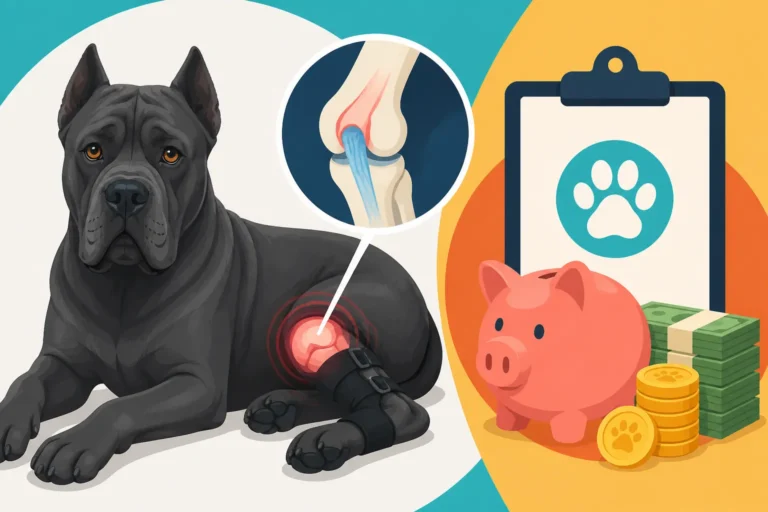
It's a common sight for anyone with a big dog, especially a Cane Corso: you open the truck door, and your powerful companion hesitates, then gathers itself for a mighty leap into the bed or cabin. While it might look impressive, that repeated impact, day after day, year after year, can take a serious toll on those massive joints. This guide will help you understand why using a ramp for your Cane Corso isn't just a convenience, but often a necessity for their long-term health, and how to make it a part of your routine.
The Strain of Jumping on a Cane Corso's Joints
Let's be real, a Cane Corso is a big dog. We're talking about a breed that can easily weigh 100 to 120 pounds, sometimes more, even when they're at a healthy weight. When a dog of this size jumps up into a vehicle, the force of their landing on their front legs, and then the subsequent impact on their back legs as they push off, is immense. It's not just a single jump; it's a constant, jarring impact that accumulates over time, quietly chipping away at their joint health.
Understanding Joint Vulnerabilities in Giant Breeds
Cane Corsos, like many large and giant breeds, are predisposed to certain orthopedic conditions. Hip and elbow dysplasia are unfortunately common issues that can plague these magnificent dogs. These aren't just minor aches; they are developmental conditions where the hip or elbow joints don't form correctly, leading to painful arthritis, lameness, and a significantly reduced quality of life. Even a Cane Corso from excellent, health-tested lines can develop these conditions, as genetics are only one piece of the puzzle. Environmental factors, especially during their crucial growth phases, play a huge role. Things like overly strenuous exercise, slippery floors, and yes, repetitive jumping, can exacerbate genetic predispositions. Imagine the stress on a young, rapidly growing puppy's soft joints as it repeatedly launches itself from the ground. While a puppy might seem invincible, their growth plates are still open, making them vulnerable. A well-bred Cane Corso puppy will often have parents with clear hip and elbow scores, giving them the best start, but responsible ownership means protecting those joints from day one. Owners often worry about Hip Dysplasia in a Fast Growing Cane Corso and Elbow Dysplasia and a Cane Corso's Front End, and these concerns are absolutely valid. Protecting their joints from high-impact activities like jumping is a key preventative measure.
The Cumulative Impact of Repetitive Jumping
It's easy to think, "My dog is young and healthy, a little jump won't hurt." But think about it from a long-term perspective. If you take your Cane Corso out in the truck three times a week for ten years, that's hundreds, if not thousands, of high-impact jumps. Each jump contributes micro-traumas to the cartilage, ligaments, and bones within their joints. Over time, this wear and tear can lead to premature arthritis, even in dogs that initially had perfectly sound joints. For older Cane Corsos, or those with existing joint issues, every jump becomes a painful ordeal, potentially worsening their condition and speeding up the degenerative process. If you've ever had a sore knee or hip, you can probably imagine how an older dog might feel trying to make that leap. Investing in a ramp early can save your Cane Corso a world of pain and potentially save you significant vet bills down the road for managing conditions like Managing Arthritis in a Hundred Pound Cane Corso. It’s a small change in routine that can make a monumental difference in their comfort and mobility as they age.
Deciding If a Ramp Is Right for Your Cane Corso and Your Lifestyle
While the general answer to "Does a Cane Corso need a ramp for the truck?" leans heavily towards "yes," the specific factors of your dog and your daily life will dictate just how crucial it is and what kind of ramp makes the most sense. It's not a one-size-fits-all situation.
Age and Health Status
This is probably the biggest factor. A rambunctious, seemingly invincible two-year-old Cane Corso might appear to handle jumping with ease. However, even at this age, those repetitive impacts are starting to lay the groundwork for future issues. For a Cane Corso puppy, using a ramp from the very beginning can instill a habit that protects their developing joints from unnecessary stress, allowing their bones and cartilage to mature properly. You want to avoid anything that could disrupt their delicate growth plates.
On the other end of the spectrum, an older Cane Corso, say one past The Age a Cane Corso Is Counted as Old, will almost certainly benefit from a ramp. Arthritis, muscle weakness, and general stiffness are common as they age. Trying to jump into a truck might be painful, difficult, or even dangerous if they slip and fall. A ramp removes this challenge entirely, making outings much more comfortable and accessible for them. If your Cane Corso has a diagnosed orthopedic condition like hip or elbow dysplasia, or has experienced an injury, a ramp is no longer optional; it's essential for their continued mobility and to prevent further damage. Even conditions like early-stage Wobbler Syndrome, which affects the neck, can make jumping risky. Think about how much easier it is to Helping an Old Cane Corso Off the Floor if they haven't spent their life repeatedly jarring their spine.
Vehicle Type and Frequency of Travel
Consider the height of your vehicle. A low-slung sedan might not pose as much of a challenge as a lifted pickup truck or a large SUV. The higher the jump, the greater the impact. If your vehicle has a high tailgate or a steep entry point, a ramp becomes even more critical.
Next, how often do you take your Cane Corso in the truck? If it's a once-a-month trip to the vet, the cumulative impact is lower than if you take them daily to the dog park, hiking trails, or for errands. For a working Cane Corso, who might be in and out of a truck multiple times a day for training or tasks, a ramp is non-negotiable. The more frequently your dog needs to get in and out of a high vehicle, the more justified the ramp becomes as a preventative tool. Even if you're only loading them up for a weekend adventure, making it easy on their joints means they'll be able to enjoy those adventures for many more years.
Owner's Physical Ability
Let's not forget about you, the owner! A Cane Corso is a heavy dog. Even if your dog could jump, can you safely lift them if they suddenly become unable to? What if they have an injury and absolutely cannot bear weight? Lifting a 100+ pound dog into a truck is a significant challenge, even for a strong person, and it can put strain on your back, too. A ramp isn't just for the dog's safety; it's for yours. It removes the need for awkward, potentially dangerous lifting, especially if you're traveling alone. You don't want to find yourself in an emergency situation, unable to get your dog into the car to get them to the vet.
Choosing the Right Ramp and Introducing It Safely
Once you've decided a ramp is the way to go, the next step is selecting one that fits your needs and, perhaps more importantly, getting your Cane Corso to actually use it. Patience and positive reinforcement are your best friends here.
Types of Ramps and Features to Look For
Dog ramps come in various styles, materials, and sizes. Here's a quick breakdown to help you navigate the options:
| Ramp Type | Pros | Cons | Ideal For |
|---|---|---|---|
| Folding | Compact when folded, easy to store. | Can be heavy depending on material. | Occasional use, smaller trunks. |
| Telescoping | Adjustable length, easy to deploy. | Can be heavier, may require two hands to adjust. | Frequent use, varying vehicle heights. |
| Bi-Fold/Tri-Fold | Good length when extended, folds compactly. | Can be bulky, may have pinch points. | SUVs, truck beds, longer access points. |
| Stair-Style | Less steep angle, good for hesitant dogs. | Bulky, not as compact as folding ramps, can be heavy. | Older dogs, small cars/SUVs with limited space for a long ramp. |
When choosing, prioritize these features for a Cane Corso:
- Length: The longer the ramp, the gentler the incline. For a high truck, you'll need a longer ramp to avoid a steep, uncomfortable angle for your dog. A ramp that's too short and steep can be intimidating and even dangerous.
- Width: A Cane Corso is a wide dog. Make sure the ramp is wide enough for them to walk comfortably without feeling cramped or off-balance. Narrow ramps can make them nervous.
- Traction: This is crucial. Look for a ramp with a high-traction surface like sandpaper-like grip, rubberized treads, or carpet. Smooth plastic or metal ramps are a recipe for slips and injuries, especially in wet weather. Chewy and other pet supply retailers offer a wide selection with different grip options.
- Weight Capacity: Your Cane Corso is a heavy dog. The ramp must be rated for their full adult weight, plus a little extra for safety. Skimping here could lead to the ramp buckling, terrifying your dog, or causing serious injury.
- Portability & Storage: Consider how easy it is for you to carry, deploy, and store the ramp. If it's too cumbersome, you might be tempted to skip it, defeating the purpose.
Training Your Cane Corso to Use a Ramp
Introducing a ramp to your Cane Corso requires patience and positive reinforcement. Don't just expect them to understand it immediately.
- Introduce it on Flat Ground: Lay the ramp flat on the ground in your living room or yard. Let your Cane Corso sniff it, walk over it, and explore it. Reward them heavily with treats and praise for any interaction.
- Add a Slight Incline: Prop one end of the ramp up on a low step or curb. Entice your dog to walk up and down with high-value treats. Keep it fun and stress-free. Repeat this several times over a few days.
- Gradually Increase the Height: Slowly raise the ramp to the height of your vehicle. Continue to use a trail of treats or their favorite toy to guide them up and down. Have a helper hold the ramp steady if needed, especially if it's telescoping or folding.
- Practice Regularly: Once they're comfortable, incorporate ramp use into your routine. Before every car ride, guide them up the ramp. Make it a normal part of their day.
- Be Patient and Positive: Never force or scold your Cane Corso if they're hesitant. This will only create a negative association. Keep training sessions short, positive, and end on a good note. Some dogs take to it quickly, others need more time. If your dog is particularly food motivated, try using some delicious, healthy treats from brands like Ollie to make the experience extra rewarding.
Beyond the Ramp: Holistic Joint Care for Your Cane Corso
While a ramp is an excellent tool, it's just one piece of the puzzle when it comes to ensuring your Cane Corso has healthy, mobile joints throughout their life. A holistic approach that includes diet, exercise, and proactive veterinary care is essential.
Maintaining a Healthy Weight
This cannot be stressed enough: weight management is paramount for joint health in giant breeds. Every extra pound your Cane Corso carries puts additional strain on their hips, elbows, and spine. Even a few extra pounds can accelerate the progression of arthritis and worsen existing conditions. It's often said that "thin is in" for large breeds, and for good reason. You should be able to easily feel your Cane Corso's ribs without seeing them, and they should have a discernible waist when viewed from above. If you're ever in doubt, consult your vet about your dog's ideal body condition score. Remember, What Extra Weight Does to a Cane Corso's Hips can significantly impact their quality of life. Conversely, Why a Lean Cane Corso Keeps Its Hips Longer is a well-established fact, making a healthy weight your best preventative measure.
Nutritional Support and Supplements
A high-quality diet specifically formulated for large or giant breeds is crucial, especially during their growth phase. These diets are designed with appropriate calcium-to-phosphorus ratios and controlled growth rates to support healthy bone and joint development. Avoid puppy foods meant for small or medium breeds, as they can promote too rapid growth, which can be detrimental to a Cane Corso's joints. Even beyond puppyhood, selecting the right food makes a difference.
Many owners choose to add joint supplements to their Cane Corso's diet, especially as they age or if they show signs of joint stiffness. Ingredients like glucosamine, chondroitin, MSM, and Omega-3 fatty acids (like fish oil) are popular for their anti-inflammatory and cartilage-supporting properties. While supplements aren't a magic bullet or a cure-all, they can certainly complement a good diet and exercise routine. You can find a wide array of options and read reviews on sites like Chewy, or discuss specific formulations with your veterinarian. Always discuss any supplements with your vet to ensure they are appropriate for your individual dog and won't interact negatively with any medications. Whether a Cane Corso Benefits From Joint Supplements is a common question, and for many, the answer is a cautious yes, under veterinary guidance.
Proactive Veterinary Care and Insurance
Regular veterinary check-ups are vital. Your vet can monitor your Cane Corso's weight, assess their gait, and catch any early signs of joint discomfort or other health issues. They can recommend appropriate exercise levels, nutritional adjustments, or interventions if problems arise. Early diagnosis and management of conditions like arthritis can significantly improve your dog's comfort and mobility.
Given the potential for orthopedic issues and other health concerns in Cane Corsos, pet insurance can be a valuable investment. Companies like Healthy Paws offer various plans that can help offset the costs of diagnostics, medications, and surgeries associated with joint conditions, injuries, or other unexpected illnesses. Even with the best preventative care, accidents and health issues can arise, and having insurance can give you peace of mind that you can afford the best possible care for your beloved companion without financial stress. It’s about being prepared for life's unexpected turns and ensuring your Cane Corso always has access to the care they need, whether it's managing a chronic condition or addressing an acute injury that might affect their ability to jump or walk. Taking preventative steps like using a ramp, managing weight, and providing proper nutrition, combined with regular vet care, will give your Cane Corso the best chance at a long, active, and comfortable life. Even for an older Cane Corso, ensuring comfort and mobility is crucial, especially when considering How Far an Old Cane Corso Should Still Walk.
Disclaimer
This article is for general informational purposes only and does not constitute professional advice. Laws, prices and regulations vary by location and change over time. Consult a qualified professional for guidance on your specific situation.