Whether a Cane Corso’s Cherry Eye Hits Both Sides
Cane Corso cherry eye affects both eyes in fifty to seventy percent of cases, appearing in young dogs before two years of age.
Know what to watch for.
Breed-specific conditions, screening and DNA tests, what surgery actually costs, and the daily habits that stretch a healthy lifespan.
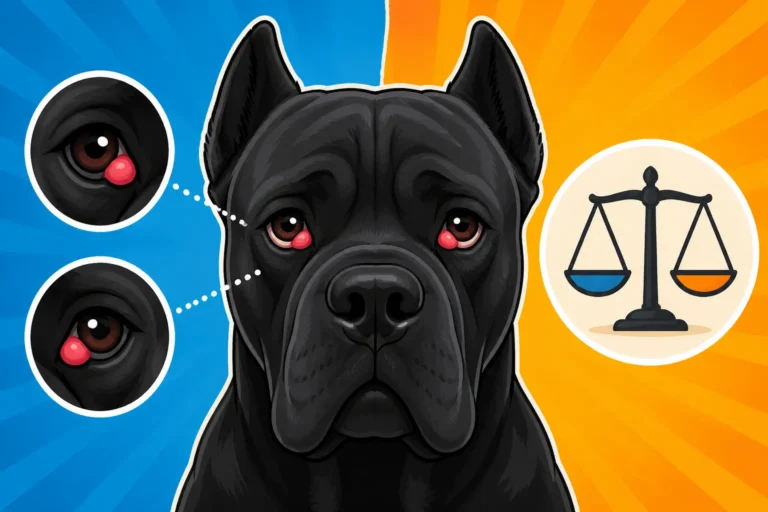
Cane Corso cherry eye affects both eyes in fifty to seventy percent of cases, appearing in young dogs before two years of age.
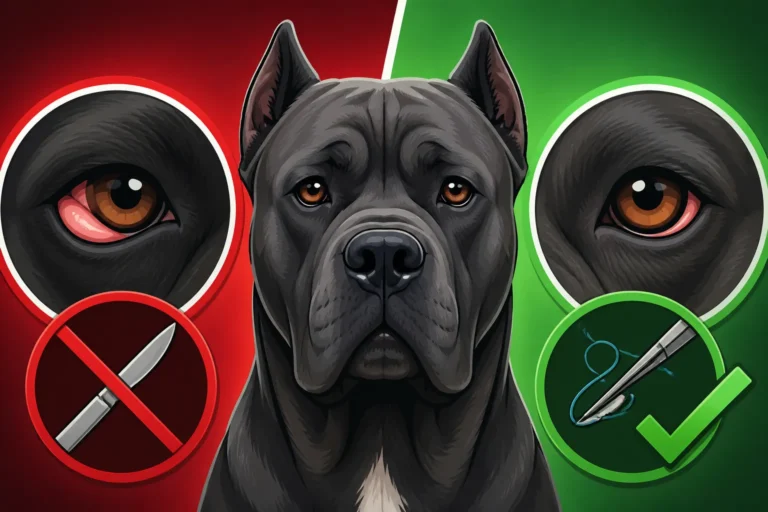
Cane Corso cherry eye surgery compares gland removal to tacking procedures to protect tear production and prevent dry eye.
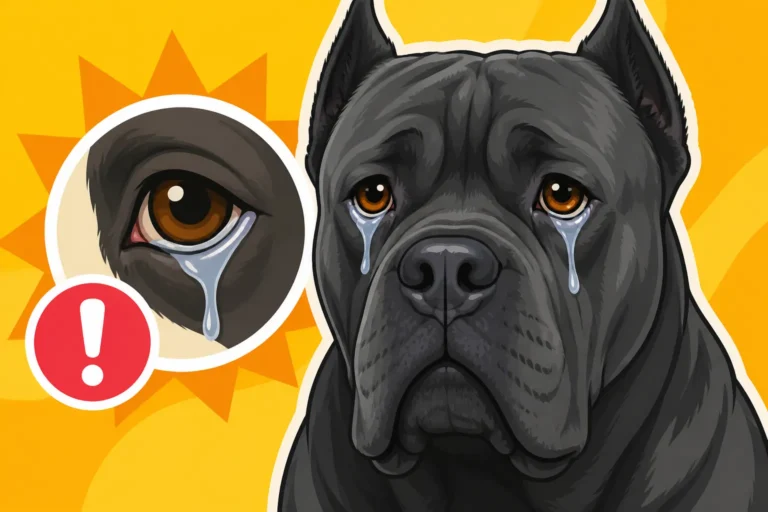
Cane Corso eye discharge causes, normal moisture limits, and structural eyelid problems like entropion and ectropion explained.
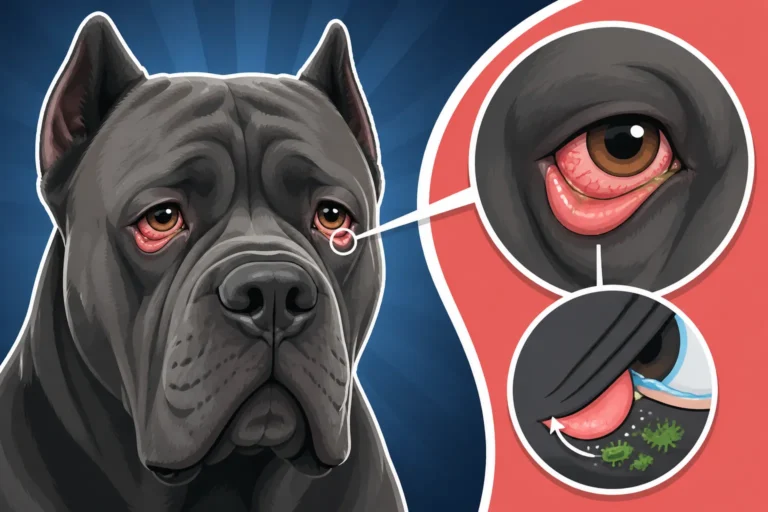
Loose eyelids cause chronic eye infections in Cane Corsos by exposing delicate conjunctiva to dust, pollen, and bacteria.
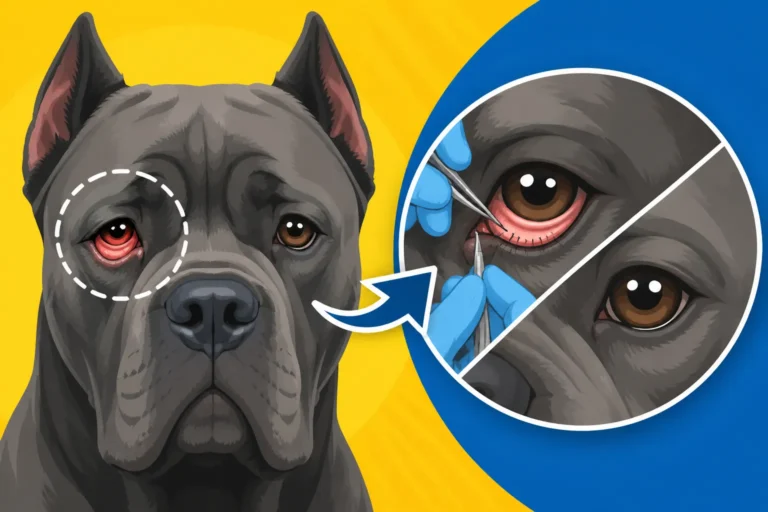
Cane Corso entropion surgery timing balances puppy growth and corneal damage risks to prevent vision loss and permanent damage.
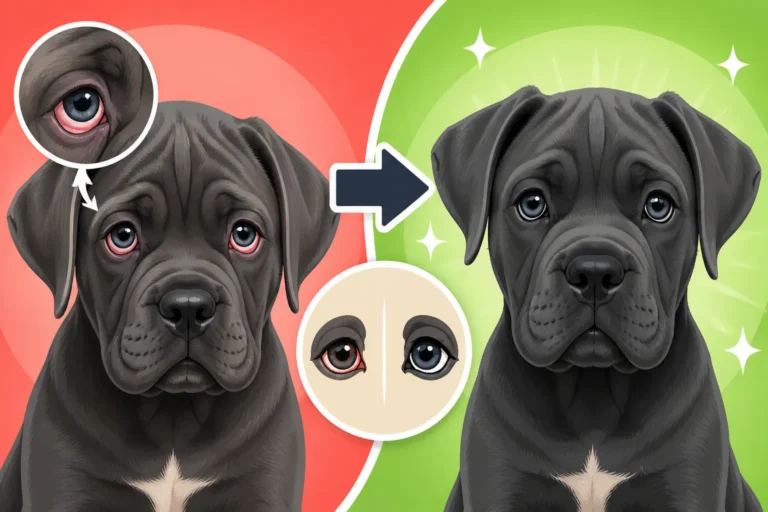
Cane Corso puppy entropion causes painful eyelid rolling and corneal irritation, but most genetic structural defects require veterinary intervention.
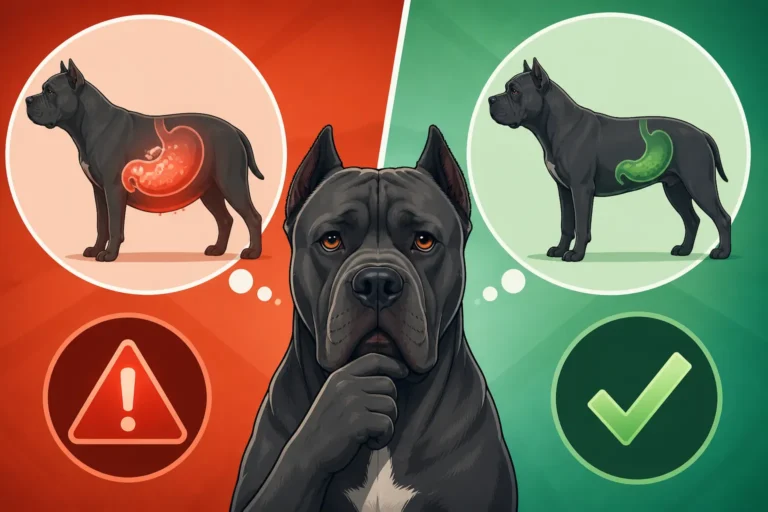
Cane Corso bloat versus a full belly: learn the early signs, physical differences, and when to seek emergency veterinary care.
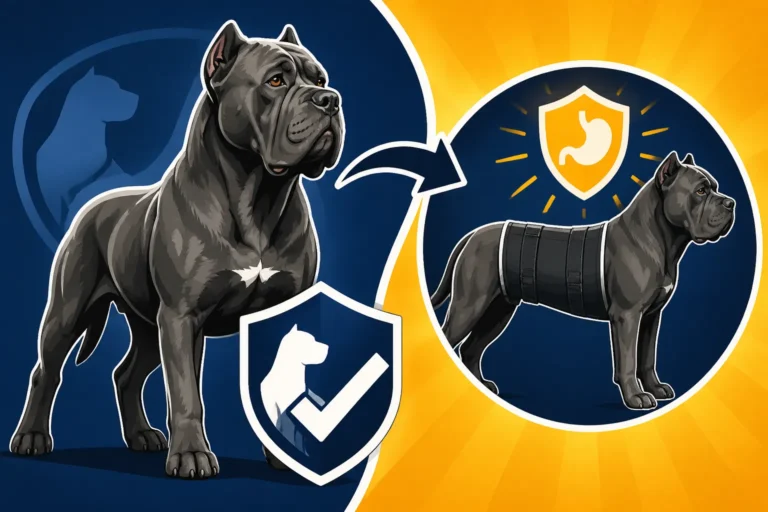
Prophylactic gastropexy is a preventative surgical procedure that permanently attaches the Cane Corso stomach to the abdominal wall.
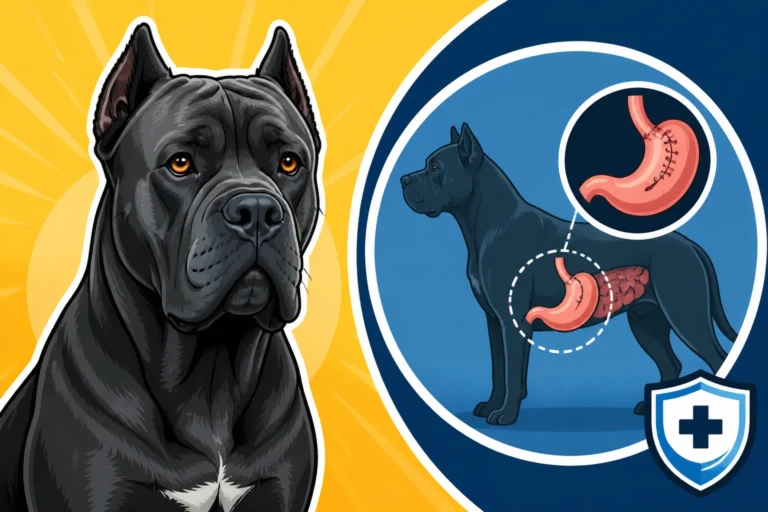
Combining a stomach tack with a Cane Corso neuter surgery prevents fatal bloat by securing the twisting stomach in place.

Post-meal rest for a Cane Corso prevents gastric dilatation-volvulus and dangerous stomach twisting caused by rapid movement.