Ear Infections in a Cane Corso With Natural Ears
Natural Cane Corso ear infections caused by yeast, bacteria, and allergies are explained alongside anatomy details and prevention tips.
Know what to watch for.
Breed-specific conditions, screening and DNA tests, what surgery actually costs, and the daily habits that stretch a healthy lifespan.
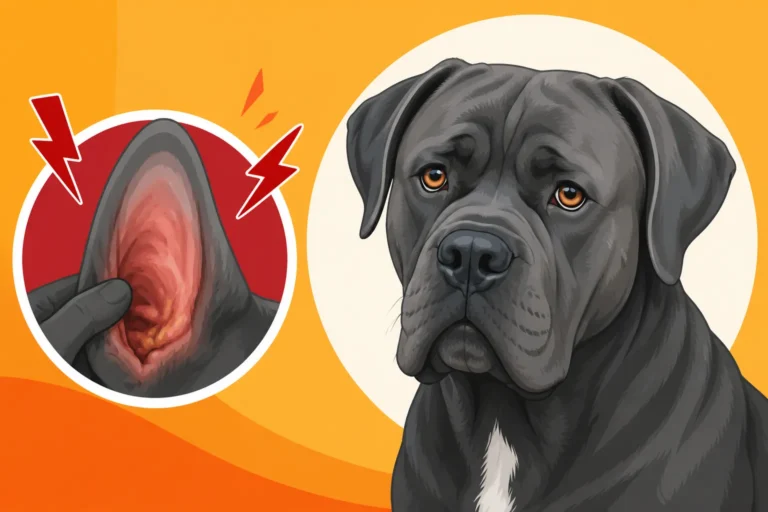
Natural Cane Corso ear infections caused by yeast, bacteria, and allergies are explained alongside anatomy details and prevention tips.
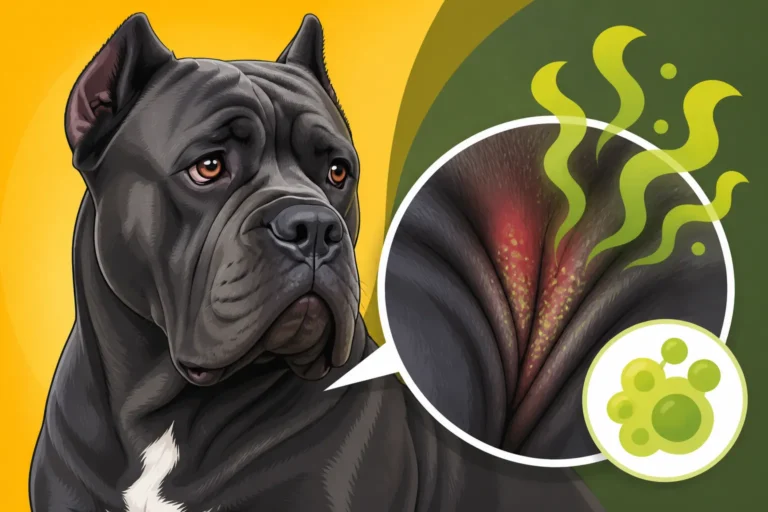
Cane Corso skin fold yeast overgrowth causes a distinct odor, red inflammation, and greasy discharge requiring proper management.

Allergy testing options and diagnostic steps help Cane Corso owners identify causes of chronic itching, ear infections, and skin redness.
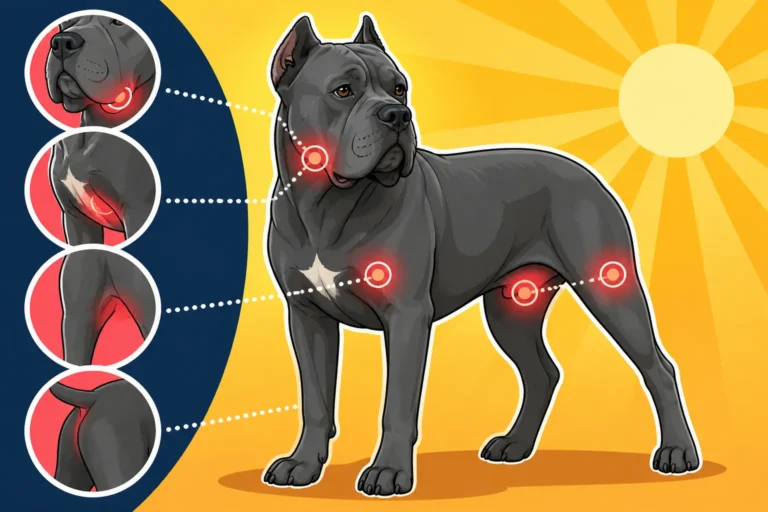
Hot spots on a Cane Corso during July explained through early signs, bacterial infection risks, treatment steps, and prevention methods.
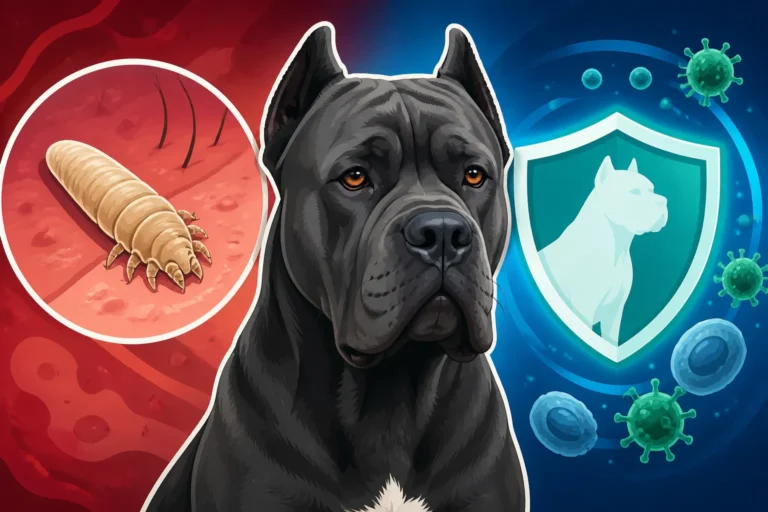
Generalized demodex in a Cane Corso indicates a compromised immune system and highlights the role of genetics in mite susceptibility.

Demodectic mange in Cane Corso puppies typically resolves as their immature immune systems develop and mature over time.
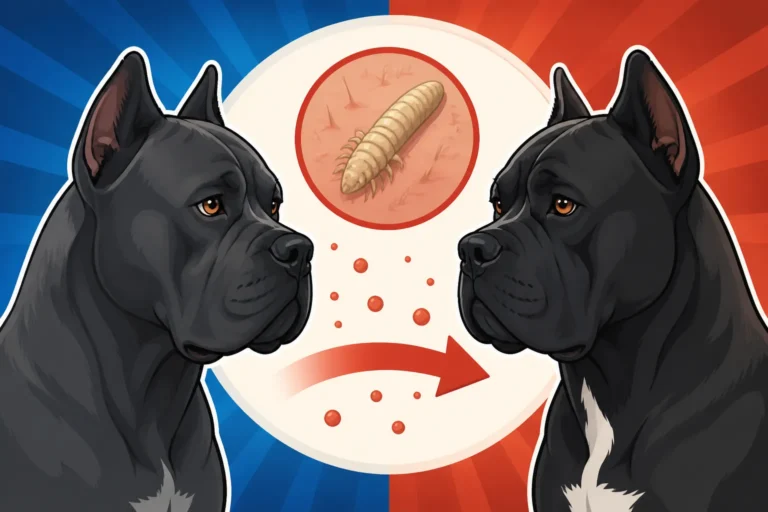
Demodectic mange transmission between Cane Corsos does not happen because Demodex canis mites live harmlessly on every dog skin.
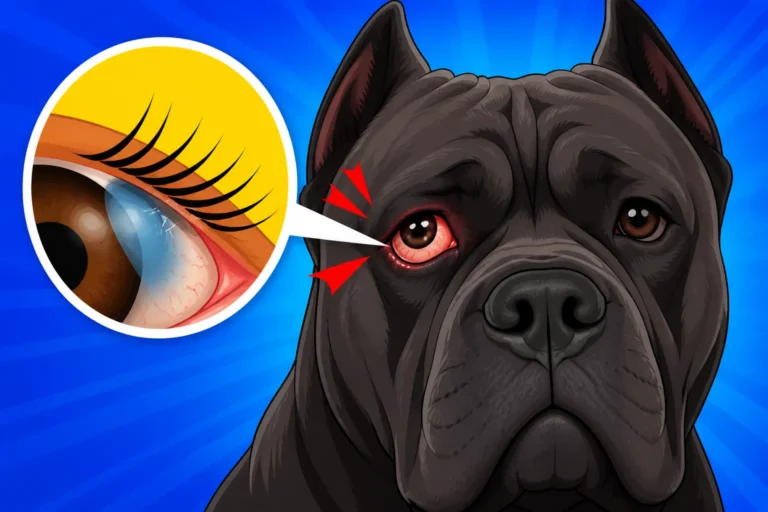
Aberrant eyelashes and eyelid issues causing corneal irritation in Cane Corsos, including distichiasis, ectopic cilia, trichiasis, and entropion.
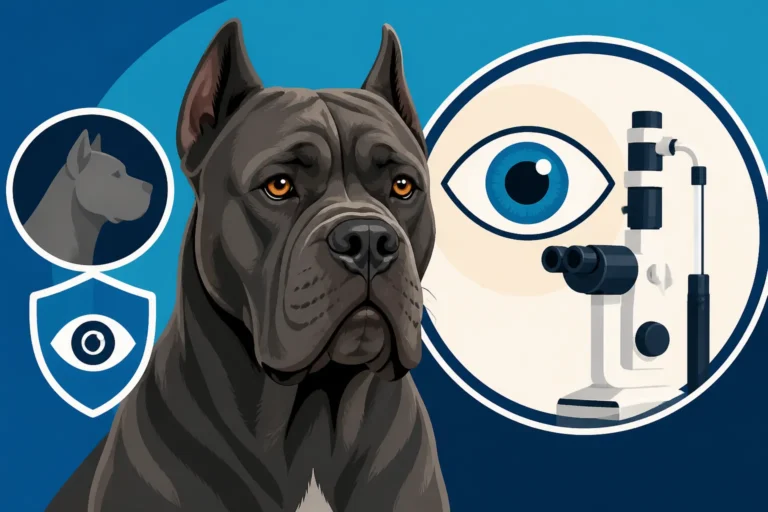
Annual eye exams for breeding Cane Corsos prevent hereditary conditions like PRA and entropion through professional veterinary screening.
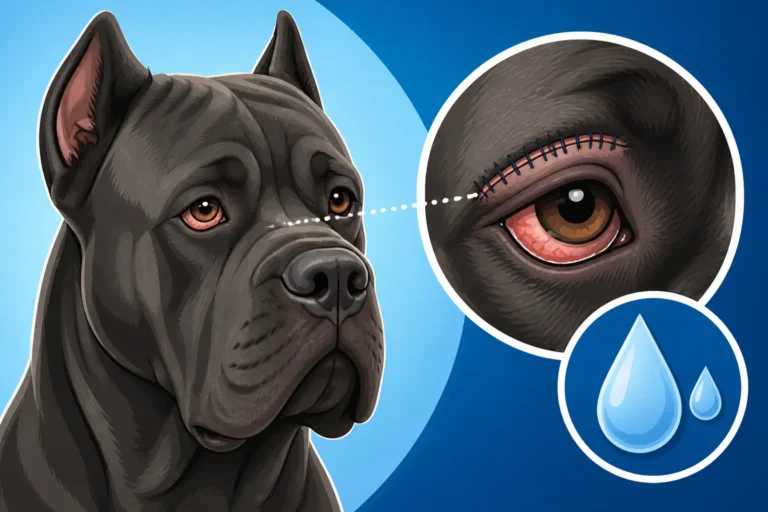
Dry eye in a Cane Corso after eyelid surgery causes redness and discharge, requiring proper management to protect vision.