Moving a Cane Corso From Puppy Food to Adult
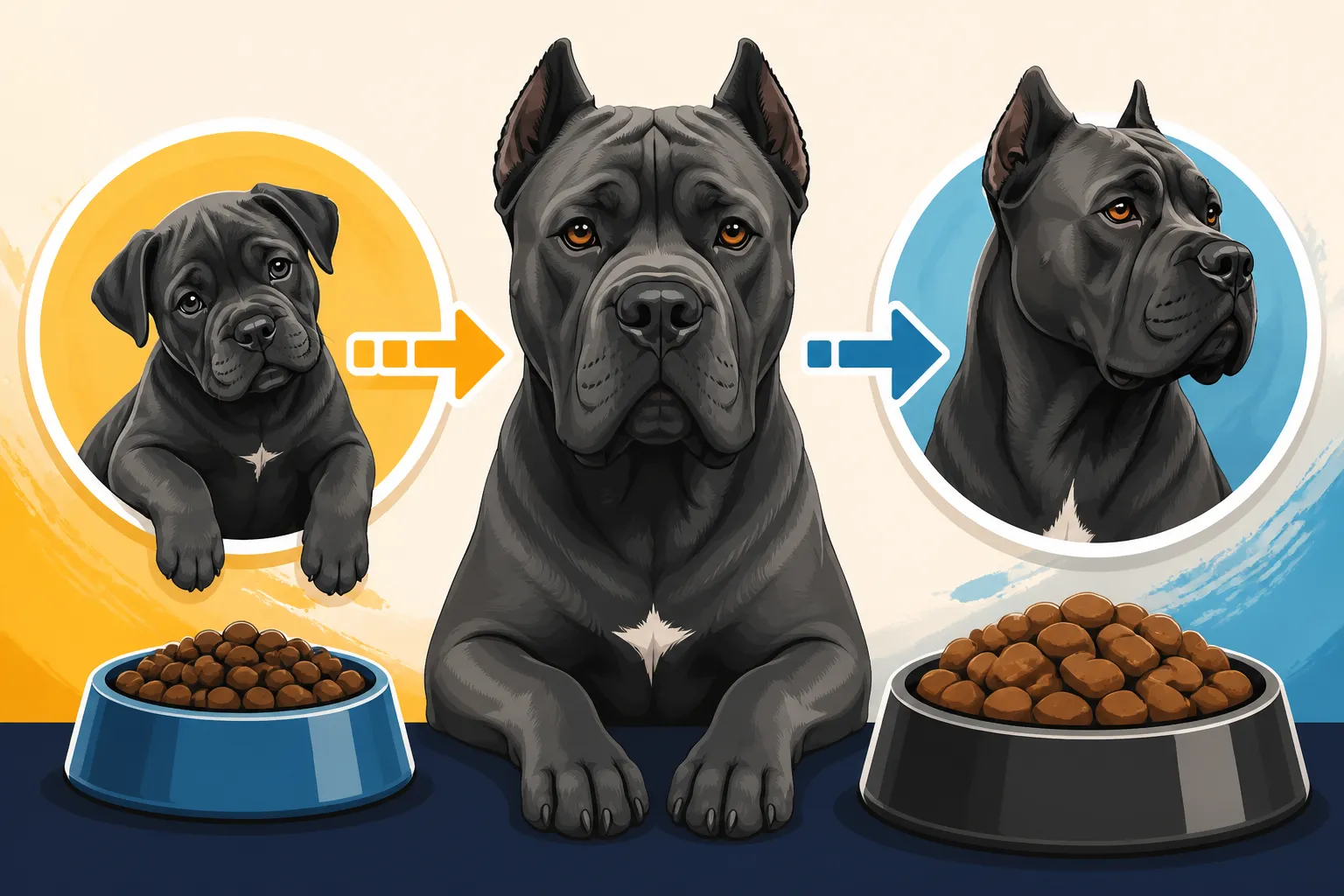
One of the most common dilemmas for new Cane Corso owners is figuring out exactly when and how to transition their rapidly growing puppy from specialized puppy food to an adult formula. It's a critical moment that can impact their long-term health, and getting it wrong can lead to digestive upset or even contribute to developmental issues. This guide will walk you through the precise timing, methods, and considerations for smoothly moving your Cane Corso from their puppy diet to adult food, ensuring they continue to thrive.
The Crucial Shift: Why Moving from Puppy to Adult Food Matters
You might think, "Food is food, right?" But for a giant breed like the Cane Corso, the nutritional demands change dramatically from puppyhood to adulthood. Their specialized puppy food is designed for rapid growth and development, which is fantastic for those first months, but it becomes detrimental if continued too long.
Growth Plate Health in Giant Breeds
Puppy food, especially formulas not specifically designed for large and giant breeds, tends to be higher in calories, calcium, and phosphorus. While these nutrients are vital for early bone development, an excess can actually harm a growing Cane Corso. Their growth plates, which are the soft areas at the ends of their bones, are particularly vulnerable. Why a Cane Corso Puppy Should Not Grow Too Fast is a topic often discussed because rapid growth spurred by too much calcium and calories can lead to serious orthopedic problems like hip and elbow dysplasia. These conditions can cause pain, limit mobility, and lead to costly surgeries down the line. Adult formulas for large breeds are carefully balanced to support a slower, more controlled growth rate, allowing those crucial growth plates to close properly and develop strong, healthy joints. It's all about avoiding that "too much, too soon" scenario that can lead to lifelong issues.
Nutritional Needs Change as They Mature
As your Cane Corso puppy matures, their metabolic rate begins to slow down, and their intense need for development-specific nutrients decreases. Imagine a toddler who needs constant fuel for running and growing versus a teenager who’s settling into a more stable growth pattern. It’s similar for dogs. Adult food is formulated with different ratios of protein, fat, carbohydrates, vitamins, and minerals to support maintenance, not rapid growth. Continuing to feed a high-calorie, high-nutrient puppy food past the appropriate age can lead to excessive weight gain, which is another huge stressor on developing and mature joints. The Calcium Ratio in a Cane Corso Puppy's Bowl is something breeders and vets often highlight because getting that balance right is paramount, and adult food helps maintain that equilibrium once their initial growth spurt is over. You're shifting from building blocks to maintenance fuel.
Pinpointing the Perfect Time: When to Make the Switch
This isn't a one-size-fits-all situation. While there are general age guidelines, understanding your individual Cane Corso's development is key. They aren't all on the same exact timetable, and a good owner pays attention to the subtle cues their dog is giving them.
Age Is Just a Guideline: Observing Physical Maturity
For Cane Corsos, being a giant breed, their growth period is significantly longer than smaller dogs. While many medium breeds might switch to adult food around 12 months, Cane Corsos often benefit from staying on large breed puppy food until they are closer to 18-24 months of age. This extended period acknowledges their slower, more deliberate growth trajectory. However, age is just a number. The real indicator is physical maturity. You'll want to observe their overall body condition. Are they still looking "lanky" and growing upwards, or are they starting to fill out, with their chest deepening and their head broadening? The Month a Cane Corso Stops Growing Taller usually occurs earlier than when they stop filling out, so even if height growth has paused, they might still be gaining significant muscle mass and bone density. You should be able to feel their ribs easily without seeing them, and they should have a discernible waist. If they're starting to look a little too round on puppy food, it's a strong signal they might be ready for the lower calorie content of an adult formula.
Behavioral Cues and Activity Levels
Beyond physical appearance, your Cane Corso's behavior can also give you hints. An exceptionally energetic puppy, constantly burning calories with zoomies and playtime, might naturally regulate their intake better on puppy food for longer. However, as they mature, their boundless puppy energy might start to mellow. They might not be quite as frantic in their play, or they might prefer longer, more structured walks over constant bursts of energy. This shift in activity often means their caloric needs are reducing. If your once hyperactive puppy is now more content with a couple of solid walks and some indoor playtime, their energy output has likely decreased, making a lower-calorie adult food more appropriate. Furthermore, if you notice they're leaving food in their bowl more often, or not quite as enthusiastic at mealtime as they once were, it could be a sign that the richness of puppy food is no longer what their body craves. It’s about listening to your dog and observing their unique needs.
Mastering the Transition: A Gentle Approach to New Food
Rushing a food change can lead to a very unhappy tummy for your Cane Corso, and trust me, nobody wants to clean up after a giant breed with an upset stomach. The key here is patience and a gradual introduction.
The Gradual Blend Method: Preventing Upset Stomachs
The most effective way to transition your Cane Corso is by slowly introducing the new adult food into their current puppy food over a period of about 7-10 days. This slow integration allows their digestive system to adjust to the new ingredients, textures, and nutrient ratios without getting overwhelmed. Here’s a typical schedule:
- Days 1-2: Mix 75% old food with 25% new food.
- Days 3-4: Mix 50% old food with 50% new food.
- Days 5-6: Mix 25% old food with 75% new food.
- Days 7-10: 100% new food.
Some dogs, especially those with sensitive stomachs or prone to Why a Cane Corso Has Loose Stools on New Food, might benefit from an even slower transition, stretching it out over two weeks or more. If you notice any digestive upset, such as diarrhea, vomiting, or excessive gas, simply slow down the process. Revert to the previous ratio for a few more days before attempting to increase the new food again. Remember, the goal is a smooth, stress-free transition for your dog. For those considering fresh food options, services like Ollie often provide transition guidelines specifically tailored to their recipes, acknowledging that new ingredients can be a shock to a system used to kibble.
Monitoring Digestion and Appetite During the Shift
Throughout the transition period, you need to be a diligent observer. This means paying close attention to your Cane Corso's stool quality. Ideally, you want firm, well-formed stools. Any changes like excessive softness, watery diarrhea, or unusual colors could indicate that the transition is happening too quickly or that the new food isn't agreeing with them. Similarly, keep an eye on their appetite. Are they still enthusiastically eating their meals? Or are they turning their nose up at the bowl? While some pickiness can happen with new foods, a complete refusal to eat or a significant drop in appetite warrants concern. It's also a good time to reassess The Daily Ration an Adult Cane Corso Actually Needs as the caloric density might be different. If your Cane Corso starts to show signs of discomfort, like lethargy, repeated vomiting, or prolonged diarrhea, don't hesitate to consult your veterinarian. They can offer advice, potentially suggest a bland diet for a few days, or recommend a probiotic to aid digestion.
Selecting the Right Fuel: Choosing an Adult Formula for Your Cane Corso
Once you've decided it's time to transition, the next big step is choosing the right adult food. This isn't just about grabbing any bag off the shelf; a Cane Corso has specific needs that a good adult formula should address.
Prioritizing Giant Breed Specific Formulas
For a Cane Corso, sticking with a dog food specifically labeled for "large breeds" or "giant breeds" is absolutely paramount, even in adulthood. These formulas are designed with the unique needs of massive dogs in mind. They typically contain:
- Controlled Calorie Content: To prevent obesity, which is a major enemy of large breed joints.
- Balanced Calcium and Phosphorus: While the extreme ratios of puppy food aren't needed, these minerals still need to be in proper balance for ongoing bone health.
- Joint Support Ingredients: Many large breed formulas include supplements like glucosamine and chondroitin. While evidence on their effectiveness can vary, providing these through food is a proactive step to support joint health, especially given the breed's predisposition to issues like hip and elbow dysplasia.
- Appropriate Kibble Size: This might seem minor, but a larger kibble size encourages slower eating, which can be beneficial for deep-chested breeds like the Cane Corso, potentially reducing the risk of bloat. The Mealtime Habits That Turn a Cane Corso's Stomach often highlight fast eating as a risk factor.
Brands like Royal Canin Giant Breed Adult or Pro Plan Large Breed Adult are often recommended for their scientifically formulated approaches to giant breed nutrition. When you're browsing options, whether on Chewy or at your local pet supply store, look for these specific labels.
Understanding Ingredient Lists: What to Look For and Avoid
Learning to read a dog food ingredient list is like deciphering a secret code, but it's a valuable skill for any Cane Corso owner. Here's what to prioritize:
- High-Quality Animal Protein: Look for real meat (chicken, beef, lamb, fish) as the first one or two ingredients. These provide essential amino acids for strong muscles. Meal forms (e.g., "chicken meal") are also acceptable as they are concentrated protein sources.
- Wholesome Grains or Quality Carbohydrates: Unless your vet has advised otherwise for a specific allergy, good quality grains like brown rice, barley, and oats are excellent sources of energy and fiber. If you prefer grain-free, look for alternative carbohydrates like sweet potatoes or peas, but always be mindful of the ongoing discussion regarding grain-free diets and potential cardiac issues.
- Healthy Fats: Sources like chicken fat, fish oil (omega-3s), and flaxseed contribute to skin and coat health, and provide concentrated energy.
- Fruits and Vegetables: These offer natural vitamins, minerals, and antioxidants.
- Probiotics/Prebiotics: These can support digestive health, which is crucial for a smooth-running system.
What to be cautious about:
- "Mystery Meats": Avoid vague terms like "meat meal" or "animal by-products" as primary ingredients, as the quality can be inconsistent.
- Excessive Fillers: Ingredients like corn gluten meal or large amounts of corn, wheat, and soy can sometimes be used as cheap fillers, offering less nutritional value.
- Artificial Additives: Artificial colors, flavors, and preservatives aren't necessary for your dog's health and are best avoided.
Comparing options side-by-side, perhaps using a retailer like Amazon to easily view multiple brands and their ingredient panels, can help you make an informed decision. Remember, Whether a Cane Corso Needs a Large Breed Formula for Life is generally answered with a resounding yes, making ingredient quality and appropriate formulation a lifelong commitment.
Navigating Challenges: Common Issues During Food Transition
Even with the best intentions and a gradual approach, sometimes things don't go exactly to plan. It's helpful to be prepared for potential bumps in the road and know how to address them.
Dealing with Digestive Upset and Loose Stools
Digestive upset is the most common issue encountered during a food transition. Even a slow switch can sometimes trigger loose stools or mild diarrhea in some Cane Corsos. This is often because their gut microbiome needs time to adapt to the new blend of ingredients.
If you notice your Cane Corso developing soft stools:
- Slow Down: The first step is to immediately revert to the previous step in your transition schedule. If you were at 50/50, go back to 75% old food, 25% new food for a few more days.
- Bland Diet Break (if severe): If the diarrhea is significant or lasts more than a day, consider a temporary bland diet. Cooked, plain white rice mixed with boiled, unseasoned chicken (shredded breast meat) is a classic choice. Feed this for 1-2 days until stools firm up, then re-start the food transition from the very beginning, but even slower.
- Probiotics: A veterinary-approved probiotic supplement can help rebalance their gut flora. Many owners keep a supply on hand, especially for large breeds. You can often find these easily through online pet supply stores like Chewy.
- Hydration: Always ensure your Cane Corso has access to fresh water, especially if experiencing diarrhea, to prevent dehydration.
If digestive upset persists despite these measures, or if you notice other symptoms like lethargy, vomiting, or blood in the stool, contact your vet immediately. Diet Changes That Upset a Deep Chested Cane Corso can sometimes be a precursor to more serious issues if not managed correctly.
Addressing Picky Eating or Food Refusal
While many Cane Corsos are enthusiastic eaters, some can become surprisingly picky, especially when a new food is introduced. They might turn their nose up at the new kibble, or refuse to eat it mixed with the old food.
Here's how to handle a finicky eater during transition:
- Don't Give In Too Quickly: If your Cane Corso refuses a meal, pick up the bowl after 15-20 minutes. Don't offer alternatives or treats immediately. Wait until the next scheduled meal. Healthy dogs will eventually eat when they're hungry. This isn't about starving them, but teaching them that this is their food and it will be available at meal times.
- Enhance Appeal (Temporarily): You can try making the new food more appealing. A little warm water or low-sodium chicken broth can soften the kibble and enhance its aroma. Some owners might add a small dollop of plain yogurt or a vet-approved food topper. Be careful not to add too much, or you'll create a new problem.
- Rule Out Medical Issues: If refusal to eat persists for more than 24-36 hours, or if accompanied by other symptoms, it's time for a vet visit. Sometimes, what looks like pickiness can be a sign of an underlying medical issue, or perhaps they're simply not feeling well.
- Evaluate the Food Choice: If your Cane Corso consistently rejects the new food even after a proper transition period and you've ruled out medical issues, the food itself might simply not be palatable to them. In this case, you might need to select a different adult large breed formula and start the transition process over.
It's a balance between being firm and being responsive to your dog's actual needs. Consistency is key when it comes to mealtimes and food choices for your Cane Corso.
Long-Term Wellness: Feeding Your Adult Cane Corso
Congratulations, your Cane Corso is officially an adult and successfully transitioned to their new food! But the journey doesn't end there. Long-term feeding involves ongoing monitoring to ensure optimal health and longevity.
Maintaining an Ideal Body Condition Score
One of the most important things you can do for your adult Cane Corso's health is to keep them at an ideal weight. Obesity in large breeds dramatically increases the risk and severity of joint problems, heart disease, and other health issues, potentially shortening their lifespan. The Nine Year Median Behind a Cane Corso's Lifespan can be influenced by how well their weight is managed.
Regularly assess your Cane Corso's body condition using the following guidelines:
- Ribs: You should be able to easily feel their ribs with slight pressure, like feeling the back of your hand. You shouldn't see them distinctly unless your dog is actively inhaling or moving. If you can't feel them, your dog is likely overweight.
- Waist: When looking down at your dog from above, you should see a discernible waist behind their ribs. It shouldn't be a straight line from chest to tail.
- Abdominal Tuck: From the side, their abdomen should tuck up slightly behind the rib cage, not sag or be perfectly flat.
A helpful tool for this is the Body Condition Score (BCS) chart, often available at your vet's office or online. It typically ranges from 1 (emaciated) to 9 (obese), with 4-5 being ideal. Checking a Cane Corso's Ribs With Your Hands should be a monthly habit, not just a casual glance. If your Cane Corso starts to gain too much weight, you'll need to adjust their portion sizes, increase exercise, or both. Slimming an Overweight Cane Corso Safely requires a gradual approach, often by slightly reducing their daily food intake and increasing structured activity without overtaxing their joints.
Establishing a Consistent Feeding Routine
Consistency in feeding is vital for an adult Cane Corso, not just for digestive health but also for their overall well-being and sense of security.
- Two Meals a Day: For an adult Cane Corso, feeding two meals a day is generally recommended. This splits their daily caloric intake, making it easier for their digestive system to process and potentially reducing the risk of bloat, a life-threatening condition for deep-chested breeds. The Mealtime Habits That Turn a Cane Corso's Stomach often emphasizes smaller, more frequent meals.
- Fixed Times: Try to feed your Cane Corso at roughly the same times each day. Dogs thrive on routine, and a predictable feeding schedule helps regulate their digestive system and reduces anxiety around mealtimes.
- Post-Meal Rest: After eating, it's crucial to ensure your Cane Corso has a period of rest. Avoid strenuous exercise, running, or rough play for at least 60-90 minutes before and after meals. This is another key preventative measure against bloat. Resting a Cane Corso After Its Meal is a non-negotiable part of their daily care.
- Measure Portions: Always measure your Cane Corso's food accurately. Don't just eyeball it. Use a standard measuring cup or, even better, a kitchen scale for precision, especially if you're managing their weight. The Daily Ration an Adult Cane Corso Actually Needs can vary based on activity level, metabolism, and the specific food's caloric density, so measuring helps you track and adjust as needed.
By consistently monitoring their body condition and maintaining a predictable, safe feeding routine, you'll be setting your adult Cane Corso up for a healthy and happy life.
| Factor | Puppy Food (Large/Giant Breed) | Adult Food (Large/Giant Breed) | Transition Period (7-10 Days) |
|---|---|---|---|
| Protein Level | Higher (e.g., 28-32%) | Moderate (e.g., 23-26%) | Gradual reduction |
| Fat Level | Higher (e.g., 14-18%) | Moderate (e.g., 10-14%) | Gradual reduction |
| Calcium/Phosphorus | Carefully balanced for bone growth, slightly higher | Balanced for maintenance | Gradual adjustment to new ratios |
| Caloric Density | Higher | Lower | Decreasing as new food percentage increases |
| Kibble Size | Often slightly smaller for puppy mouths | Larger, encourages slower eating | Mix of sizes initially |
| Feeding Frequency | 3-4 meals/day | 2 meals/day | Maintain puppy frequency initially, transition to adult frequency |
| Primary Goal | Support rapid, controlled growth and development | Maintain healthy weight, muscle, and joint integrity | Allow digestive system to adapt to new nutrients |
Disclaimer
This article is for general informational purposes only and does not constitute professional advice. Laws, prices and regulations vary by location and change over time. Consult a qualified professional for guidance on your specific situation.