Ear Care for a Cropped and an Uncropped Cane Corso
Caring for a Cane Corso’s ears, whether they are naturally floppy or have been cropped, can feel like a never-ending battle for many owners. It’s a common frustration, dealing with everything from persistent itching and head shaking to unsettling odors and crusty discharge that just won't seem to clear up. This comprehensive guide is here to walk you through the distinct challenges and essential care routines for both ear types, helping you keep your powerful companion comfortable and healthy.
Understanding Cane Corso Ear Anatomy and Types
Before we dive into the nitty-gritty of care, it's crucial to understand the two main ear types you'll encounter on a Cane Corso and how their fundamental structure impacts their health needs. This breed, like many others, has undergone changes in appearance over time, with ear cropping being a significant one.
The Natural, Uncropped Ear
A Cane Corso's natural ear is a medium-sized triangle that lies flat against the side of the head, close to the cheek. They're what we commonly refer to as "floppy ears" or "drop ears." This anatomical structure, while often seen as more natural and gentle in appearance, actually creates a microclimate within the ear canal that can be a prime breeding ground for problems.
Think about it: that ear flap acts like a lid, covering the entrance to the ear canal. This means limited airflow, trapping warmth and moisture inside. For a dog that loves to play in water, run through dewy grass, or even just drool a bit (and let's be honest, many Corsos are champion droolers!), this trapped moisture becomes an inviting environment for yeast and bacteria to flourish. Owners often describe a constant battle with recurring infections, wondering why their dog's ears always seem irritated despite their best efforts. It’s not a reflection of poor care, but often a direct consequence of this natural, enclosed ear environment.
The Cropped Ear
Ear cropping in Cane Corsos is a surgical procedure where a portion of the ear flap is removed, typically resulting in an upright, pointed ear. The practice is rooted in the breed's historical working roles, where intact ears could be torn in conflicts with livestock or during protection duties. Today, it's primarily an aesthetic choice for many owners, aligning with the traditional look of the breed.
The cropping procedure fundamentally alters the ear's environment. Once healed, the ear canal is open to air, which significantly reduces the humidity and warmth that contribute to infections in natural ears. However, cropped ears come with their own set of specific care requirements, especially during the initial healing and "posting" phase where the ears are taped to stand upright. Owners are often surprised by the dedication and meticulous care required to ensure the ears heal properly and stand correctly, a commitment that can last for months. It’s a different kind of challenge, moving from managing potential infections to ensuring proper structural development and cleanliness of an exposed ear.
The Unique Challenges of Uncropped Cane Corso Ears
If your Cane Corso sports its natural, beautiful drop ears, you're likely familiar with the constant vigilance required to keep them healthy. These ears, while charming, present several inherent challenges that owners must proactively address.
Moisture and Airflow
The biggest culprit behind ear troubles in uncropped Cane Corsos is the lack of proper airflow. When the ear flap lies flat against the head, it effectively seals off the ear canal. This creates a warm, dark, and moist environment – basically, a spa day for yeast and bacteria. Imagine wearing a thick hat all day, every day, even when exercising or in humid weather. Your scalp wouldn't be very happy, right? It's similar for your dog's ears.
This trapped moisture can be exacerbated by swimming, baths, or even just humid weather. Owners often find themselves drying their Corso's ears religiously after a dip in the lake, only to still battle the tell-tale signs of irritation. The problem isn't just external; the natural structure itself prevents adequate ventilation, allowing opportunistic pathogens to thrive. It’s a frustrating cycle that often leads to chronic discomfort for the dog and repeated vet visits for the owner, making diligent cleaning an absolute necessity. Whether an Uncropped Cane Corso Needs More Ear Cleaning is a question many grapple with.
Allergies and Irritants
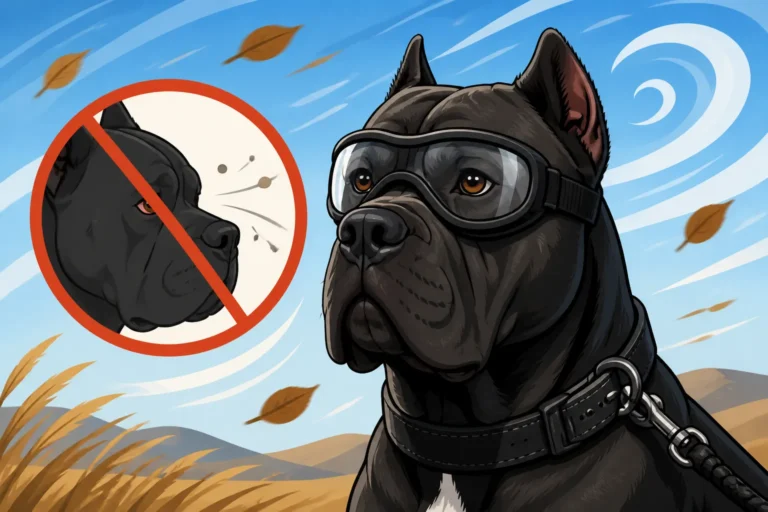
Uncropped ears also act like little funnels, collecting environmental allergens and irritants. Pollen, dust, dander, and even tiny seeds or grass particles can easily get caught in the folds and hairs of the ear flap and then work their way down into the canal. For a Cane Corso prone to allergies – and many are, often manifesting as skin issues – these trapped irritants can trigger an inflammatory response within the ear.
This means that even if the ear itself isn't primarily infected, it can become inflamed and itchy due to external factors, creating the perfect conditions for a secondary infection to take hold. An owner might observe their Corso scratching at their ears, shaking their head, or rubbing their face along the carpet, but attribute it to an infection when the root cause might be an allergic reaction. Identifying and managing these underlying allergies, perhaps through diet or environmental changes, becomes a critical part of comprehensive ear care. Allergy Testing for an Itchy Cane Corso can be a valuable step.
Foreign Objects
Another common issue for dogs with drop ears, especially those who enjoy exploring outdoors, is the risk of foreign objects becoming lodged in the ear canal. Things like foxtails, burrs, tiny pebbles, or even insects can easily enter the ear and get trapped by the floppy ear flap. Once inside, these objects can cause extreme irritation, pain, and even serious damage to the eardrum if not removed promptly.
The symptoms can be quite dramatic: sudden, intense head shaking, pawing at the ear, tilting the head to one side, or vocalizing in pain. A foreign object requires immediate veterinary attention, as attempting to remove it yourself can push it deeper or cause further injury. Preventing this involves careful inspection of the ears after outdoor adventures, particularly if your Corso has been romping through tall grass or dense brush. It's an often-overlooked hazard that can turn a fun outing into an emergency vet trip very quickly.
The Specific Care for Cropped Cane Corso Ears
While cropped ears bypass many of the moisture and airflow issues of natural ears, they introduce their own set of care requirements, especially during the crucial healing period immediately after surgery.
Post-Surgical Aftercare
This is arguably the most intensive phase of care for a cropped Cane Corso. The moment your puppy comes home after the procedure, your responsibility shifts to meticulous aftercare to ensure proper healing and the desired upright stand. This involves several critical steps that must be followed diligently for weeks, or even months.
Initially, the surgical incisions need to be kept clean and dry to prevent infection. Your vet will likely provide specific instructions on how to clean the sutures gently, often with a mild antiseptic solution. You’ll need to check the ears multiple times a day for any signs of redness, swelling, unusual discharge, or a foul odor – all indicators that something might be amiss. After the sutures are removed, the ears will enter the "posting" phase. This is where the ears are carefully taped and braced to train the cartilage to stand upright. The posting materials vary, but usually involve medical tape, backer rod, or other lightweight supports. This process is repeated every few days to a week, depending on your vet’s or experienced breeder’s advice, allowing for brief periods of airing out and cleaning. It’s a commitment, and getting it right can significantly impact the final look and health of your Corso's ears. Aftercare on a Freshly Cropped Cane Corso is a detailed process that demands patience.
Maintaining Cleanliness and Health
Once the ears are fully healed and standing on their own, the ongoing care for cropped ears becomes much simpler than for natural ears, but it's still important. The open ear canal means better ventilation, reducing the risk of yeast and bacteria buildup. However, these ears are now more exposed to the elements.
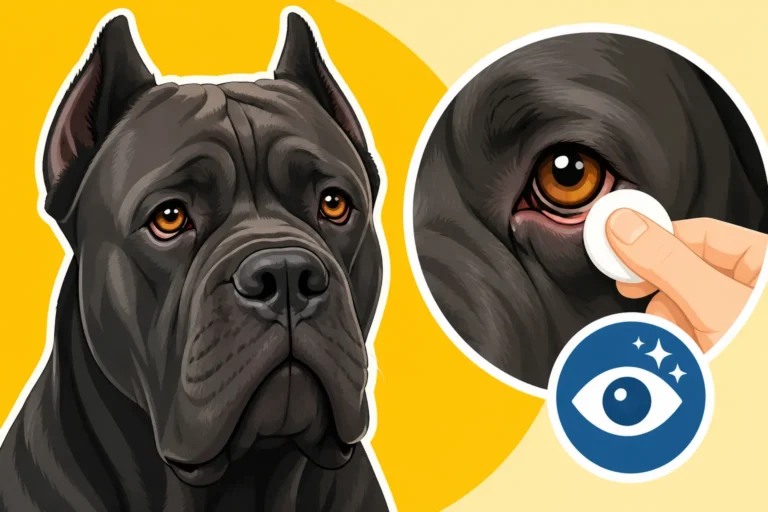
Routine cleaning involves a gentle wipe down of the visible parts of the ear and the entrance to the canal with a soft, damp cloth or a pet-safe ear wipe. This helps remove any accumulated dust, dirt, or wax before it has a chance to settle deeper. While less prone to internal infections, cropped ears can still get dirty, especially if your Corso loves to roll in the mud or dig. A quick, weekly check for redness, discharge, or a change in smell is always a good idea. Owners often appreciate the reduced hassle compared to floppy ears, but it doesn't mean you can completely neglect them. Regular, gentle attention ensures that these exposed ears remain healthy and free from minor irritations.
Protecting the Ears from Damage
Cropped ears, by their very nature of being upright, are more susceptible to certain environmental damages that floppy ears are largely protected from. Extreme cold, for instance, can lead to frostbite on the tips of the ears, especially for dogs who spend significant time outdoors in winter. The thin skin and exposed cartilage are quite vulnerable.
Similarly, prolonged sun exposure can lead to sunburn, particularly on lighter-colored Corsos or those with very fine hair on their ear tips. In some cases, repeated trauma from rough play or running through dense brush can cause nicks or tears. Owners need to be mindful of these risks. During very cold weather, consider limiting outdoor exposure or using ear coverings if your Corso is spending extended time outside. For sunny days, a pet-safe sunscreen can be applied to the ear tips, though limiting peak sun exposure is always best. These protective measures ensure that the investment in cropping, and the ongoing care, are not undermined by preventable injuries.
Recognizing Common Ear Problems in Cane Corsos
Even with the best preventative care, ear problems can crop up. Knowing what to look for, and understanding the differences between common issues, can help you act quickly and get your Cane Corso the right treatment.
Signs of Infection
An ear infection is something no Cane Corso owner wants to see, but they are unfortunately quite common, especially with uncropped ears. The signs are usually pretty clear, even if your dog tries to hide their discomfort. One of the first things you might notice is increased scratching or pawing at the affected ear. Your Corso might also start shaking their head more frequently or tilting it to one side, as if trying to dislodge something.
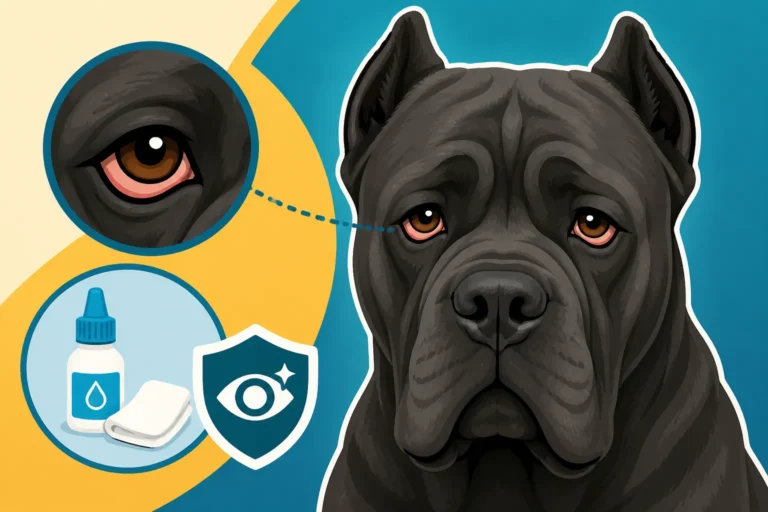
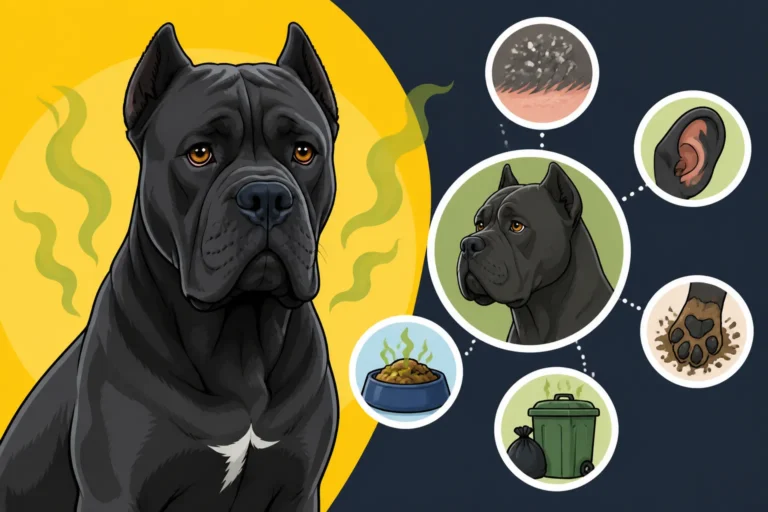
Beyond these behavioral cues, a physical examination of the ear will reveal more. Look for redness and swelling around the ear canal opening or within the ear flap itself. There might be a noticeable discharge, which can range from waxy and dark brown to yellow and pus-like. Often, an unpleasant odor will accompany the discharge – it can be yeasty, sweet, or even just distinctly "off." The skin around the ear might also appear flaky or oily. If you try to touch the ear, your Corso might flinch or show signs of pain, indicating severe discomfort. Any combination of these symptoms warrants a trip to the vet, as infections rarely resolve on their own and can worsen quickly. The Vet Bill for a Cane Corso's Recurring Ear Infection can add up, making early detection key.
Yeast vs. Bacterial Infections
While the symptoms of ear infections can be similar, understanding the difference between yeast and bacterial infections is important because treatment protocols can vary. Your vet will perform diagnostics, but here's what you might observe at home:
Yeast infections, often caused by the Malassezia fungus, typically present with a distinct, often sweet or bread-like odor. The discharge is usually dark brown, waxy, and sometimes appears like coffee grounds. The skin inside the ear might look greasy or inflamed. Yeast thrives in warm, moist environments, which is why uncropped ears are particularly susceptible. These infections can be incredibly itchy, leading to relentless scratching.
Bacterial infections, on the other hand, can produce a more foul or pungent odor. The discharge might be yellow, green, or off-white, and often has a thick, pus-like consistency. The ear canal will likely be very red, swollen, and painful to the touch. Bacterial infections can be caused by various types of bacteria and might sometimes be a secondary infection following a yeast overgrowth or allergy flare-up. Differentiating between the two is crucial for your vet to prescribe the correct antifungal or antibiotic medication. Both require proper diagnosis to avoid prolonged discomfort and potential complications.
Ear Mites and Other Parasites
Beyond yeast and bacteria, external parasites can also wreak havoc on your Cane Corso's ears. Ear mites, tiny arachnids that live in the ear canal, are a common culprit, especially in puppies or dogs who interact frequently with other animals. They cause intense itching and irritation.
The most tell-tale sign of ear mites is a dark, dry, crumbly discharge that often looks like ground coffee or dirt. Your Corso will likely be scratching vigorously and shaking their head constantly. If you gently rub the base of their ear, they might even scratch with their hind leg, a classic "pedal reflex" often seen with mites. While highly irritating, ear mites are generally easy to treat with topical medications prescribed by your vet. Other parasites, though less common, can also take up residence. Fleas, for example, can sometimes infest the outer ear, and in rare cases, ticks might attach inside the ear flap or just at the entrance to the canal. Regular preventative flea and tick treatments usually ward off these issues, but it's always worth checking the ears during your routine grooming sessions.
Step-by-Step Ear Cleaning for Your Cane Corso
Regular ear cleaning is your first line of defense against infections, whether your Cane Corso has natural or cropped ears. It might seem daunting with a large, strong dog, but with patience and the right technique, it becomes a routine part of their care.
Gathering Your Supplies
Before you even call your Cane Corso over, make sure you have everything you need laid out and ready. This minimizes fuss and makes the process smoother for both of you. You'll need:
- A Dog-Specific Ear Cleaner: Avoid alcohol-based cleaners or hydrogen peroxide, as these can be irritating. Look for gentle, pH-balanced solutions specifically formulated for dogs. Your vet can recommend a good one. You can find excellent options on Chewy or Amazon.
- Cotton Balls or Gauze Pads: You'll need plenty of these. Avoid cotton swabs (Q-tips) for cleaning inside the ear canal, as they can push debris deeper and potentially damage the eardrum.
- Clean Towels: Keep a few handy for wiping up excess cleaner and for if your Corso decides to shake their head mid-clean.
- High-Value Treats: Positive reinforcement is key, especially with a breed as intelligent and sensitive as the Cane Corso. Make this a positive experience!
- Gloves (Optional): If dealing with a particularly dirty or infected ear, gloves can protect your hands.
Having everything within reach prevents you from having to stop, search for an item, and potentially lose your Corso's cooperation. Consistency and routine will make your Corso more accepting of this necessary maintenance.
The Cleaning Process
Okay, supplies are ready. Now for the actual cleaning. Find a quiet, comfortable spot where your Cane Corso can relax, perhaps on a grooming table if they're used to it, or simply on the floor with their head in your lap.
- Examine the Ear: Gently lift the ear flap (for uncropped ears) and visually inspect the ear canal. Note any redness, discharge, or odor. This helps you gauge how thorough you need to be and if there are signs that warrant a vet visit.
- Apply Cleaner: Hold the ear flap up and carefully squirt the ear cleaning solution directly into the ear canal until it's full. Don't be shy; you want to get enough in there to loosen debris. For a cropped ear, you might use a little less, focusing on the entrance to the canal.
- Massage the Base of the Ear: Gently massage the base of your Corso's ear for about 20-30 seconds. You should hear a squishy sound, which means the cleaner is working its way down and breaking up wax and debris. This part is usually quite enjoyable for dogs.
- Allow Head Shake: Stand back and let your Cane Corso shake their head vigorously. This is natural and helps dislodge all that loosened gunk. Be prepared for some spray, hence the towels!
- Wipe Away Debris: Take a fresh cotton ball or gauze pad and gently wipe out the visible parts of the ear canal and the underside of the ear flap. Go as deep as your finger can comfortably reach, but never use cotton swabs inside the canal. Repeat with fresh cotton balls until no more dirt or wax comes out.
- Reward: Immediately follow up with lots of praise and those high-value treats! Make it a positive association.
Repeat this process for the other ear. For dogs with uncropped ears prone to infections, a thorough cleaning might be needed weekly or bi-weekly. For healthy cropped ears, a monthly wipe-down might suffice. Adjust frequency based on your Corso's individual needs and your vet's advice.
When to Seek Professional Help
While routine cleaning is crucial, there are definitely times when DIY care isn't enough, and you need to call your veterinarian immediately. Ignoring these signs can lead to more severe problems and unnecessary pain for your Cane Corso.
You should always seek professional veterinary attention if you notice any of the following: intense pain when you touch their ear, a deep, foul odor that doesn't resolve with cleaning, a thick, pus-like discharge, severe redness and swelling, or if your Cane Corso has suddenly become very head-shy or aggressive about their ears. If your dog seems lethargic, has a fever, or is showing other signs of systemic illness along with ear issues, that's another red flag. Likewise, if you suspect a foreign object is lodged deep in the ear, do not attempt to remove it yourself.
A vet can properly diagnose the type of infection (yeast, bacterial, or mites) through an otoscopic exam and cytology, which involves looking at a sample under a microscope. This ensures the correct medication is prescribed, whether it's topical drops, oral antibiotics, or antifungals. Prompt veterinary care can prevent chronic ear disease, hearing loss, or even damage to the eardrum. It's an investment in your Cane Corso's comfort and long-term health.
Preventative Measures for Optimal Ear Health
Beyond reactive cleaning, a proactive approach to ear care can significantly reduce the incidence of problems for your Cane Corso. This involves daily habits, dietary considerations, and smart product choices.
Routine Checks and Maintenance
The easiest and most effective preventative measure is simply getting into a routine of checking your Cane Corso's ears regularly. This doesn't have to be a full cleaning session every time; a quick visual inspection can go a long way. Make it a daily habit, perhaps during cuddle time or after a walk.
Gently lift their ear flap (if uncropped) and take a peek inside. Does it look clean? Is there any redness or irritation? Do you notice any unusual odor? Is there any gunk starting to build up? This quick check allows you to catch minor issues before they escalate into full-blown infections. If you notice a bit of dirt or wax, a quick wipe with a dry cotton ball or a pet-safe ear wipe might be all that's needed. For uncropped ears, ensuring they are dry after swimming or baths is paramount. You can gently blot the inside of the ear flap with a soft towel. Consistent, gentle handling of their ears from a young age will also help your Cane Corso be more accepting of more thorough cleanings or vet examinations down the line. It's about being observant and responsive to the subtle changes in their ear health.
Diet and Allergies
What goes into your Cane Corso's body can often manifest on the outside, and ear health is no exception. Food allergies or sensitivities are a common underlying cause of chronic ear infections and skin irritation in dogs. If your Cane Corso is experiencing recurring ear problems despite consistent cleaning, it might be time to look at their diet.
Common allergens in dog food include chicken, beef, dairy, wheat, and soy. An elimination diet, conducted under veterinary guidance, can help identify if a specific ingredient is triggering their ear issues. This involves feeding a novel protein or hydrolyzed protein diet for several weeks to see if the symptoms resolve, then reintroducing ingredients one by one. Brands often offer specialized diets for sensitive dogs, and options are readily available from retailers like Chewy or can be explored through specialized fresh food providers like Ollie. Beyond allergies, ensuring a high-quality, balanced diet rich in omega-3 fatty acids can support overall skin and coat health, which includes the ears. These healthy fats can reduce inflammation and improve the skin's barrier function, making your Corso less susceptible to irritation. It's a holistic approach that tackles the root cause, rather than just treating the symptoms.
Appropriate Cleaning Products
The market is flooded with ear cleaning solutions, and choosing the right one for your Cane Corso is crucial. Not all products are created equal, and some can even do more harm than good. Always opt for cleaners specifically formulated for canine ears.
Look for solutions that are gentle, pH-balanced, and designed to dry the ear canal while breaking down wax and debris. Many effective cleaners contain ingredients like salicylic acid, boric acid, or witch hazel, which have antiseptic and drying properties. Avoid products containing alcohol, hydrogen peroxide, or harsh detergents, as these can irritate the delicate skin of the ear canal, especially if there's already inflammation. Your veterinarian is the best resource for recommending a specific brand or type of cleaner suitable for your Cane Corso's individual needs. If your Corso has a known yeast problem, for instance, a cleaner with antifungal properties might be suggested. For general maintenance, a simple saline-based cleaner might be sufficient. Keeping a stock of good quality cleaner on hand, perhaps purchased conveniently from Amazon or Chewy, ensures you're always ready for routine maintenance or when a little extra care is needed.
Long-Term Health Considerations
Cane Corso ear care isn't just about managing immediate issues; it's about understanding the breed's predispositions and planning for their long-term well-being.
Chronic Ear Issues and Management
For some Cane Corsos, especially those with uncropped ears or significant allergies, ear problems can become a chronic, frustrating battle. It's not uncommon for owners to feel like they're constantly fighting a losing war against recurring infections, leading to discomfort for their dog and a significant emotional and financial toll on the family. When ear issues become chronic, simply cleaning the ears is often not enough.
Managing chronic ear problems requires a multi-faceted approach, often involving a partnership with your vet. This might include: identifying and managing underlying allergies (food or environmental), using prescription-strength ear medications for longer durations, exploring specialized diagnostic tests like allergy testing or even biopsies, and in severe cases, discussing surgical options. For instance, a Total Ear Canal Ablation (TECA) might be considered as a last resort for dogs suffering from excruciating, irreversible ear disease, though this is a major surgery. The goal is to break the cycle of infection and inflammation, providing lasting relief for your Corso. It's a journey that demands patience, persistence, and a willingness to explore all avenues to improve their quality of life.
Genetic Predispositions
While not as widely discussed as hip or elbow dysplasia, some breeds, including larger breeds with heavy ear flaps, can have a genetic predisposition to ear problems. While the Cane Corso is generally a robust breed, the deep-set, heavy drop ear, when uncropped, inherently carries a higher risk for environmental issues.
Furthermore, general skin sensitivities or immune system weaknesses, which can have a genetic component, can indirectly contribute to chronic ear infections. If a Corso inherits a tendency towards allergies, for example, these allergies can manifest as recurrent ear problems. When considering a Cane Corso puppy, discussing the health history of the parents with the breeder, particularly regarding any chronic skin or ear issues, can be insightful. While you can't change genetics, being aware of potential predispositions allows you to be more proactive with preventative care and to intervene early if issues arise. Understanding your dog's lineage can provide valuable clues for their health trajectory.
The Role of a Vet
Ultimately, your veterinarian is your most important ally in maintaining your Cane Corso's ear health. While at-home care and preventative measures are crucial, a vet's expertise is indispensable for diagnosis, treatment, and ongoing management of ear conditions.
From the first puppy visits, your vet will guide you on appropriate ear care, especially if you opt for ear cropping, explaining the surgical The Cost of Cropping a Cane Corso's Ears and aftercare process. For uncropped ears, they can help establish a cleaning routine tailored to your Corso's activity level and ear anatomy. When an infection strikes, only a vet can accurately diagnose the cause and prescribe the correct medication. They can identify ear mites, differentiate between yeast and bacterial infections, rule out foreign objects, and detect more serious underlying conditions. For chronic issues, they can help you navigate allergy testing, dietary changes, and advanced treatment options. Don't hesitate to reach out to your vet if you have any concerns about your Cane Corso's ears, no matter how minor they seem. Early intervention often prevents minor irritations from becoming major, painful problems.
| Ear Type | Common Challenges | Preventative Measures | Typical Cleaning Frequency (Healthy Ear) | When to Call the Vet |
|---|---|---|---|---|
| Uncropped | Trapped moisture, poor airflow, foreign objects, allergies | Regular cleaning, thorough drying, allergy management | Weekly to Bi-weekly | Foul odor, pus-like discharge, severe pain, head tilting |
| Cropped | Post-surgical aftercare, trauma, sun/cold exposure | Meticulous post-op care, routine checks, environmental protection | Monthly (once healed) | Signs of infection, excessive pain during healing, poor standing |
Disclaimer
This article is for general informational purposes only and does not constitute professional advice. Laws, prices and regulations vary by location and change over time. Consult a qualified professional for guidance on your specific situation.