Daily Eye Care on a Cane Corso’s Loose Lids
One of the most common frustrations for Cane Corso owners is dealing with their dog's often expressive, sometimes droopy, eyes. Those beautiful, soulful eyes, which can melt your heart, also come with a unique set of challenges due to their specific anatomy, often including looser lower eyelids. This can lead to persistent tearing, unsightly stains, and a higher risk of irritation or infection. This comprehensive guide is here to walk you through everything you need to know about daily eye care for your Cane Corso, ensuring their vision stays clear and comfortable, and giving you practical, empathetic solutions to tackle those daily ocular woes.
The Unique Challenges of Cane Corso Eye Anatomy
Let's face it, our Cane Corsos are majestic, powerful dogs, and their appearance is a huge part of their appeal. But with those distinct facial features, particularly around the eyes, comes a responsibility for vigilant care that many new owners don't anticipate. Understanding why their eyes behave the way they do is the first step in effective management.
Understanding the Breed Standard and Eye Set
When you look at a well-bred Cane Corso, you'll notice their eyes are typically medium-sized, almond-shaped, and set almost straight, with only a slight degree of exposure of the conjunctiva (the pink membrane). However, even within the acceptable breed standard, there's a wide range of variation. Some Corsos might have a tighter eye set, while others naturally present with a bit more "haw"—that visible pink lower eyelid—than you might see in other breeds. This isn't necessarily a fault, but it significantly impacts their daily eye health. The standard aims for a balance, but real-world genetics often lean towards a looser look, especially as they age or if they come from certain lines. This anatomical predisposition is the root cause of many of the eye care challenges we face as owners.
This natural variation means that while one Cane Corso might sail through life with minimal eye fuss, another, even a littermate, could require daily attention to prevent issues. It's not about being "perfect" according to a show standard; it's about recognizing your individual dog's needs. The breed's protective nature often means they're very expressive with their eyes, and any discomfort can become a distraction for them, potentially impacting their focus or overall well-being.
The Prevalence of Exposed Lower Lids
The term "loose lids" refers to a condition where the lower eyelid doesn't sit snugly against the eyeball. This can manifest as either ectropion (where the eyelid rolls outward, exposing the conjunctiva) or, less commonly, entropion (where it rolls inward, causing eyelashes to rub against the cornea). While entropion is a more serious concern, ectropion or simply a generally loose lower lid, which isn't quite severe enough to be classified as ectropion, is incredibly common in Cane Corsos. When you pull down gently on your Corso's lower lid, you might notice a larger pocket than you'd expect. This exposed area is a magnet for all sorts of irritants.
Imagine walking around all day with a small pocket under your eye that collects every speck of dust, pollen, and debris from the air. That's essentially what happens with a Cane Corso that has noticeably loose or sagging lower eyelids. The Sagging Lower Lid on a Cane Corso is a familiar sight for many owners. This constant exposure means the delicate tissues around the eye are more vulnerable. They're not getting the protective sweep of a tight eyelid, nor are tears efficiently flushing away irritants. It's a design flaw, if you will, that we, as responsible owners, need to mitigate with consistent care. Without it, minor irritation quickly escalates into something more significant.
Why Tear Stains and Discharge are So Common
With exposed lower lids, the natural tearing process can become less efficient. Tears are produced to lubricate and cleanse the eye, but if the eyelid isn't properly directing them, they can spill over and run down the face. This overflow isn't just cosmetic; it's a breeding ground for bacteria and yeast, which thrive in moist environments. The result? Those reddish-brown tear stains that are so characteristic of many breeds, including our Cane Corsos, particularly those with lighter coats. But it's not just the staining; the chronic moisture can lead to skin irritation and odor.
Beyond the staining, you'll likely notice a baseline level of discharge or "sleepies" in your Cane Corso's eyes, even on a good day. The Discharge That Collects in a Cane Corso's Lid is often a mix of normal ocular secretions and collected environmental debris. It might be clear, slightly whitish, or even yellowish. While some discharge is normal for any dog, with a Cane Corso's loose lids, this can be exacerbated. The moist folds of the skin and the exposed conjunctiva allow more debris to settle and more secretions to accumulate. It becomes a cycle: loose lids lead to more exposure and inefficient tear drainage, which leads to more discharge and staining, which then requires more frequent cleaning.
Common Eye Ailments Linked to Loose Lids
The anatomical predispositions we just discussed aren't just cosmetic concerns; they directly contribute to a higher incidence of specific eye problems in Cane Corsos. Understanding these helps you stay ahead of potential issues and respond appropriately when your dog shows signs of discomfort.
Chronic Irritation and Redness
The constant exposure of the delicate conjunctival tissue to air, dust, pollen, and other environmental irritants often leads to chronic inflammation and redness. This isn't necessarily an infection, but rather the eye's way of reacting to persistent stressors. You might notice the whites of their eyes (sclera) are often a bit pinker than you'd expect, or the lower lid lining looks perpetually inflamed. This chronic irritation can make your Cane Corso uncomfortable, leading to pawing at their face, rubbing their eyes on furniture, or even a general sense of being "off."
Think of it like having a perpetually dusty house where your eyes always feel a little gritty. For your Cane Corso, this "gritty" feeling is a daily reality if their eyes aren't properly managed. Over time, this chronic inflammation can weaken the eye's natural defenses, making it more susceptible to more serious problems. It's a low-grade battle the eye fights constantly, and our job is to reduce the burden. Without regular cleaning and attention, this redness can escalate, indicating a more significant problem is brewing. Why a Cane Corso's Eyes Run All Day is often a direct result of this chronic irritation.
Frequent Conjunctivitis and Infections
Perhaps the most common and frustrating issue stemming from loose lids is the increased susceptibility to conjunctivitis and other bacterial or yeast infections. How Loose Lids Give a Cane Corso Chronic Eye Infections is something many owners quickly learn firsthand. The exposed, moist tissue provides an ideal environment for pathogens to thrive. Bacteria that would normally be flushed away or prevented from adhering by a tight eyelid and efficient tear film can gain a foothold in the folds of the conjunctiva.
These infections often present as thick, yellowish-green discharge, significant redness, swelling, and sometimes even a foul odor. Your Cane Corso might squint, be sensitive to light, or paw at their eyes constantly. A mild irritation, if left unchecked, can quickly turn into a full-blown infection requiring veterinary attention and antibiotics. It's a common cycle: minor irritation, debris accumulation, bacterial growth, infection. Breaking this cycle requires diligent daily care and prompt veterinary intervention when symptoms escalate.
Debris Accumulation and Foreign Bodies
The pocket created by a loose lower lid is, unfortunately, an excellent trap for environmental debris. Dust, dirt, grass seeds, small pieces of leaves, or even strands of their own hair can easily get caught in this fold. While the eye has natural mechanisms to try and flush these out, a compromised eyelid structure makes this process far less effective. This accumulation of foreign bodies isn't just irritating; it can scratch the delicate surface of the cornea, leading to corneal abrasions or ulcers, which are painful and can quickly become serious.
Imagine getting an eyelash stuck in your eye, and it just wouldn't come out. That discomfort is what your Cane Corso experiences with persistent debris. A tiny grass seed, innocuous as it seems, can embed itself and cause significant damage if not removed. This makes daily checks and cleaning absolutely critical. Even a seemingly clear eye can harbor hidden debris in those folds. Regularly flushing the eye can help prevent these tiny invaders from settling in and causing bigger headaches down the line.
Gathering Your Daily Eye Care Arsenal
Now that we understand the "why," let's dive into the "how." Having the right tools on hand makes daily eye care a breeze, turning a potentially stressful chore into a calm, bonding experience for you and your Cane Corso. Forget harsh chemicals; gentle is the name of the game.
Choosing Gentle Eye Wipes and Cleaning Solutions
The market is flooded with eye wipes and solutions for dogs, but for a Cane Corso with loose lids, "gentle" is the keyword. You want products specifically designed for ophthalmic use in dogs, free from harsh chemicals, alcohol, or strong perfumes that could further irritate sensitive eyes. Many reputable brands offer sterile saline wipes or solutions with natural ingredients like aloe vera or witch hazel, known for their soothing properties. Some even contain mild antiseptics to help prevent bacterial overgrowth.
When selecting products, read labels carefully. Avoid anything that isn't pH-balanced for a dog's eyes. You can find a wide variety of gentle eye wipes and cleaning solutions on platforms like Amazon or Chewy. Look for those that come in pre-moistened pads for convenience, or larger bottles of solution with cotton pads for a more economical approach. It's often a good idea to have both on hand: wipes for quick clean-ups and a solution for more thorough flushes. For tear staining, specifically, there are also specialized wipes, often enzymatic, designed to break down the porphyrin compounds that cause the reddish discoloration.
The Role of Soft Cloths and Warm Water
Sometimes, the simplest tools are the best. For everyday maintenance and when you're hesitant to introduce new products, a clean, soft cloth and warm water are your best friends. Keep a stack of dedicated eye cloths – old washcloths, microfibre cloths, or even pieces of an old, soft t-shirt work wonderfully. The key is cleanliness. Use a fresh cloth or a fresh section of a cloth for each eye to prevent cross-contamination if one eye is irritated.
Warm water helps to soften dried discharge and crusted material, making it easier to wipe away without tugging or irritating the delicate skin around the eye. Simply dampen the cloth with warm (not hot!) water and gently press it against the affected area for a few seconds before wiping. This can be incredibly soothing for your Cane Corso and is a perfect first step before using any specialized solutions. It's also an excellent option if your dog has sensitive skin or allergies, as it minimizes exposure to potential irritants.
Considering Saline Flushes and Specialized Cleansers
For deeper cleaning or when you suspect debris might be lodged in the eye, a sterile saline solution (like those used for contact lenses, but ensure it's sterile ophthalmic saline without preservatives) can be invaluable. These solutions are isotonic, meaning they match the natural salt concentration of tears, so they won't sting or irritate the eye. They work by gently flushing out irritants and loose debris. You can apply a few drops directly into the eye, allowing it to naturally drain, or use it to saturate a cotton ball for a more targeted wipe.
Beyond basic saline, some specialized veterinary cleansers exist that might be recommended by your vet, especially if your Cane Corso is prone to recurring infections or has significant tear staining. These often contain mild antiseptic or anti-inflammatory ingredients. Products from trusted veterinary brands are usually available through your vet or reputable pet supply sites like Chewy. However, always consult your veterinarian before introducing any medicated or specialized cleanser, as they can properly diagnose any underlying issues and recommend the most appropriate product for your individual Cane Corso.
Establishing a Consistent Eye Cleaning Routine
Consistency is paramount when it comes to managing your Cane Corso's eye health. A regular, gentle routine can prevent minor issues from escalating and keep their eyes comfortable and clear. Building this habit from puppyhood makes it much easier, but it's never too late to start.
Setting the Stage for a Calm Session
Approaching eye care as a calm, positive interaction is key, especially with a large, strong-willed breed like the Cane Corso. Choose a quiet time of day when your dog is relaxed, perhaps after a walk or a meal. Use a calm, reassuring voice and offer plenty of praise and high-value treats. You might start in a comfortable spot where they typically relax, like their dog bed or a cozy corner of the living room. For younger or more energetic Corsos, a designated "place" command on a cot can be useful to help them settle.
Before you even touch their face, let them see and sniff the wipes or cloths you'll be using. A quick dab of peanut butter on a LickiMat or a sturdy chew toy can distract them while you work. The goal is to make them associate eye cleaning with positive rewards, not stress or punishment. If they're particularly resistant at first, break the process down into tiny steps: just touching their head, then their cheek, then briefly touching near their eye, always rewarding success. Build up gradually, never forcing the issue, and keeping sessions short.
Step-by-Step Wiping and Flushing Techniques
Once your Cane Corso is relaxed, you can begin the actual cleaning. Start with the outer corners of the eye and work your way inward, towards the nose. This prevents dragging debris from one area into the eye itself. Gently hold their muzzle to keep their head steady, if needed.
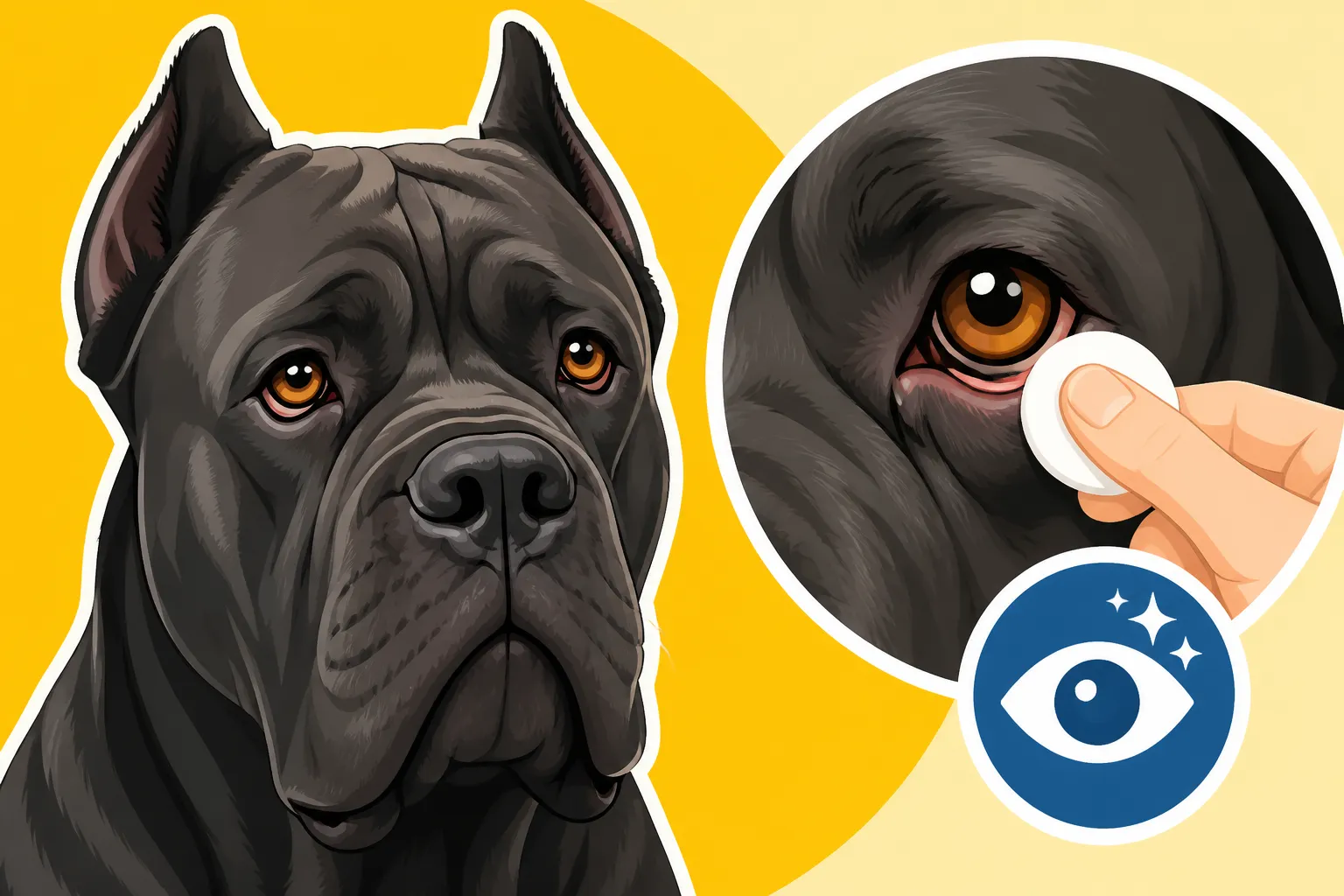
- For basic wiping: Take a fresh, moist wipe or a damp, soft cloth. With gentle but firm strokes, wipe away any visible discharge, crust, or debris from around the eye, paying close attention to the lower lid folds. Always wipe away from the eye, never directly into it. For stubborn crusts, hold the warm, damp cloth against the area for a few seconds to soften it before wiping. Wiping a Cane Corso's Eyes Every Morning should become as routine as their morning potty break.
- For flushing (if needed): If you're using a saline solution, gently separate the lower eyelid with one hand to create a small pocket. Hold the bottle a short distance away and allow a few drops or a gentle stream to flow into the pocket. Encourage your Cane Corso to blink, which helps distribute the solution and flush out any irritants. Have a clean cloth ready to catch any overflow or debris that washes out. Remember, this isn't about scrubbing; it's about gently cleansing and rinsing.
Post-Cleaning Checks and Positive Reinforcement
After you've finished cleaning both eyes (using separate wipes/cloths for each!), take a moment to do a quick visual check. Look for any lingering redness, swelling, cloudiness, or any new discharge. Does the eye look clearer and more comfortable? Are there any signs of irritation on the skin around the eye? This quick inspection helps you gauge the effectiveness of your cleaning and identify any developing problems early.
Finally, and perhaps most importantly, lavish your Cane Corso with praise and a well-deserved treat. Reinforce the positive behavior. The more pleasant you make these interactions, the more cooperative they will be for future sessions. A quick game of fetch or some cuddles can also help solidify the positive association. Over time, your Cane Corso will learn that eye cleaning is just a routine part of their day that comes with rewards, rather than something to be feared. This consistent, positive approach makes all the difference in managing their eye health long-term.
Tackling Persistent Issues and Stubborn Stains
Even with a consistent daily routine, some Cane Corsos will present with more persistent issues, particularly stubborn tear stains or recurring crusts. This calls for a slightly more targeted approach and sometimes, a little help from specialized products.
Strategies for Managing Excessive Tear Staining
Tear staining is often a chronic battle for Cane Corso owners, especially those with fawn or formentino coats where the reddish-brown marks are most visible. These stains are caused by porphyrins, iron-containing molecules excreted in tears that turn reddish-brown upon exposure to light and air. Simply wiping with water often isn't enough to remove established stains or prevent new ones.
One strategy is to use specialized tear stain remover wipes or solutions. Many of these contain mild oxidizers or enzymes that help break down the porphyrin pigments. You can find these at pet stores or online on Amazon. When using them, follow the instructions carefully, ensuring they are safe for use around the eyes. Some owners also find that certain dietary changes can help reduce tear staining, such as switching to a food with novel proteins or avoiding chicken if it's suspected as an allergen. Always ensure your Cane Corso has access to fresh, filtered water, as minerals in tap water can sometimes contribute to staining. Consistency in wiping, sometimes multiple times a day if staining is severe, is key.
When to Introduce Medicated or Enzymatic Wipes
If your Cane Corso's loose lids are leading to recurrent low-grade infections or significant bacterial/yeast overgrowth, your veterinarian might recommend medicated wipes or solutions. These often contain mild antiseptics like chlorhexidine or antifungal agents designed to control microbial populations around the eye and on the skin folds. These are typically not for direct use in the eye but rather for the skin surrounding it.
Enzymatic wipes are another option, particularly for breaking down organic matter in discharge and stubborn stains. These contain enzymes that effectively dissolve proteins and fats, making cleanup easier and more thorough. Products like these can be a game-changer for maintaining cleanliness in the deep folds of a Cane Corso's lower lids. However, it's crucial to use these products only as directed and to consult your vet first, especially if you suspect an active infection. Misusing medicated products can worsen an eye condition or cause further irritation.
Dealing with Matted Hair and Crusted Discharge
Sometimes, discharge can dry and harden, matting into the hair around the eyes. This isn't just unsightly; it can be incredibly uncomfortable for your Cane Corso, pulling on their skin and trapping even more bacteria. Attempting to pull or cut these mats when dry can cause pain and injury.
The best approach is to soften the crusted discharge thoroughly before attempting removal. Use a warm, very damp cloth or cotton ball and hold it gently against the matted area for several minutes. Re-wet the cloth as needed until the crust softens. Once softened, you can usually gently wipe or comb it away with a fine-toothed flea comb or a dedicated tear stain comb. If the mat is particularly stubborn and close to the skin, you might need to carefully trim it with blunt-nosed scissors, always pointing the scissors away from the eye and with a finger or comb between the skin and the scissors to prevent accidental nicks. Patience is paramount here, and don't hesitate to seek a professional groomer's help if you're uncomfortable doing it yourself.
Recognizing When to Seek Veterinary Intervention
While daily home care is vital, there will be times when your Cane Corso's eye issues warrant a trip to the veterinarian. Knowing the difference between a minor irritation and a serious problem can make all the difference in preserving their vision and comfort.
Differentiating Minor Irritation from Serious Problems
It can be tough to tell if your Cane Corso's red, watery eye is just a bit of environmental irritation, or if it's something more serious. Minor irritation, often caused by dust or a small amount of pollen, usually presents with mild redness, increased tearing, and possibly a clear or slightly whitish discharge. It typically resolves within a day or two with diligent home cleaning. Your dog might blink a bit more but generally won't seem to be in severe pain.
However, if you observe a sudden onset of symptoms, or if mild irritation doesn't improve after 24-48 hours of consistent care, it's time to call the vet. Look for changes in the nature of the discharge – a thick, yellow, or green pus is a red flag for infection. If the eye becomes cloudy, or if you notice any changes in the pupil size or shape, these are urgent signs. Trust your gut; you know your Cane Corso best. If something just doesn't seem right, a quick vet check is always the safest course of action.
Identifying Swelling, Squinting, and Pain Signals
Clear signs of pain or significant discomfort in your Cane Corso's eye should never be ignored. Swelling around the eye or eyelid, persistent squinting (holding the eye partially or fully closed), rubbing or pawing at the face, or light sensitivity (photophobia) are all indications that your dog is in discomfort and needs immediate veterinary attention. A Cane Corso's pain threshold can be quite high, so if they are overtly showing signs of pain, it's likely significant.
Other red flags include any obvious injury to the eye, such as a scratch, puncture, or foreign body. If the eye appears cloudy, blue, or has any visible changes to its surface (like an ulcer), this is an emergency. These symptoms can point to corneal ulcers, glaucoma, uveitis, or other serious conditions that can lead to permanent vision loss if not treated promptly. Don't try to self-diagnose or treat severe symptoms at home; consult your vet without delay. When a Seizing Cane Corso Needs the Emergency Vet might seem unrelated, but the point is, knowing when any symptom crosses into emergency territory for a large breed is crucial.
The Importance of Proactive Vet Visits and Eye Exams
Beyond responding to acute issues, regular veterinary check-ups should always include a thorough examination of your Cane Corso's eyes. Your vet can spot subtle signs of developing problems that you might miss. They can also perform specific tests, such as a fluorescein stain to check for corneal abrasions, a Schirmer tear test to assess tear production, or an intraocular pressure measurement to rule out glaucoma.
For Cane Corsos, especially those with naturally looser lids, The Yearly Eye Exam a Breeding Cane Corso Needs is a good practice for all Corsos, whether they're breeding animals or beloved pets. These proactive exams allow your vet to establish a baseline of your dog's eye health and catch conditions like entropion or ectropion early, before they cause significant pain or damage. They can also advise on the best daily care products and techniques tailored to your individual dog's needs, taking into account their unique anatomy and any specific predispositions.
| Symptom | Possible Severity | Action Recommended |
|---|---|---|
| Mild redness, clear discharge | Minor Irritation | Consistent home cleaning; observe for 24-48 hours |
| Persistent tearing, tear stains | Chronic Issue | Daily cleaning, specialized wipes/solutions; consider vet if worsening |
| Thick yellow/green discharge | Infection Likely | Veterinary Visit – Urgent |
| Squinting, pawing, light sensitivity | Pain/Serious Problem | Veterinary Visit – Urgent |
| Swelling around eye/lid | Serious Problem | Veterinary Visit – Urgent |
| Cloudy eye, visible injury | Emergency | Emergency Vet Visit – Immediate |
| Dry, dull eyes | Potential Dry Eye | Veterinary Visit |
Proactive Measures and Long-Term Eye Health
While daily cleaning is a reactive measure to manage the symptoms of loose lids, a holistic approach that includes diet, environmental control, and a consideration of surgical options can significantly contribute to your Cane Corso's long-term eye health and comfort.
The Impact of Diet and Hydration
Believe it or not, what you feed your Cane Corso can play a role in their overall eye health, and particularly in reducing tear staining. A high-quality, balanced diet provides the essential nutrients needed for healthy tissues, including those around the eyes. Some owners find that a diet rich in omega-3 fatty acids, like those found in quality foods from Ollie or supplemented fish oil, can reduce inflammation throughout the body, potentially benefiting the eyes and skin.
Ensuring proper hydration is also crucial. Your Cane Corso should always have access to fresh, clean water. Dehydration can affect tear production, and as mentioned earlier, minerals in unfiltered tap water can sometimes contribute to tear staining. Some owners opt for filtered or bottled water for their dogs. If you notice persistent staining, Whether a Cane Corso Benefits From Joint Supplements might also lead you to consider general anti-inflammatory supplements which, while aimed at joints, can have systemic benefits that support overall tissue health, including eyes. A healthy gut microbiome, supported by a good diet, also contributes to a strong immune system, which is better equipped to fight off minor infections.
Environmental Management and Allergen Control
Your Cane Corso's environment can have a significant impact on their eye irritation. Dust, pollen, mold, and certain chemicals can act as irritants or allergens, leading to increased tearing, redness, and discharge. If your dog spends a lot of time outdoors, especially during allergy season, you might notice their eyes are more reactive.
Simple steps like regularly cleaning your home, using air purifiers, and wiping down your Cane Corso's face after outdoor excursions can help. Be mindful of household cleaning products, perfumes, or even scented candles that could irritate sensitive eyes. If your Cane Corso frequently rides in the car with their head out the window, the wind and debris can cause significant irritation. Consider a Doggles or similar protective eyewear for car rides to shield their eyes. Identifying and minimizing exposure to known allergens can significantly reduce the burden on your Cane Corso's eyes.
Understanding Surgical Solutions for Persistent Problems
For some Cane Corsos, especially those with severe ectropion or entropion, daily maintenance might not be enough to ensure comfort and prevent recurrent serious issues. In these cases, veterinary ophthalmologists might recommend surgical correction. This is not a decision to be taken lightly, but it can dramatically improve a dog's quality of life.
Entropion repair involves surgically tightening the eyelid to prevent it from rolling inward and causing eyelashes to rub against the cornea. Entropion in a Cane Corso's Lower Lid is a painful condition that often requires this intervention. Similarly, ectropion repair addresses eyelids that roll too far outward, reducing exposure and allowing the eyelid to function more effectively. The Age a Cane Corso's Entropion Gets Repaired is often chosen when the dog is fully grown, to ensure the corrections are permanent. While surgery comes with its own considerations, including cost and recovery time, for dogs suffering from chronic pain, irritation, or infections due to their eyelid structure, it can be a long-term solution. Whether a Cane Corso's Repaired Lids Need Tear Drops often becomes a follow-up question, as some dogs might still need lubrication or continued minor care even after surgery. Discuss all options thoroughly with your veterinarian and potentially a veterinary ophthalmologist to determine the best course of action for your individual Cane Corso. Dry Eye in a Cane Corso After Lid Surgery is a possibility that needs to be monitored and managed, as surgical changes can sometimes impact tear film.
Disclaimer
This article is for general informational purposes only and does not constitute professional advice. Laws, prices and regulations vary by location and change over time. Consult a qualified professional for guidance on your specific situation.