What a Cane Corso’s Hard Stare Means
It can be unsettling when your majestic Cane Corso fixes you, or someone else, with an unwavering, intense stare. Often, new owners feel a jolt of anxiety, wondering if their dog is about to react aggressively or if it's simply deep in thought. This guide aims to demystify the Cane Corso's characteristic gaze, helping you understand when it's just their observant nature and when it might be a subtle, or not-so-subtle, warning.
Understanding the Cane Corso Gaze: More Than Just a Look
The Cane Corso is a breed renowned for its formidable presence, intelligence, and deep-seated loyalty. Their entire demeanor, including their eye contact, often reflects these core traits. It’s easy to misinterpret their natural vigilance as something more ominous, especially if you’re not accustomed to working with a guardian breed.
The Intense Nature of the Cane Corso
Cane Corsos are inherently watchful and reserved, traits deeply ingrained from their historical role as farm guardians and protection dogs in Italy. They were bred to assess situations, identify potential threats, and react with courage and deliberation when necessary. This isn't a breed that bounces around making friends with every stranger; they are thinkers, observers, and protectors. This guardian instinct means they are constantly taking in their environment, processing information, and deciding if something warrants their attention. Their powerful build and serious expression naturally amplify this intensity.
Think about it: a Cane Corso isn't just looking; they're studying. They're analyzing movements, smells, sounds, and the overall energy of a person or situation. This deep focus can manifest as a very still, direct gaze that feels incredibly potent. It's not uncommon for people unfamiliar with the breed to feel intimidated by this, but for the Cane Corso, it's often just part of their job description – a self-appointed one, perhaps, but a job nonetheless. They take their perceived responsibilities seriously, and that often starts with a watchful eye.
When a Stare is Just Observation
Not every intense stare from your Cane Corso is a prelude to trouble. In many everyday situations, their gaze is simply a reflection of their intelligence and their highly observant nature. They might be watching you, trying to figure out what you're going to do next, especially if you're holding something interesting like a treat or a leash.
For example, when you're preparing their meal, you'll likely notice that unwavering stare. Their body might be relaxed, perhaps even a slight wag of the tail, indicating anticipation rather than aggression. They are simply focused on the task at hand – getting fed! Similarly, if you're moving furniture, working in the yard, or even just watching TV, your Cane Corso might settle down and observe you with intense focus. They're part of the family, and they want to know what's going on. This kind of stare is usually accompanied by a relaxed posture, soft ears, and an overall calm demeanor. It's their way of paying attention, learning, and staying connected to their human pack. Learning to distinguish this observational stare from a warning stare is key, and it often comes down to reading their full body language. Reading a Cane Corso's Body Language at a Distance is a crucial skill for any owner.
Decoding the "Hard Stare": Signs of Concern or Warning
While many stares are innocent, a true "hard stare" from a Cane Corso is a significant communication tool that signals concern, discomfort, or a potential warning. Ignoring these signals can lead to misunderstandings or escalating situations. It's vital for owners to become fluent in their dog's subtle (and not-so-subtle) cues.
Accompanying Body Language Cues
The eyes might be the window to the soul, but with a Cane Corso, the entire body is the message board. A hard stare that indicates a problem is almost always accompanied by a suite of other body language signals. If their gaze is fixed and unblinking, but their body is also stiff, rigid, or leaning slightly forward, that's a red flag. Look for a tense mouth, perhaps a slight curl of the lip revealing teeth, or even just a very tight jaw. Their ears might be pulled back against their head or pricked forward, indicating high alert.
One of the most telling signs is the piloerection – when the fur on their hackles (along the spine, especially over the shoulders) stands up. This isn't always a conscious act; it's an involuntary response to adrenaline, signaling arousal or a perceived threat. A low, rumbling growl, a stiffly wagging tail (or no wag at all), or even a subtle shift of weight can all accompany a hard stare to signal, "I'm not comfortable with this, and I might need to act." Imagine your Cane Corso giving this look to a stranger approaching your fence line; it’s a clear indication that they are assessing and ready to intervene if needed. This isn't just curiosity; it's active vigilance.
Environmental Triggers for an Intense Gaze
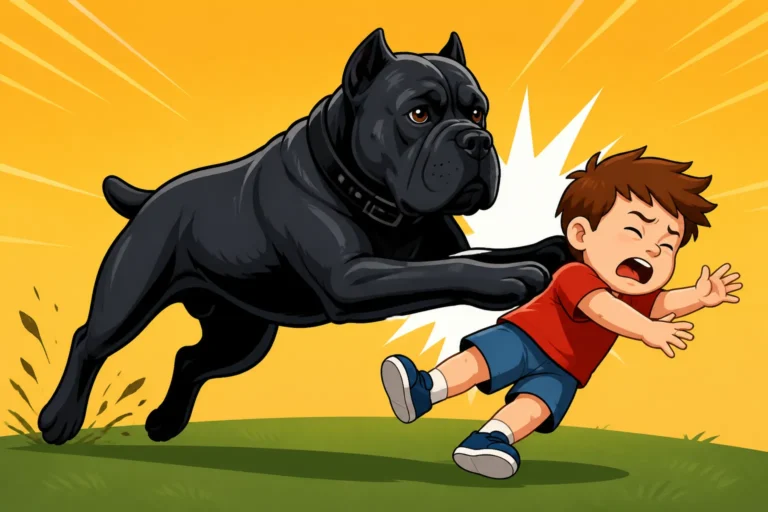
A Cane Corso's hard stare is frequently triggered by specific environmental factors or situations that activate their guarding instincts. The most common scenario is when a stranger approaches their perceived territory – your home, your car, or even your personal space. A delivery driver, a new guest, or even someone walking too close to your child at the park can elicit this intense gaze. For a Cane Corso, these situations aren't always neutral; they're potential breaches of security.
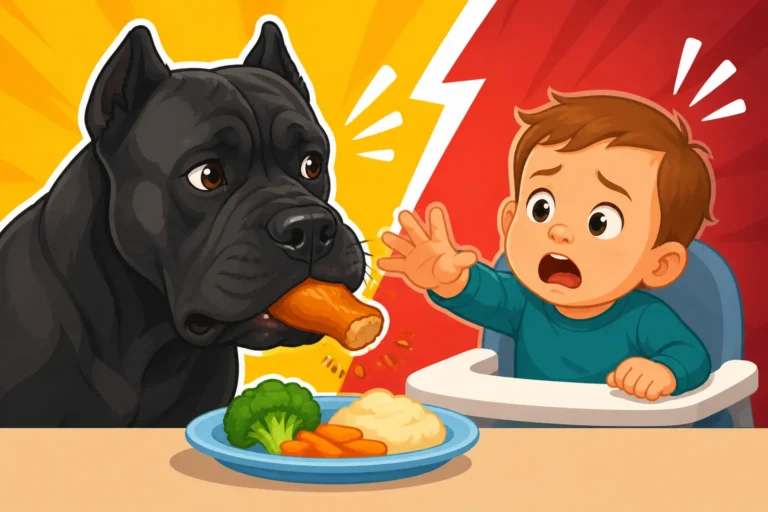
Resource guarding can also manifest with a hard stare. If your Cane Corso is staring intently at you while they have a high-value chew, their food bowl, or a favorite toy, it's a warning to back off. They're communicating that they perceive you (or another dog or person) as a threat to their possession. Whether a Cane Corso Can Be Taught Not to Guard is a complex question, and it often involves understanding these subtle warnings and working to modify the underlying behavior, not just the stare itself. Recognizing these triggers early allows you to manage the situation and train your dog to respond more appropriately. For instance, if your dog tends to give a hard stare when the doorbell rings, you can begin working on Teaching a Cane Corso to Ignore the Doorbell through specific training protocols.
Responding to the Gaze: Training and Management
When you observe your Cane Corso giving a hard stare, whether it’s a mere observation or a warning, your response is critical. The goal is always to reinforce appropriate behavior and redirect potentially problematic instincts, ensuring your dog remains a safe and well-adjusted member of society.
Proactive Training and Management Strategies
The foundation for managing a Cane Corso's intense gaze lies in consistent, positive training from puppyhood. You need to establish yourself as a confident and reliable leader, one who handles situations so your Cane Corso doesn't feel the need to take matters into their own paws. This involves teaching strong obedience commands, focusing on impulse control, and engaging in consistent socialization. Online training programs, like those offered by BAXTER & Bella, can be incredibly helpful for new owners, providing structured lessons and support to build a strong foundation. They cover everything from basic manners to more advanced control, which is essential for a powerful breed.
Teaching your Cane Corso a solid "place" command is invaluable. The Place Command That Saves a Cane Corso Household allows you to send your dog to a designated spot (like a dog bed or mat) and have them remain there calmly, even when guests arrive or there's activity that might otherwise trigger their intense gaze. This creates a safe, predictable routine for them and prevents them from feeling they need to "guard" the entryway. Regular practice with these commands, in various environments and with increasing distractions, builds confidence in both you and your dog.
Safely De-escalating a Staring Situation
If your Cane Corso is giving a hard stare that indicates discomfort or a warning, your immediate priority is to de-escalate the situation without confrontation. Directly challenging a staring Cane Corso, especially one with tense body language, can be dangerous. Instead, remain calm and create distance if possible. If the stare is directed at a person, calmly move yourself or the dog away from the trigger. Avoid eye contact with your dog during this time, as direct eye contact can be perceived as a challenge.
Sometimes, a simple "leave it" or a gentle redirect with a favorite toy can break their focus. If the stare is at an object or resource, guide your dog away from it or block their access, then offer an alternative reward in a different location. Tools like a long line can be a godsend for managing a Cane Corso's attention in public. You can find sturdy, reliable long lines on Amazon that allow your dog to explore safely while you maintain control and can gently guide their focus away from triggers. Muzzle training, started early and positively, is also a responsible management tool for any guardian breed, ensuring safety in situations where a hard stare might lead to further escalation. Why Every Cane Corso Should Be Muzzle Trained Early is an essential read for responsible owners.
Seeking Professional Help
There are times when even the most dedicated owners need to call in the experts. If your Cane Corso's hard stares are frequent, intense, or accompanied by aggressive behaviors (like growling, lunging, or snapping), it's time to seek a certified professional dog behaviorist or a trainer specializing in guardian breeds. Don't wait until an incident occurs. A professional can help identify the root cause of the behavior – whether it’s fear, anxiety, lack of appropriate socialization, or simply an overzealous guardian instinct that needs channeling.
They can design a tailored training plan that addresses your dog's specific needs and teaches you the skills to communicate effectively. This isn't about "fixing" your dog but about understanding them better and giving them the tools to navigate the world calmly. Remember, working with a powerful breed like a Cane Corso is a serious undertaking, and getting guidance from What to Look For in a Cane Corso Trainer can make all the difference in building a happy, balanced relationship.
Preventing the Problem: Foundation and Ongoing Work
The best way to manage a Cane Corso’s hard stare is to prevent it from becoming a problem in the first place. This involves laying a strong foundation during puppyhood and continuing consistent work throughout their lives. It’s an investment of time and effort, but the payoff is a well-adjusted, confident companion.
Early Socialization and Exposure
Socialization is arguably the most critical component in raising a balanced Cane Corso. It's not just about letting your puppy meet other dogs; it's about positive exposure to a vast array of sights, sounds, people, textures, and environments during their critical developmental window. The Socialization Window a Cane Corso Puppy Gets is short but incredibly impactful. Take your puppy to different places – safe, clean parks (before their full vaccination schedule, carry them!), hardware stores, pet-friendly cafes, and bustling street corners. Let them observe the world from a distance, rewarding calm curiosity rather than forced greetings.
Introduce them to people of all ages, sizes, and appearances, always ensuring these interactions are positive and low-pressure. You want your Cane Corso to learn that new experiences and strangers are generally neutral or even pleasant, rather than something to be viewed with suspicion. Without proper socialization, a Cane Corso can become fearful or overly protective, leading to hard stares and reactive behaviors in unfamiliar situations. This is why The Socialization a Cane Corso Missed and What It Costs can be such a significant challenge to overcome later on.
Consistent Leadership and Boundaries
A Cane Corso thrives on structure and clear expectations. They are intelligent and strong-willed, and they need a handler who is equally strong-willed, consistent, and fair. You are their leader, and your calm, confident guidance provides them with security. This doesn't mean being harsh or using dominance theory; it means setting clear rules, enforcing them consistently, and rewarding desired behaviors. For example, teaching them to wait at the door, to stay on their "place" when guests arrive, or to walk politely on a leash all contribute to this sense of order.
Every single day, your Cane Corso needs The Structure a Cane Corso Needs Every Single Day. This involves regular routines for feeding, exercise, training, and rest. When they know what to expect and what is expected of them, they are less likely to feel the need to make decisions about potential threats on their own. If they trust you to handle situations, they can relax and simply observe, rather than feeling the pressure to be constantly "on guard." This consistency helps them understand their role in the household and reduces the anxiety that often underlies problematic hard stares.
Comparing Stares: Observation vs. Warning
Understanding the subtle differences in your Cane Corso's gaze is paramount for effective communication and training. Here's a quick guide to help you differentiate:
| Feature | Observational Stare | Warning Stare |
|---|---|---|
| Eye Focus | Generally relaxed, soft gaze, may blink normally. | Unblinking, hard, piercing focus, often narrowed eyes. |
| Body Posture | Relaxed, loose, weight evenly distributed, perhaps a soft lean. | Stiff, rigid, often leaning forward slightly, low to the ground. |
| Ear Position | Relaxed, natural position, or slightly forward with curiosity. | Pricked forward with tension, or tightly pinned back. |
| Mouth/Jaw | Soft, slightly open, perhaps panting or licking lips. | Closed tight, tense, possible lip curl, visible teeth. |
| Tail Position | Relaxed, low wag or still, natural carriage. | Stiff, held high or low, minimal to no wag, or a very stiff, fast wag. |
| Hackles | Flat against the body. | Raised (piloerection) along the spine/shoulders. |
| Sounds | Silent, or a soft sigh, whimper of anticipation. | Low growl, rumble, snarl. |
| Context | Owner preparing food, new interesting object, general curiosity. | Stranger approaching, perceived threat to resources or family. |
Disclaimer
This article is for general informational purposes only and does not constitute professional advice. Laws, prices and regulations vary by location and change over time. Consult a qualified professional for guidance on your specific situation.