Whether an Old Cane Corso Should Go Under Anesthesia
The decision of whether to put an old Cane Corso under anesthesia is one of the most agonizing dilemmas a devoted owner can face. The worry about waking up, the fear of complications, and the sheer love for your aging companion can make this choice feel overwhelming. This guide aims to demystify the process, explain the inherent risks for senior Cane Corsos, and outline the meticulous steps veterinarians take to ensure their safety, helping you make an informed decision for your beloved giant.
The Unique Challenges of Anesthesia in Senior Cane Corsos
When your Cane Corso reaches its golden years, typically after the age of seven or eight, their body undergoes a host of subtle, and sometimes not-so-subtle, changes. These physiological shifts can significantly alter how they react to anesthetic drugs and influence their recovery. It's not about being "too old," but about understanding how age impacts their internal systems. Many owners wonder about The Age a Cane Corso Is Counted as Old and what implications that has for their overall care.
Age-Related Physiological Changes
As a Cane Corso ages, organ function naturally begins to decline, even in seemingly healthy individuals. The heart, liver, and kidneys, which are crucial for processing and eliminating anesthetic medications, may not be as efficient as they once were. This means drugs can stay in their system longer, leading to prolonged sedation or increased risk of adverse reactions.
For instance, the liver, responsible for metabolizing many anesthetic agents, might show reduced enzyme activity. Similarly, the kidneys, which excrete these metabolites, might have decreased filtration rates. This can lead to a buildup of drugs, causing deeper and longer-lasting anesthesia than intended. We also often see What Starts Failing in a Cane Corso After Eight, including subtle cardiac changes that might not be apparent during a routine check-up but become significant under anesthetic stress. Cardiac output can be less robust, and some older dogs might have undiagnosed heart murmurs or early-stage heart disease. The respiratory system can also be affected, with reduced lung capacity or pre-existing conditions like bronchitis making oxygenation during anesthesia more challenging. These factors necessitate a much more cautious and personalized approach to anesthesia for senior dogs, especially a large, deep-chested breed like the Cane Corso.
Pre-Anesthetic Screening Becomes Paramount
Given these inherent risks, extensive pre-anesthetic screening isnof an optional extra for an older Cane Corso—it's an absolute necessity. This comprehensive workup allows your veterinary team to gain a complete picture of your dog's internal health, identify any underlying issues, and tailor an anesthetic protocol that is as safe as possible. Think of it as mapping out the safest route before embarking on a journey.
This screening typically includes a full complete blood count (CBC) to check for anemia, infection, or issues with clotting, and a comprehensive blood chemistry panel to assess organ function, particularly liver and kidney values, glucose levels, and electrolytes. A urinalysis is often performed to further evaluate kidney function and check for urinary tract infections. Additionally, for senior large breed dogs, chest X-rays are crucial to evaluate heart size and lung health, looking for any signs of disease that could compromise breathing or circulation under anesthesia. An electrocardiogram (ECG) might be recommended to detect any arrhythmias or abnormalities in heart rhythm. In some cases, especially if a murmur is detected or heart disease is suspected, an echocardiogram (an ultrasound of the heart) may be advised to get a detailed assessment of cardiac structure and function. This depth of investigation, as part of their Yearly Bloodwork on an Adult Cane Corso, is vital. These tests allow the vet to choose appropriate anesthetic drugs and dosages, devise a fluid therapy plan, and prepare for any potential complications. For example, if bloodwork shows elevated kidney enzymes, the vet might choose drugs that are primarily metabolized by the liver, or adjust fluid rates to support kidney function throughout the procedure.
Mitigating Risks: A Detailed Approach to Senior Anesthesia
Once the pre-anesthetic screening is complete, and a decision has been made to proceed, the focus shifts to meticulous planning and execution of the anesthetic event itself. The goal is always to minimize stress on the aging body while achieving the necessary level of sedation or unconsciousness for the procedure.
Tailored Anesthetic Protocols and Drug Choices
There's no one-size-fits-all anesthetic protocol, especially for senior Cane Corsos. A skilled veterinary team will use the information gathered from the pre-anesthetic tests to create a highly individualized plan. This often means opting for a multi-modal approach, using smaller doses of several drugs rather than a large dose of one, to achieve the desired effect with fewer side effects.
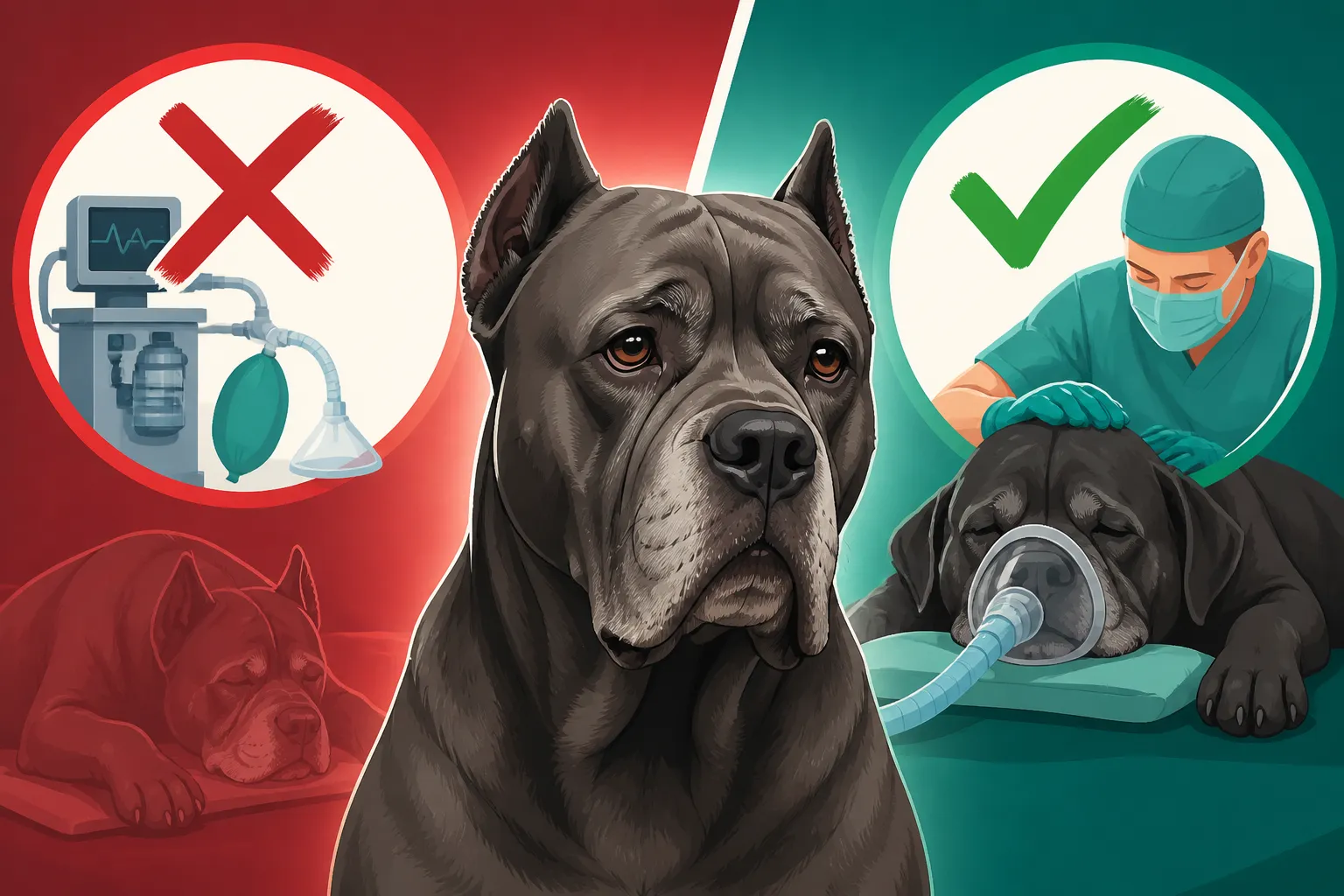
For example, they might choose shorter-acting anesthetic agents that allow for quicker wake-up times and minimize prolonged exposure to the drugs. Many modern anesthetic drugs have reversal agents available, which can be administered if needed, further enhancing safety. Propofol, isoflurane, and sevoflurane are commonly used as they allow for rapid induction and recovery, and their depth can be easily controlled. Certain sedatives, like acepromazine, might be used with extreme caution or avoided entirely in older dogs due to their potential for prolonged hypotension (low blood pressure) and lack of reversibility. Instead, reversible sedatives like dexmedetomidine, often partially reversed before recovery to minimize lingering sedation, might be preferred. Opioids are frequently included for pain management and to reduce the amount of other anesthetic drugs needed. The specific combination and dosage are carefully calculated based on your Cane Corso's weight, age, and individual health status, taking into account things like potential Anesthesia Risk in a Deep Chested Cane Corso.
Advanced Monitoring and Support During Procedures
During the actual procedure, continuous, vigilant monitoring is critical, perhaps even more so for a senior Cane Corso than a younger dog. This isn't just someone casually checking on them; it involves sophisticated equipment and dedicated personnel focused solely on your dog's vital signs.
Your Cane Corso will be placed on continuous monitoring equipment, which includes an ECG to track heart rhythm, a pulse oximeter to measure oxygen saturation in the blood, and a capnograph to monitor carbon dioxide levels in exhaled breath, providing insight into respiratory function and circulation. Blood pressure monitors are essential to ensure adequate blood flow to vital organs, and warming blankets or forced-air warming systems (like Bair Huggers) are used to maintain core body temperature, as hypothermia can prolong recovery and increase complications. Intravenous (IV) fluids are almost always administered throughout the procedure to support blood pressure, maintain hydration, and help flush drugs through the system, particularly important for aging kidneys. A dedicated veterinary technician or assistant will be assigned to monitor these parameters continuously, making immediate adjustments to anesthetic depth, fluid rates, or warming as needed, under the supervision of the veterinarian. This round-the-clock attention provides the best chance for a smooth and safe procedure.
Extended Recovery and Post-Operative Care
The anesthetic journey doesn't end when the procedure is over. For an old Cane Corso, the recovery period is just as crucial, and often requires more time and careful attention than for younger dogs. Their systems simply take longer to process the drugs and fully wake up.
Post-operative care for a senior Cane Corso will involve continued monitoring in a quiet, warm, and comfortable environment. They may remain groggy and disoriented for a longer period. Pain management is paramount, typically involving a combination of injectable and oral medications to keep them comfortable as they recover. Your vet will ensure they receive appropriate pain relief before, during, and after the procedure. Nutritional support, including palatable foods and ensuring adequate hydration, is also important. It's not uncommon for older dogs to have a reduced appetite after anesthesia. They will be closely observed for any signs of complications, such as prolonged sedation, vomiting, or difficulty breathing. Your veterinary team will also provide detailed instructions for at-home care, including medication schedules, wound care, activity restrictions, and signs to watch for that might indicate a problem. They understand that while a young dog might bounce back quickly, a senior Cane Corso needs gentle, patient, and extended care to get back on their feet.
Deciding When Anesthesia is Justified for Your Old Cane Corso
Making the choice to anesthetize an aging Cane Corso is never easy. It requires a careful balancing act between the known risks and the potential benefits, always with your dog's quality of life at the forefront.
Weighing the Benefits Against the Risks
This is the core of the decision-making process. For many owners, the fear of anesthesia for an old dog means they might delay or avoid necessary procedures, sometimes to their dog's detriment. It's crucial to have an open and honest conversation with your veterinarian about the specific procedure, its necessity, and the potential outcomes.
If the procedure is life-saving, such as emergency surgery for Bloat and What a Cane Corso's Deep Chest Costs, a common and deadly condition in the breed, the decision becomes much clearer. The risks of not performing the surgery far outweigh the anesthetic risks. Similarly, addressing severe dental disease that causes chronic pain and infection often falls into the necessary category. Untreated dental issues can lead to systemic infections, impact heart health, and severely diminish a dog's quality of life, even if they're old. Removing a rapidly growing tumor that is causing discomfort or is likely to metastasize for a good prognosis is another strong justification. However, for purely elective cosmetic procedures that offer no health benefit, the risks of anesthesia for an older dog generally tip the scales against it. It’s about assessing whether the procedure will genuinely improve your Cane Corso’s comfort, health, or longevity significantly enough to warrant the inherent risks. When considering a quality of life, you also want to think about Knowing When a Cane Corso Has Had Enough as a part of the bigger picture.
Alternative Treatments and Non-Surgical Options
Sometimes, there are viable alternatives that can delay or even entirely avoid the need for anesthesia. Exploring these options with your vet is an important part of making an informed decision for your senior Cane Corso.
For chronic pain conditions like arthritis, for example, a multi-modal approach involving pain medications (NSAIDs, gabapentin), joint supplements (glucosamine, chondroitin, fish oil), physical therapy, acupuncture, or even laser therapy can significantly improve comfort without surgery. This can often help with Managing Arthritis in a Hundred Pound Cane Corso. Dietary changes, weight management, and environmental modifications (like ramps or orthopedic beds) can also make a huge difference. If your Cane Corso has a lump, for instance, sometimes a fine needle aspirate (FNA) can be performed without sedation to determine if it's benign or malignant, avoiding a full surgical biopsy under anesthesia. For some conditions, palliative care, focused on managing symptoms and maintaining comfort, might be the most humane choice, especially if the prognosis for surgical intervention is poor or the risks are exceptionally high. Your vet can discuss all these possibilities, helping you weigh their effectiveness and impact on your dog's overall well-being.
The Importance of a Strong Vet-Owner Partnership
Navigating the complexities of senior pet care, especially when anesthesia is on the table, underscores the critical importance of a trusting and open relationship with your veterinary team. They are your most valuable resource in making these tough choices.
Don't hesitate to ask questions, voice your concerns, and seek clarification on anything you don't understand. A good veterinarian will patiently explain the risks, benefits, and alternatives, empowering you to make the best decision for your specific Cane Corso. If you have any doubts, a second opinion from another trusted veterinarian or a specialist, particularly a veterinary internist or anesthesiologist, can provide additional perspective and peace of mind. Discussing your Cane Corso's overall quality of life, their current energy levels, appetite, and comfort is crucial. Sometimes, the most loving decision involves saying goodbye, but other times, it's about pursuing a procedure that will grant them more comfortable, happy years. Resources like Healthy Paws or other pet insurance providers can offer peace of mind by helping to cover the costs of extensive diagnostics, specialist consultations, and advanced monitoring, ensuring you don't have to compromise on the best care due to financial concerns. This partnership ensures that every decision is made with compassion, knowledge, and a deep understanding of what's best for your individual companion.
Pre-Anesthetic Checklist and Purpose for a Senior Cane Corso
| Test/Action | Purpose for Senior Cane Corso |
|---|---|
| Complete Blood Count (CBC) | Screens for anemia, infection, inflammation, and platelet count (clotting ability). |
| Blood Chemistry Panel | Assesses liver and kidney function (drug metabolism/excretion), blood sugar, and electrolyte balance. |
| Urinalysis | Provides further insight into kidney function and screens for urinary tract infections or protein loss. |
| Chest X-rays (Radiographs) | Evaluates heart size, lung health, and screens for fluid in lungs or potential tumors. |
| Electrocardiogram (ECG) | Checks heart rhythm for arrhythmias, especially important given The Heart Muscle Disease Behind a Cane Corso's Cardiac Test common in the breed. |
| Echocardiogram (Cardiac Ultrasound) | Recommended if heart murmur or abnormal ECG, for detailed assessment of heart structure and function. |
| Blood Pressure Measurement | Identifies hypertension or hypotension, vital for maintaining organ perfusion during anesthesia. |
| Thyroid Panel | Screens for hypothyroidism, which can affect metabolism and cardiac function, leading to slower recovery. |
| IV Catheter Placement & Fluids | Provides venous access for medications, maintains hydration, and supports blood pressure during the procedure. |
| Dedicated Monitoring | Ensures continuous tracking of heart rate, oxygen levels, blood pressure, and temperature. |
| Warming Support | Prevents hypothermia, which can prolong recovery and stress the cardiovascular system. |
| Tailored Drug Protocol | Utilizes shorter-acting, reversible drugs at reduced doses to minimize stress on aging organs. |
Disclaimer
The information provided in this guide is for informational purposes only and does not constitute veterinary medical advice. Always consult with a qualified veterinarian for any health concerns or before making any decisions about your Cane Corso's care, especially concerning anesthesia. Individual outcomes can vary, and your vet is the best resource for personalized recommendations.