What Senior Bloodwork Shows on a Cane Corso
Watching your magnificent Cane Corso transition into their senior years brings a unique mix of joy and concern. You cherish every moment, but the worry about their health, especially unseen issues, can be really heavy. It’s natural to feel anxious when your vet recommends senior bloodwork, wondering exactly what it might reveal and what it means for your beloved companion. This guide is here to demystify that process, explaining what those crucial blood tests show and how they help us understand and support our aging giants.
Why Senior Bloodwork Isn't Just "Routine" for a Cane Corso
For a breed as robust and powerful as the Cane Corso, the signs of aging can sometimes be subtle, even when significant internal changes are occurring. When your vet recommends senior bloodwork, it’s not just a standard checkbox; it's a vital diagnostic tool tailored to the unique physiological demands of a large, deep-chested dog. We’re looking beyond the surface, trying to catch potential issues early, which is absolutely critical for these magnificent animals.
Understanding the Shift in Needs for an Aging Giant
Think about it: a Cane Corso isn't just a big dog; they're an athletic, muscular powerhouse. Their bodies have worked incredibly hard for years, carrying significant weight and engaging in protective duties or just enthusiastic play. As they age, typically starting around seven or eight years old – which is when a Cane Corso is counted as old – their internal organs begin to show the wear and tear. Their metabolism shifts, their immune system might not be as sharp, and their body's ability to repair itself slows down. This means that issues like kidney disease, liver dysfunction, or even certain cancers can progress silently for a long time before external symptoms become obvious. Standard senior bloodwork aims to peek behind that curtain, giving us a heads-up on potential health challenges before they become crises. This proactive approach can genuinely add quality time to your Cane Corso's life. It's about recognizing that What Changes in a Cane Corso After Its Eighth Birthday goes beyond just graying muzzles and slower walks; it's a whole systemic shift.
The Baseline: What 'Normal' Looked Like in Their Younger Years
One of the most valuable aspects of senior bloodwork, especially for a Cane Corso, comes from having a history. If you've been diligent about yearly check-ups, your vet likely has a baseline of bloodwork from when your Corso was in their prime. Comparing current senior panels to those earlier results is incredibly insightful. What might be considered "within normal range" for a younger dog could actually be a significant change for your older Cane Corso, signaling an emerging problem. For instance, a kidney value that's still technically "normal" but has steadily crept up over two years could indicate very early kidney stress, allowing you to intervene with dietary changes or supplements long before the kidneys are significantly compromised. Without that historical data, it's like trying to navigate without a map; you see the current landscape but have no idea how much it has shifted. This is why consistent veterinary care throughout their life, even for seemingly healthy dogs, is paramount.
Key Indicators in Senior Bloodwork and What They Mean
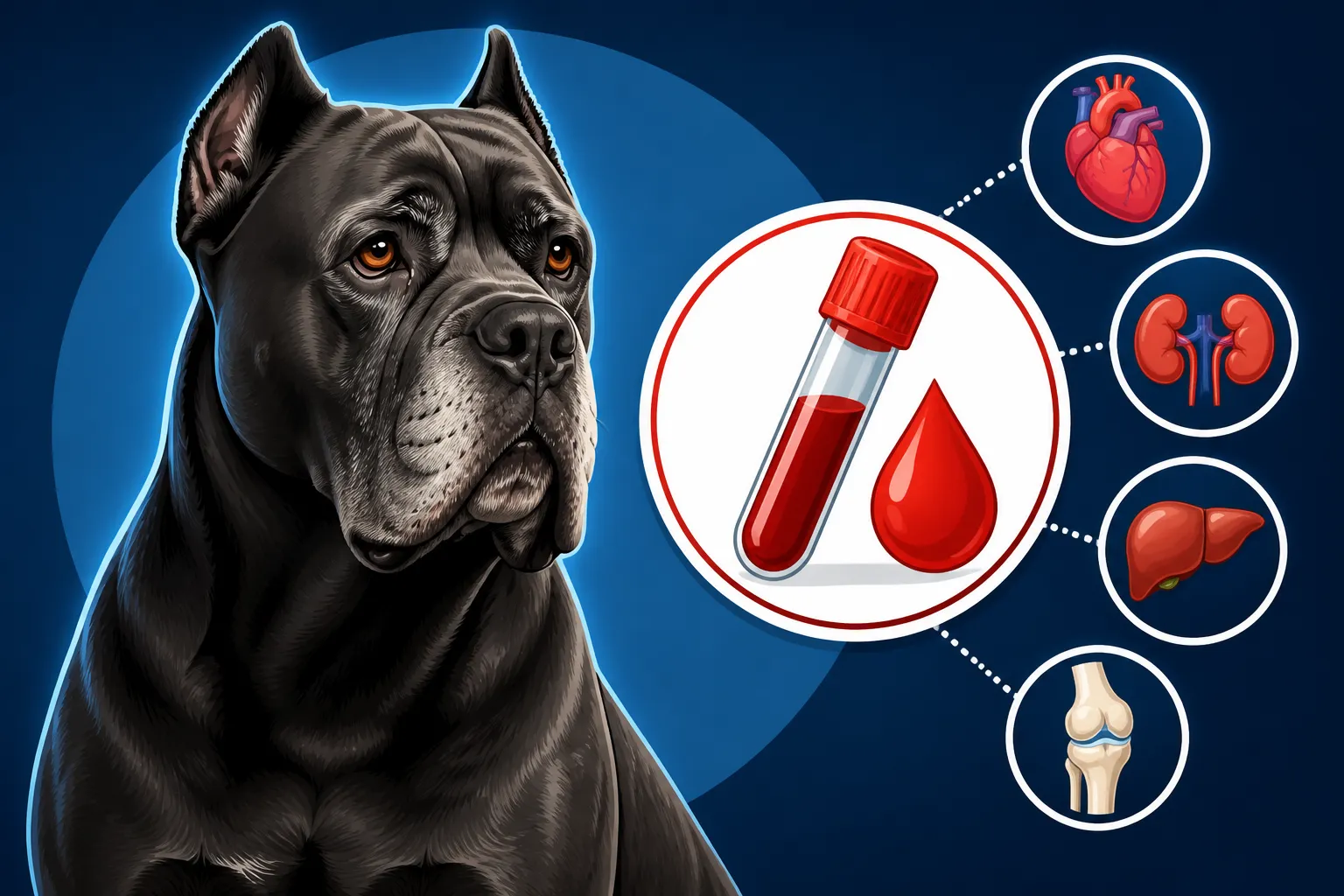
Senior bloodwork is typically divided into two main components: a Complete Blood Count (CBC) and a Chemistry Panel. Sometimes a thyroid panel is added, and it's particularly important for larger breeds like the Cane Corso. Each of these components gives us a puzzle piece to complete the picture of your dog's internal health.
Unpacking the Complete Blood Count (CBC)
The CBC looks at the different components of your Cane Corso's blood cells – red blood cells, white blood cells, and platelets. It's a snapshot of their immune system, oxygen-carrying capacity, and clotting ability.
- Red Blood Cells (RBCs) and Hemoglobin: These values tell us about anemia, which can be a sign of chronic disease, internal bleeding (common with certain tumors like those on the spleen), or nutritional deficiencies. A low count means less oxygen reaching tissues, leading to lethargy and weakness.
- White Blood Cells (WBCs): These are the immune system's soldiers. Elevated total WBCs or specific types like neutrophils often indicate infection or inflammation somewhere in the body. Conversely, very low counts could signal an immunocompromised state or certain bone marrow issues. For an aging Cane Corso, chronic inflammation from conditions like arthritis (which Whether a Cane Corso Benefits From Joint Supplements can help with) or even early stages of cancer can subtly alter these numbers.
- Platelets: These tiny cells are crucial for blood clotting. Low platelet counts (thrombocytopenia) can increase the risk of bleeding, which is critical if your senior Cane Corso needs surgery or has a hidden injury.
Decoding the Chemistry Panel (Organ Function)
The chemistry panel is arguably one of the most revealing parts of senior bloodwork, as it provides a comprehensive overview of how well your Cane Corso's major organs are functioning.
- Liver Enzymes (ALT, ALP, GGT): These enzymes are released into the bloodstream when liver cells are damaged. Elevated levels can point to liver disease, exposure to toxins, or even certain medications. However, ALP can also increase with Cushing's disease (an adrenal gland disorder) or simply with aging in some breeds, so context is always key. For a Cane Corso, liver issues can sometimes be linked to overall systemic health or secondary to other conditions.
- Kidney Values (BUN, Creatinine, SDMA): These values are absolutely critical for assessing kidney health. BUN (Blood Urea Nitrogen) and Creatinine typically rise when the kidneys aren't filtering waste products effectively. SDMA (Symmetric Dimethylarginine) is a newer, more sensitive marker that can detect kidney disease much earlier than BUN or Creatinine, sometimes months or even years before other signs appear. Catching kidney issues early allows for interventions like special diets, which can slow the progression of disease and improve your Cane Corso's quality of life.
- Glucose: High glucose levels are the hallmark of diabetes. While not as common in Cane Corsos as some other breeds, it's still a possibility, especially in overweight seniors. Low glucose can also be a concern, indicating other metabolic problems.
- Electrolytes (Sodium, Potassium, Chloride): These minerals are vital for nerve and muscle function, hydration, and maintaining acid-base balance. Imbalances can signal dehydration, kidney disease, Addison's disease, or even heart issues.
- Proteins (Albumin, Globulin): Albumin is a major protein produced by the liver, essential for maintaining fluid balance and transporting substances in the blood. Low albumin can indicate liver disease, kidney disease (protein loss through urine), or chronic inflammation. Globulins are involved in immune function. The ratio of albumin to globulin can sometimes provide clues about inflammatory or immune-mediated diseases.
Here's a quick look at some key bloodwork parameters for senior Cane Corsos:
| Parameter | What It Measures | Common Senior Cane Corso Concerns |
|---|---|---|
| Complete Blood Count (CBC) | ||
| Red Blood Cells (RBC) | Oxygen-carrying capacity, presence of anemia | Anemia (internal bleeding, chronic disease), certain cancers (Spleen Tumors in an Older Cane Corso) |
| White Blood Cells (WBC) | Immune response, infection, inflammation | Chronic infections, systemic inflammation (e.g., arthritis), some cancers |
| Platelets | Blood clotting ability | Bleeding disorders, certain immune conditions, some cancers |
| Chemistry Panel | ||
| ALT, ALP, GGT | Liver enzyme levels | Liver disease, drug side effects, metabolic disorders |
| BUN, Creatinine, SDMA | Kidney function, waste filtration | Kidney disease, dehydration |
| Glucose | Blood sugar levels | Diabetes, pancreatic issues |
| Electrolytes | Hydration, nerve/muscle function | Dehydration, kidney/heart issues, endocrine disorders |
| Albumin, Globulin | Protein levels | Liver/kidney disease, malnutrition, chronic inflammation, immune disorders |
| Thyroid Panel | ||
| T4, fT4, TSH | Thyroid hormone levels | Hypothyroidism |
Thyroid Hormones (T4)
Hypothyroidism, an underactive thyroid gland, is surprisingly common in large and giant breeds, including Cane Corsos, as they age. This condition can lead to a host of symptoms that are often mistaken for normal aging, such as lethargy, weight gain, a dull or sparse coat, and a decreased tolerance for cold. Blood tests for thyroid hormones, specifically T4, are vital. If your Cane Corso is showing signs of The Weight Gain That Points at a Cane Corso's Thyroid or just seems to be "slowing down" more than expected, a thyroid panel can confirm if Hypothyroidism in a Middle Aged Cane Corso is the culprit. The good news is that hypothyroidism is easily managed with daily medication, and catching it early can make a significant difference in their energy levels and overall well-being.
Beyond the Numbers: Interpreting Results and Taking Action
Getting the bloodwork results can be a stressful time, but remember that these numbers are just one piece of the puzzle. Your veterinarian will combine these results with their physical examination findings, your observations at home, and your Cane Corso's medical history to get the full picture.
When "Normal" Isn't Quite Right: Subtle Changes to Watch For
Sometimes, all the values on a senior blood panel might technically fall within the "normal" reference range, but your vet might still point out subtle trends. For example, if a liver enzyme has been at the lower end of normal for years and now sits at the higher end, even if still within range, that upward trend could be significant for your specific Cane Corso. This is where your vet's experience with the breed and with your individual dog truly shines. They understand that for a massive dog with a deep chest, even minor shifts can eventually lead to bigger problems down the line. It's not just about passing or failing a test; it’s about recognizing patterns and acting on early warning signs. This holistic approach is why relying on an experienced vet who knows your Cane Corso's history is so crucial. They can often spot an impending issue long before an emergency situation arises.
Proactive Steps Based on Senior Bloodwork Findings
Once the bloodwork has been thoroughly reviewed, your vet will recommend a course of action. This could range from simple lifestyle adjustments to specific medical interventions.
- Dietary Adjustments: If kidney values are starting to climb, a prescription kidney-support diet, which is typically lower in protein and phosphorus, might be recommended. For a Cane Corso with a predisposition to The Heart Muscle Disease Behind a Cane Corso's Cardiac Test, certain cardiac diets might be considered. Even minor changes in diet can have a profound impact on managing chronic conditions.
- Supplementation: Depending on what the bloodwork suggests, your vet might recommend specific supplements. This could include omega-3 fatty acids for joint health and inflammation, probiotics for gut health, or specific kidney support supplements. For joint health, which is a major concern for aging large breeds, Whether a Cane Corso Benefits From Joint Supplements is often a conversation worth having with your vet, especially if bloodwork indicates inflammation.
- Medication Management: If a condition like hypothyroidism is diagnosed, daily medication will be prescribed. For other issues, short-term medications might be used to address inflammation or infection. It’s important to stick to the prescribed regimen and communicate any side effects or changes to your vet.
- Follow-up Testing: Often, senior bloodwork isn't a one-and-done deal. Your vet might recommend rechecking certain parameters in three to six months to monitor the effectiveness of any interventions or to track a specific trend. This ongoing monitoring is a testament to proactive care.
Planning for the Future: Financial and Emotional Considerations
Caring for an aging Cane Corso is a journey that requires not just medical attention but also financial and emotional preparation. Understanding what senior bloodwork shows is a big part of that.
Budgeting for Senior Care and Unexpected Diagnoses
The reality is that as our Cane Corsos age, their veterinary bills tend to increase. Diagnostic tests, specialized diets, medications, and potential surgeries for conditions like Bone Cancer in a Cane Corso's Front Leg or other age-related illnesses can quickly add up. This is a practical consideration for every owner. Having a dedicated savings fund or considering pet insurance earlier in your dog's life can provide a crucial safety net. Companies like Healthy Paws offer coverage for accidents and illnesses, which can be invaluable when facing significant medical costs for your aging giant. While they might not cover pre-existing conditions if you enroll later, for those unforeseen issues that bloodwork might uncover, having coverage can alleviate a huge financial burden. Planning ahead means you can make decisions based on what’s best for your Cane Corso, not just your wallet.
The Emotional Toll of an Aging Cane Corso
Beyond the financial aspects, there's the profound emotional journey of watching your powerful Cane Corso slow down. Receiving bloodwork results, even when they're mostly good, can be a stark reminder of their mortality. It's okay to feel sad, anxious, or even overwhelmed. Our dogs are family, and their aging process often mirrors our own fears about loved ones. Being informed about their health allows you to focus on maximizing their comfort and quality of life. This might involve looking into Orthopedic Beds Rated for a Cane Corso's Weight to ease joint pain, adjusting their exercise to more manageable walks, or even learning to interpret subtle signs like The Deafness That Creeps Up on an Old Cane Corso. Every day with them is a gift, and understanding their senior health helps us cherish those days even more, making informed choices every step of the way. When unexpected health challenges arise, knowing you have a plan, perhaps supported by a company like Healthy Paws, can make navigating tough decisions a little less daunting.
Disclaimer
This article is intended for informational purposes only and does not constitute professional veterinary advice. Always consult with a qualified veterinarian for any health concerns or before making any decisions about your Cane Corso's care.