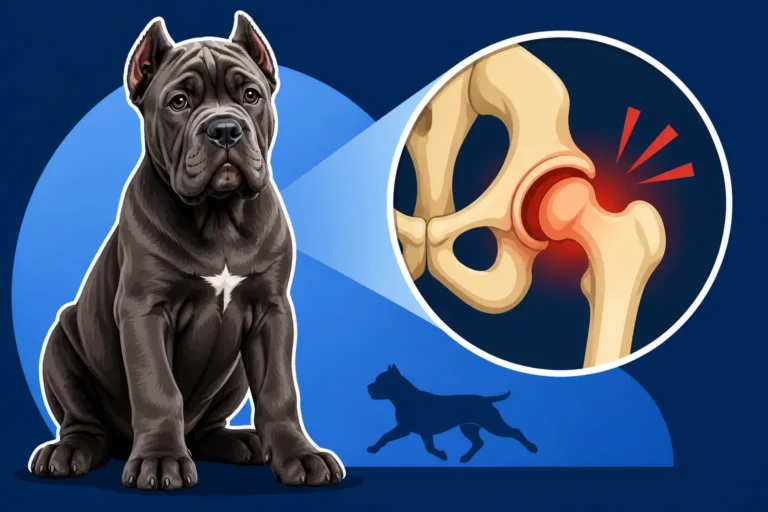
How Many Cane Corsos Make It to Twelve
It's a bittersweet truth that bringing a magnificent Cane Corso into your life often comes with the quiet ache of knowing their time with us can feel fleeting. These powerful, loyal guardians capture our hearts completely, and naturally, we want every single moment we can get with them. The question of how many truly make it to a grand old age, like twelve years, weighs on many owners' minds, hoping their beloved companion will be one of the lucky ones. This guide dives deep into the realities of Cane Corso longevity, what it takes for them to defy the odds, and how you can actively contribute to your dog potentially enjoying a longer, healthier life right by your side.
The Reality of Cane Corso Lifespan and the Twelve-Year Mark
When we welcome a Cane Corso into our homes, we dream of a long, full life with them. However, like many large and giant breeds, their lifespan tends to be shorter than their smaller counterparts. The average Cane Corso typically lives between 9 and 11 years. This range is already on the higher side compared to some other giant breeds, which can be a small comfort, but it still means that reaching the double-digit mark is considered a good run.
So, how many Cane Corsos truly make it to the age of twelve? The honest answer is that it's not a common occurrence, but it's far from impossible. While reliable statistics specifically tracking the percentage of Cane Corsos reaching exactly twelve years old are hard to pinpoint, anecdotal evidence from breeders and long-time owners, supported by general longevity studies, suggests that getting to twelve means your Cane Corso has significantly outlived the breed's median lifespan. For instance, the comprehensive The 9.3 Year Median From the Cane Corso Longevity Study indicated a median lifespan of 9.3 years. For a dog to live to twelve, they are living nearly three years beyond that median, which is a testament to excellent care, good genetics, and a fair bit of good fortune.
Reaching twelve years old for a Cane Corso signifies a truly senior dog, often displaying the typical signs of aging that come with such a large frame. These dogs become less agile, their senses might dull, and their energy levels will significantly decrease. Every extra year beyond the average is a gift, reflecting the dedication of their owners to provide optimal health and happiness throughout their lives. It means they've navigated puppyhood, adolescence, adulthood, and middle age, avoiding many of the pitfalls that can unfortunately shorten a Cane Corso's journey.
Critical Factors Influencing a Cane Corso's Longevity
Extending a Cane Corso's life, especially aiming for that impressive twelve-year milestone, isn't about one magic bullet. It's a holistic approach that starts even before you bring your puppy home and continues every single day of their lives. These majestic dogs thrive when their foundational needs—genetics, nutrition, exercise, and consistent veterinary care—are met with unwavering commitment.
The Foundation of Good Genetics and Responsible Breeding
The single most impactful factor in a Cane Corso's potential longevity often comes down to their genetic blueprint. A puppy from a responsible breeder is already ahead of the game. These breeders meticulously health test their breeding stock for common hereditary issues that plague the breed. This includes screening for hip and elbow dysplasia, cardiac abnormalities, and specific genetic diseases. Without these foundational health clearances, you're essentially rolling the dice, and the odds of encountering a debilitating genetic condition that could significantly shorten your dog's life increase dramatically.
For example, reputable breeders will have certifications from organizations like the Orthopedic Foundation for Animals (OFA) for hips and elbows. They'll also perform cardiac exams, looking for signs of dilated cardiomyopathy, a serious heart condition that can strike these dogs. Furthermore, DNA testing for conditions like neuronal ceroid lipofuscinosis (NCL) and degenerative myelopathy (DM) is crucial. Understanding The Two DNA Diseases in Cane Corso Pedigrees can save a lot of heartache and medical bills down the road. A breeder who can show you generations of healthy, long-lived dogs in their lines provides the best possible start for your Cane Corso, setting them up with the genetic predisposition for a longer, healthier existence.
Optimal Nutrition and Diligent Weight Management
What you put into your Cane Corso's bowl plays a monumental role in their long-term health. These are giant breed dogs, and their nutritional needs are unique, especially during their rapid growth phases. Feeding a high-quality, large-breed specific food is paramount, particularly for puppies, to ensure slow, steady growth rather than explosive gains that can damage developing joints. Over-supplementing calcium, for instance, can be detrimental to a growing Cane Corso puppy's skeletal development. Transitioning a Cane Corso from puppy food to adult formula at the right time is also key to prevent excessive growth.
As your Cane Corso matures, maintaining a lean body condition is one of the most proactive steps you can take to extend their life. Extra weight puts immense strain on their joints, spine, and internal organs, exacerbating conditions like hip and elbow dysplasia and increasing the risk of cardiac issues and diabetes. It's truly a silent killer for large breeds. A healthy Cane Corso should have easily palpable ribs with a thin layer of fat covering them, a visible waist when viewed from above, and an abdominal tuck when viewed from the side. Keeping Why a Lean Cane Corso Keeps Its Hips Longer cannot be stressed enough; it can genuinely add years to their mobile, comfortable life and reduce the severity of age-related arthritis. Regularly assessing their body condition score and adjusting their food intake and exercise accordingly is a non-negotiable part of responsible ownership.
Appropriate Exercise and Joint Health Maintenance
Cane Corsos are powerful, athletic dogs, but their exercise needs must be managed carefully, especially in puppyhood. Over-exercising a growing Cane Corso puppy can cause irreversible damage to their developing joints, contributing to orthopedic problems later in life. Controlled exercise, like short walks and supervised play, is essential for puppies. As they mature, consistent, moderate exercise—think long walks, structured play, and mental enrichment activities—is vital for maintaining muscle mass, a healthy weight, and overall cardiovascular health. How Far an Old Cane Corso Should Still Walk is a question that depends on their lifetime of joint care.
Beyond proper exercise, proactive joint health maintenance can make a significant difference. Many owners start their Cane Corsos on joint supplements like glucosamine and chondroitin early on, often by two years of age, or even earlier if recommended by their vet. Fish oil, rich in omega-3 fatty acids, is another popular supplement that supports joint health and reduces inflammation. Whether a Cane Corso Benefits From Joint Supplements is a common question, and for a breed prone to joint issues, the answer is often a resounding yes. Additionally, providing soft, orthopedic bedding, avoiding excessive jumping, and ensuring safe entry and exit from vehicles can all reduce wear and tear on their large frames.
Consistent Preventative Veterinary Care
Regular veterinary check-ups are not just for when your Cane Corso is sick; they are the cornerstone of preventative health care. Annual wellness exams allow your vet to catch potential issues early, often before they become major problems. This includes routine vaccinations, parasite prevention (heartworm, flea, and tick), and comprehensive bloodwork, especially as your dog enters middle age. Early detection of conditions like hypothyroidism, kidney disease, or even certain cancers can significantly improve outcomes and extend quality of life.
Your vet can also offer personalized advice on diet, exercise, and any specific predispositions your Cane Corso might have based on their lineage or lifestyle. They can guide you on the best time to consider prophylactic procedures, such as a gastropexy to prevent bloat. Consistent communication with your veterinarian and an proactive approach to your Cane Corso's health schedule are absolutely crucial for ensuring they have the best possible chance of a long, healthy life.
Major Health Challenges That Can Shorten a Cane Corso's Life
While genetics and daily care form the foundation for a long life, certain health conditions are particularly prevalent or dangerous for Cane Corsos, often cutting their lives tragically short. Being aware of these common challenges and understanding how to mitigate their risks is crucial for any Cane Corso owner hoping to see their dog reach old age.
Bloat (Gastric Dilatation-Volvulus)
Bloat, or Gastric Dilatation-Volvulus (GDV), is arguably one of the most terrifying and rapidly fatal conditions a deep-chested breed like the Cane Corso can face. In GDV, the stomach fills with gas and often twists, cutting off blood supply to the stomach and other organs. It's an emergency that requires immediate veterinary intervention, often surgery, and even then, the prognosis can be guarded. The agony of watching your dog suffer from bloat, knowing time is of the essence, is a profound fear for many Cane Corso owners.
Recognizing The First Sign a Cane Corso Is Bloating—restlessness, pacing, unproductive retching, a distended abdomen—can mean the difference between life and death. Many vets recommend a prophylactic gastropexy, a surgical procedure that tacks the stomach to the abdominal wall, preventing it from twisting. This can often be done concurrently with spay/neuter surgery. While a gastropexy doesn't prevent bloat (the stomach can still fill with gas), it drastically reduces the risk of the fatal twisting component. Given Bloat and What a Cane Corso's Deep Chest Costs in terms of lives, this preventative measure is widely considered by many to be a worthwhile investment.
Cancer
Cancer is a devastating reality for many large and giant breeds, and Cane Corsos are no exception. Unfortunately, it's a leading cause of death in older dogs. Common types of cancer seen in Cane Corsos include osteosarcoma (bone cancer), hemangiosarcoma (a cancer of the blood vessel lining, often affecting the spleen or heart), and lymphoma. The insidious nature of cancer means it can often be advanced before symptoms become obvious, making early detection difficult but critical.
Regular veterinary check-ups, which include thorough physical examinations, can sometimes catch early signs like unusual lumps (see The Lump That Appears Under a Cane Corso's Skin) or changes in gait. Being vigilant about any unexplained lameness, weight loss, lethargy, or changes in appetite is paramount. While there's no way to completely prevent cancer, a healthy lifestyle, good nutrition, and prompt veterinary attention for any suspicious symptoms offer the best chance for early diagnosis and potential treatment, which can include surgery, chemotherapy, or radiation.
Cardiac Issues
Heart disease, particularly dilated cardiomyopathy (DCM), is another concern for Cane Corsos. DCM is a condition where the heart muscle becomes thin and weak, leading to an enlarged heart that struggles to pump blood effectively. This can lead to congestive heart failure. Early signs might be subtle, such as reduced exercise tolerance, coughing, or difficulty breathing, but many dogs show no symptoms until the disease is quite advanced.
Routine cardiac screenings, especially for breeding dogs, can help identify affected individuals and remove them from the breeding pool. For pet owners, regular vet check-ups should include listening to the heart for murmurs or arrhythmias. If a murmur is detected or if there are other signs of cardiac concern, your vet may recommend further diagnostics like an echocardiogram. Understanding The Heart Muscle Disease Behind a Cane Corso's Cardiac Test is vital, as early diagnosis allows for medical management that can slow the progression of the disease and improve quality of life, potentially adding valuable time.
Neurological Disorders
Epilepsy is a neurological disorder that can affect Cane Corsos, often manifesting with seizures. These seizures typically begin around two to three years of age, and it can be incredibly distressing for owners to witness. While epilepsy itself is often manageable with medication, severe or uncontrolled seizures can impact a dog's overall health and quality of life, and in rare, severe cases, can be life-threatening.
Learning about The Seizures That Start in a Cane Corso Around Two helps owners prepare and recognize the signs. Once diagnosed, consistent Daily Medication for a Cane Corso With Epilepsy is usually required to control the seizures. While managing epilepsy can be a lifelong commitment, with proper veterinary care and medication, many epileptic Cane Corsos can still live full, happy lives. However, any neurological issue, if left untreated or unmanaged, can reduce a dog's overall health and shorten their time with you.
Orthopedic Problems
Orthopedic issues like hip and elbow dysplasia are unfortunately common in Cane Corsos, especially if they come from untested lines or if their growth and exercise were not properly managed as puppies. These conditions, where the joints develop abnormally, can lead to chronic pain, arthritis, and significant mobility issues, impacting quality of life and potentially shortening lifespan if severe and unmanaged.
While responsible breeding is the first line of defense, proactive management through appropriate diet, exercise, and supplements can help. For dogs diagnosed with dysplasia, weight management, anti-inflammatory medications, physical therapy, and even surgical interventions (like hip replacement) can help manage the condition and maintain comfort. Being diligent about Managing Arthritis in a Hundred Pound Cane Corso is crucial to ensuring they remain mobile and pain-free into their senior years. Uncontrolled pain and immobility can lead to secondary health problems and severely diminish a dog's well-being, potentially prompting difficult decisions about their quality of life.
Practical Steps to Help Your Cane Corso Reach Twelve and Beyond
The desire to see our Cane Corsos thrive well into their senior years, ideally reaching the impressive age of twelve, is a shared aspiration among dedicated owners. Achieving this goal requires a proactive, holistic approach throughout their entire lives. It's about making informed choices, maintaining consistency, and adapting their care as they age.
Selecting a Reputable Breeder Who Prioritizes Longevity
The journey toward a long-lived Cane Corso truly begins before you even bring your puppy home. This means choosing a breeder who doesn't just produce beautiful dogs but actively prioritizes health and longevity in their breeding program. A reputable breeder will be transparent about the health clearances of both parent dogs, providing documentation for hips, elbows, heart, and genetic conditions like NCL and DM. They should also be able to share information about the lifespan of their dogs' ancestors and littermates. Don't be shy about asking specific questions about Reading a Cane Corso's DNA Results Before You Buy or examining What a Cane Corso CHIC Number Actually Certifies.
Beyond individual health tests, look for breeders who have a strong reputation and are actively involved in breed clubs. These breeders are invested in the future of the breed and are more likely to make ethical breeding decisions that contribute to healthier, longer-lived generations. While the initial investment for a puppy from such a breeder might be higher, it significantly reduces the likelihood of costly and heartbreaking health issues down the line, ultimately contributing to a greater chance of a long and healthy life for your Cane Corso.
A Lifelong Commitment to a Healthy Lifestyle
Once you bring your Cane Corso home, a lifelong commitment to a healthy lifestyle is paramount. This encompasses careful nutrition, consistent exercise, and thoughtful management of their environment. As discussed, a high-quality, large-breed specific diet, portion control to maintain a lean body condition, and appropriate supplements are fundamental. Their diet should be tailored to their age, activity level, and any specific health needs.
Exercise must be consistent but appropriate. For a growing puppy, this means avoiding forced, high-impact activities. For an adult, it's about regular walks, mentally stimulating games, and perhaps some light jogging, ensuring their powerful bodies remain conditioned without undue stress on their joints. As they age, exercise may need to be modified further to accommodate arthritis or other senior-related changes. Mental stimulation is equally vital, keeping their intelligent minds engaged through training, puzzle toys, and new experiences, which can contribute to overall well-being and a better quality of life.
Proactive Health Monitoring and Early Intervention
Becoming acutely attuned to your Cane Corso's normal behavior, appetite, energy levels, and bodily functions is a superpower for an owner. Any subtle change can be an early indicator of a developing health issue. Don't hesitate to contact your veterinarian if something seems "off," even if you can't quite pinpoint why. A seemingly minor change could be an early symptom of something more serious, and early intervention often leads to better outcomes.
This proactive approach includes all the routine veterinary care we've discussed: annual check-ups, necessary vaccinations, and parasite prevention. However, it also extends to specialized screenings as your Cane Corso ages. For instance, regular senior bloodwork, starting around age seven or eight (see What Changes in a Cane Corso After Its Eighth Birthday), can provide a baseline and detect early signs of organ dysfunction. Regular checks for lumps and bumps, dental care, and attention to their eyes and ears are also part of this vigilant monitoring.
Financial Planning for Senior Care
Let's be realistic: giving a Cane Corso the best chance at reaching twelve years old often comes with significant financial implications. The cost of preventative care, high-quality food, supplements, and potential treatments for age-related conditions can add up. It’s crucial for owners to plan for these expenses. This might involve setting up a dedicated savings fund for veterinary emergencies or investing in comprehensive pet insurance.
Many owners find a good pet insurance policy, like those offered by Healthy Paws, to be invaluable for managing the unpredictable costs of senior care or sudden illnesses. Policies from reputable providers such as Healthy Paws can cover a substantial portion of veterinary bills for accidents, illnesses, and even some emergency surgeries. Considering The Surgeries Every Cane Corso Owner Should Budget For and unexpected health challenges, having a financial safety net can alleviate stress during difficult times and allow you to make medical decisions based on what's best for your dog, not just your wallet.
Here's a quick comparison of average costs for common health interventions that might be needed over a Cane Corso's lifetime:
| Condition/Procedure | Estimated Average Cost (USD) | Notes |
|---|---|---|
| Routine Annual Exam | $100 – $300 | Includes physical, vaccinations, basic bloodwork. |
| Prophylactic Gastropexy | $400 – $1,500 | Often done with spay/neuter; prevents stomach twisting. |
| Bloat Emergency Surgery | $3,000 – $8,000+ | Life-saving, time-sensitive procedure. |
| Hip Dysplasia Surgery | $4,000 – $7,000+ per hip | Total Hip Replacement (THR) is costly but effective. |
| Seizure Medication (Monthly) | $50 – $200+ | Varies by medication, dosage, and dog's weight. |
| Cancer Treatment | $2,000 – $15,000+ | Highly variable depending on cancer type, stage, and treatment protocol. |
| Orthopedic Bed | $100 – $400+ | Essential for joint support, especially for large, aging dogs. |
| Pet Insurance (Monthly Premium) | $40 – $100+ | Varies by age, location, coverage level. |
Please note: These are estimated average costs and can vary widely based on your geographic location, veterinary clinic, severity of the condition, and individual dog needs.
Creating a Stress-Free and Enriching Environment
A dog's emotional and mental well-being are just as important as their physical health for a long, happy life. A Cane Corso thrives on routine, clear boundaries, and feeling like a valued member of the family. A stable, low-stress home environment can bolster their immune system and reduce the impact of stress-related health issues. Consistent training and socialization from a young age contribute to a well-adjusted dog who is less prone to anxiety or behavioral problems.
As they age, ensure their environment adapts to their changing needs. This might mean providing ramps for vehicles or beds if jumping becomes difficult, non-slip flooring, and easy access to their favorite resting spots. Continued gentle exercise, puzzle toys, and short training sessions keep their minds sharp. A Cane Corso who feels loved, secure, and mentally stimulated is a dog whose spirit remains vibrant, contributing immensely to their overall health and desire to stay with you for as long as possible.
Disclaimer
This article is intended for informational purposes only and does not constitute veterinary advice. Always consult with a qualified veterinarian for any health concerns or before making any decisions about your Cane Corso's care, diet, or treatment plans.