How Many Years a Cane Corso Owner Usually Gets
One of the most heart-wrenching realities of owning a magnificent Cane Corso is the nagging question of how much time you'll truly get with them. These incredible dogs become such an integral part of our lives, our families, and our homes, and the thought of their relatively shorter lifespans compared to smaller breeds can be a tough pill to swallow. This guide aims to prepare you, offering an honest look at a Cane Corso's typical lifespan and how you can work towards ensuring their years are as healthy and vibrant as possible.
The Reality of a Cane Corso's Lifespan
When you bring a Cane Corso into your home, you're signing up for a journey filled with loyalty, protection, and boundless love. But part of that journey, often unspoken, is coming to terms with the typical lifespan of a giant breed. It’s a common frustration for owners who feel these dogs are just hitting their stride mentally and physically when age-related issues begin to surface.
What the Statistics Show
Generally, a Cane Corso can be expected to live for about 9 to 12 years. This range is often cited across veterinary resources and breed-specific studies. For many, hearing that number can be a shock, especially if they're used to smaller dogs that might live into their mid-teens. It's a sobering statistic, but it's important to understand it's an average, not a hard deadline. Some Corsos, through exceptional care and a touch of luck, will certainly exceed this, while others, sadly, may fall short due to unforeseen circumstances or genetic predispositions. This average reflects a lot of factors, from genetics to the quality of daily care. For a deeper dive into the raw data, you might be interested in exploring articles like The 9.3 Year Median From the Cane Corso Longevity Study.
The median age of around nine years isn't just a random number; it's a reflection of various health challenges that disproportionately affect large and giant breeds. These dogs grow at an astonishing rate, putting immense strain on their developing bodies. Their sheer size means more wear and tear on joints, a higher metabolic load, and sometimes, a greater susceptibility to certain aggressive cancers. It’s a trade-off, perhaps, for their impressive stature and powerful build. Understanding this median helps set realistic expectations, but it absolutely doesn't mean we can't strive for the upper end of that range, or even beyond.
Why the Nine Year Mark Feels Short
For owners, reaching the nine-year mark with a Cane Corso often feels like they're just getting into their prime, especially from a behavioral and training perspective. These dogs mature slower than smaller breeds, with their full mental and emotional development often not completing until two or even three years of age. By the time they've truly settled into their adult personalities, honed their guarding instincts, and become the confident, calm companions we cherish, the clock on their physical health can already be ticking faster than we'd like.
This feeling of "too short" is deeply personal for every Cane Corso owner. You invest so much in their training, socialization, and overall well-being, only to face the specter of age sooner than you'd wish. It’s not just about the number of years, but the quality of those years, and the bond you build during them. A fully mature Cane Corso is a magnificent creature, a true guardian and companion, and cherishing every moment, knowing the reality of their lifespan, can make the bond even more profound. It's why taking every preventative measure and being proactive about their health becomes even more critical.
Major Health Hurdles Affecting Longevity
Cane Corsos, like all purebred dogs, have certain health predispositions that can significantly impact their lifespan. Being aware of these common issues isn't about dwelling on the negatives, but about being an informed, proactive owner who can take steps to mitigate risks and catch problems early. Many owners feel frustrated by the seemingly endless list of potential ailments, but knowing is truly half the battle when it comes to early intervention.
Joint Issues and Their Long-Term Impact
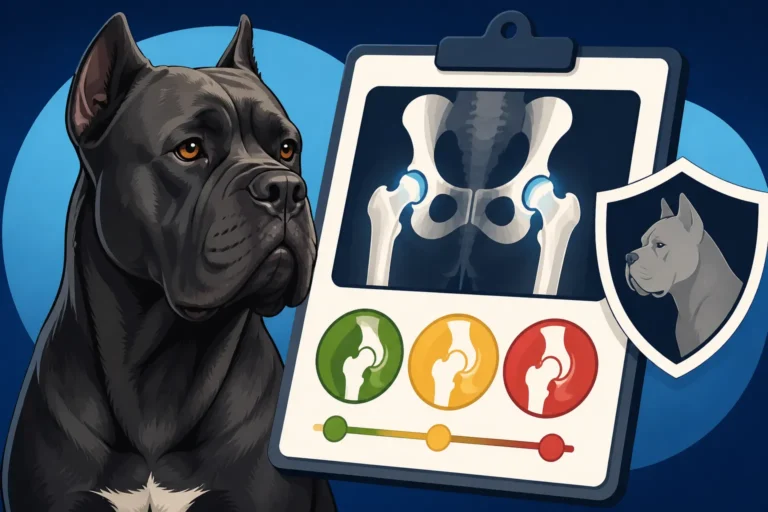
Hip and elbow dysplasia are unfortunately common in large and giant breeds like the Cane Corso. These are genetic conditions where the joints don't form properly, leading to pain, arthritis, and reduced mobility over time. While genetics play a huge role, factors like rapid growth from improper nutrition or excessive exercise in puppyhood can exacerbate the condition. For example, a discussion on Hip Dysplasia in a Fast Growing Cane Corso highlights how crucial controlled growth is. The chronic pain from these conditions can severely impact a dog's quality of life and, in severe cases, even shorten their active years. Managing arthritis in older dogs, especially one as large as a Cane Corso, can be incredibly challenging and costly, requiring dedicated physical therapy, medication, and sometimes even surgery.
Even with the best breeding practices aiming to reduce these conditions, the sheer size and weight of a Cane Corso mean their joints endure significant stress throughout their lives. This is why maintaining a lean body condition is paramount; every extra pound puts more strain on compromised joints. Regular, appropriate exercise helps build muscle support around the joints, but owners must be careful not to overdo it, especially during the crucial puppy and adolescent growth phases. Early detection through screenings like PennHIP or OFA, even for symptom-free dogs, allows for proactive management strategies to be put in place, potentially delaying the onset of severe symptoms and improving overall comfort and longevity.
The Silent Threat of Bloat and Heart Disease
Bloat, or Gastric Dilatation-Volvulus (GDV), is a terrifyingly rapid and often fatal condition that affects deep-chested breeds like the Cane Corso. It occurs when the stomach fills with gas and then twists, cutting off blood supply. The onset can be sudden and, without immediate emergency veterinary intervention, almost always leads to death. The concern over this condition is so prevalent that many owners opt for a preventive surgery called a gastropexy, where the stomach is tacked to the abdominal wall to prevent twisting. This is a topic often discussed in depth in resources like Bloat and What a Cane Corso's Deep Chest Costs. The expense of emergency bloat surgery is substantial, making preventative measures or pet insurance like Healthy Paws a wise consideration.
Heart disease, particularly dilated cardiomyopathy (DCM), is another significant concern in Cane Corsos. DCM is a condition where the heart muscle weakens and becomes enlarged, leading to reduced pumping ability. Symptoms can be subtle at first, often going unnoticed until the disease is quite advanced, which is why regular cardiac screenings are vital. A simple vet check-up might reveal a heart murmur, but an echocardiogram, as discussed in The Cardiac Exam Behind a Cane Corso's Clearance, is usually needed for a definitive diagnosis. While there's no cure for DCM, early diagnosis allows for medical management that can significantly improve quality of life and potentially extend lifespan. Being aware of these silent threats is part of the responsibility of owning such a noble breed.
Neurological Concerns and Genetic Conditions
Epilepsy is another condition that can affect Cane Corsos, often surfacing around two to three years of age. It's heartbreaking to witness your powerful companion experiencing seizures. While many cases are idiopathic (meaning no known cause), some are genetic. Dealing with The Seizures That Start in a Cane Corso Around Two requires dedicated management, including medication to control the frequency and severity of episodes. Although epilepsy itself isn't typically fatal, severe, uncontrolled seizures or the side effects of medications can impact a dog's overall health and longevity.
Beyond epilepsy, there are specific genetic diseases that responsible breeders screen for, such as NCL (Neuronal Ceroid Lipofuscinosis) and DSRA (Dilated Scleral Ring Anomaly). These are less common but devastating conditions. NCL is a neurological disorder that progresses over time, leading to motor and cognitive decline. DSRA, while primarily an eye condition, can impact vision significantly. Genetic testing of breeding stock is crucial to avoid passing these conditions on, reducing the burden on future generations of Cane Corsos and their owners. Understanding these complex health issues is why choosing a reputable breeder who performs all recommended health clearances is paramount.
Practical Steps for Extending Your Cane Corso's Healthy Years
While genetics play a considerable role in a Cane Corso's lifespan, there are many proactive steps you, as an owner, can take to positively influence their health and potentially extend their time with you. It's about diligent care, smart choices, and a deep understanding of your dog's specific needs.
The Power of Preventative Veterinary Care
Regular veterinary check-ups are not just for when your dog is sick; they are the cornerstone of preventative health. For a Cane Corso, these annual or bi-annual visits are critical for early detection of potential issues. Your vet can perform thorough physical exams, listen for heart murmurs, palpate joints, and catch subtle changes that might indicate the start of a serious condition. Routine bloodwork, especially as your Corso ages, can reveal underlying organ dysfunction long before clinical signs appear. For instance, yearly bloodwork is a sensible recommendation for Yearly Bloodwork on an Adult Cane Corso to catch issues like thyroid imbalance or early kidney disease.
Preventative measures also include keeping up-to-date on vaccinations, parasite control (fleas, ticks, heartworm), and maintaining excellent dental hygiene. Dental disease, if left untreated, can lead to serious systemic infections affecting the heart, kidneys, and liver. Discussing a preventive gastropexy with your vet for bloat prevention is another excellent example of proactive care. While these services come with costs, comprehensive pet insurance plans, such as those offered by Healthy Paws, can provide a financial safety net, making it easier to afford the best preventative and emergency care, ultimately contributing to a longer, healthier life.
Optimal Nutrition and Exercise for a Giant Breed
Feeding a Cane Corso isn't just about filling a bowl; it's about providing precise, high-quality nutrition tailored to a giant breed's unique growth and maintenance needs. During puppyhood, this means a large-breed specific formula that supports slow, steady growth to protect developing joints, avoiding excessive calcium or protein. As they mature, an adult formula that maintains their lean muscle mass without adding unnecessary weight is crucial. It's a common misconception that more food is better, but as outlined in Why a Lean Cane Corso Keeps Its Hips Longer, maintaining an ideal weight significantly reduces stress on joints and can extend their comfort and mobility for years. You might also want to learn about The Monthly Food Bill for an Adult Cane Corso to budget appropriately.
Appropriate exercise is equally vital. Cane Corsos need regular, moderate exercise to maintain muscle tone and mental well-being, but over-exercising a young, growing Corso can cause irreversible damage to their joints. As adults, long walks, engaging playtime, and mental stimulation through training or scent work are perfect. Avoid high-impact activities like aggressive fetching or jumping from heights, especially as they get older. Consistent, moderate activity is the key. Remember, a fit Cane Corso is a healthier Cane Corso, and proper nutrition fuels that fitness.
The Importance of a Supportive Environment
A Cane Corso thrives in a stable, predictable, and loving environment. Stress, anxiety, and a lack of mental stimulation can negatively impact their immune system and overall health. These intelligent dogs need to feel secure in their role within the family, with clear boundaries and consistent training. A well-adjusted Corso is less prone to stress-related health issues and more receptive to care. Providing a comfortable, safe space, plenty of positive interaction, and opportunities for enrichment can significantly contribute to their longevity.
This includes mental exercise as much as physical. Puzzle toys, training sessions, and simply being an active part of the family routine all contribute to a balanced and happy dog. A dog that is mentally engaged is often less destructive and generally healthier. Consider factors that reduce stress, such as consistent feeding times, a quiet sleeping area, and plenty of positive reinforcement. A calm, confident Cane Corso is a reflection of a secure and supportive home environment, which in turn supports their physical health.
Key Lifespan Factors at a Glance
To summarize some of the crucial elements we've discussed, here's a quick overview of what impacts a Cane Corso's lifespan and how you can take action:
| Factor | Impact on Lifespan | Owner Action |
|---|---|---|
| Genetics | Predisposition to conditions like dysplasia, bloat, heart disease, epilepsy. | Choose a reputable breeder with health-tested parents. |
| Nutrition | Supports growth, prevents obesity, impacts joint health. | Feed high-quality, large-breed specific food; maintain lean body condition. |
| Exercise | Builds muscle, maintains weight, supports mental health. | Provide moderate, consistent, age-appropriate exercise; avoid overexertion. |
| Vet Care | Early detection, prevention of disease. | Regular check-ups, vaccinations, parasite control, consider preventative surgeries. |
| Weight | Obesity severely strains joints and organs. | Monitor food intake, regular weigh-ins, adjust diet as needed. |
| Environment | Stress, mental stimulation. | Provide a stable, loving home; consistent training; mental enrichment. |
Navigating the Senior Years with Your Cane Corso
As your Cane Corso moves past the eight-year mark, you'll likely start to notice changes – subtle at first, then more pronounced. This transition into their senior years is a delicate time, but with mindful adjustments to their care, you can ensure their golden years are filled with comfort and dignity. It's a period that challenges owners, but also strengthens the bond as you provide extra care for your loyal companion. For more information on what to expect, read What Changes in a Cane Corso After Its Eighth Birthday.
Recognizing and Responding to Age-Related Changes
One of the hardest parts of owning an aging Cane Corso is recognizing the signs that their body is slowing down. You might notice they're a little stiffer getting up in the morning, or perhaps they're not as eager for long walks. Their once boundless energy might give way to more naps. Cognitive changes can also occur, such as confusion, disorientation, or changes in sleep patterns – sometimes referred to as "night confusion." Keep an eye out for a persistent limp, which could indicate conditions like bone cancer in a front leg, a common concern in large breeds.
Beyond physical changes, their senses might dull. Hearing loss is common, as is a gradual decline in eyesight. These changes can be frustrating for both you and your dog. It's important to approach these signs with patience and empathy. Your vet can confirm age-related changes and help differentiate them from treatable conditions. For example, if your Cane Corso starts dragging its back feet, it could be a sign of neurological issues or severe arthritis, warranting immediate vet attention. Regular check-ups become even more crucial during these years to manage pain and maximize comfort.
Tailoring Care for a Comfortable Senior Life
Adapting your Cane Corso's care routine in their senior years is crucial for their well-being. This might mean switching to a senior-specific diet that's lower in calories but still high in quality protein, designed to maintain muscle mass without contributing to weight gain. Joint supplements, if not already started, become essential. Consider adding ramps to help them get into cars or onto furniture if they struggle with jumping or climbing, reducing strain on their aging joints. If you're managing arthritis, exploring various options for Managing Arthritis in a Hundred Pound Cane Corso can be incredibly helpful.
Their exercise routine should shift from high-impact activities to gentler, shorter walks multiple times a day. Orthopedic beds can provide immense comfort for their aching joints. It's also important to ensure they have easy access to water and a comfortable, quiet place to rest. As their mobility decreases, you might need to help them off the floor or assist them with stairs. Most importantly, continue to provide mental stimulation through gentle games and interaction, keeping their minds sharp and their spirits high. These adjustments, though they require more effort from you, are a testament to the enduring bond you share and ensure they spend their remaining years in as much comfort and happiness as possible. Ultimately, knowing when a Cane Corso has had enough is the hardest decision, but a comfortable final chapter is the best gift you can give.
Disclaimer
This article is for general informational purposes only and does not constitute professional advice. Laws, prices and regulations vary by location and change over time. Consult a qualified professional for guidance on your specific situation.