Washing an Old Cane Corso That Has Lost Control
It’s a tough reality when your proud, powerful Cane Corso, once a picture of strength and control, starts to lose some of their independence in their golden years. One of the most heartbreaking and challenging aspects of caring for an aging Cane Corso is when they begin to lose control of their bladder or bowels, leading to messes and the need for frequent, often difficult, baths. This guide is here to walk you through the practical steps and empathetic considerations for washing an old Cane Corso who is dealing with incontinence, making the process as gentle and stress-free as possible for both of you.
Understanding Incontinence in Senior Cane Corsos
The transition into old age for any dog can bring a host of changes, and for a large, stoic breed like the Cane Corso, these changes can be particularly poignant. Incontinence is not just a nuisance; it's often a sign of underlying physiological shifts that come with age, and understanding these can help you approach the situation with more patience and compassion.
Why Older Dogs Lose Control
There are several common reasons why a senior Cane Corso might start losing control of their bladder or bowels. Often, it's a combination of factors. One primary cause is simply the weakening of sphincter muscles that help hold waste in. Just like in humans, muscles can lose tone with age, making it harder for your dog to "hold it" until they get outside. Beyond muscle weakness, cognitive decline, often referred to as Canine Cognitive Dysfunction (CCD), can play a significant role. Your Cane Corso might forget their house training, become disoriented, or simply not realize they need to go until it's too late. It’s a bit like canine Alzheimer’s, where their familiar routines and spatial awareness start to falter.
Furthermore, underlying medical conditions are frequent culprits. Arthritis and other joint issues, which are unfortunately common in large breeds like the Cane Corso, can make it painful or difficult for your dog to get up, move quickly, or even position themselves properly to relieve themselves outside. This is especially true for dogs suffering from Managing Arthritis in a Hundred Pound Cane Corso. Kidney disease, urinary tract infections (UTIs), diabetes, or even certain medications can also increase thirst and urination, leading to accidents. In rare cases, tumors or nerve damage might also contribute. It’s crucial not to assume it’s "just old age" without exploring the possibilities.
The Emotional Toll on You and Your Dog
Let’s be honest: discovering a puddle or worse on your living room rug from your beloved Cane Corso can be incredibly frustrating. There's the smell, the clean-up, the worry, and sometimes, if we're being truly candid, a flash of exasperation. You might feel a mix of sadness, because you see your powerful companion becoming vulnerable, and even guilt for those moments of frustration. It’s a tough emotional landscape to navigate.
But remember, your Cane Corso isn't doing this on purpose. They are likely just as distressed, if not more so. A dog who has been house-trained their entire life knows they've made a mistake. You might notice them acting sheepish, trying to hide, or even looking genuinely apologetic. This can lead to increased anxiety in your dog, making the situation worse. It's vital to approach these incidents with patience and kindness, reinforcing that you still love them unconditionally. Your gentle reassurance can make all the difference in their comfort and sense of security, which is paramount as they navigate The Age a Cane Corso Is Counted as Old.
When to Consult Your Veterinarian
Before you even think about the best way to wash your incontinent Cane Corso, the absolute first step is a trip to the vet. As mentioned, incontinence isn't always just "old age" – it can be a symptom of a treatable condition. Your veterinarian can perform a thorough examination, including blood work, urinalysis, and possibly imaging like X-rays. They’ll be looking for things like urinary tract infections, kidney issues, diabetes, or even neurological problems that could be managed with medication. For example, some types of incontinence respond well to specific medications that strengthen bladder control. Addressing these underlying issues can not only improve your dog's quality of life but also significantly reduce the frequency of accidents, making your life easier too. Don't let your pride, or a fear of bad news, stop you from seeking professional help for What Changes in a Cane Corso After Its Eighth Birthday.
Preparing for the Bath: Making It Easier for Both of You
Bathing a large dog is always a project, but bathing an elderly, potentially mobility-compromised, and incontinent Cane Corso requires even more thought and preparation. The goal is to make the experience as calm and comfortable as possible for your dog, and as manageable as possible for you.
Setting Up a Safe and Accessible Bathing Area
The traditional bathtub might not be the best option for an old, heavy Cane Corso with limited mobility. The high sides can be challenging for them to step over, and the slippery surface can be dangerous. Consider alternative bathing areas that are more accessible.
- Walk-in Shower: If you have a walk-in shower with a removable showerhead, this can be a fantastic option. Lay down several non-slip mats to prevent falls.
- Kiddie Pool: On a warm day, a plastic kiddie pool in the yard can work wonders. The low sides make it easy to step into, and the outdoor setting means less worry about splashing. Just ensure the water isn't too cold for your senior dog.
- Large Utility Sink/Wash Tub: For smaller or more agile seniors, a sturdy utility sink might be an option. However, for a full-grown Cane Corso, this is usually impractical unless they are very small for the breed.
- Professional Groomers: Don't underestimate the value of a professional groomer, especially one experienced with senior or large breeds. Many groomers have specialized tubs with ramps or hydraulic lifts, making the process safer and less stressful for your dog (and your back!). They also have professional drying equipment that can significantly reduce bathing time. If your dog struggles with standing or is prone to Helping an Old Cane Corso Off the Floor, this might be your best bet.
Wherever you choose, ensure the area is warm, free of drafts, and has easy access to towels and supplies.
Gathering Your Supplies
Having everything within arm's reach before you start is key to a smooth bathing experience. You don't want to leave your Cane Corso unattended, wet and confused, while you search for shampoo.
Here’s a checklist of essentials:
- Gentle Dog Shampoo: Look for a mild, hypoallergenic shampoo specifically formulated for dogs. If your Cane Corso has developed skin irritation from frequent accidents, a medicated or odor-neutralizing shampoo might be beneficial. Avoid human shampoos, as they can irritate a dog's skin.
- Conditioner (Optional but Recommended): A dog-safe conditioner can help keep their coat soft and healthy, especially with more frequent washing.
- Plenty of Towels: You’ll need several large, absorbent towels to blot and dry your Cane Corso. Microfiber towels work exceptionally well.
- Non-Slip Mats: Essential for preventing slips and falls in the bathing area.
- Soft Brush or Grooming Mitt: For working shampoo through their coat and helping with shedding.
- Cotton Balls/Ear Cleaner: To protect their ears from water and clean them afterward. You don’t want water getting deep into their ear canal.
- Treats: High-value treats are invaluable for positive reinforcement and distraction.
- Washcloth/Sponge: For cleaning sensitive areas like the face.
- Hair Dryer (Optional): A pet-specific hair dryer on a cool or low setting can speed up drying, but many Cane Corsos find the noise frightening. If using one, ensure it’s not too hot and hold it at a distance.
- Waterproof Apron: To protect yourself from splashes.
You can often find a wide variety of these supplies, from gentle shampoos to super-absorbent towels, readily available through retailers like Chewy or Amazon.
Building Trust and Reducing Stress
For many dogs, especially those who are already feeling vulnerable in their old age, bath time can be a source of significant stress. Your Cane Corso might be stiff, perhaps a bit confused with Night Confusion in an Aging Cane Corso, or simply not keen on being wet. It's your job to make this a positive, or at least neutral, experience.
- Start Slow: Don't just drag them into the bath. Talk to them in a calm, soothing voice. Offer treats just for being near the bathing area.
- Warm Water Only: Always use lukewarm water. Cold water can be a shock, and hot water can burn them. Test the temperature on your wrist first.
- Positive Reinforcement: Shower them with praise and treats throughout the process. Every small step – stepping into the shower, getting wet, allowing scrubbing – should be rewarded.
- Gentle Handling: Move slowly and deliberately. Support their body if they seem unstable. Avoid sudden movements or loud noises. Remember, their senses might be duller; if your dog has The Deafness That Creeps Up on an Old Cane Corso, they might not hear you coming and be easily startled.
- Short Sessions: If your Cane Corso gets overly stressed, consider breaking down the bath into smaller sessions, perhaps focusing on just the soiled areas first, then doing a full body wash later.
Step-by-Step Bathing Techniques for an Incontinent Cane Corso
Now that you're prepared, let's get down to the actual bathing. The key here is efficiency, thoroughness, and above all, gentleness.
Gentle Cleaning for Soiled Areas
If your Cane Corso has had an accident and is heavily soiled, a targeted pre-clean can make the full bath much more effective and less messy.
- Remove Excess: Carefully remove any solid waste from their fur using a gloved hand or a paper towel. Dispose of it properly.
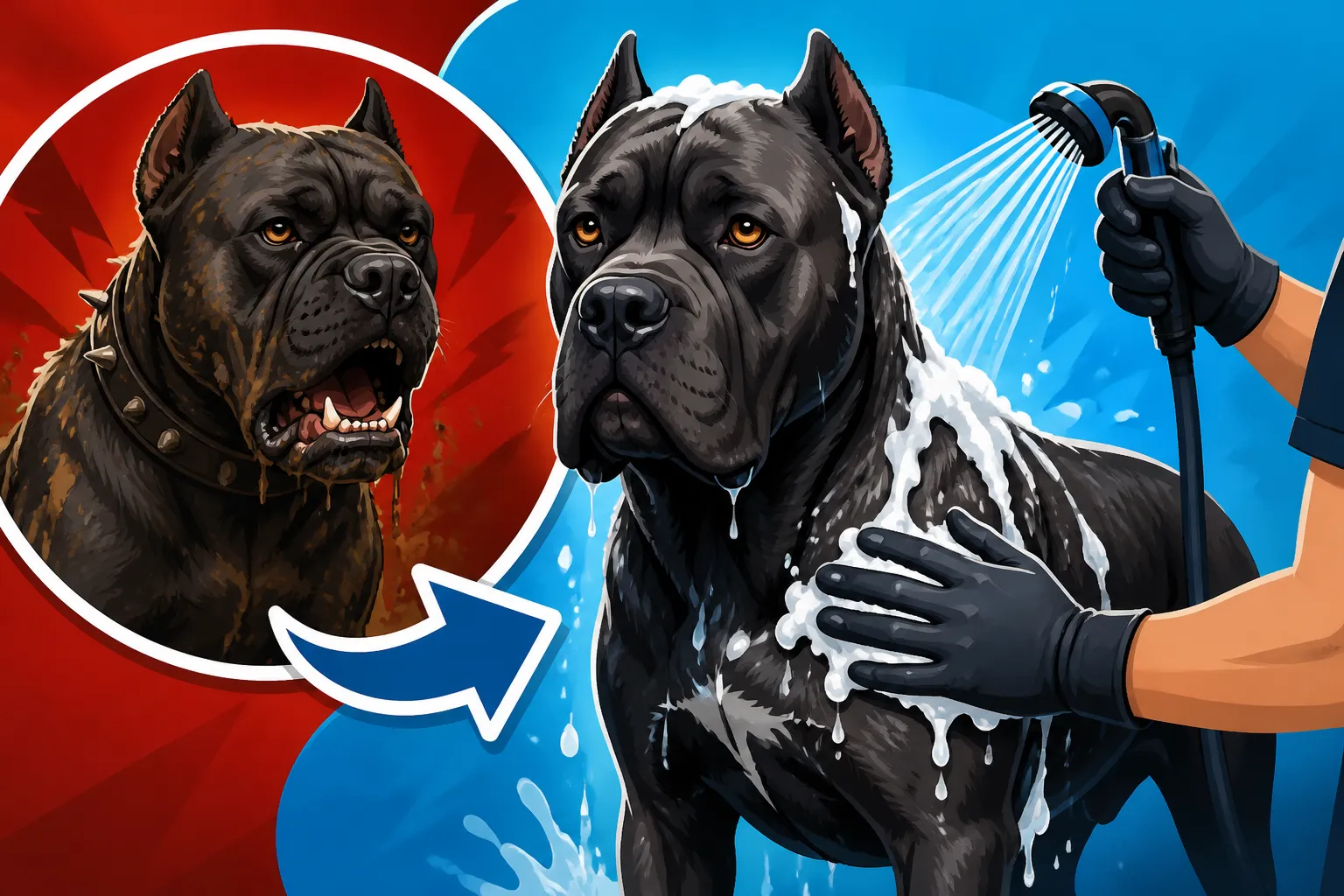
- Rinse or Wipe: Use a warm, wet washcloth or dog-specific cleansing wipes to gently clean the worst of the soiled areas around their rear end and hind legs. This helps to loosen dried matter and prevent it from spreading during the full bath. You want to get rid of as much surface contamination as possible before applying shampoo.
- Check for Irritation: While cleaning, pay close attention to their skin. Incontinence can lead to urine scald or fecal matting, causing raw, irritated skin. If you see any redness, sores, or a strong odor that suggests a yeast infection, make a note to discuss it with your vet.
Supporting Your Cane Corso During the Bath
Keeping your Cane Corso stable and comfortable is paramount to prevent injury to them or yourself.
- Non-Slip Surface: Ensure your bathing area has good non-slip mats. This cannot be stressed enough. A slip can cause a severe injury.
- Physical Support:
- Standing: If your dog can stand, have them do so on the non-slip mat. You might need to stand next to them, gently bracing their side with your leg or hand, or having a second person support them.
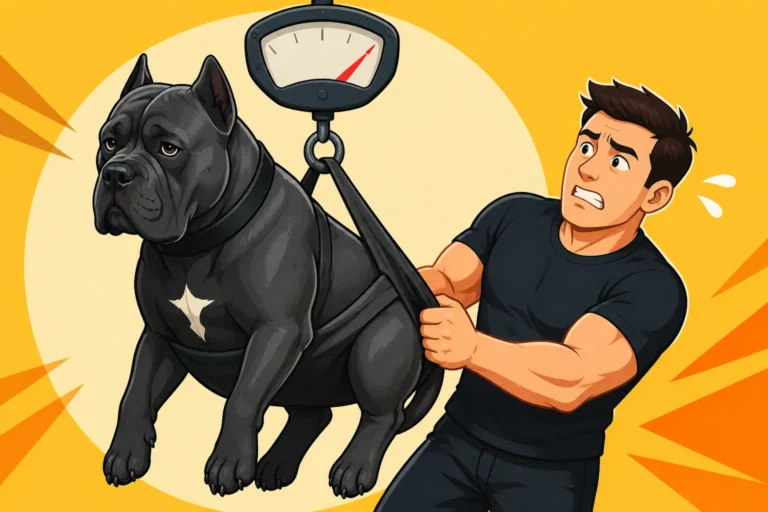
- Reclining: If standing is too difficult, you might need to support them in a reclining position, especially for their hindquarters. A sling designed for large dogs can be incredibly helpful here, allowing you to gently lift and support their weight. For some, laying an old towel or blanket on the floor of a walk-in shower or kiddie pool can provide cushioning and a sense of security.
- Use a Leash (Gently): A leash can be useful to keep them gently in place, attached to a sturdy fixture (never leave them unattended with a leash attached). This helps prevent them from trying to escape the bath or spinning around.
- Wet Slowly: Use the showerhead or a cup to wet their coat gradually, starting from their back and moving downwards. Avoid spraying water directly into their face, ears, or nose. Protect their ears with cotton balls placed lightly in the outer ear canal (remember to remove them later!).
Thorough Rinsing and Drying to Prevent Skin Issues
This is perhaps the most critical step, especially for an incontinent dog. Residual shampoo can cause skin irritation, dryness, and itching, which can exacerbate existing skin problems or create new ones, such as Skin Allergies That Flare on a Cane Corso.
- Lather and Massage: Apply shampoo and gently massage it into their coat, focusing on the soiled areas. Work up a good lather. For heavily soiled areas, you might need a second wash.
- Rinse, Rinse, Rinse: Rinse thoroughly, starting from the neck and working your way down. You need to rinse far longer than you think you do. Squeeze the fur to check for suds. Run your hands over their coat to feel for any slippery residue. If the water runs clear and their coat feels squeaky clean, you’re good. Any remaining shampoo will be a magnet for dirt and could irritate their sensitive skin.
- Squeeze Out Excess Water: Before towel drying, gently squeeze as much water as you can from their coat.
- Towel Dry Thoroughly: Wrap them in a large, absorbent towel and gently pat and rub. Use multiple towels if necessary. For a Cane Corso’s dense coat, this can take a while. The goal is to get them as dry as possible to prevent chills and skin issues.
- Air Dry or Gentle Blow Dry: If comfortable, let them air dry in a warm, draft-free room. If using a hair dryer, ensure it’s on the coolest setting and keep it moving. Never hold it in one spot, and stop if your dog shows any signs of distress. A damp coat, especially in a dog with The Yeast Smell on a Cane Corso's Skin Folds or skin folds, is an invitation for bacterial or fungal growth.
Post-Bath Care and Ongoing Management
The bath is just one part of the equation. Ongoing care and environmental adjustments are crucial for managing incontinence and keeping your senior Cane Corso clean and comfortable between washes.
Preventing Matting and Skin Irritation
Even with a short coat, an incontinent Cane Corso can develop skin issues if not properly managed.
- Regular Brushing: Brush your Cane Corso regularly, especially after a bath, to remove loose hair and stimulate the skin. This helps prevent matting in areas that might get damp, even if their coat is short. For a breed that How Much a Cane Corso Sheds Twice a Year, regular brushing is always a good idea.
- Monitor Skin: Daily checks of their hindquarters, inner thighs, and tail area are essential. Look for any redness, dampness, unusual odor, or sores. These are signs of urine scald or developing infections that need attention. You can use a thin layer of protective balm (like a diaper cream for dogs, recommended by your vet) on irritated areas.
- Keep Nails Trimmed: Long nails can interfere with your dog’s ability to stand or get up quickly, which might contribute to accidents. Keep their nails trimmed short. Trimming an Old Cane Corso's Overgrown Nails is especially important.
Maintaining Hygiene Between Baths
Full baths are taxing for an old dog, so minimizing their frequency while maintaining hygiene is ideal.
- Spot Cleaning: For minor accidents, use dog-specific wipes or a warm, damp cloth to spot clean immediately. This prevents odors and skin irritation from building up. Keep a stash of wipes handy around the house.
- Waterless Shampoo/Foams: These products can be a lifesaver for quick clean-ups between full baths. Simply apply, massage, and towel dry. They help refresh the coat and reduce odors without the need for a full soak. Many varieties are available on Chewy or Amazon.
- Routine Checks: Make it a habit to check and clean your Cane Corso’s underside, especially around their genitals and rear, multiple times a day. This proactive approach can prevent minor soiling from becoming a major issue.
Adapting Your Home to Support an Incontinent Senior
Your home environment can make a huge difference in managing incontinence and reducing your stress.
- Waterproof Bedding: Invest in high-quality, waterproof dog beds or covers for their existing beds. Orthopedic Beds Rated for a Cane Corso's Weight are a must for senior dogs, and finding one with a washable, waterproof liner is ideal. This saves you from constantly washing entire beds.
- Absorbent Pads: Place washable or disposable absorbent pads in areas where your Cane Corso frequently rests or has accidents. These can protect your flooring and furniture.
- Easy-to-Clean Flooring: If possible, try to designate areas with hard, easy-to-clean flooring (tile, laminate) for your senior dog. Carpets are much harder to keep clean and odor-free when dealing with incontinence.
- Frequent Outdoor Trips: Increase the frequency of potty breaks, especially after waking up, after meals, and before bed. Even if your Cane Corso has lost some control, regular opportunities to go outside can still reduce accidents indoors. Helping your old Cane Corso with How Far an Old Cane Corso Should Still Walk to get outside often can prevent a lot of messes.
By understanding the causes, preparing appropriately, and implementing consistent care routines, you can help your beloved senior Cane Corso navigate this challenging stage with dignity and comfort.
| Task | Frequency | Supplies Needed | Purpose |
|---|---|---|---|
| Full Bath | As needed (weekly/bi-weekly) | Dog shampoo, towels, non-slip mat, treats, washcloth | Thorough cleaning, odor removal, skin health |
| Spot Clean | Daily/As needed | Dog wipes, warm water, washcloth, protective balm | Immediate clean-up of minor messes, prevent skin irritation |
| Skin Check | Daily | Your eyes and hands | Monitor for redness, sores, odors, matting |
| Brushing | 2-3 times a week | Soft brush or grooming mitt | Remove loose hair, stimulate skin, prevent matting |
| Ear Cleaning | Weekly (or as advised by vet) | Dog ear cleaner, cotton balls | Prevent infections, especially if ears get wet during baths |
| Nail Trim | Every 2-4 weeks | Nail clippers or grinder, styptic powder | Maintain mobility, prevent discomfort |
| Change Bedding | Daily/As needed | Waterproof bed covers, absorbent pads | Maintain hygiene in rest areas, protect furniture |
| Vet Check-up | Biannually/As advised | N/A | Address underlying causes of incontinence, general senior health |
Disclaimer
This article is for general informational purposes only and does not constitute professional advice. Laws, prices and regulations vary by location and change over time. Consult a qualified professional for guidance on your specific situation.