Whether a Cane Corso Drinks Too Fast
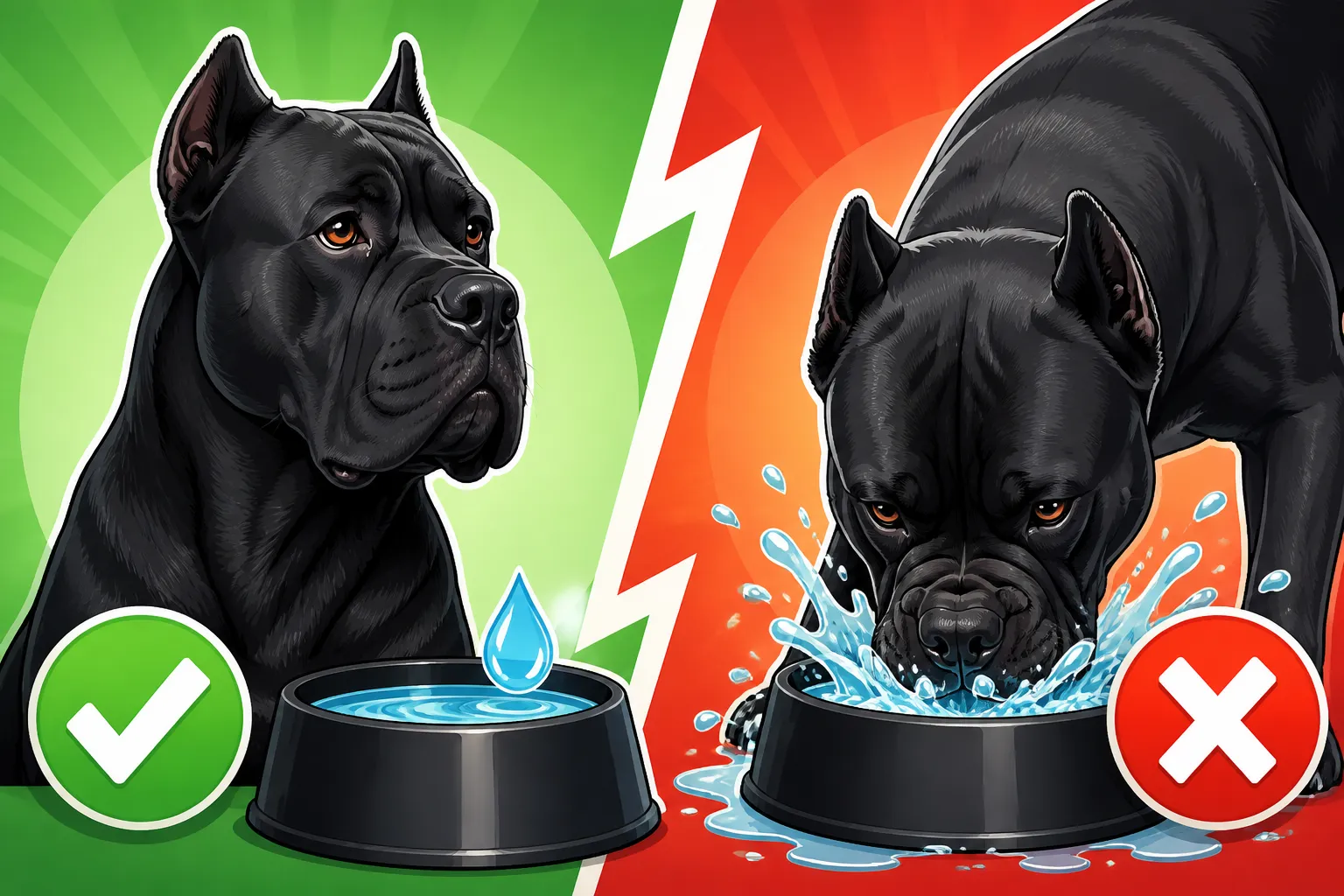
It's a familiar sight for many Cane Corso owners: your big, beautiful dog descends upon their water bowl like they haven't seen a drop in a week, gulping it down in a flurry of splashes and frantic swallows. You stand there, heart pounding just a little, wondering if they're going to choke or, even worse, if this rapid ingestion could lead to something serious like bloat. This guide is here to unravel why your Cane Corso might be drinking so quickly, what risks that behavior carries, and most importantly, how you can help them slow down and drink safely.
Understanding Why Your Cane Corso Gulps Their Water
Watching your Cane Corso vacuum down water can be alarming, but it’s a behavior often rooted in a mix of instinct, environmental factors, and sometimes, underlying health conditions. It's not usually about rudeness; it's about their inherent drives and how they've learned to interact with their world.
The Instinctual Drive to Drink Quickly
Cane Corsos, like many large and powerful breeds, carry remnants of their ancestral past. In the wild, access to water was often a competitive affair. Getting to the water source, drinking quickly, and moving on could mean the difference between life and death, or at least securing enough hydration before a rival appeared. While your living room is far from the ancient Roman countryside, these primal instincts can still manifest. Your dog isn't consciously thinking "survival of the fittest," but a deep-seated drive to consume available resources swiftly can kick in, especially if they perceive water as a limited commodity or if other pets are around. This is particularly true if you have a multi-dog household where some level of resource guarding, even subtle, might be at play.
Extreme Thirst After Activity or Heat
Think about yourself after a long, intense workout or on a sweltering summer day. You don't sip daintily; you chug. The same goes for your Cane Corso, but often magnified due to their size and physical capabilities. A rigorous play session, a long walk, or even just spending time in warm weather can lead to significant dehydration. When their body signals extreme thirst, their natural response is to replenish fluids as rapidly as possible. We want them to drink, of course, but the speed can be problematic. If your Cane Corso has been working hard, perhaps engaged in What IGP Training Involves for a Cane Corso or just a spirited game of fetch, they're likely to be intensely thirsty. Similarly, during the hotter months, The Temperature a Black Cane Corso Should Not Walk In can cause them to overheat and seek water aggressively.
The Social Dynamics of a Multi-Dog Household
If you have more than one dog, the social hierarchy and resource availability can play a significant role in how quickly your Cane Corso drinks. Even if you provide multiple water bowls, some dogs feel a subtle pressure to drink their fill before another dog claims the spot. This isn't always overt aggression; it can be a subconscious race to the bowl. A younger, more insecure dog might defer, while a dominant Cane Corso might feel the need to secure the resource, leading to faster drinking. Observe the dynamics around the water bowl. Is there any subtle posturing or rushing when one dog approaches? This behavior might even extend to food, where Why a Cane Corso Should Never Have a Bowl Left Down is often recommended to prevent resource guarding issues.
The Potential Dangers of Rapid Water Consumption
While it might seem harmless enough for a dog to drink quickly, for a large, deep-chested breed like the Cane Corso, rapid water intake carries several serious risks that every owner should be aware of. These aren't just minor inconveniences; they can be life-threatening.
Bloat: A Cane Corso Owner's Worst Nightmare
Gastric Dilatation-Volvulus (GDV), commonly known as bloat, is a terrifying condition that Cane Corso owners dread. Their deep chests put them at a significantly higher risk than many other breeds. When a dog drinks a large volume of water very quickly, especially after eating or exercise, they can gulp down excessive air along with the water. This rapid intake of air and fluid can cause the stomach to distend, or "dilate," creating immense pressure. In some cases, the stomach can then twist upon itself, or "volvulus," trapping gas and fluid, cutting off blood supply, and becoming an immediate, life-threatening emergency. Recognizing The First Sign a Cane Corso Is Bloating is absolutely critical, as time is of the essence for veterinary intervention. Many owners opt for a Whether a Cane Corso Should Have a Preventive Gastropexy to mitigate this risk.
Choking and Water Aspiration
Imagine trying to gulp down a glass of water yourself as fast as possible. It's easy to get some down the wrong pipe, isn't it? For a Cane Corso, drinking at a frantic pace increases the risk of choking on the water itself. Beyond that, they can accidentally aspirate water into their lungs. This isn't just uncomfortable; it can lead to aspiration pneumonia, a serious lung infection that requires immediate veterinary attention. Puppies and older dogs might be particularly vulnerable to this, as their natural reflexes might not be as sharp. A small amount of water coughed up is one thing, but if your dog has prolonged coughing, difficulty breathing, or appears lethargic after drinking, it’s time to call the vet.
Water Intoxication: A Less Common But Serious Risk
While less common than bloat or choking, water intoxication, or hyponatremia, is a grave concern that can arise from excessive, rapid water intake. This occurs when a dog consumes so much water that their body's electrolyte balance is thrown off, specifically diluting the sodium levels in their bloodstream. Low sodium can cause cells, including brain cells, to swell, leading to severe neurological symptoms. Symptoms can include staggering, lethargy, nausea, bloating, dilated pupils, vomiting, and in extreme cases, seizures, coma, and even death. It's more often associated with vigorous water play (like fetching toys repeatedly in a lake), but rapid consumption from a bowl can contribute, especially if the dog has other predisposing factors or medical conditions. Monitoring Why a Cane Corso Empties Its Water Bowl by Noon and ensuring they aren't constantly refilling and gulping is important.
Practical Strategies to Slow Down Your Cane Corso's Drinking
The good news is that you don't have to just stand by and worry. There are many effective, practical ways to encourage your Cane Corso to drink at a more sensible pace, reducing the risks associated with rapid water consumption.
Investing in a Quality Slow-Feeder Water Bowl
Just like slow-feeder food bowls exist to prevent gulping food, there are specialized water bowls designed to do the same for drinking. These bowls often have raised sections, mazes, or floating disks that force your dog to take smaller sips, effectively slowing down their intake. You can find a wide variety of options on retailers like Chewy or Amazon, ranging from ceramic to stainless steel to durable plastics.
Here's a comparison of common types:
| Slow Feeder Type | Description | Pros | Cons |
|---|---|---|---|
| Maze/Puzzle Bowls | Bowls with raised patterns or obstacles at the bottom that dogs must navigate to reach the water. | Very effective at slowing consumption; mentally stimulating. | Can be harder to clean; some designs might be too challenging for certain dogs. |
| Floating Disk Bowls | Feature a disk that floats on top of the water, allowing only a small amount to surface at a time. | Reduces splash and mess; prevents water from getting into jowls; good for travel. | Disk needs regular cleaning; can sometimes get stuck; some dogs might try to remove the disk. |
| Gravity Feeders (with modifications) | Standard gravity feeders, but you can add large, non-toxic stones or stainless steel balls to the reservoir. | Utilizes existing equipment; customizable level of obstruction. | Stones/balls must be large enough not to be swallowed; requires regular cleaning of added items. |
| Lick Mats (for hydration) | While not a bowl, a lick mat spread with a thin layer of wet food or broth provides slow, controlled liquid intake. | Calming and enriching; good for supplementary hydration. | Not a primary water source; needs to be refilled frequently for substantial hydration. |
When choosing one, consider the size of your Cane Corso's muzzle and the overall durability of the product. Something that might work for a small dog won't stand up to the robust nature of a Cane Corso.
Managing Water Access Throughout the Day
Instead of leaving a huge bowl of water out all day for a dog that gulps, try offering smaller amounts more frequently. This allows them to hydrate without the opportunity to rapidly consume an excessive volume at once. For example, if your Cane Corso normally drinks a gallon a day, don't fill a gallon bowl. Instead, offer them a smaller amount, perhaps a cup or two, every hour or two. This ensures consistent hydration without the "feast or famine" approach that can trigger rapid drinking. This is especially helpful after exercise. Instead of letting them chug a whole bowl immediately, offer a small amount, wait 10-15 minutes, then offer another small amount. Resting a Cane Corso After Its Meal is crucial for bloat prevention, and this applies to large water intakes too.
Incorporating Hydration into Meals
You can also increase your Cane Corso's overall hydration by adding water or low-sodium broth to their regular meals. If you feed kibble, simply adding warm water and letting it soak for a few minutes can make a big difference. This not only adds moisture but can also slow down their eating, as they'll have to chew through softened food. Brands like Ollie, which offer fresh dog food, often have higher moisture content naturally, contributing to overall hydration. This means your dog might feel less intensely thirsty between meals. Just be sure to always account for this added moisture in their daily calorie intake to avoid accidental weight gain, which can worsen joint issues like Managing Arthritis in a Hundred Pound Cane Corso.
Environmental Management to Reduce Thirst
Sometimes, the simplest solutions are the most effective. Ensure your Cane Corso has access to shade and cool resting spots, especially during warmer weather. If they're regularly overheated, they'll constantly be trying to quench an intense thirst. Indoors, keep the environment cool and comfortable. Consider a cooling mat or a fan if your dog tends to get warm. When you're out for walks, carry water with you and offer small sips periodically, rather than letting them wait until they're parched and then drinking excessively from a public bowl or returning home to their own. This proactive approach can prevent the intense thirst that leads to rapid gulping in the first place. Why a Black Cane Corso Overheats First is something to be particularly mindful of when considering environmental factors.
When Fast Drinking Might Signal a Deeper Health Concern
While often a behavioral issue or a response to activity, rapid or excessive drinking in a Cane Corso can sometimes be a red flag for an underlying health problem. It's important to know when to shift from managing behavior to seeking veterinary advice.
Excessive Thirst as a Symptom of Underlying Illness
If your Cane Corso suddenly starts drinking significantly more water than usual, or if their rapid drinking seems constant rather than just after exercise, it could be a sign of polydipsia (excessive thirst), which is a symptom of various medical conditions. These conditions include:
- Kidney Disease: Impaired kidney function can lead to an inability to conserve water, causing increased thirst and urination.
- Diabetes Mellitus: Dogs with diabetes often drink and urinate excessively as their bodies try to flush out excess sugar.
- Cushing's Disease: This hormonal disorder (hyperadrenocorticism) can also cause increased thirst.
- Thyroid Issues: Though less common for polydipsia, Hypothyroidism in a Middle Aged Cane Corso can affect various bodily functions, and changes in thirst can sometimes be observed.
- Pyometra (in intact females): A serious uterine infection that causes intense thirst and lethargy.
If you notice a significant, unexplained increase in water consumption that persists, even with your attempts to manage it, it's crucial to consult your veterinarian. They can perform blood tests, urinalysis, and other diagnostics to rule out or identify any underlying medical issues.
Behavioral Changes and Anxiety
Sometimes, rapid drinking isn't just about thirst but can be linked to anxiety or stress. A Cane Corso experiencing stress might display a variety of compulsive behaviors, and excessive or rapid drinking could be one of them. For instance, if your dog is left alone for long periods and suffers from Separation Anxiety in a Cane Corso Left in a Crate, they might drink frantically upon your return. Changes in their environment, a new family member, or even a lack of routine can trigger anxiety. Observe your dog for other signs of stress, such as pacing, excessive licking, panting when not hot, or changes in appetite. If you suspect anxiety is a factor, consulting with a professional dog trainer or veterinary behaviorist might be beneficial. They can help you identify triggers and develop strategies to alleviate your dog's stress.
Consulting Your Veterinarian for Peace of Mind
Ultimately, if you have any concerns about your Cane Corso's drinking habits, the best course of action is always to consult your veterinarian. They can assess your dog's overall health, perform necessary diagnostics, and give you tailored advice based on your Cane Corso's specific situation. Don't hesitate to mention all your observations, including how much they're drinking, how quickly, and any other associated behaviors or symptoms. Early detection of health issues can make a significant difference in treatment outcomes. Even if it turns out to be nothing serious, the peace of mind knowing you've checked all the bases is invaluable. Regular check-ups, including Yearly Bloodwork on an Adult Cane Corso, are always a good idea to catch any subtle changes early.
Disclaimer
This article is for general informational purposes only and does not constitute professional advice. Laws, prices and regulations vary by location and change over time. Consult a qualified professional for guidance on your specific situation.