Whether a Working Cane Corso Needs Foot Protection
If you've got a working Cane Corso, you know they're built for tough jobs, whether it's guarding, sport, or just being an active family companion. But all that hard work puts a real toll on their paws, and it's easy to overlook just how vulnerable those tough pads can be. This guide will help you understand when and why your working Cane Corso might need some extra foot protection to keep them healthy and ready for anything.
Understanding the Demands on a Working Cane Corso's Paws
Our Cane Corsos come from a lineage of working dogs, dogs that were tasked with everything from guarding remote Italian farmsteads (the masseria) to driving cattle and even hunting wild boar. You'd think, given that history, their paws would be invincible, right? They are certainly built for resilience, but the world has changed, and the "work" we ask of them today often presents different, sometimes more intense, challenges to their foot health.
The Natural Resilience of Cane Corso Paws
Cane Corsos possess paws that are inherently robust and well-suited for varied terrains. Their thick, leathery pads are designed to provide cushioning and grip, while strong, short nails help with traction and digging. The structure of their toes is compact and well-knuckled, which contributes to their agility and ability to navigate uneven ground. This natural design served them incredibly well when they were Driving Cattle With a Cane Corso or patrolling fields for hours on end. They could handle the rough ground, the occasional thorn, and the constant movement without much fuss.
However, it's important to differentiate between the historical demands and modern-day "working" environments. A Cane Corso today might be involved in protection sports like IGP, tracking, search and rescue, or simply accompanying you on daily long-distance hikes on concrete sidewalks or through urban parks. While their natural paw structure is a fantastic starting point, it's not always enough to withstand the specific, often repetitive, stresses of contemporary activities without some form of support or protection.
Common Threats to Unprotected Paws
Even the toughest paws have their limits, and a working Cane Corso frequently encounters conditions that can cause significant wear, tear, and injury. Think about the surfaces your dog regularly navigates. Prolonged exposure to abrasive surfaces like asphalt, concrete, or rough gravel paths can gradually wear down paw pads, leading to thinning, cracking, and even painful blisters. A Cane Corso on a daily security patrol, constantly walking on hard, unyielding surfaces, faces different challenges than one trotting through soft farm fields.
Beyond abrasion, extreme temperatures are a huge concern. In summer, pavement can reach scorching temperatures that can burn paw pads in mere minutes – far hotter than the air temperature. Conversely, in winter, icy conditions, frozen ground, and especially chemical de-icers and road salt can cause chapping, cracking, and chemical burns. Sharp objects, often hidden from plain sight, pose another constant threat. Broken glass, metal shards, thorns, or sharp rocks can easily cause deep cuts or puncture wounds, leading to infections and costly vet visits. Even things like burrs and foxtails can lodge uncomfortably between toes, causing irritation and lameness.
Consider a Cane Corso working alongside its owner at a construction site versus one assisting an owner daily on busy city sidewalks. Each scenario presents its own set of dangers, from sharp debris to caustic spills. Without some preventative measures, these common environmental threats can turn a perfectly healthy paw into a painful, debilitating injury.
When Foot Protection Becomes a Necessity
It’s easy to think of paw protection as an optional extra, but for many working Cane Corsos, it's truly a necessity. The decision often comes down to a careful assessment of their environment, their activity level, and recognizing the subtle signs of paw stress before they escalate into serious problems. Just like we wouldn't send a construction worker out without steel-toed boots, we need to consider what our dogs are "working" on.
Assessing Your Cane Corso's Work Environment
The first step in deciding on foot protection is to honestly evaluate your Cane Corso's typical work environment. What kind of surfaces do they spend the most time on? Is it soft grass, packed dirt, rough gravel, hot asphalt, or icy pavement? Think about the duration and intensity of their activities. A quick twenty-minute walk around the block is very different from an hour-long, high-intensity training session on mixed terrain or a full day of activity in varied conditions.
For instance, a Cane Corso participating in regular protection sports, like those doing IGP or Ring Sport, might train on grass, dirt, and gravel during bite work, then transition to concrete for obedience phases. Each surface presents its own challenges. Similarly, a hunting or tracking Cane Corso will encounter varied natural terrain, including sharp rocks, thorns, and potentially water. Consider a Cane Corso that is regularly Walking a Cane Corso on Hot Pavement during warmer months; this alone is a significant reason to consider protection.
Here's a quick guide to help you assess the risks:
| Environment Type | Common Paw Risks | Foot Protection Need |
|---|---|---|
| Hot Pavement/Asphalt | Burns, blisters, dehydration of pads | High |
| Icy/Snowy Pavement | Frostbite, cuts from ice, chemical burns from de-icers | High |
| Rocky Trails/Gravel | Cuts, abrasions, bruising, foreign objects | Medium to High |
| Urban/Construction | Glass, metal, chemicals, extreme temperatures | High |
| Forest/Bush | Thorns, burrs, sharp sticks, insect bites | Medium |
| Wet/Muddy Conditions | Softening of pads, fungal infections | Low to Medium |
| Indoor/Soft Surfaces | Minimal, unless specific irritants are present | Low |
Recognizing Signs of Paw Stress or Injury
Your Cane Corso can't tell you in words that their paws hurt, so it's crucial for you to be vigilant and recognize the signs of stress or injury. These powerful dogs are often stoic, pushing through discomfort, especially when they're focused on a task. Watch for subtle changes in their behavior or gait. Are they limping slightly after a long walk? Do they favor one paw when standing? Are they licking, chewing, or biting at their paws more than usual, particularly after exercise? This could be a clear indicator of discomfort or irritation.
Visually inspect their paws regularly, ideally after every strenuous activity or exposure to harsh conditions. Look for redness, swelling, cracks, or peeling on the pads. Check for any cuts, punctures, or foreign objects lodged between their toes or in their pads. Even small, seemingly insignificant issues can quickly escalate into painful infections if left untreated. If your Cane Corso suddenly becomes reluctant to walk, jump, or play, or if their gait seems off, their paws should be one of the first things you check. Sometimes, a persistent limp, especially in such a large breed, can be a sign of something more serious, so always consult your vet if you're concerned. For instance, while it's about hips, recognizing pain is key, similar to how you'd look for Signs a Cane Corso's Hips Are Starting to Go.
Specific Scenarios Demanding Boots or Balm
There are definitive situations where foot protection isn't just a good idea, it's essential. Think about the intense heat of summer. Pavement temperatures can easily climb to 120-150°F (49-65°C) on a sunny 85°F (29°C) day, which is hot enough to cause severe burns in minutes. Walking your Cane Corso on such surfaces without boots or a protective balm is risking serious injury. Similarly, winter brings its own set of dangers. Beyond the cold and ice, Road Salt on a Cane Corso's Pads in January is a common culprit for chemical burns and irritation, not to mention the risk of ingestion when they lick their paws.
For dogs that regularly traverse rocky trails, dense brush, or urban environments with potential debris, boots offer a physical barrier against cuts, punctures, and abrasions. Even if the immediate environment seems safe, an unexpected sharp object can quickly turn a fun outing into an emergency vet visit. Dogs involved in search and rescue, for example, often work in unstable and hazardous environments where paw protection is standard issue. While paw balms can offer a degree of protection against milder heat, cold, and irritants by forming a protective layer and keeping pads supple, they are no substitute for boots when dealing with sharp objects or extreme conditions. Balms are more about conditioning and preventing minor issues, whereas boots are about robust physical defense.
Types of Foot Protection and How to Choose
Once you've determined that your working Cane Corso could benefit from foot protection, the next step is figuring out which type is best. It’s not a one-size-fits-all solution, as different products offer varying levels of protection and comfort. We'll look at boots for heavy-duty defense and balms for everyday maintenance.
Boots: Pros, Cons, and Selection Tips
Dog boots are the heavy-duty option, providing maximum protection against severe environmental threats. They create a physical barrier between your Cane Corso's paws and harsh elements like hot pavement, sharp objects, chemicals, and extreme cold. If your dog is consistently working on highly abrasive surfaces, through deep snow and ice, or in areas with potential debris like construction sites or dense woodlands, boots are often indispensable.
However, boots aren't without their drawbacks. Many dogs initially find them awkward, leading to the infamous "boot dance" as they adjust to the sensation. Improperly fitted boots can cause chafing, restrict natural paw movement, or even fall off during activity. They can also trap moisture, which might lead to skin irritation or fungal issues if not properly aired out and cleaned.
When selecting boots for your Cane Corso, focus on:
- Durability: Look for rugged materials like heavy-duty nylon, Cordura, or synthetic leather that can withstand wear and tear. The soles should be thick and puncture-resistant. Many reputable brands offer options designed for working dogs. You can find a good selection of durable dog boots on platforms like Amazon or Chewy.
- Fit: This is paramount. Measure your Cane Corso's paw width and length carefully, following the manufacturer's guidelines. A boot that's too loose will spin or fall off, while one that's too tight will pinch and rub. Some brands offer different sizes for front and back paws, which can be helpful as Cane Corsos often have larger front paws.
- Traction: Non-slip, textured soles are crucial, especially for working dogs who need reliable grip on varied surfaces. Look for rubber soles with good tread patterns.
- Breathability: While offering protection, boots shouldn't cause overheating. Materials that allow some airflow are preferable, especially in warmer climates.
- Secure Fastening: Multiple straps or sturdy velcro closures are essential to keep the boots on during vigorous activity.
Paw Balms and Waxes: For Less Extreme Conditions
Paw balms and waxes offer a different kind of protection, focusing on conditioning and creating a protective barrier against less severe threats. They are fantastic for daily maintenance and for situations where full boots might be overkill. These products typically contain natural ingredients like beeswax, shea butter, coconut oil, and other nourishing elements that moisturize paw pads, preventing dryness, cracking, and chapping.
The primary purpose of a balm is to create a semi-permeable layer that shields the pads from irritants like salt, minor hot or cold surfaces, and allergens, while still allowing the paw to breathe. They don't offer much protection against sharp objects or severe abrasion, but they significantly improve paw health and resilience. Regular application can help maintain the natural toughness and flexibility of the pads, making them less susceptible to everyday wear. Many owners apply balm before and after walks in urban areas where de-icers or street grit might be present, or simply to keep their dog's pads soft and healthy.
You can find a variety of paw balms and waxes at pet supply stores like Chewy or through online retailers like Amazon. Look for products with natural, non-toxic ingredients, as your dog will inevitably lick their paws. While brands like Ollie focus on fresh food for overall health, ensuring a diet rich in essential fatty acids can also contribute to healthier skin and paw pads, making them more resilient from the inside out.
Post-Work Paw Care: Essential No Matter What
No matter what kind of protection you choose, or even if you opt for none, diligent post-work paw care is absolutely non-negotiable for a working Cane Corso. These big dogs put a lot of pressure on their feet, and neglecting them can lead to chronic issues.
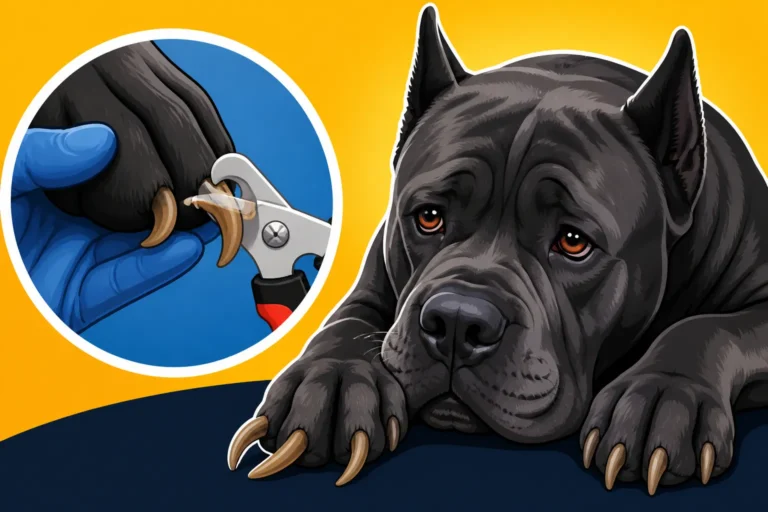
Start by thoroughly inspecting each paw after any significant activity. Gently separate the toes and check the pads for any foreign objects, redness, swelling, cuts, or blisters. This is a great time to make sure their nails aren't too long, as How Fast a Cane Corso's Nails Grow Back Between Trims is something owners often underestimate, and overgrown nails can cause pain and alter gait. If your Cane Corso has been on wet or muddy ground, ensure their paws are completely dry to prevent fungal growth.
If they've walked on chemically treated surfaces (like sidewalks in winter), rinse their paws thoroughly with warm water and mild soap to remove any irritants. After cleaning, a good paw balm can be massaged into the pads to keep them moisturized and supple, especially if you live in a dry climate. Don't forget to trim the hair between their paw pads regularly; this prevents matting, accumulation of debris, and can improve their grip on slippery surfaces. Consistent care helps prevent issues and allows you to catch minor problems before they become major.
Training Your Cane Corso for Foot Protection Acceptance
Getting a powerful, independent breed like the Cane Corso to happily accept something new on their feet can be a challenge. It takes patience, positive reinforcement, and a gradual approach. The goal is to make foot protection a non-event, something they associate with good things rather than discomfort.
Making Boots a Positive Experience
Introducing boots to a Cane Corso, especially a full-grown one, requires a sensitive touch. Avoid simply strapping them on and expecting your dog to love it. Start by letting them sniff and investigate the boots. Offer high-value treats and praise near the boots. The next step is to put one boot on, just for a few seconds, while immediately offering a treat. Take it off quickly. Repeat this several times over a short session.
Gradually increase the number of boots and the duration they wear them. Practice walking around the house for a minute or two, always with positive reinforcement and treats. Many dogs will do a clumsy "moonwalk" or try to shake them off initially; ignore this behavior if it's not destructive, and praise when they take a normal step. Associate the boots with something positive, like a favorite toy, a game, or heading out for a walk they enjoy. If you're planning a serious hike, practice wearing the boots for shorter walks in preparation. Patience really is key here; rushing the process will only make your Cane Corso resistant.
The Importance of Consistent Desensitization
Beyond just boots, consistent desensitization to paw handling is vital for a Cane Corso, not only for accepting protection but for general health checks and routine grooming. From the moment you bring your Cane Corso puppy home, make touching their paws a regular, positive experience. Gently hold their paws, spread their toes, and touch their nails while offering treats and calm praise. This builds a foundation of trust and tolerance.
As they grow, continue this routine. This makes it far easier to perform essential tasks like nail trims – a common struggle for many large dog owners. If you've ever had to Restraining a Cane Corso That Fights Nail Trims, you know how challenging it can be without prior desensitization. Regular paw handling allows you to check for injuries, clean between pads, and apply balms without a struggle. The more comfortable your Cane Corso is with you handling their feet, the smoother the process of introducing and maintaining any form of foot protection will be, setting them up for a lifetime of healthy paws.
Long-Term Paw Health for Your Working Companion
Foot protection is a great tool, but it's just one piece of the puzzle when it comes to keeping your working Cane Corso's paws in top condition. Their paw health is intricately linked to their overall well-being, from what they eat to their routine veterinary care. Focusing on these broader aspects will build resilience from the inside out.
Nutrition and Overall Health
What goes into your Cane Corso's bowl directly impacts the health of their skin, coat, and crucially, their paw pads. A balanced, high-quality diet provides the necessary vitamins, minerals, and fatty acids to support healthy tissue growth and repair. Essential fatty acids, particularly omega-3s, are known to improve skin elasticity and moisture, which can make paw pads more supple and less prone to cracking. Consider a high-quality kibble from a brand like Chewy or explore fresh food options from Ollie, which often boast excellent nutritional profiles.
Maintaining a healthy weight is also paramount. These are big dogs, and excess weight places undue stress on all their joints and paws. A lean Cane Corso not only moves more efficiently but also reduces the impact forces on their paw pads during activity. We've often discussed how Why a Lean Cane Corso Keeps Its Hips Longer is crucial, and the same principle applies to their entire skeletal structure and extremities. If you're concerned about their weight, review What a Cane Corso Should Weigh at Six Months as a puppy and track their progress carefully into adulthood. Discussing diet and supplements with your vet can also be beneficial, as they might suggest specific additions like fish oil or even Whether a Cane Corso Needs Joint Supplements From Two to further support their musculoskeletal system, including their hardworking feet.
Regular Veterinary Check-ups
Just like the rest of their body, your Cane Corso's paws benefit immensely from regular veterinary oversight. During routine check-ups, your vet can examine their paws, identifying any subtle issues you might have missed, such as early signs of infection, abnormal nail growth, or even structural problems that could predispose them to injury.
Don't hesitate to bring up any concerns you have about your Cane Corso's paws during these visits. If you've noticed a change in their gait, persistent licking, or any unusual growths, your vet can provide an accurate diagnosis and recommend appropriate treatment. They can also offer advice on the best types of paw protection for your specific lifestyle and environment, as well as guidance on nutritional supplements that might boost paw health. Think of it as preventative maintenance for their most important "tools"—their feet. Good veterinary care is an investment in your working Cane Corso's long-term comfort and ability to do what they love.
Disclaimer
This article is for general informational purposes only and does not constitute professional advice. Laws, prices and regulations vary by location and change over time. Consult a qualified professional for guidance on your specific situation.