Hips and Elbows a Cane Corso Must Be Cleared On
Bringing a Cane Corso into your life is an incredible commitment, and few things are more heartbreaking than watching your powerful, majestic companion struggle with pain and mobility issues far too early in their life. Hip and elbow dysplasia are unfortunately common culprits in large and giant breeds like our beloved Corsos, and the worry about these conditions can hang heavy over any responsible owner. This comprehensive guide is here to walk you through everything you need to know about hip and elbow clearances, from understanding the conditions themselves to proactive management and choosing a breeder who takes these issues seriously.
Understanding Hip Dysplasia in Cane Corsos
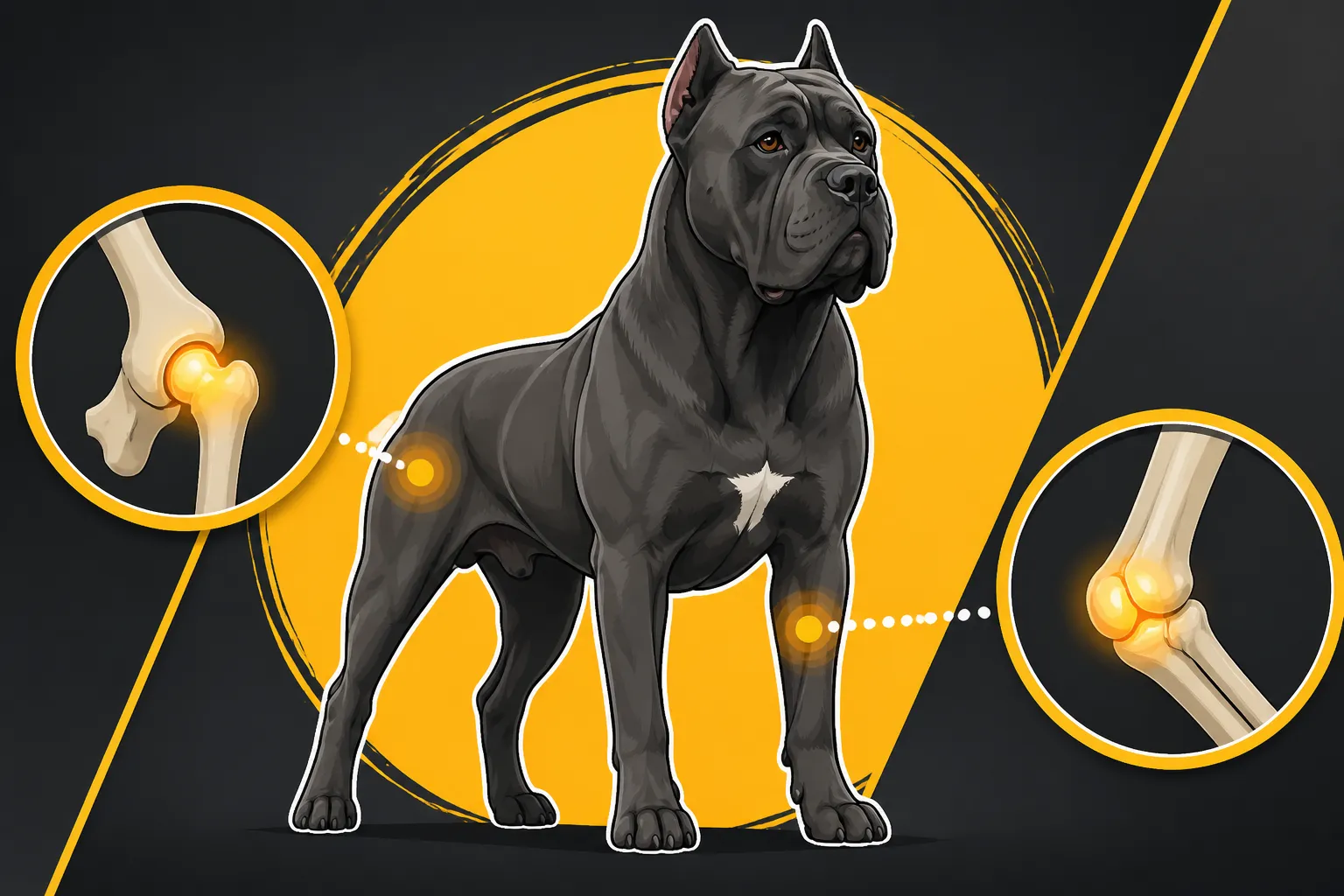
Hip dysplasia is a condition that, for many Cane Corso owners, feels like a dark cloud hanging over their dog's early life. It's a developmental orthopedic disease that essentially means the hip joint, which is a ball-and-socket joint, doesn't form correctly. Instead of the femur head (the "ball") fitting snugly and smoothly into the acetabulum (the "socket") of the pelvis, there's a looseness, or laxity. This poor fit causes grinding, instability, and over time, leads to degenerative joint disease and painful arthritis. It's not just a minor inconvenience; it can be profoundly debilitating for a dog of the Cane Corso's size and build.
What Exactly is Hip Dysplasia?
At its core, hip dysplasia is a multifactorial disease, meaning it's caused by a combination of genetic predisposition and environmental factors. Your Cane Corso's genetic blueprint plays a huge role; if their parents or close relatives had hip dysplasia, the chances are significantly higher that your pup will too. However, genetics aren't the whole story. Even a pup with excellent genetics can develop issues if environmental factors aren't managed carefully. Think of it like a puzzle where several pieces need to fit together perfectly for a healthy outcome. When those pieces don't align, the joint starts to wear down.
The structural problems vary. Sometimes the socket is too shallow, sometimes the ball is flattened or misshapen, and often, it's a combination. This laxity causes the bones to rub against each other, damaging the cartilage and bone surface. The body tries to compensate by laying down new bone, leading to painful bone spurs and further degeneration, which is the hallmark of osteoarthritis. This degenerative process is irreversible, but its progression can be influenced by how we care for our dogs.
How Hip Dysplasia Manifests in a Growing Cane Corso
The signs of hip dysplasia can be incredibly varied and frustratingly subtle, especially in a stoic breed like the Cane Corso. You might notice your energetic puppy suddenly having a "bad leg day," or exhibiting a reluctance to jump into the car, something they once did with ease. The onset can be as early as four or five months, or it might not become apparent until your dog is a year or two old and fully grown. This makes it difficult to pinpoint without proper screening.
Common signs often include a noticeable limp, particularly after exercise or getting up from rest. They might display a "bunny hop" gait, using both hind legs simultaneously when running, rather than alternating them. You might also observe a decrease in activity level, a reluctance to climb stairs, or even a change in their personality as they cope with chronic pain. Owners often mistake these signs for clumsiness or typical puppy growing pains, but with a breed prone to hip issues, these subtle cues warrant immediate veterinary attention. For more specific insights into this, you might find our article on Hip Dysplasia in a Fast Growing Cane Corso particularly helpful.
The Long-Term Impact on Quality of Life
The long-term impact of untreated or poorly managed hip dysplasia on a Cane Corso's quality of life can be devastating. As the degenerative joint disease progresses, the pain becomes more constant and severe. What starts as a mild limp can escalate to chronic lameness, muscle atrophy in the hindquarters, and a significant reduction in mobility. Imagine a powerful, athletic dog like a Cane Corso, built for work and protection, being unable to enjoy a simple walk without discomfort.
Eventually, the severe pain can lead to changes in behavior, including irritability, aggression, or withdrawal. Many owners are faced with difficult decisions about pain management, costly surgeries, or in the worst-case scenarios, euthanasia when their beloved companion's quality of life diminishes beyond repair. This is why understanding and addressing hip dysplasia early is paramount; it’s about giving our dogs the best chance at a comfortable, active life.
Navigating Elbow Dysplasia in Your Giant Breed
Just as critical as hip health is the integrity of your Cane Corso's elbows. Elbow dysplasia is another complex developmental disease that affects the elbow joint, which is comprised of three bones: the humerus, radius, and ulna. When these bones don't grow at precisely the same rate or fit together perfectly, it creates abnormal stress on the joint. Like hip dysplasia, it's hereditary but can be exacerbated by environmental factors. It's often more challenging to diagnose and treat than hip dysplasia due to the intricate nature of the elbow joint.
The Complexities of Elbow Dysplasia
Elbow dysplasia isn't a single condition but rather a collection of four specific developmental abnormalities that can occur independently or in combination. These include:
- Fragmented Coronoid Process (FCP): This is the most common form, where a small piece of bone breaks off the coronoid process of the ulna and irritates the joint.
- Ununited Anconeal Process (UAP): This occurs when the anconeal process, a bony projection on the ulna, fails to fuse with the rest of the ulna bone, leading to instability.
- Osteochondrosis (OCD): This involves abnormal cartilage development, where cartilage separates from the underlying bone, creating a flap that causes pain and inflammation.
- Elbow Incongruity: This refers to an abnormal fit between the joint surfaces of the humerus, radius, and ulna.
Any of these issues can lead to chronic pain, inflammation, and ultimately, debilitating arthritis. The complexity means that diagnosis requires careful examination, often including multiple X-ray views and sometimes more advanced imaging like CT scans or arthroscopy. For a deeper dive into the specifics of this condition, our article on Elbow Dysplasia and a Cane Corso's Front End offers valuable insights.
Recognizing the Early Signs of Elbow Issues
Detecting elbow dysplasia early can be tricky because Cane Corsos are often stoic and may try to hide their pain. The most common sign is a forelimb lameness, usually in one leg, which might be intermittent at first and worsen after exercise. You might observe a stiff, choppy gait, or your dog might hold the affected limb slightly away from their body. Getting up from rest can be particularly difficult, and they might seem hesitant to run, jump, or play as they once did.
Other subtle signs include a reluctance to put weight on the affected limb, noticeable swelling around the elbow, or even a grinding or clicking sound when the joint is flexed. If you gently palpate their elbow, they might flinch or show signs of pain. These symptoms can appear in puppies as young as 5-8 months old. If you're seeing any of these signs, don't delay a vet visit. Early diagnosis can make a significant difference in managing the condition.
Why Early Detection is Critical for Cane Corsos
For a large, powerful breed like the Cane Corso, early detection of elbow dysplasia isn't just important—it's absolutely critical. Their sheer size and weight put immense stress on already compromised joints. Catching these issues early allows for prompt intervention, which can often include surgical correction. While surgery doesn't guarantee a completely normal joint, it can significantly reduce pain, slow the progression of arthritis, and improve your dog's long-term mobility and comfort.
Without early detection and intervention, the constant irritation and abnormal forces within the joint will inevitably lead to severe, crippling osteoarthritis. This can severely limit your Cane Corso's ability to move, exercise, and live a full life, leading to chronic pain management needs and a diminished quality of life. Proactive measures, even for suspected cases, can truly make a world of difference for your giant companion.
The Essential Role of Health Clearances
When you're looking for a Cane Corso, especially a puppy, one of the most important things to consider is the health clearances of the parents. This isn't just a fancy phrase; it's a critical tool used by responsible breeders to minimize the risk of passing on debilitating genetic conditions like hip and elbow dysplasia. These clearances are official certifications, typically from organizations like the Orthopedic Foundation for Animals (OFA) or through programs like PennHIP, that evaluate the structural integrity of a dog's joints. Ignoring these certifications is like buying a car without checking if the engine works—you're just asking for trouble down the road.
Understanding OFA and PennHIP Evaluations
There are two primary methods for evaluating hip health in dogs: OFA and PennHIP. Both are valuable, but they differ in their approach and the information they provide. Understanding these differences is crucial for any prospective Cane Corso owner.
OFA (Orthopedic Foundation for Animals):
The OFA certification relies on a single X-ray taken when the dog is at least 24 months old. This X-ray is reviewed by three independent, board-certified radiologists who grade the hips based on a comparison to an ideal hip joint. The grades range from Excellent, Good, Fair (all considered passing), to Borderline, Mild, Moderate, and Severe (all considered dysplastic). Elbows are similarly graded as Normal or Dysplastic (Grade I, II, or III). This is a well-established and widely recognized system in the dog world.
PennHIP (Pennsylvania Hip Improvement Program):
PennHIP is a more objective, quantitative method that can be performed on dogs as young as 16 weeks (though often done closer to a year for Cane Corsos). It involves three distinct X-ray views to measure hip laxity – how loose the hip joint is. The key measurement is the Distraction Index (DI), a numerical value ranging from 0 to 1. A DI close to 0 indicates very tight hips, while a DI close to 1 indicates very loose hips. The results are percentile rankings, showing how a dog compares to others within its breed. Tighter hips are associated with a lower risk of developing hip dysplasia.
Here's a quick comparison of the two:
| Feature | OFA (Orthopedic Foundation for Animals) | PennHIP (Pennsylvania Hip Improvement Program) |
|---|---|---|
| Minimum Age | 24 months for final certification | 16 weeks (often closer to 1 year for large breeds) |
| Method | Single standard X-ray view, evaluated by radiologists | Three specialized X-ray views, measures hip laxity quantitatively |
| Results | Qualitative grades (Excellent, Good, Fair, Mild, etc.) | Quantitative Distraction Index (DI) and percentile ranking |
| Purpose | Evaluates conformation, widely used for breeding decisions | Predicts likelihood of developing hip dysplasia based on laxity |
| Sedation | Often recommended | Required |
| Predictive Value | Good for screening, less predictive in young dogs | Stronger predictive value, especially in younger dogs |
Many responsible Cane Corso breeders utilize both methods or at least one comprehensive approach to give their puppies the best possible start. Our article on Reading a Cane Corso's Hip Grade Against the CHIC List delves into how to interpret these results in conjunction with comprehensive health information.
When and How to Get Your Cane Corso Tested
If you're embarking on the journey of Cane Corso ownership, understanding when and how these tests are performed is vital, whether you're a prospective breeder or simply ensuring your dog's health.
For OFA certification, your Cane Corso must be at least 24 months old. This is because the hip joints are still developing up to that age, and an earlier X-ray might not accurately reflect the final joint conformation. The procedure involves taking a specific X-ray view, typically with the dog heavily sedated or under general anesthesia to ensure proper positioning. This ensures the muscles are relaxed and allows for an accurate assessment of the joint. The X-rays are then submitted to OFA for evaluation by certified radiologists.
For PennHIP evaluation, the dog can be tested as young as 16 weeks, though for a large breed like the Cane Corso, many vets prefer to wait until they are closer to a year old to get a more definitive reading without the rapid growth phases interfering. PennHIP also requires heavy sedation or anesthesia because it involves manipulating the hips into specific positions to measure joint laxity. The X-rays are then sent to PennHIP for their proprietary analysis. If you're curious about earlier screening, you might find information in Screening a Cane Corso Puppy's Hips Early insightful.
Deciphering Clearance Results and What They Imply
Receiving your Cane Corso's hip and elbow clearance results can feel like reading a foreign language if you're not familiar with the terminology. But understanding them is key, especially if you plan to breed or simply want to proactively manage your dog's health.
For OFA hip results, "Excellent," "Good," and "Fair" are considered passing grades, indicating hips within healthy limits. "Borderline" is a tricky one; it suggests some minor irregularities that don't quite fit the passing criteria but aren't clearly dysplastic. In such cases, a re-evaluation after 6-12 months might be recommended. "Mild," "Moderate," or "Severe" indicate varying degrees of hip dysplasia. For OFA elbow results, "Normal" is the desired outcome. Grades I, II, or III indicate dysplasia, with increasing severity.
PennHIP results are given as a Distraction Index (DI) for each hip, along with a percentile ranking. A lower DI indicates tighter hips and less risk of dysplasia. For example, a dog with a DI of 0.3 might be in the 90th percentile, meaning 90% of Cane Corsos have looser hips. Breeders generally aim for dogs with DIs in the tighter range for their breed (typically below 0.5 for most breeds).
These results have significant implications. For breeding, only dogs with passing OFA clearances (Fair or better for hips, Normal for elbows) or sufficiently tight PennHIP scores should be considered. Breeding dogs with dysplastic clearances will perpetuate these debilitating conditions in future generations. For pet owners, these results can inform future care strategies, such as managing exercise, diet, and considering joint supplements early on. It's also worth noting that the Why the Cane Corso Panel Now Includes Kneecaps article can give you a broader perspective on the comprehensive testing approach for the breed.
Beyond Genetics: Environmental Factors Influencing Joint Health
While genetics lay the groundwork, they aren't the sole determinant of whether a Cane Corso develops hip or elbow dysplasia. Environmental factors play a monumental role, especially during their critical growth phases. Owners often feel a sense of helplessness when thinking about genetic conditions, but the truth is, there's a lot you can do to support your Cane Corso's joint health from puppyhood through their senior years. It’s about creating an environment that encourages healthy development and minimizes stress on their rapidly growing skeletal system.
The Critical Impact of Nutrition on Puppy Growth
Feeding a giant breed puppy like a Cane Corso isn't as simple as just putting food in a bowl. Their nutritional needs are highly specific, and getting it wrong can significantly increase the risk of developmental orthopedic diseases. The biggest mistake many owners make is overfeeding or feeding a diet with an incorrect calcium-to-phosphorus ratio.
Rapid growth, often fueled by diets too high in calories, protein, or calcium, puts undue stress on immature joints and bones. This can lead to growth plate issues, bone development abnormalities, and exacerbate a genetic predisposition to dysplasia. Instead, Cane Corso puppies need a high-quality, large-breed puppy formula designed to support slow, steady growth. These diets typically have a carefully controlled calcium-to-phosphorus ratio (around 1.1:1 to 1.5:1) and a moderate calorie density. Avoid adding extra calcium supplements unless specifically directed by your vet, as this can be detrimental. Our article on Why a Cane Corso Puppy Should Not Grow Too Fast goes into this in more detail.
Managing Exercise and Activity Levels in a Growing Cane Corso
It's tempting to want to play and exercise vigorously with an energetic Cane Corso puppy, but controlled activity is paramount during their growth phase. Their bones, joints, and growth plates are still soft and vulnerable to injury from high-impact activities. Over-exercising a growing Cane Corso can cause irreversible damage.
This means avoiding activities like prolonged running on hard surfaces, excessive jumping (especially off elevated surfaces like beds or couches), intense agility training, or forced long walks before they are fully mature. Instead, focus on short, frequent, low-impact play sessions on soft surfaces like grass. Think supervised free play, gentle leash walks, and mental stimulation rather than physical endurance. Gradually increase activity levels as they mature, usually after 18-24 months of age when their growth plates have closed. For instance, too much high-impact activity can also contribute to issues like Cruciate Tears in a Hundred Pound Cane Corso, highlighting the importance of proper exercise management.
Maintaining a Healthy Weight Throughout Their Life
Perhaps one of the most controllable environmental factors affecting joint health is maintaining your Cane Corso's ideal body weight. Every extra pound your dog carries places additional strain on their joints, accelerating the wear and tear process, and worsening the pain and progression of conditions like hip and elbow dysplasia.
Monitoring their body condition regularly is essential. You should be able to easily feel, but not necessarily see, their ribs without pressing hard. They should have a noticeable waist when viewed from above and an abdominal tuck when viewed from the side. If you're struggling to keep weight off, consult your vet to adjust their diet and exercise regimen. Even for dogs with healthy joints, keeping them lean can prolong their comfort and mobility for years. For more information, read up on What Extra Weight Does to a Cane Corso's Hips to understand the specific risks.
Surgical and Non-Surgical Management Options
Discovering your Cane Corso has hip or elbow dysplasia can be incredibly disheartening. The good news is that there are various management strategies available, ranging from conservative, non-surgical approaches to advanced surgical interventions. The best path forward depends on the severity of the condition, your dog's age, overall health, and your family's lifestyle and financial capabilities. It's a journey that requires close collaboration with your veterinarian and often, a board-certified orthopedic specialist.
Medical and Conservative Approaches
For many Cane Corsos, especially those with mild to moderate dysplasia, or those who are not candidates for surgery, conservative management can significantly improve their quality of life. This approach focuses on pain control, reducing inflammation, and maintaining muscle mass and joint function.
- Pain Management: This often involves a combination of Non-Steroidal Anti-Inflammatory Drugs (NSAIDs) like carprofen or meloxicam, to reduce pain and inflammation. Your vet might also prescribe other pain medications or nerve pain modifiers.
- Joint Supplements: Products containing glucosamine, chondroitin, MSM, and Omega-3 fatty acids can support cartilage health, reduce inflammation, and improve joint lubrication. Brands like Cosequin or Dasuquin are commonly recommended. It's always best to discuss these with your vet before starting them. You can learn more about this in Whether a Cane Corso Benefits From Joint Supplements.
- Physical Rehabilitation: This is a game-changer for many dogs with joint issues. It can include hydrotherapy (underwater treadmill), therapeutic exercises, massage, laser therapy, and acupuncture. A certified canine rehabilitation therapist can develop a tailored program to strengthen muscles, improve range of motion, and reduce pain without putting excessive stress on joints.
- Weight Management: As discussed, keeping your Cane Corso at a lean, healthy weight is crucial to reduce stress on affected joints.
- Controlled Exercise: Low-impact, consistent exercise helps maintain muscle strength and joint flexibility without exacerbating pain. Short, frequent walks, swimming, and gentle leash work are ideal. Avoid high-impact activities, jumping, or sudden turns. Our article on Managing Arthritis in a Hundred Pound Cane Corso provides comprehensive advice for long-term care.
Understanding Surgical Interventions for Hips
When conservative management isn't enough, or for severe cases, surgery may be the best option for hip dysplasia. The choice of procedure depends on several factors, including the dog's age, size, and the severity of their dysplasia.
- Juvenile Pubic Symphysiodesis (JPS): This procedure is only suitable for very young puppies (typically 14-20 weeks old). It involves fusing a small part of the pelvis, which encourages the remaining parts to grow in a way that creates a tighter, better-formed hip socket. It's a preventive surgery for pups identified at high risk.
- Triple Pelvic Osteotomy (TPO) / Double Pelvic Osteotomy (DPO): These surgeries are for dogs under one year of age with significant hip laxity but without existing degenerative joint disease. They involve cutting and rotating parts of the pelvis to improve the coverage of the femoral head by the acetabulum, thereby stabilizing the joint.
- Femoral Head Ostectomy (FHO): This is a salvage procedure where the head and neck of the femur are surgically removed. The body then forms a "false joint" of scar tissue. While it doesn't create a normal joint, it eliminates bone-on-bone pain. It's often considered for smaller dogs or when total hip replacement isn't feasible due to cost or other factors.
- Total Hip Replacement (THR): This is the gold standard for treating severe, painful hip dysplasia in mature dogs. It involves replacing the diseased hip joint with prosthetic implants (a new socket and femoral head). THR offers excellent long-term results, restoring pain-free function and greatly improving quality of life. It's a complex and expensive procedure but can be life-changing for the right candidate.
Surgical Solutions for Elbow Dysplasia
Similar to hip dysplasia, surgical intervention for elbow dysplasia aims to address the specific anatomical abnormality causing pain and to slow the progression of arthritis. The type of surgery depends on the underlying issue.
- Arthroscopy: This minimally invasive procedure uses a small camera to visualize the inside of the joint. It's often used to remove fragmented coronoid processes (FCP) or osteochondral flaps (OCD). Arthroscopy allows for precise removal of the offending fragments and a quicker recovery compared to open surgery.
- Ununited Anconeal Process (UAP) Repair: If diagnosed early, the anconeal process can sometimes be reattached with a screw. In chronic cases, removal of the ununited fragment may be necessary, often followed by an osteotomy (cutting the bone) to relieve pressure on the joint.
- Proximal Ulna Osteotomy: This procedure involves cutting the ulna bone to realign the joint surfaces, which can relieve pressure on specific areas and improve congruity, especially in cases of FCP or UAP.
- Sliding Humeral Osteotomy: A newer technique that involves cutting and repositioning the humerus to change the load-bearing surface of the joint.
- Canine Unicompartmental Elbow (CUE) replacement / Total Elbow Replacement: These are advanced, highly specialized procedures. CUE replaces only the affected compartment of the elbow, while total elbow replacement replaces the entire joint with prosthetics. These are typically reserved for end-stage arthritis where other treatments have failed, as they are complex, carry significant risks, and have a high cost.
Living with a Cane Corso Affected by Joint Issues
When your Cane Corso is diagnosed with hip or elbow dysplasia, it marks a significant shift in your ownership journey. It moves from simply caring for a healthy dog to actively managing a chronic condition. This can be overwhelming, both emotionally and practically. However, with dedication and the right support, you can ensure your beloved companion continues to live a full, comfortable, and happy life. It's about adapting your home, maintaining consistent veterinary care, and understanding the financial and emotional commitment involved.
Adjusting Your Home for Optimal Mobility
Making thoughtful adjustments to your home environment can dramatically improve your Cane Corso's comfort and mobility, especially as their joint issues progress. Think about minimizing obstacles and providing support.
- Non-Slip Flooring: Slippery surfaces like hardwood, tile, or laminate can be treacherous for dogs with compromised joints, making them prone to slips and falls that can exacerbate pain or cause injury. Lay down non-slip runners, area rugs, or carpet tiles in high-traffic areas. You can also buy grip socks or paw pads for your dog.
- Orthopedic Beds: Investing in a high-quality orthopedic bed is non-negotiable. These beds provide superior support and cushioning, relieving pressure points and making it easier for your Cane Corso to get up and lie down. Look for beds with dense, supportive foam, not just fluffy stuffing. Orthopedic Beds Rated for a Cane Corso's Weight could give you some great ideas.
- Ramps and Stairs: Prevent jumping on and off furniture or in and out of vehicles. Provide sturdy ramps or pet stairs for accessing couches, beds, and cars. This eliminates the impact that jars already painful joints.
- Raised Food and Water Bowls: While sometimes debated in relation to bloat, for dogs with front leg issues, raised bowls can prevent them from having to bend down uncomfortably, reducing strain on their elbows and neck.
- Accessibility: Consider installing baby gates to block off stairs or areas that might be difficult to navigate. Ensure their resting spots are easily accessible and away from drafts.
The Importance of Ongoing Veterinary Care and Monitoring
Living with a Cane Corso with hip or elbow dysplasia means committing to a lifetime of ongoing veterinary care and vigilant monitoring. This isn't a "one-and-done" situation; their needs will evolve, and your management plan will need to adapt accordingly.
- Regular Check-ups: Schedule frequent veterinary visits, even when your dog seems stable. These check-ups allow your vet to assess their pain levels, monitor their mobility, and identify any new symptoms or progression of the disease.
- Medication Adjustments: Your vet will work with you to find the most effective pain management regimen, which might involve adjusting dosages, trying different medications, or incorporating new therapies as needed. It's crucial to never self-medicate or alter prescriptions without veterinary guidance.
- Physical Rehabilitation Maintenance: If your dog undergoes physical therapy, periodic maintenance sessions or home exercises will be vital to sustain muscle strength and flexibility.
- Quality of Life Discussions: As your Cane Corso ages, these conversations become increasingly important. Your vet can help you assess their overall comfort, happiness, and ability to engage in activities they once loved. Being honest about your dog's good days and bad days is crucial for making informed decisions.
Emotional and Financial Realities for Owners
Let's be real: managing hip and elbow dysplasia in a Cane Corso isn't just physically demanding for the dog; it's emotionally and financially taxing for the owner. The costs associated with diagnostics, medications, physical therapy, and potentially surgery can quickly add up, easily reaching thousands or even tens of thousands of dollars over a dog's lifetime.
The emotional toll can be just as heavy. Watching your powerful dog struggle, dealing with chronic pain, and having to restrict activities can lead to feelings of guilt, sadness, and frustration. It's important to acknowledge these feelings and seek support if needed. Connecting with other Cane Corso owners who have dealt with similar issues can provide invaluable advice and camaraderie.
This is also where considering pet insurance can be a lifesaver. Companies like Healthy Paws offer comprehensive plans that can cover a significant portion of unexpected vet bills for accidents and illnesses, including those related to hip and elbow dysplasia if the condition isn't pre-existing before coverage starts. Having a reliable pet insurance policy, such as one from Healthy Paws, can alleviate some of the financial burden and allow you to make treatment decisions based on what's best for your dog, rather than solely on cost. It's an investment that can provide immense peace of mind. Many owners attest to how Healthy Paws helped them navigate the unexpected costs associated with their large breed's health challenges.
Choosing a Responsible Cane Corso Breeder
The single most impactful decision you can make to mitigate the risk of hip and elbow dysplasia in your future Cane Corso is choosing a responsible, ethical breeder. This isn't about finding the cheapest puppy or the closest breeder; it's about finding someone who prioritizes health, temperament, and genetic soundness above all else. A truly responsible breeder will be transparent, knowledgeable, and proactive in screening their breeding stock. This crucial step can save you and your future companion years of heartache and significant financial strain.
What to Look For in Parent Health Clearances
When evaluating a potential Cane Corso breeder, the health clearances of the parent dogs should be at the top of your checklist. Don't just take their word for it; ask for proof and verify the information.
- OFA and/or PennHIP Results: Insist on seeing official OFA certificates for hips (graded Fair, Good, or Excellent) and elbows (graded Normal). For PennHIP, ask for the Distraction Index (DI) scores and percentile rankings. A responsible breeder will have these readily available and understand what they mean. You can often verify OFA results directly on the OFA website using the dog's registered name or registration number.
- CHIC Numbers: The Canine Health Information Center (CHIC) program, sponsored by the OFA and participating breed clubs, provides a centralized database for canine health information. A CHIC number indicates that a dog has had all the health screenings recommended by its parent breed club. For Cane Corsos, this typically includes hips, elbows, cardiac, and eyes. A dog with a CHIC number has met these breed-specific health testing requirements, indicating a breeder who is serious about comprehensive screening. This links directly to What a Cane Corso CHIC Number Actually Certifies.
- Beyond the Minimum: Look for breeders who go beyond the minimum requirements. Some might include patella (kneecap) evaluations, thyroid screenings, or DNA tests for other breed-specific genetic conditions. This shows a commitment to producing the healthiest puppies possible.
Inquiring About Littermate and Ancestral Health
A good breeder looks beyond just the immediate parents; they consider the entire health history of their breeding lines. While individual clearances are crucial, understanding the broader picture of health within a pedigree offers an even deeper insight into potential genetic risks.
- Littermate Health: Ask the breeder about the health of past puppies from the same parents or from the parents' previous litters. Are there any known cases of hip or elbow dysplasia in full siblings? While not definitive, a clean bill of health across multiple litters is a good sign.
- Grandparent and Great-Grandparent Health: Inquire about the health clearances and longevity of the grandparents and great-grandparents. Are these dogs consistently producing healthy offspring? Are they living long, healthy lives without debilitating joint issues? A strong, healthy lineage is a hallmark of responsible breeding.
- Transparency About Issues: A truly honest breeder won't claim their lines are "perfect." They should be open about any health challenges they've encountered in their breeding program, how they've addressed them, and what steps they've taken to reduce their recurrence. This transparency is a sign of integrity and a commitment to continuous improvement.
- The Cane Corso Study That Followed 232 Dogs can be a good reference point for understanding breed-wide health trends and asking informed questions about a breeder's lines.
The Importance of a Health Guarantee
A health guarantee is a contract between the breeder and the buyer that outlines the breeder's responsibility should certain genetic health issues arise within a specified timeframe. For hip and elbow dysplasia, these guarantees typically cover the first 24-30 months of a dog's life, coinciding with the age at which official clearances can be obtained.
- Read the Fine Print: Don't just assume a health guarantee covers everything. Carefully read the terms and conditions. What exactly does it cover? What are the breeder's obligations (e.g., replacement puppy, partial refund, assistance with vet bills)? What are your responsibilities as the buyer (e.g., maintaining proper nutrition, timely vet care, not over-exercising)?
- Realistic Expectations: Understand that a health guarantee doesn't mean your dog will never have health problems. It's a promise that the breeder has done their best to minimize the risk and will stand by their puppies if a covered genetic issue occurs. It's a safety net, not a shield against all possible ailments.
- Breeder Support: Beyond the legal terms, a good breeder will offer ongoing support and advice throughout your dog's life. They should be a resource you can turn to with questions about health, training, or behavior. This kind of lifelong commitment is a strong indicator of a reputable breeder.
Disclaimer
The information provided in this article is for general educational purposes only and is not intended to be a substitute for professional veterinary advice, diagnosis, or treatment. Always seek the advice of your veterinarian or other qualified animal health provider with any questions you may have regarding a medical condition. Never disregard professional veterinary advice or delay in seeking it because of something you have read in this article.