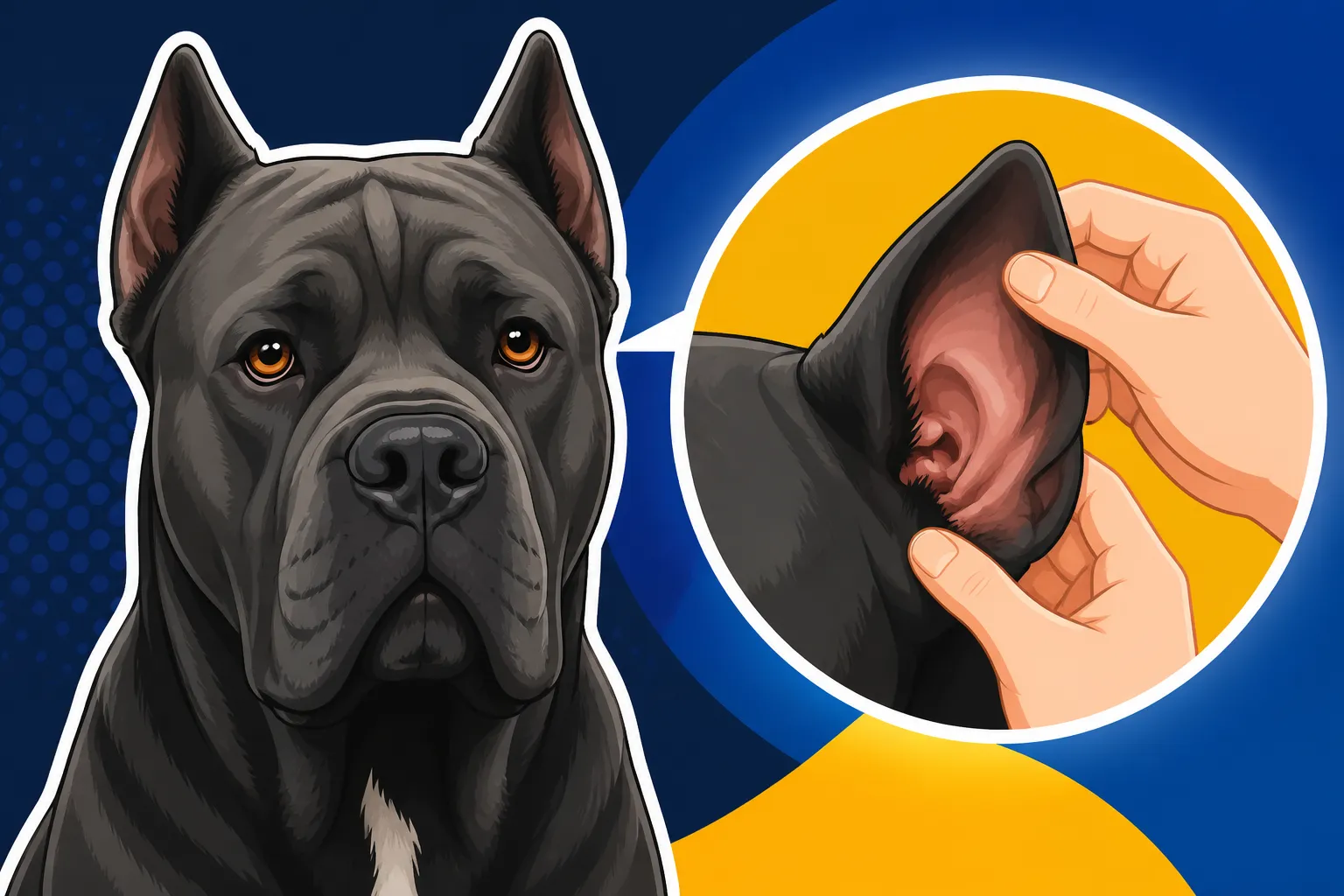
The Weekly Ear Check a Cane Corso Owner Should Do
As a Cane Corso owner, it’s easy to overlook the simple, routine tasks until they become a big problem. Ear health, in particular, often gets pushed to the back burner, leading to painful infections that could have been avoided. This guide is here to walk you through a practical, no-nonsense weekly ear check routine that will keep your giant companion comfortable and healthy, saving you stress and vet bills down the road.
Why Weekly Ear Checks Are Crucial for Your Cane Corso
When you have a Cane Corso, you quickly learn that their sheer size and powerful presence demand respect and a diligent approach to their care. Their ears, whether natural or cropped, are often an area where issues can fester unnoticed, leading to discomfort and potentially serious infections. A weekly ear check isn't just about cleaning; it's about prevention, early detection, and ultimately, your dog's overall well-being.
The Unique Challenges of Cane Corso Ears
Cane Corsos, by nature of their breed, come with a predisposition to certain ear issues that make routine checks absolutely non-negotiable. For those with natural, uncropped ears, the heavy, pendulous leather creates a warm, moist, and dark environment—a perfect breeding ground for bacteria and yeast. This isn't just a minor inconvenience; it's a constant invitation for trouble. Think of it like a humid greenhouse for microscopic organisms, and every time your Corso rolls in the grass or splashes in a puddle, new "seeds" are introduced. This damp, dark space means that air circulation is minimal, which traps moisture and makes it incredibly difficult for the ear canal to dry out properly, especially after a bath or a romp in the rain.
Even if your Cane Corso has cropped ears, they aren't entirely off the hook, though the challenges differ. Cropped ears are designed to stand erect, allowing for much better airflow, which significantly reduces the risk of yeast and bacterial overgrowth associated with dampness. However, the healing process for cropped ears can be lengthy and requires meticulous aftercare, often involving taping or "posting" to achieve the desired stand. During this period, the taped ears can still create pockets where moisture and debris can accumulate, leading to irritation or infection around the edges or within the taped sections if not managed carefully. Even after healing, cropped ears still collect dust, dirt, and occasional foreign bodies, and the visible inner ear can sometimes appear healthy when deeper issues are brewing. It's a different battle, but a battle nonetheless. For more on the specifics of both, you might find Ear Care for a Cropped and an Uncropped Cane Corso helpful.
Preventing Costly and Painful Infections
The adage "an ounce of prevention is worth a pound of cure" couldn't be more true when it comes to your Cane Corso's ears. Ignoring those weekly checks can easily lead to a full-blown ear infection, which is not only incredibly painful for your dog but also expensive and time-consuming to treat. Imagine the discomfort of a constant itch deep inside your ear, coupled with a throbbing ache. Your stoic Corso might not cry out, but they're feeling it, probably shaking their head constantly, scratching at their ear, or rubbing it along the furniture.
Treating an established ear infection typically involves a trip to the veterinarian, often requiring diagnostic tests like ear cytology to identify the specific type of bacteria or yeast involved. This can mean microscope slides, specialized washes, and then prescription ear drops or oral medications that can run a pretty penny. And it's rarely a one-and-done visit. Often, follow-up appointments are necessary to ensure the infection has cleared completely, otherwise, it can quickly rebound, leading to a frustrating cycle of recurring issues. We've all been there, staring at a vet bill and wondering if we could have caught it sooner. Proactive care, like a consistent weekly check, drastically reduces the likelihood of these scenarios. It's an investment of a few minutes each week that pays off in comfort for your dog and peace of mind for you. If you've ever dealt with The Vet Bill for a Cane Corso's Recurring Ear Infection, you know exactly what I mean.
The Anatomy of a Cane Corso's Ear and What to Look For
Before you dive into cleaning, it's really helpful to understand the basic structure of your Cane Corso's ear. Knowing what "normal" looks and smells like will make it much easier to spot when something is amiss. Their ears, like ours, are complex, but we're mostly concerned with the parts we can see and easily access for routine care.
Understanding Your Cane Corso's Outer Ear
The outer ear consists primarily of the pinna (the flap of the ear) and the external ear canal, which is what you'll be examining and cleaning. The pinna is the visible part that you can hold and lift. In a natural-eared Cane Corso, this flap is heavy and hangs down, covering the opening of the ear canal. This design is part of why they're so prone to infections; it acts like a lid, keeping air out and moisture in. The ear canal itself isn't a straight shot like a human's; it's L-shaped, first going vertically down and then turning horizontally towards the eardrum. This bend can make it harder for debris and fluid to drain out naturally, contributing to the problem.
For a cropped Cane Corso, the pinna is surgically altered to stand upright. This dramatically changes the environment, exposing the ear canal opening to more air and light. However, the L-shaped canal remains the same internally. While the visible part of the ear offers better ventilation, the deep structure can still harbor issues. Understanding this L-shape is crucial because it means you should never insert anything deep into your dog's ear canal, as you could easily damage the eardrum or push debris further in. Your cleaning efforts will focus on the visible parts and the entrance to that vertical canal.
Recognizing a Healthy Cane Corso Ear
A healthy Cane Corso ear is surprisingly distinct once you know what to look for. When you lift the ear flap (or simply look into a cropped ear), the skin lining the visible part of the ear canal should be a pale, uniform pink. It should look clean, with no excessive wax buildup or dark debris. A very small amount of light brown ear wax is normal; it's the ear's natural self-cleaning mechanism, trapping dust and dirt. However, if you see large amounts, or if it's dark brown, black, or yellowish, that’s a red flag. The skin should feel smooth and cool to the touch, without any noticeable bumps, swelling, or excessive warmth.
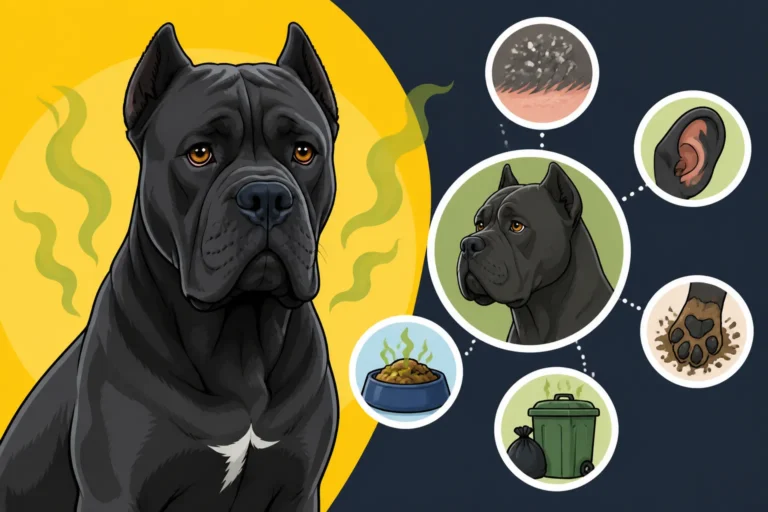
Perhaps one of the most important indicators of a healthy ear is the smell. A healthy ear should have almost no odor at all, or perhaps a very faint, clean, "doggy" smell. There should certainly be no strong, yeasty, sweet, or foul odors. If you notice a distinct smell, particularly one reminiscent of old cheese or bread dough, that's often a tell-tale sign of a yeast infection brewing. Your Cane Corso should also show no signs of discomfort when you gently handle their ears. If they flinch, pull away, whine, or snap when you touch them, it’s a clear indication that something is bothering them, even if you can’t see anything obvious. Sometimes, the issue is internal and not visible from the outside.
Differences Between Cropped and Natural Ears
The care routine for Cane Corsos with natural, floppy ears versus those with cropped ears does have some distinct differences that are important to acknowledge. For natural ears, the primary concern is the lack of air circulation, which as we discussed, leads to a warm, moist environment ripe for yeast and bacteria. This means owners of natural-eared Corsos need to be extra vigilant about drying the ears thoroughly after baths or swimming, and ensuring regular cleaning to remove trapped moisture and debris. The heavy flap itself can also get scratched or irritated on the underside. You'll want to regularly inspect the inside surface of that flap for any redness or lesions. Many natural-eared Corsos might benefit from slightly more frequent cleaning than their cropped counterparts, simply due to the environmental factors. If you're wondering Whether Natural Cane Corso Ears Trap More Dirt, the answer is often yes, due to that enclosed environment.
With cropped ears, the biggest advantage is improved airflow, which significantly reduces the risk of moisture-related infections. However, cropped ears are not maintenance-free. During the initial posting phase, the delicate skin around the edges and within the taped areas requires careful attention to prevent irritation and infection. Once the ears are standing, you'll still need to check for dirt, dust, and foreign objects that can easily enter the more exposed canal. While less prone to yeast due to better ventilation, debris can still accumulate, and the ear canal itself can still get infected if not checked. The skin inside a cropped ear might also be more exposed to sunlight, though this is rarely a significant issue. The key is to adapt your routine to the specific ear type your Cane Corso has, always focusing on cleanliness and early detection of any abnormalities. Don't forget, even cropped ears collect What Collects in a Cropped Cane Corso's Ear.
A Step-by-Step Guide to Your Weekly Cane Corso Ear Check
Alright, let's get down to business. Making ear checks a positive, routine experience for your Cane Corso is key. These dogs are intelligent and sensitive, so approaching it calmly and with plenty of rewards will make all the difference. Remember, consistency is your best friend here.
Gathering Your Ear Cleaning Supplies
Before you even call your Cane Corso over, make sure you have everything you need neatly laid out. This minimizes stress for both of you and prevents you from having to search for supplies mid-check. You'll want to have:
- A good quality ear cleaning solution: Look for one specifically designed for dogs, ideally with a drying agent and a gentle antiseptic. Your vet can recommend a brand, or you can find reputable options on platforms like Chewy or Amazon. Avoid harsh chemicals or anything with alcohol, as these can irritate sensitive ear canals.
- Cotton balls or cotton rounds: These are perfect for gently wiping the outer folds and the entrance of the ear canal. Avoid cotton swabs (Q-tips) for inside the ear canal, as they can push debris deeper and potentially damage the eardrum.
- Plenty of high-value treats: This is crucial for creating a positive association with ear handling. Think small, delicious morsels that your Cane Corso absolutely loves. Ollie often has some fantastic soft and chewy options that work wonderfully for training rewards.
- A towel: Just in case things get a little messy with solution or ear shaking.
Having these items ready means you can perform the check efficiently, turning it into a quick, pleasant routine rather than a wrestling match.
The Visual Inspection: What Your Eyes Can Tell You
This is where your detective skills come into play. Find a well-lit area, perhaps with your Cane Corso laying down or standing comfortably. Start by gently lifting the ear flap of a natural-eared Corso, or simply observe the visible parts of a cropped ear.
- Look at the overall appearance: Is the skin inside the ear a uniform pale pink, or do you see any redness, irritation, or inflammation? Redness is usually one of the first signs of trouble, indicating irritation or infection.
- Check for discharge: Is there any excessive ear wax? What color is it? Healthy wax is usually minimal and light brown. Dark brown, black, yellow, or greenish discharge is a major red flag. Also, note the texture – is it dry and flaky, or wet and gooey?
- Scan for foreign objects or parasites: Occasionally, a blade of grass, a tiny burr, or even a tick can make its way into the ear canal. For puppies, you might even spot signs of ear mites, which look like tiny black specks resembling coffee grounds.
- Examine the skin for bumps, scabs, or lesions: Sometimes, a small cut from scratching, a cyst, or a localized skin irritation can appear. If your Cane Corso has Skin Allergies That Flare on a Cane Corso, the ears are often one of the first places to show signs.
Remember, your Corso might be stoic, but any subtle flinching or head tilting when you part the fur or lift the ear is a significant clue that something might be tender or sore.
The Sniff Test and Gentle Touch
After your visual sweep, it's time to engage your other senses. The sniff test is surprisingly effective and often gives you the earliest warning. Gently bring your nose close to the opening of your Cane Corso's ear.
- What does it smell like? A healthy ear has little to no odor. If you detect a strong, yeasty smell (like bread dough or old socks), a sweet odor, or a foul, putrid scent, this is a strong indicator of an infection, most commonly yeast or bacterial. The presence of The Yeast Smell on a Cane Corso's Skin Folds can often extend to the ears.
- Next, gently feel the ear: Run your fingers over the skin inside the ear flap and around the entrance to the ear canal. Does it feel normal, or is it unusually warm? Is there any swelling or puffiness that wasn't there before? Does your dog react negatively to your touch? Warmth and swelling are classic signs of inflammation and infection.
While you're doing this, offer praise and treats generously. You want them to associate this routine with good things, not just poking and prodding. If your dog is relaxed, it makes the process easier for everyone.
Routine Cleaning Techniques
Once you've inspected and sniffed, it's time for some gentle cleaning, if needed. Remember, don't over-clean; a healthy ear often needs very little intervention.
- Apply the ear cleaner: Hold your Cane Corso's ear flap upright. Carefully squirt the ear cleaning solution directly into the ear canal, following the product's instructions. Usually, it's enough to fill the canal without overflowing. Don't be afraid; the L-shape of the canal protects the eardrum, and the solution will simply run back out.
- Massage the base of the ear: Gently massage the base of your dog's ear for about 20-30 seconds. You should hear a squishy sound as the solution breaks up wax and debris. This part is crucial for getting the cleaner down into that L-shaped canal.
- Allow your Cane Corso to shake their head: Stand back! Your dog will instinctively want to shake their head, which helps to dislodge the loosened debris and solution. This is where that towel comes in handy.
- Wipe the outer ear: Take a fresh cotton ball or round and gently wipe away any excess solution, wax, or debris from the visible parts of the ear, including the inside of the ear flap and the entrance to the ear canal. Remember, do not go deep into the ear canal with a cotton swab. Your goal is to clean what you can see and easily reach. For more detailed instructions on this, see Cleaning a Cane Corso's Ear Without Going Deep.
- Reward heavily: Finish up with enthusiastic praise and more treats. Make it a positive experience so they're more cooperative next time.
For cropped ears, the cleaning process is similar, but you might focus more on wiping the visible canal more often, as there's no flap to hold moisture, but also nothing to prevent debris from settling. If your Cane Corso's ears are still in the posting stage, special care is needed around the tape. Check out The Posting Routine After a Cane Corso Is Cropped for guidance.
Common Ear Problems in Cane Corsos and When to Call the Vet
Even with the most diligent weekly checks, sometimes issues can still crop up. Knowing what common problems look like and when to escalate to a professional is vital for your Cane Corso's health.
Signs of Bacterial or Yeast Infections
Ear infections are the most frequent culprits behind a Cane Corso's ear discomfort. They typically manifest with a combination of symptoms that, once you know them, are hard to miss.
- Strong, unpleasant odor: This is often the first and most noticeable sign. Yeast infections frequently produce a sweet or bready smell, while bacterial infections can smell foul or putrid.
- Redness and inflammation: The skin inside the ear canal will appear visibly red, swollen, and possibly warm to the touch.
- Discharge: Depending on the type of infection, you might see dark brown, black, yellow, or greenish discharge. Yeast often causes a dark, waxy, sometimes crumbly discharge, whereas bacterial infections can lead to pus-like, gooey secretions.
- Itching and scratching: Your Cane Corso will likely be scratching at their ears, rubbing their head along furniture or the floor, or shaking their head excessively. They might even hold one ear at an odd angle.
- Pain or sensitivity: They may vocalize, flinch, or resist when you try to touch their ears. In severe cases, they might even become head-shy.
- Hair loss around the ear: Constant scratching can lead to irritation and hair loss on the ear flap or surrounding areas.
These infections can be caused by various factors, including trapped moisture, allergies (which often manifest as skin and ear issues), foreign bodies, or even underlying health conditions. It's important to remember that these aren't just minor irritations; if left untreated, they can spread, cause permanent damage, or lead to chronic issues.
Dealing with Ear Mites and Other Parasites
While less common in adult, well-cared-for Cane Corsos, ear mites are particularly prevalent in puppies or dogs that have been in environments with other infested animals. These tiny parasites live in the ear canal and feed on skin debris, causing intense itching and irritation.
- Signs of ear mites: The most classic sign is a dark, dry, crumbly discharge that resembles coffee grounds inside the ear. Your Cane Corso will be extremely itchy, shaking their head and scratching incessantly. You might even see small lesions or scabs from their frantic scratching.
- Other parasites: Occasionally, ticks can attach inside the ear canal, especially if your dog spends a lot of time in wooded areas. A visual inspection during your weekly check can help you spot these before they cause significant problems.
If you suspect ear mites or another parasite, a vet visit is absolutely necessary. Ear mites require specific topical medications to eradicate them, and your vet can confirm the diagnosis with a simple ear swab examination. Attempting to treat them at home with general cleaners isn't effective and can delay proper treatment, leading to prolonged discomfort for your dog.
When It's More Than Just Dirt: Red Flags for Vet Visits
It’s crucial to know when your diligent home care needs to be supplemented by professional veterinary attention. While your weekly checks are fantastic for maintenance and early detection, some signs simply scream "call the vet now."
| Symptom | Interpretation | Action |
|---|---|---|
| Severe pain or extreme head-shyness | Indicates significant discomfort or a serious underlying issue. | Immediate vet visit. |
| Green, yellow, or pus-like discharge | Strong indicator of a bacterial infection, often requiring antibiotics. | Prompt vet visit; do not delay. |
| Swelling of the ear flap or canal | Suggests inflammation, infection, or possibly a hematoma (blood blister). | Vet check, especially if rapidly developing. |
| Constant head shaking or tilting | Persistent sign of irritation or pain that isn't resolving with basic cleaning. | Vet assessment to identify cause. |
| Loss of balance or disorientation | Could indicate an inner ear infection affecting equilibrium, or other neurological issues. | Emergency vet visit. |
| Foul, putrid, or intensely sweet odor | Points to a severe infection (bacterial, yeast, or both). | Vet visit for diagnosis and appropriate medication. |
| Visible foreign object deep in the canal | Attempting to remove it yourself risks pushing it deeper or damaging the eardrum. | Vet removal under sedation if necessary. |
| No improvement after 24-48 hours of home care for mild symptoms | If mild redness or minor debris isn't clearing up, it's time for professional help. | Schedule a vet appointment. |
Never hesitate to contact your veterinarian if you have any concerns about your Cane Corso's ears. Their stoic nature can sometimes mask significant pain, and what seems minor to us can be quite uncomfortable for them. Early intervention from a professional can prevent a minor issue from becoming a chronic, painful, and expensive problem. After all, your Cane Corso relies on you to be their advocate.
Disclaimer
This article is for general informational purposes only and does not constitute professional advice. Laws, prices and regulations vary by location and change over time. Consult a qualified professional for guidance on your specific situation.