Getting a Cane Corso Dry Before It Rolls
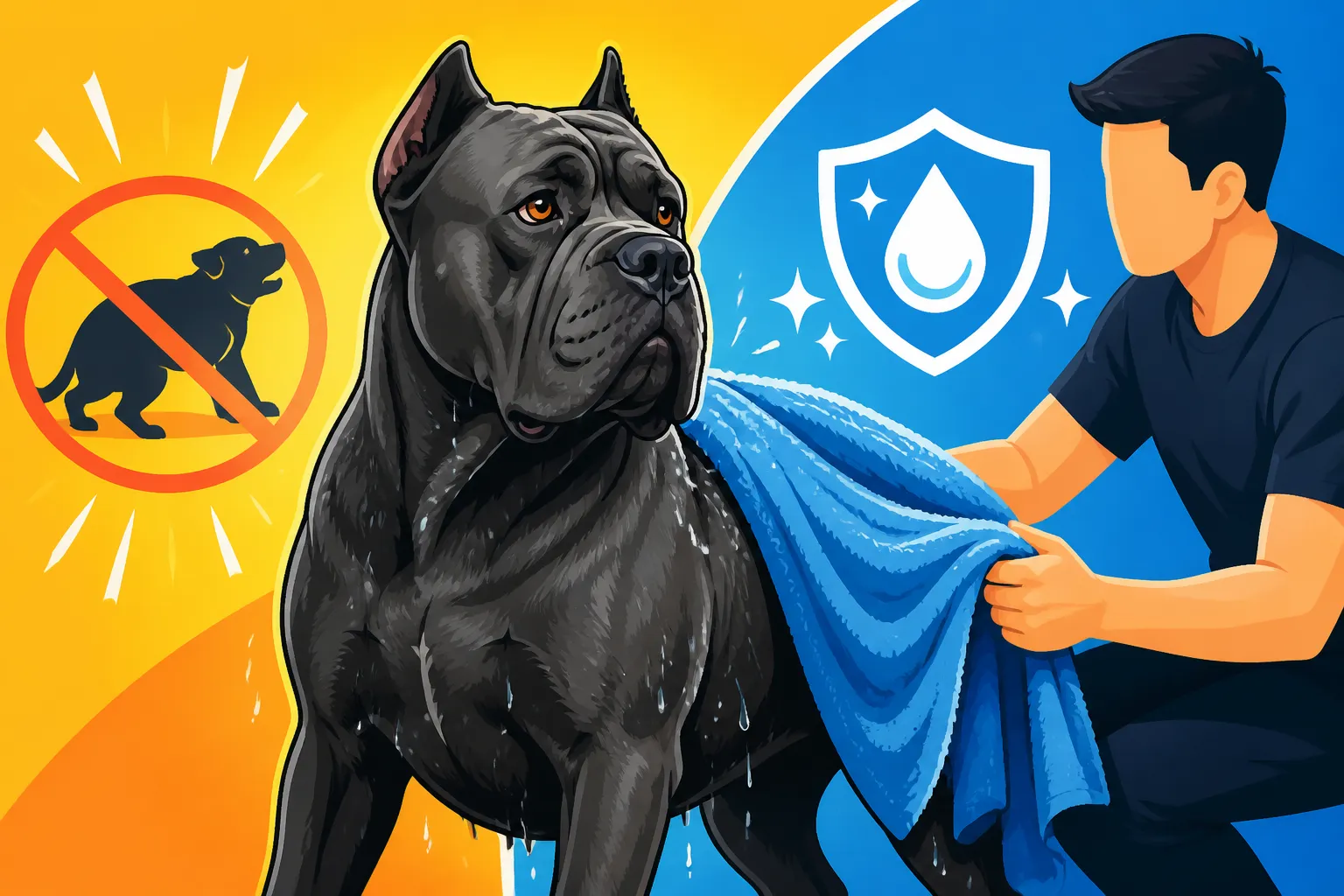
We’ve all been there: you’ve just finished wrestling your magnificent Cane Corso into the tub, lathered them up, rinsed them spotless, and you’re feeling pretty proud of yourself. Then, in one glorious, muddy, full-body shake and roll, all your hard work is undone. That pristine pup is now a dust bunny magnet or, worse, a mud monster if they manage to escape outside. Getting a Cane Corso completely dry before they decide to embrace their inner dirt magnet is a true art form, and this guide is here to walk you through how to conquer the post-bath chaos.
Why Getting a Cane Corso Dry Is a Herculean Task
It's not just your imagination; drying a Cane Corso is genuinely more challenging than drying many other breeds. There are several factors at play that make this a "boss level" grooming task for even the most seasoned dog owner. Understanding these challenges is the first step toward overcoming them.
The Double Coat and Dense Fur Challenge
While their coats appear short and sleek, many Cane Corsos possess a dense double coat, especially those living in cooler climates. This undercoat acts like a built-in insulator, designed to keep them warm. Unfortunately, it also acts like a sponge, holding onto an incredible amount of water. You might towel off the top layer and think you've made progress, only to find the undercoat is still soaking wet. It’s like trying to dry a thick wool blanket by just patting the surface. The water clings deep within the fur, requiring significant effort to draw it out. The Cane Corso Coat That Sheds More Than You Expect often hints at this density, as all that shedding fur comes from that thick underlayer.
Imagine you've given your Cane Corso, say, a beautiful blue brindle male named Enzo, a bath after he's decided to roll in something questionable. You spend ten minutes with a couple of regular bath towels, and he looks mostly dry on the surface. But touch his sides, or part the hair on his chest, and you realize you've barely scratched the surface. The moisture trapped deep against his skin is a breeding ground for skin irritations, and it's also the reason he still feels cold or damp hours later. This dense coat isn't just about insulation; it’s a water-retention system that needs a strategic approach to defeat.
Their Natural Instinct to Shake and Roll
Let's be honest, every dog shakes after a bath. It's their instinctive way of shedding excess water, and it's remarkably effective… for them. For us, it means water flung in every direction, often coating us, the walls, and everything within a ten-foot radius. But for a Cane Corso, the shake is often followed by the roll. Oh, the roll! Whether it's on your clean carpet, the fresh bedspread, or the patch of dirt you just cleaned up in the yard, a wet Cane Corso seems to possess an uncanny ability to find the single most inappropriate surface to rub their damp body on.
This isn't malicious behavior; it's simply a dog doing what dogs do. They want to get comfortable, distribute their scent, or perhaps even dry off further by rubbing against a textured surface. The feeling of damp fur against their skin can be uncomfortable, and rolling helps them feel more normal. If you've ever let your Cane Corso out into the yard after a bath, only to see them immediately drop and commence a joyous dirt roll, you understand the frustration. It's a race against the clock, and often, your Cane Corso is faster than you. This instinct is so ingrained that you can't stop it entirely; you can only manage the environment and your drying process to minimize the opportunities for mischief. How Rarely a Cane Corso's Short Coat Needs Washing becomes a much more agreeable fact when you consider the post-bath battle.
The Sheer Size and Strength of a Wet Cane Corso
Drying a Chihuahua is one thing; drying a hundred-plus pound Cane Corso is an entirely different beast. These are powerful dogs, and when they're wet, they can feel even more unwieldy. Trying to hold a squirming, shaking, damp giant in place while you diligently towel them down requires significant physical effort. Their size means there's simply more surface area to dry, and their strength means they can easily muscle their way out of your grip if they're not keen on the drying process.
Imagine trying to keep a 120-pound wet dog from shaking water all over your bathroom. It's a losing battle unless you have a robust strategy. If your Cane Corso isn't thrilled about the blow dryer, their protests can be substantial. This is why having a plan, appropriate tools, and patience is so crucial. A smaller dog might tolerate a quick toweling and air dry, but a large breed like a Cane Corso needs dedicated drying time to prevent issues like skin infections or the lingering damp dog smell that can permeate your home.
Essential Tools and Techniques for a Thorough Dry
Conquering the wet Cane Corso challenge requires the right arsenal of tools and a solid game plan. You can’t just rely on a single old bath towel and hope for the best. Investing in quality drying equipment will save you time, energy, and a whole lot of frustration.
The Power of Absorbent Towels
Forget your old cotton bath towels; they simply don't cut it for a Cane Corso's dense coat. You need towels designed for maximum absorbency, usually made from microfiber or chamois-like materials. These specialized towels can soak up significantly more water than traditional cotton, pulling moisture efficiently from the fur. I always recommend having several on hand, especially for a large dog.
Start by rough-drying your Cane Corso immediately after the bath, before they've had a chance to complete their full-body shake. Use the first towel to quickly blot and squeeze water from their coat, rather than just rubbing it around. Pay extra attention to areas that hold a lot of water, like their chest, underbelly, and the thick fur around their neck. Once that towel is saturated, swap it out for a fresh, dry one. You'll be amazed at how much water these specialized towels can remove. Many pet supply stores, like Chewy, offer excellent options for super-absorbent dog towels, often in convenient multi-packs.
Mastering the Art of the Dog-Specific Blow Dryer
While a regular human blow dryer might seem tempting, it's often not powerful enough and can get too hot for a dog's skin, potentially causing burns or fear. A dedicated dog-specific force dryer (also known as a high-velocity dryer) is a game-changer. These dryers use high volumes of unheated or low-heated air to literally blast water out of the coat, drying much faster and more effectively than simple toweling. They are safe for your dog because they rely on air speed, not heat.
Introduce the force dryer slowly and positively. Start with a low setting and keep the nozzle a safe distance from their skin. Reward them with high-value treats and praise for calm behavior. Many Cane Corsos are initially wary of the noise and sensation, so short, positive sessions are key. Work in sections, starting from the hindquarters and moving forward, lifting the fur as you go to ensure you're drying down to the skin. This is especially important for areas like the armpits and groin, where moisture can easily get trapped. Using a force dryer can dramatically reduce drying time, making the process much more efficient and reducing the chance of your Cane Corso finding something to roll in. If you're struggling with getting deep into that dense fur, remember Getting a Brush Through a Cane Corso's Dense Undercoat can be a great pre-bath step to loosen dead hair and help the water penetrate and subsequently leave the coat more easily.
| Drying Method | Pros | Cons | Best For |
|---|---|---|---|
| Absorbent Towels | Quick initial water removal, quiet, portable | Doesn't get down to the skin as thoroughly, multiple towels needed | Pre-drying, sensitive dogs, quick touch-ups |
| Force Dryer | Extremely effective, fast, dries to the skin | Can be noisy, requires training/acclimation, less portable | Thorough drying, dense coats, preventing skin issues |
| Air Drying (outdoors) | Free, easy | Slow, dog can roll in dirt, not ideal in cold weather | Lightly damp coats, calm dogs, warm weather only |
| Hair Dryer (human) | Readily available | Too hot, not powerful enough, can damage coat/skin | Generally not recommended for large breeds |
Specialized Gear for Deep Drying
Beyond towels and force dryers, there are a few other items that can make a difference. A good slicker brush or a deshedding tool like a Whether a Cane Corso's Short Coat Takes a Deshedding Blade can be used before the bath to remove loose undercoat, which in turn allows water and shampoo to penetrate better and makes drying more efficient. After the bath, while drying, brushing can help separate the fur, allowing air to reach the skin more effectively.
For wrinkles and folds, especially around the muzzle and eyes, a soft, smaller towel or even cotton pads are invaluable. Cleaning the Wrinkles Above a Cane Corso's Nose is a daily task anyway, but it's crucial after a bath to ensure these areas are completely dry to prevent skin fold dermatitis. You can find these kinds of grooming aids readily available on online retailers like Amazon. Remember that dampness in these areas, or under the ears, can lead to problems like The Yeast Smell on a Cane Corso's Skin Folds or ear infections, so thoroughness is key.
Strategizing to Prevent the Infamous Post-Bath Roll
Okay, you've got your tools, you've mastered some techniques, but the ultimate goal is still to prevent that glorious, dirt-seeking roll. This requires more than just good drying; it demands a bit of strategic planning and environmental control.
Designated Drying Zones and Controlled Environments
The moment your Cane Corso steps out of the tub, you need to have a controlled environment ready. Ideally, this is a space that is easy to clean, has no tempting rugs or furniture to rub against, and from which your dog cannot easily escape into the yard or other carpeted areas. A bathroom with a tiled floor is often a good choice. Lay down some old towels or a non-slip bath mat for traction, but be ready to remove them once they're saturated.
If your Cane Corso has a crate, this can be an excellent "drying zone." After initial toweling, you can place them in their crate with a few dry, clean towels on the bottom. Many dogs will lie down and continue to air dry without feeling the need to roll. Ensure the crate is well-ventilated, and check on them frequently. The key is to eliminate the opportunity for them to find a "better" drying spot (i.e., your favorite rug or a muddy patch outdoors). Bathing a Cane Corso in a Home Shower usually means you're already in a tiled space, which is half the battle won.
Distraction Tactics and Reward Systems
Let's face it, standing still for drying isn't a Cane Corso's idea of a good time. Distractions and rewards are your secret weapons. Have a high-value chew toy ready, like a Kong filled with peanut butter or a long-lasting dental chew. Present it to them before you even start the intense drying. This gives them something positive to focus on and can keep them occupied while you work.
Throughout the drying process, offer praise and small, tasty treats for calm behavior. If they tolerate the force dryer for a minute, reward them. If they let you dry their paws without pulling away, more rewards! This positive reinforcement helps them associate bath time, and especially drying, with good things. It's a conditioning process that builds over time. Remember, the goal isn't just to dry them, but to make the experience as stress-free as possible, both for you and your dog. A calm dog is less likely to bolt for the nearest dirt pile.
Grooming Routines That Include Drying
A consistent grooming routine can also help. Your Cane Corso should be accustomed to being handled, brushed, and having their ears and paws checked regularly. This makes the post-bath drying process feel less like a one-off ordeal and more like a normal part of their care. Even if you only bathe them How Rarely a Cane Corso's Short Coat Needs Washing, regular brushing helps to keep their coat healthy and can make drying quicker when bath day does roll around.
Consider booking professional grooming sessions occasionally, especially if you find drying particularly challenging. Professional groomers have specialized equipment and techniques to dry large breeds efficiently and thoroughly, ensuring every part of the coat and skin is bone-dry. What a Groomer Actually Does for a Cane Corso often includes these high-powered drying services that can save you a headache. If you're dealing with specific skin issues, like mange, and using Medicated Shampoo for a Cane Corso With Mange, getting them completely dry is even more critical to prevent the problem from worsening or recurring.
Dealing with Lingering Dampness and Potential Skin Issues
Even with the best tools and techniques, lingering dampness can be a sneaky problem. For a deep-chested, powerful dog like the Cane Corso, moisture left on the skin can quickly lead to discomfort and health issues.
Checking Those Hard-to-Reach Places
After you think you're done, do a final check. Run your hands over your Cane Corso's entire body, paying special attention to areas where moisture often hides. This includes:
- Armpits and groin: These areas are prone to dampness due to skin folds and limited airflow.
- Under the tail: Another often-forgotten spot where moisture can linger.
- Behind the ears and in the ear canals: Important for Ear Care for a Cropped and an Uncropped Cane Corso. Ensure these are thoroughly dry to prevent ear infections. A cotton ball can help gently wick away moisture from the outer ear canal.
- Between the paw pads: Water can pool here, leading to irritation or yeast infections.
- Underneath the folds of the jowls/lips: The moisture from drooling combined with bath water can create a damp environment. Make sure these are completely dry, perhaps with a soft cloth. Regularly Wiping a Cane Corso's Muzzle After Every Meal is a good habit anyway, but especially after a bath.
If you find any damp spots, use a fresh, dry towel or a targeted blast from your force dryer on a low setting. Remember, consistency is key to preventing problems before they start.
Addressing Skin Irritations Caused by Moisture
Moisture trapped against the skin creates an ideal environment for bacteria and yeast to flourish. This can lead to hot spots, skin infections, or worsening of existing conditions like allergies. If you notice your Cane Corso scratching excessively in certain areas, has red or irritated skin, or you pick up a funky smell, it could be a sign of moisture-related skin problems.
Regular inspection of your Cane Corso's skin and coat, especially after a bath, can help you catch these issues early. If you spot any redness, bumps, or flaky skin, consult your veterinarian. They can recommend appropriate treatments, which might include medicated shampoos, topical creams, or oral medications. Some owners find that incorporating supplements, like fish oil, into their dog's diet can contribute to overall skin health, making them less susceptible to these issues. Keeping your Cane Corso lean also helps, as excess weight can create deeper skin folds that trap more moisture.
When to Seek Professional Grooming Help
There’s absolutely no shame in calling in the professionals, especially for a dog as large and powerful as a Cane Corso. If you consistently struggle with getting your Cane Corso fully dry, if they develop recurring skin issues related to dampness, or if they are genuinely terrified of the drying process despite your best efforts, a professional groomer can be a lifesaver.
Groomers have hydraulic tubs, powerful force dryers, and years of experience handling all types of dogs, including those who aren't fond of baths. They can often complete the entire bathing and drying process much more quickly and thoroughly than you can at home, reducing stress for everyone involved. They can also offer advice on specific products or techniques tailored to your Cane Corso's coat and temperament. Sometimes, just having a professional tackle the full bath and dry a few times can help your dog acclimate better to the process, making your at-home efforts more successful in the long run.
Disclaimer
This article is for general informational purposes only and does not constitute professional advice. Laws, prices and regulations vary by location and change over time. Consult a qualified professional for guidance on your specific situation.