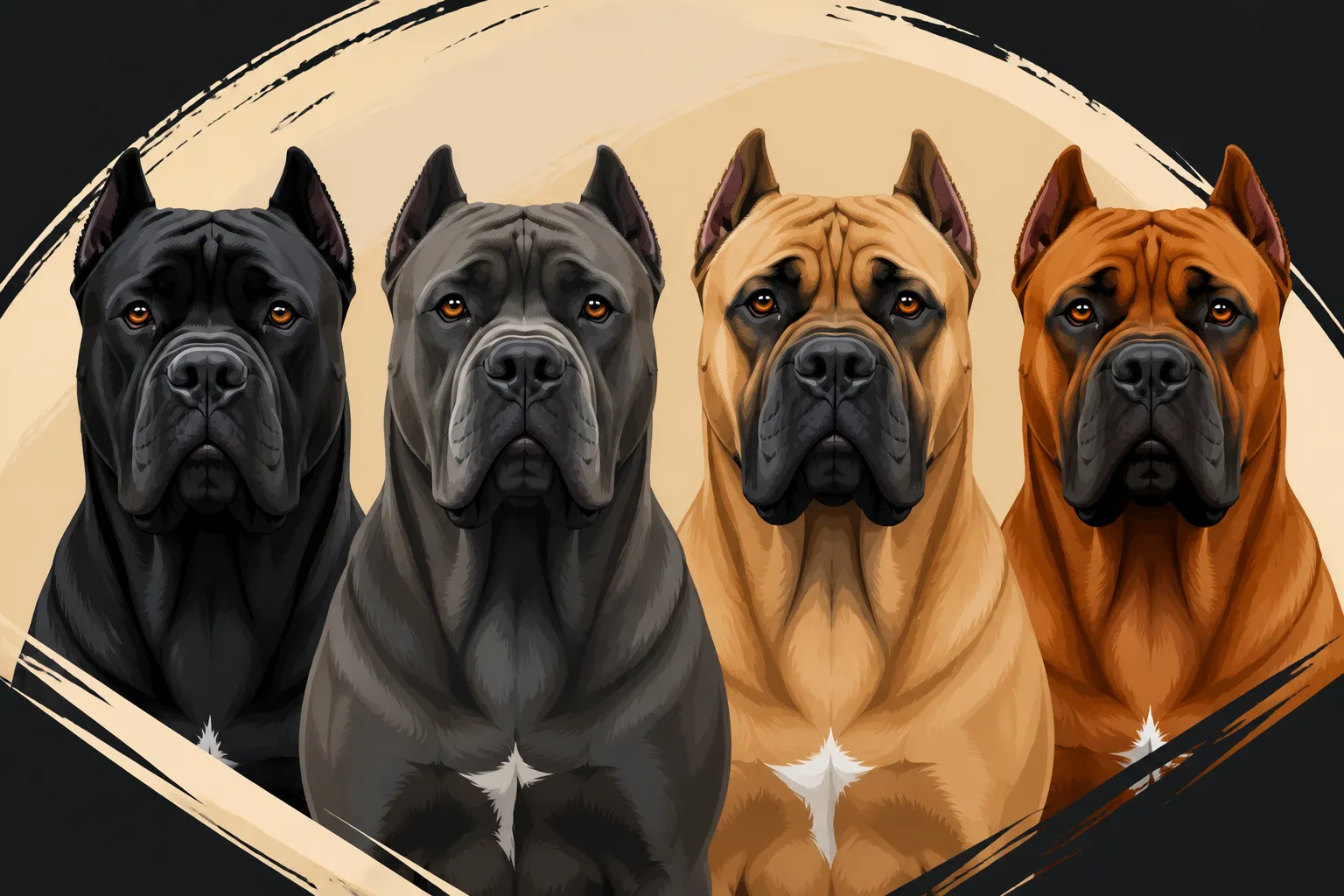
Black, Gray, Fawn and Red Cane Corsos
Bringing a Cane Corso into your life is an incredible journey, but navigating all the information out there, especially around something seemingly straightforward like coat color, can feel like a maze. Many prospective owners get caught up in the allure of "rare" colors without understanding the breed standard or the potential health implications. This guide is here to demystify the various Cane Corso coat colors, from the standard to the less common, helping you make an informed choice that prioritizes health and true breed characteristics.
Understanding the Standard Cane Corso Colors
When you first start researching Cane Corsos, you'll quickly learn that there are specific colors recognized by official breed standards. These aren't just arbitrary choices; they reflect the historical working lineage of the breed and what was considered desirable for functionality and identification. It's easy to get lost in the nuances, especially when breeders use different terms, but understanding these foundational colors is key.
The Core Four: Black, Gray, Fawn, and Red
The breed standard for the Cane Corso generally recognizes four primary solid colors: black, gray, fawn, and red. Each of these colors has its own distinct characteristics and shades, adding to the rich tapestry of the breed.
Black Cane Corsos are perhaps the most striking and immediately recognizable to many. Their coats are a deep, solid black, sometimes with a sheen that catches the light. There should be no rust or brown tones in a truly black dog. Gray Corsos, often colloquially called "blue," present in various shades, from a light slate to a deep, charcoal gray. This dilution of black pigment gives them their distinctive hue. Fawn Cane Corsos range from a very light, almost sandy beige to a deeper, more pronounced tan. Their coloring can often change slightly as they mature. Red Cane Corsos are similar to fawn but with more intense, richer red or mahogany tones. You might see a range from a rusty brown to a deep brick red. Each of these colors has a beauty all its own, reflecting the varied origins of the breed.
The Importance of the Mask
One of the most defining features of a standard Cane Corso, regardless of its base coat color, is the presence of a mask. This mask is a darker pigmentation on the muzzle, sometimes extending around the eyes.
For fawn and red Cane Corsos, the mask is almost always black or gray. A black mask means the muzzle, and often the area around the eyes, is distinctly black, standing out against the lighter fawn or red coat. This creates a powerful contrast that enhances the dog's formidable appearance. A gray mask on a fawn or red Corso indicates a gray muzzle, often appearing on dogs that also carry the dilution gene, giving them a softer overall look. The mask is considered a very important breed characteristic, so much so that a fawn or red Cane Corso lacking a mask is often considered a fault in the show ring. It's a hallmark of the breed's heritage, contributing to What the Standard Says a Cane Corso Should Look Like.
Brindle Variations: A Coat of Many Stripes
Beyond the solid colors, brindle patterns are also completely standard and highly admired in Cane Corsos. Brindle is essentially a pattern of stripes over a base coat, and it can appear on any of the core colors.
A black brindle Cane Corso will have black stripes over a lighter fawn or red base. The stripes can be dense and close together, making the dog appear almost solid black from a distance, or they can be sparser, allowing more of the base color to show through. Gray brindle, sometimes called blue brindle, features gray stripes on a fawn or red base. This gives the dog a particularly striking, almost ethereal appearance. Red brindle and fawn brindle are also common, where the stripes are a darker shade of red or fawn over a lighter red or fawn base. These variations mean that even within the brindle category, there's a huge spectrum of individual appearance, making each brindle Corso truly unique.
Deciphering "Blue" and "Formentino" in Cane Corsos
These two terms often pop up when discussing Cane Corso colors, and they can sometimes cause confusion, especially for new owners. While "blue" isn't a technically accurate genetic term, it's widely used, and "formentino" describes a specific, elegant dilution.
The Gray Cane Corso: More Than Just "Blue"
When you hear people talk about a "blue" Cane Corso, they are almost always referring to a gray Cane Corso. Genetically, there isn't a "blue" gene in dogs; it's a dilution gene that acts on black pigment, turning it into gray.
These gray dogs can range from a very light, almost silvery gray to a deep, dark charcoal. Many breeders and enthusiasts have adopted the term "blue" because of the cool, sometimes bluish sheen that these coats can have in certain lighting conditions. It’s important to understand that a gray Cane Corso is a perfectly acceptable and standard color within the breed. They are not "rare" or "exotic" in the way some less reputable breeders might suggest. The shades of gray can be truly stunning, and these dogs possess the same incredible temperament and working drive as their black or fawn counterparts.
Unpacking the Formentino: A Unique Dilution
The term "Formentino" describes a specific and beautiful variation of the fawn or red coat, where the dog also carries the dilution gene, resulting in a unique appearance. It's a truly striking color that often draws a lot of attention.
A Formentino Cane Corso will have a fawn or light red base coat, but instead of the typical black mask and points (like the nose, paw pads, and eye rims), these features will be gray. The lighter shades of the body, combined with the smoky gray mask and other pigment, give them a sophisticated, almost iridescent quality. The name "Formentino" itself is often said to derive from the color of fermented wheat or ripe wheat fields, which perfectly captures their warm, muted tones. It's a color that speaks to the breed's ancient heritage, and seeing a well-bred Formentino is quite a sight.
Why Diluted Colors Spark Debate
While gray and Formentino are accepted colors, diluted colors in general can sometimes spark debate, especially when it comes to potential associated health concerns.
The gene responsible for diluting black to gray can, in some instances, be linked to a condition called Color Dilution Alopecia (CDA). This condition is more commonly associated with very dilute "blue" dogs in certain breeds, causing hair loss, flaky skin, and recurrent infections. While not every gray Cane Corso will suffer from CDA, it's a possibility that responsible breeders test for or are aware of. This is why it's absolutely crucial to choose a breeder who performs The Two DNA Diseases in Cane Corso Pedigrees and provides a comprehensive health guarantee. Understanding the genetics behind dilution helps you approach these beautiful colors with a realistic perspective on potential health considerations.
Recognizing White Markings and "Rare" Colors
Beyond the standard colors, there are specific allowances for white markings, and then there are "rare" colors that fall outside the breed standard, often advertised to fetch higher prices. Knowing the difference is crucial for any potential owner.
Acceptable White: Where It Belongs and Where It Doesn't
A little bit of white on a Cane Corso is actually quite common and perfectly acceptable according to the breed standard, but there are strict guidelines on where it can appear and how much of it is allowed.
Typically, small patches of white are permitted on the chest, chin, and toes. A small white blaze on the chest, a tiny fleck on the chin, or some white on the tips of the toes is usually within the standard. These markings are generally small and do not detract from the overall impression of a solid-colored dog. However, extensive white markings, such as a large white collar, a white belly, or white extending up the legs beyond the toes, are considered faults. These extensive white areas suggest a deviation from the traditional appearance and can sometimes be indicative of cross-breeding further back in the lineage. Knowing these limits helps you understand if a puppy truly adheres to the breed's historical look.
The Controversy of Non-Standard Colors
The internet is rife with ads for "rare" or "exotic" colored Cane Corsos – think chocolate, Isabella, solid white, or even black and tan. While these colors might appeal to some, they are typically outside the accepted breed standard and are often a red flag.
When a breeder advertises a "rare" color at an inflated price, it's usually a tactic to capitalize on novelty rather than focusing on true breed preservation. These colors often arise from incorporating other breeds into the Cane Corso lineage at some point, or from breeding for specific recessive genes without proper health and temperament screening. For example, a black and tan Cane Corso suggests a Doberman or Rottweiler cross somewhere in the past, as this pattern is not naturally occurring in purebred Corsos. Why a Black and Tan Cane Corso Is Disqualified from the show ring emphasizes this point. While these dogs can still make wonderful companions, they are not representative of the Cane Corso breed as defined by its standard, and purchasing one from a breeder who prioritizes "rare" colors over all else can be a risky endeavor for your budget and your dog's health.
Health Implications of Extreme White
While small white markings are fine, extreme amounts of white, especially around the head and ears, can sometimes be linked to specific health concerns.
Dogs with large amounts of white, particularly those bred to be solid white (which is not a standard Cane Corso color), can have an increased risk of deafness. The gene responsible for extensive white patterning can sometimes interfere with the development of the pigment cells in the inner ear, which are crucial for hearing. This is a well-documented phenomenon across many breeds with significant white markings. While a small white patch on the chest poses no risk, a dog that is predominantly white should raise questions about its genetic background and potential health screenings. Responsible breeders prioritize overall health and temperament, ensuring their breeding choices don't inadvertently introduce or perpetuate such issues.
The Genetics Behind Cane Corso Coat Colors
Understanding the basic genetics behind coat colors can be fascinating and helps explain why certain puppies appear in a litter. It's not just random chance; it's a predictable science governed by dominant and recessive genes.
Basic Genetics: Dominant and Recessive Genes
Dog coat color, like many other traits, is determined by genes, which come in pairs. One gene comes from the mother, and one from the father. These genes can be dominant or recessive.
A dominant gene will always express itself if it's present, even if there's only one copy. A recessive gene, on the other hand, only expresses itself if two copies are present (one from each parent). For example, black is a dominant color in many breeds, including the Cane Corso. If a dog inherits even one gene for black, it will be black. To be a fawn or red, a dog would need to inherit two copies of the recessive gene for fawn or red. This interplay of dominant and recessive genes creates the diverse palette of colors we see in Cane Corsos. Reading a Cane Corso's DNA Results Before You Buy can offer incredible insights into the genetic makeup of a potential puppy and its parents, revealing which color genes they carry.
How Dilution Genes Affect Pigment
The gray and Formentino colors are a perfect example of how dilution genes work to modify existing colors. These genes don't create a new color; they simply lighten or "dilute" the primary pigment.
In the case of gray (often called "blue"), a dilution gene acts upon black pigment. A dog that would genetically be black instead becomes gray if it inherits two copies of this specific dilution gene. Similarly, if this dilution gene acts upon a liver or chocolate base (though chocolate is not standard in Corsos), it would produce an Isabella color. For Formentino Corsos, the dilution gene affects the black pigment that would normally form the mask and points on a fawn or red dog, turning those areas gray instead of black. This creates that characteristic smoky gray mask and lighter body. These dilution genes are recessive, meaning a dog needs two copies to express the diluted color, but a dog with only one copy can still be a "carrier" and pass the gene on to its offspring.
Understanding Brindle and Mask Genetics
The genetics of brindle and masks are also controlled by specific gene loci, adding another layer of complexity and beauty to Cane Corso coats.
Brindle is typically dominant over non-brindle. This means if a dog inherits just one brindle gene, it will display the brindle pattern. The expression of brindle can vary greatly, from very light, sparse stripes to dense, almost solid brindle that can be hard to distinguish from a solid color. The mask, a distinct feature of fawn and red Corsos, is also genetically determined. It's generally a dominant trait, meaning most fawn and red Corsos will have a mask. The color of the mask (black or gray) depends on whether the dog also carries the dilution gene, as we discussed earlier. All these genetic interactions mean that even within a single litter, you can see a fascinating array of colors and patterns, a true testament to the breed's diverse genetic pool.
| Coat Color | Primary Description | Mask Color (if applicable) | Brindle Variation | Standard Status |
|---|---|---|---|---|
| Black | Solid, deep black | N/A | Black Brindle (black stripes on fawn/red base) | Standard |
| Gray | Solid, shades from light slate to charcoal | N/A | Gray Brindle (gray stripes on fawn/red base) | Standard |
| Fawn | Light sandy beige to deeper tan | Black or Gray | Fawn Brindle (darker fawn stripes on lighter fawn base) | Standard |
| Red | Rich red to mahogany | Black or Gray | Red Brindle (darker red stripes on lighter red base) | Standard |
| Formentino | Fawn/light red body | Gray | N/A (mask is the key feature) | Standard |
| Non-Standard | Chocolate, Isabella, Solid White, Black & Tan | Varies, often absent | Varies | Not Standard / Fault |
Why Coat Color Matters (and Doesn't) Beyond Aesthetics
While a dog's coat color might be the first thing that catches your eye, it's really a small part of the overall picture. For the Cane Corso, understanding its relevance to health, show standards, and personal preference is key.
Color and Health Myths vs. Realities
There are many myths floating around about certain coat colors being inherently healthier or unhealthier than others. It's important to separate these myths from genetic realities.
For instance, some might claim "blue" Corsos are always sickly. While there is a genetic link between the dilution gene and conditions like Color Dilution Alopecia (CDA) in some breeds, not every gray Cane Corso will have these issues. A responsible breeder will screen their dogs and avoid breeding affected individuals. Conversely, sometimes "rare" colors are touted as being superior or more robust, which is almost never true and often a marketing ploy. The reality is that overall health in a Cane Corso is far more dependent on responsible breeding practices, genetic testing for common breed ailments like hip and elbow dysplasia, heart conditions, and certain neurological diseases, rather than just the color of its coat. A well-bred black Corso from health-tested parents is likely to be much healthier than a "rare" colored Corso from a breeder cutting corners.
The Role of Color in the Show Ring
For those interested in showing their Cane Corso, adherence to the breed standard regarding color is absolutely paramount. The show ring is all about preserving the true characteristics of the breed.
Judges evaluate a Cane Corso against a very specific written standard, which includes precise descriptions of acceptable colors and markings. As we discussed, extensive white markings, or the complete absence of a mask on a fawn or red dog, would be considered faults and would penalize a dog in the ring. Non-standard colors like solid white or black and tan are outright disqualifications. Therefore, if your ambition is to compete and excel in conformation shows, selecting a puppy whose color and markings are in strict compliance with the breed standard is essential. This focus on adherence to the standard helps maintain the integrity of the breed's appearance and helps ensure that the focus remains on the overall quality of the dog, not just a trendy color. The Character a Cane Corso Judge Expects in the Ring often overshadows mere color, but color adherence is still a baseline requirement.
Personal Preference vs. Breed Standard
Ultimately, your choice of Cane Corso puppy color will come down to a mix of personal preference and a respect for the breed standard. Both have their place in the decision-making process.
It's natural to be drawn to a particular color or pattern. Maybe you love the striking look of a black brindle, or the elegant tones of a Formentino. There's absolutely nothing wrong with having a preference! However, it's critical to prioritize health, temperament, and ethical breeding practices over color alone. A well-bred Cane Corso, regardless of its coat color (as long as it's a standard one), will bring joy and companionship for years. If a "rare" color breeder seems more focused on the novelty of the color than on health clearances, genetic testing, or temperament, that's a huge warning sign. Always remember that a Cane Corso's color is just one small aspect of what makes it a magnificent dog; its health, its mind, and its character are far more important. A happy, healthy dog is priceless, no matter its shade. You can find quality food and supplies for any Cane Corso color preference through retailers like Chewy.
Finding a Reputable Breeder for Your Desired Color
Finding a Cane Corso is a big decision, and finding the right breeder is even bigger. This is where you really need to put in your homework, especially if you have a specific color preference in mind.
Prioritizing Health and Temperament Over Color
This cannot be stressed enough: always, always, always prioritize health and temperament above a specific coat color. A beautiful dog with serious health or behavioral issues will lead to heartbreak and significant financial strain.
A truly reputable breeder will focus on producing healthy, stable, and true-to-type Cane Corsos. This means they perform comprehensive health testing on their breeding dogs, including checks for hip and elbow dysplasia, cardiac exams, and eye certifications. They will also be transparent about the temperament of their adult dogs and the socialization efforts for their puppies. They won't just tell you the puppy is healthy; they'll show you certifications and be able to explain What 500 to 1,500 in Testing Buys Per Cane Corso Parent. If a breeder tries to lure you in with claims of "rare" colors or promises of unique traits without discussing health clearances or asking about your experience with large guardian breeds, it's a massive red flag. A great breeder might have puppies in your preferred color, but they'll have them because they prioritize good breeding, not just for the color.
Verifying Pedigrees and Genetic Testing
Once you've narrowed down your search to a few potential breeders, thoroughly vetting their practices is your next crucial step. Don't be shy about asking for proof of health clearances and reviewing pedigrees.
A responsible breeder will openly share the OFA (Orthopedic Foundation for Animals) or PennHIP results for hips and elbows, cardiac clearances, and eye certifications for both parent dogs. They should also provide DNA testing results for known breed-specific genetic conditions like NCL (Neuronal Ceroid Lipofuscinosis) and DSRA (Degenerative Spongiform Retinopathy and Ataxia), as discussed in The Two DNA Diseases in Cane Corso Pedigrees. You should be able to look up these clearances yourself on public databases. A pedigree will show the lineage of the puppy, helping you understand its genetic background and ensuring you're getting a purebred Cane Corso. If a breeder hedges or refuses to provide this documentation, walk away. There are too many responsible breeders out there to settle for less. Checking all the health testing details is vital because Whether an Untested Cane Corso Saves Money Long Term is almost always a resounding no.
Avoiding "Rare Color" Scams
The market for "rare" or "exotic" colored dogs is often exploited by unscrupulous breeders looking to make a quick profit, and it's something you absolutely need to be aware of when choosing your Cane Corso.
These breeders might advertise "Isabella" or "solid white" Cane Corsos at significantly higher prices, claiming their rarity. In reality, these colors are not accepted by the breed standard and are often indicators of poor breeding practices, potential health issues, or even cross-breeding further back in the line. A truly responsible breeder will never prioritize a "rare" color over the health, temperament, and conformation of their dogs. They will educate you on the standard colors and why adhering to the standard is important for the longevity and integrity of the breed. If you're encountering pressure tactics, exorbitant prices for non-standard colors, or a lack of health testing, it's a "rare color" scam. Don't fall for it. You can find all the necessary supplies for a standard colored, healthy Cane Corso, from food bowls to training treats, on platforms like Chewy, so there's no need to overpay for a "rare" dog from a questionable source. If you're not finding what you're looking for, considering Taking On a Surrendered Cane Corso Instead of a Puppy from a reputable rescue organization can be a rewarding alternative.
Disclaimer
This article is for general informational purposes only and does not constitute professional advice. Laws, prices and regulations vary by location and change over time. Consult a qualified professional for guidance on your specific situation.