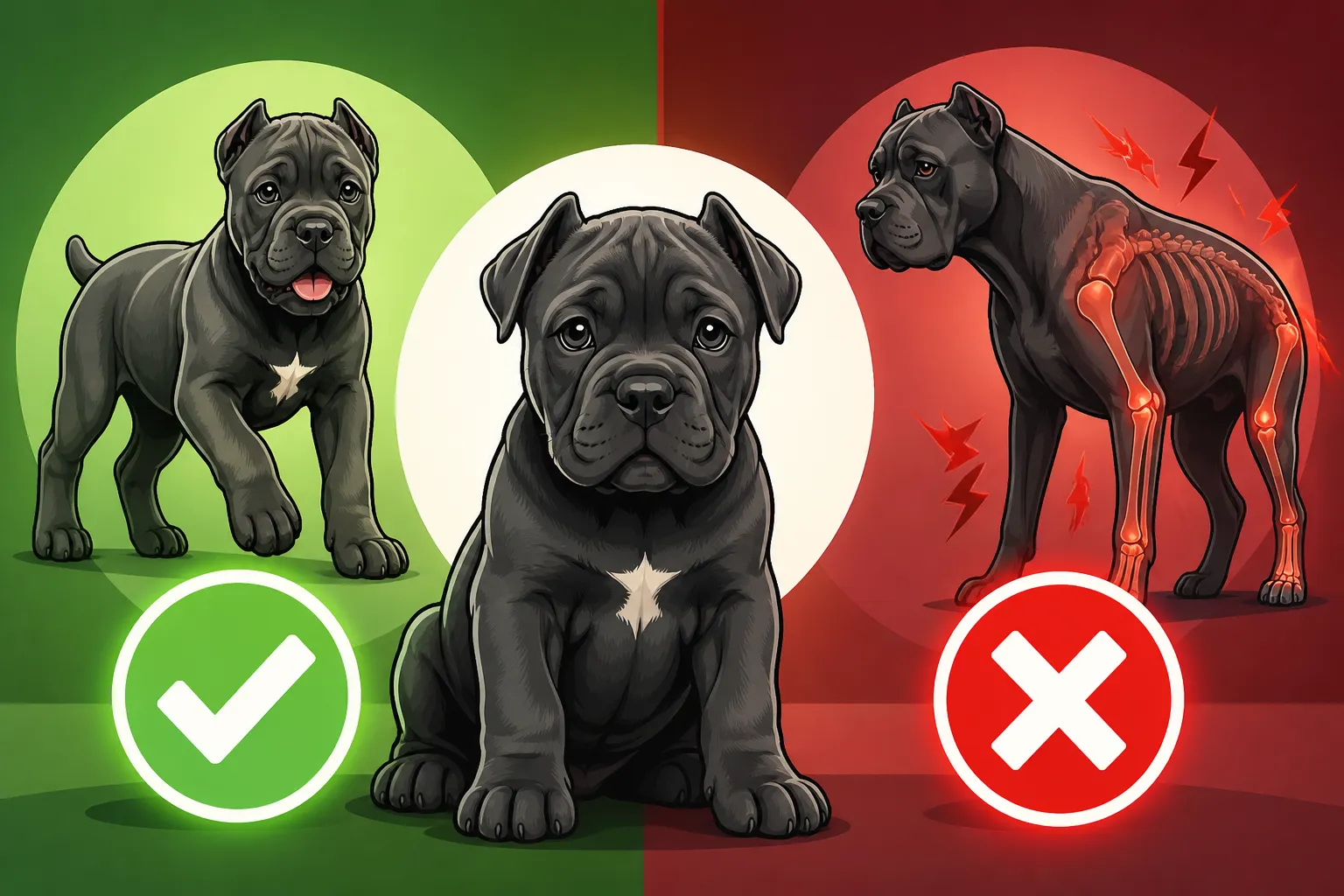
Why a Cane Corso Puppy Should Not Grow Too Fast
It's completely understandable to look at your adorable Cane Corso puppy and dream of the majestic, powerful adult they'll become. We all want our pups to be big and strong, and there's a natural inclination to think that faster growth equals a healthier, more robust dog. But here's the honest truth, and it's a hard one for many new owners to hear: for giant breeds like our beloved Cane Corsos, growing too fast can be incredibly detrimental to their long-term health, leading to a host of painful and expensive issues down the road. This guide will walk you through why a slow, steady growth curve is the best gift you can give your Cane Corso puppy.
The Temptation of Rapid Growth and Its Hidden Dangers
When you bring home a Cane Corso puppy, they're often a fluffy, adorable bundle of wrinkles and paws. It's exhilarating to watch them transform almost daily, packing on pounds and inches at an astonishing rate. We see them getting bigger, stronger, and often associate this rapid development with peak health. Who doesn't want their puppy to be a magnificent specimen as quickly as possible?
Why We Push for Faster Growth
Let's be real, part of it is pure excitement. We've envisioned that powerful, imposing adult Cane Corso, and watching them sprout like weeds feels like we're on the fast track to that ideal. Some owners also mistakenly believe that a bigger puppy somehow equates to a more dominant or impressive adult, or that a chunky puppy is a healthy puppy. There's also the well-meaning but misguided idea that more food, especially high-protein or high-fat food, will simply fuel better growth. It can feel counterintuitive to deliberately slow down something as natural as growth, especially when every instinct tells you to nourish and provide. However, with giant breeds, this mindset can unintentionally set them up for significant health challenges.
The Unseen Stress on Developing Joints
The main concern with rapid growth, especially in a giant breed like the Cane Corso, lies in their skeletal development. Their bones and joints are growing at an incredible pace, and their bodies are designed to support an immense amount of weight as adults. When a puppy grows too quickly, their bones, cartilage, and joints aren't given adequate time to strengthen and mature properly to handle the rapidly increasing body mass. Imagine building a skyscraper, but rushing the curing time for the concrete on the lower floors. The structure might go up fast, but its foundation will be weak, leading to instability and potential collapse later on. This is essentially what happens when a Cane Corso puppy grows too quickly, placing immense and often irreversible stress on their soft, developing joint structures.
Understanding Orthopedic Development in Giant Breeds
The Cane Corso, like other giant breeds, has a distinct growth pattern that sets it apart from smaller dogs. Their growth plates, the soft areas at the ends of long bones where growth occurs, remain open for a longer period. This extended growth phase means they are particularly vulnerable to external factors that can disrupt normal bone and joint development.
The Critical Role of Growth Plates
Growth plates are literally the engines of bone growth. They are areas of cartilage that gradually ossify (turn into bone) as the puppy matures. In a Cane Corso, these growth plates don't fully close and harden until they are typically 18 to 24 months old, sometimes even later for larger males. Until then, they are susceptible to injury and abnormal development. When a Cane Corso puppy experiences rapid weight gain, the soft cartilage in these plates can be damaged, leading to abnormal bone formation. This is why you'll often hear experienced breeders emphasize a slow, steady rate of growth, keeping puppies on the lean side. It's about giving those critical growth plates every chance to develop into strong, healthy adult bones. Ignoring this can lead to issues like Hip Dysplasia in a Fast Growing Cane Corso and Elbow Dysplasia and a Cane Corso's Front End.
The Link to Hip and Elbow Dysplasia
Hip and elbow dysplasia are unfortunately common orthopedic conditions in giant breeds, and rapid growth is a significant contributing factor, even in puppies with excellent genetics. These conditions occur when the joints don't form correctly, leading to looseness, pain, and eventually debilitating arthritis. When a Cane Corso puppy puts on too much weight too fast, the developing bone and cartilage in the hip and elbow joints cannot keep up with the demands placed upon them. The bones might not articulate smoothly, leading to abnormal wear and tear. This isn't just a matter of discomfort; it can severely impact a dog's mobility and quality of life for years. We're talking about a dog that might struggle with stairs, jumping, or even walking comfortably by the time they're middle-aged, all because of choices made during their puppyhood.
| Growth Factor | Impact on Orthopedic Health | Ideal Approach |
|---|---|---|
| Growth Rate | Rapid growth stresses soft joint cartilage. | Slow, steady weight gain allows joints to mature and strengthen. |
| Dietary Protein | Excess protein can lead to rapid weight gain. | Moderate protein content, balanced for giant breeds. |
| Dietary Calcium | Imbalance impairs bone mineralization. | Precisely controlled calcium levels, not too high. See The Calcium Ratio in a Cane Corso Puppy's Bowl. |
| Weight Condition | Overweight puppies put more stress on joints. | Keep puppies lean; you should easily feel their ribs. Why a Chunky Cane Corso Puppy Risks Its Elbows |
| Exercise | High-impact exercise damages growth plates. | Controlled, low-impact exercise appropriate for age. |
Nutritional Pitfalls: More Isn't Always Better
When it comes to feeding a growing Cane Corso, our instincts can sometimes lead us astray. We often think "more" or "richer" food equates to better health and faster growth. However, for a giant breed, the precise balance of nutrients, particularly calcium and phosphorus, and the overall calorie intake, are far more critical than simply filling the bowl.
The Dangers of Excess Calories and Protein
Feeding too many calories is perhaps the most common way owners inadvertently encourage rapid growth. Puppy foods designed for "all breeds" or even "large breeds" can sometimes be too calorie-dense for a Cane Corso. These dogs don't need to bulk up like a bodybuilder; they need a slow, sustained development. An overabundance of protein, while essential for muscle development, can also contribute to unwanted accelerated growth when paired with excessive calories. High protein levels, outside of the specific context of balanced giant breed formulas, can be metabolized in ways that speed up bone growth without allowing the structures to properly solidify. This isn't about denying your puppy; it's about providing the right fuel, not just more fuel. Finding appropriate food can be a journey, and reliable places like Chewy often have excellent filters for giant breed puppy formulas.
The Calcium and Phosphorus Imbalance
This is where the science gets really specific and important. Calcium and phosphorus are crucial for bone development, but their ratio and overall quantity must be carefully managed in giant breed puppies. Too much calcium, in particular, can be incredibly damaging. Instead of promoting stronger bones, excess calcium can disrupt the natural process of bone formation, leading to skeletal abnormalities and conditions like Osteochondritis Dissecans (OCD), where cartilage fails to develop into bone properly, causing painful flaps of cartilage to detach within the joint. Many well-meaning owners supplement with calcium, thinking it will help, but this can actually be detrimental if their puppy food is already balanced. Always choose a reputable giant breed specific puppy food that has carefully controlled calcium and phosphorus levels. If you're considering fresh food options, ensure they are professionally formulated for giant breed puppies; a service like Ollie might offer tailored meal plans, but it's essential to confirm the calcium-phosphorus balance is correct for growing giants. The Protein a Growing Cane Corso Should Not Exceed and Why Extra Calcium Damages a Cane Corso Puppy delve deeper into these critical nutritional aspects.
Managing Exercise and Environmental Factors
Nutrition isn't the only piece of the puzzle. How your Cane Corso puppy moves, plays, and lives during their crucial developmental period plays a huge role in supporting healthy, slow growth and strong joints. The environment you provide, even seemingly small details, can make a significant difference.
Appropriate Exercise Regimen
It’s tempting to let a Cane Corso puppy run wild, play endlessly, or join you for long jogs, thinking it's good exercise. However, high-impact or prolonged strenuous exercise can be incredibly harmful to their still-developing joints and growth plates. Activities like jumping excessively, long runs on hard surfaces, or repetitive actions can cause micro-traumas that lead to long-term orthopedic problems. Instead, focus on short, frequent, low-impact play sessions. Think gentle walks on varied, soft terrain like grass or dirt, supervised play with appropriate dog companions, and mental stimulation games. Structured playtime for a Cane Corso puppy should be carefully managed. How Much Walking a Cane Corso Puppy Should Do provides more specific guidance on this.
Avoiding Damaging Activities
Beyond structured exercise, consider the everyday environment your puppy navigates. Slippery floors (hardwood, tile) can cause puppies to splay and put abnormal stress on their hips and elbows. Consider runners or rugs to provide traction in high-traffic areas. Repeatedly jumping on and off furniture or out of vehicles can also be damaging. Teach your Cane Corso puppy to use ramps or steps for accessing beds, couches, or cars. Why Stairs Matter for a Cane Corso Puppy's Joints is a crucial read here. Even something as simple as allowing a puppy to frequently climb or descend long flights of stairs can be problematic. Focus on controlled movements and providing a safe, joint-friendly home environment during their first 18-24 months.
Monitoring Growth and Adjusting as Needed
Knowing why slow growth is important is the first step; the next is actively monitoring your Cane Corso puppy's development and being prepared to make adjustments. This requires a watchful eye, regular vet visits, and a willingness to adapt your care routine.
Regular Weight Checks and Body Condition Scoring
Don't just rely on the scale. While weight is a data point, body condition scoring (BCS) is far more important. You should be able to easily feel your Cane Corso puppy's ribs with light pressure, but not see them protruding. There should be a visible waist when looking down from above, and an abdominal tuck when viewed from the side. If your puppy looks chunky or you can't easily feel their ribs, it's a clear sign they're growing too fast and carrying too much weight. Your vet can demonstrate how to properly assess your puppy's body condition. This isn't about having a skinny puppy, but a lean one. Think of a healthy athlete, not a bulky one. Consistent monitoring allows you to catch any deviations early. Checking a Cane Corso's Ribs With Your Hands explains this in more detail.
Consulting Your Veterinarian
Your veterinarian is your most valuable partner in ensuring your Cane Corso's healthy development. During every puppy check-up, discuss their growth rate. Your vet can provide specific guidance on feeding amounts, appropriate puppy food brands, and exercise recommendations tailored to your individual puppy's needs and current condition. Don't hesitate to ask questions about your puppy's skeletal development. If you're ever concerned about a limp, an awkward gait, or any signs of discomfort, get it checked out immediately. Early intervention is key for many orthopedic issues. Remember, a vet can help you understand The Growth Curve a Cane Corso Follows to Nineteen Months and ensure your puppy is on track. When it comes to managing their diet and ensuring proper development, your vet can help guide you on the best foods to prevent overly rapid growth, and places like Amazon also offer a wide selection of slow feeders which can help manage mealtime pace.
Adjusting Diet and Routine for Optimal Growth
If your Cane Corso puppy is growing too fast or is overweight, don't panic. The good news is that you can make changes. This typically involves reducing their daily food intake, switching to a giant breed specific puppy food that is lower in calories and has a controlled calcium-to-phosphorus ratio, and carefully re-evaluating their exercise. You might need to adjust the number of meals they receive daily or the size of each portion. How Many Meals a Cane Corso Puppy Gets Each Day and Moving a Cane Corso From Puppy Food to Adult offer practical advice on transitioning and managing meal schedules. It's a balance, and sometimes it takes a bit of trial and error, but the goal is always that slow, steady climb towards adulthood, allowing their massive frames to develop resiliently and without undue stress. The effort you put into managing their growth now will pay dividends in a lifetime of better health and happiness for your beloved Cane Corso.
Disclaimer
This article is for general informational purposes only and does not constitute professional advice. Laws, prices and regulations vary by location and change over time. Consult a qualified professional for guidance on your specific situation.