Using a Long Line With a Cane Corso
It's a dream for so many Cane Corso owners: envisioning your magnificent dog enjoying true freedom, romping across a wide-open field, responding instantly to your call, and generally being the picture of a perfectly behaved canine companion. But then reality sets in. That powerful prey drive, the sheer strength of a dog that can pull a small car, and the nagging fear of losing control in an unfamiliar environment often keep that leash firmly in your hand, limiting the adventures you can share. This guide is all about one of the most transformative tools you can use to bridge that gap between leashed walks and confident, off-leash reliability: the long line.
Why a Long Line is Indispensable for Your Cane Corso
Let's be honest, the thought of letting your Cane Corso off-leash in an unfenced area can be anxiety-inducing. These aren't dainty little dogs you can scoop up if they decide to bolt after a squirrel. Their strength, combined with their natural guardian instincts and often intense focus on a "job" (like chasing that squirrel), means that a reliable recall isn't just a convenience – it's a matter of safety for them and those around them. A long line allows you to practice and proof crucial commands in a controlled yet expansive way, without the terrifying risk of losing your dog.
Bridging the Gap to Off-Leash Freedom
Think of the long line as the ultimate training wheels for off-leash work. You want your Cane Corso to experience the joy of exploring, sniffing, and running freely, but you also need to guarantee their safety and responsiveness. A standard six-foot leash doesn't give them enough room to really stretch their legs or ignore you when a high-value distraction appears. This is especially true for a breed like the Cane Corso, which often has a strong internal drive to pursue.
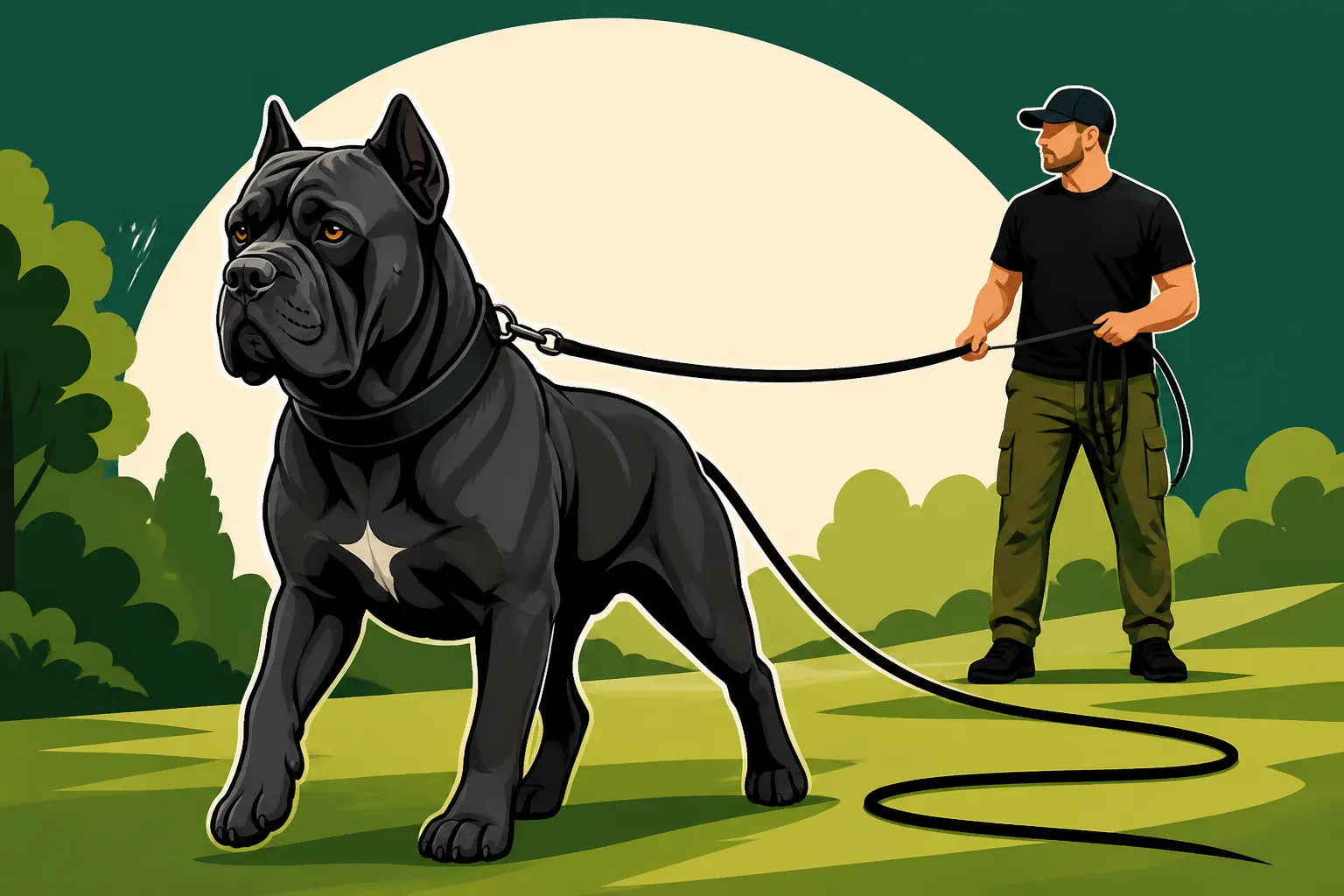
The long line provides that much-needed space while keeping you connected. It allows your dog to move away from you, investigate interesting smells, and even initiate a sprint, all while you retain the ability to step on the line, reel them in, or give a gentle but firm correction. It’s how you teach them that "freedom" comes with the expectation of returning when called, no matter how exciting that distant rustle in the bushes might be. Without this intermediate step, many owners skip directly from a short leash to hoping their dog will listen, and with a Cane Corso, that hope often doesn't pan out when it matters most. For comprehensive training, remember that The Training Bill a Cane Corso Owner Cannot Skip includes investing in proper tools and potentially professional guidance for effective use of a long line.
Safely Managing Prey Drive and Reactivity
Cane Corsos, with their historical roles in guarding and hunting, often possess a significant prey drive. That rabbit that darts across the field, the distant deer, or even a fast-moving bicycle can trigger an instinctual chase response that overrides all prior training. If your Cane Corso has a tendency to react strongly to other dogs, people, or even vehicles, a long line also offers a layer of security that a flexi-leash simply cannot provide.
With a long line, you can expose your Cane Corso to controlled distractions at a distance, gradually working on their focus and impulse control. If they start to fixate or lunge, you have the length to guide them away, interrupt their focus, or gently enforce a "leave it" command. It's about setting them up for success, not failure. You're teaching them how to manage their impulses in the real world, rather than just in your living room. Understanding The Cane Corso's Guardian Instinct Actually Is helps in recognizing how their natural tendencies can influence their reactions in different environments.
Building and Proofing Recall
The most crucial benefit of a long line for a Cane Corso owner is undoubtedly its role in building a rock-solid recall. You can call your dog in your backyard a hundred times, and they might come every time. But add a park with kids playing, other dogs barking, or a flock of pigeons, and suddenly, your voice might as well be background noise. This is where the long line shines.
It gives you the physical means to ensure your Cane Corso comes when called, even when they're tempted to do otherwise. You issue the "come" command, and if they hesitate or get distracted, a gentle but consistent tension on the line reminds them of the expectation. When they start moving towards you, you release the tension, reward them enthusiastically, and make coming back the most positive experience possible. This process teaches them that your command is non-negotiable and always leads to good things, gradually transferring the reliability from the line to your voice alone. It’s essential to remember that Building a Cane Corso's Recall From Eight Weeks is a continuous process that matures with your dog, and a long line is an excellent tool throughout this journey.
Choosing the Right Long Line and Gear for Your Cane Corso
Equipping yourself properly is half the battle when training a powerful dog like a Cane Corso. A flimsy, poorly chosen long line or inadequate collar/harness can turn a productive training session into a dangerous one.
Length, Material, and Durability
Long lines come in various lengths, typically ranging from 15 feet to 50 feet. For initial recall training and general exercise in a somewhat open area, a 20-30 foot line is often a good starting point, offering a balance of freedom and control. A 50-foot line is fantastic for wide-open spaces where you want to simulate true off-leash freedom while still maintaining a safety net, such as when you are Recall Training a Cane Corso in an Open Field.
When it comes to material, you'll generally choose between nylon and biothane.
- Nylon lines are widely available and often more affordable. They're strong and come in various widths. However, they can absorb water, becoming heavy and muddy, and if they snag or burn across your skin, it can be quite painful.
- Biothane lines are incredibly popular for large dogs and working breeds. They are waterproof, incredibly durable, easy to clean (just wipe them down!), and tend to slide more easily through grass and over obstacles without snagging. They also offer a better grip, even when wet, and are less prone to rope burns. For a Cane Corso, investing in a high-quality biothane line is often worth the extra cost. You can find excellent options on platforms like Amazon.
No matter the material, always choose a line designed for the strength of a large breed. The hardware (clips, D-rings) should be heavy-duty and secure. Never use a retractable leash as a long line; they are designed differently and do not offer the consistent feedback and control needed for proper long line training, and their locking mechanisms can fail under the sudden force of a Cane Corso.
Here's a quick comparison of common long line materials:
| Feature | Nylon Long Line | Biothane Long Line |
|---|---|---|
| Material | Woven nylon webbing | PVC-coated webbing (feels like leather, acts like rubber) |
| Durability | Good, but can fray over time | Excellent, resistant to abrasion and tearing |
| Waterproof | Absorbs water, gets heavy and muddy | Fully waterproof, easy to wipe clean |
| Grip | Can be slippery when wet, prone to rope burn | Excellent grip, even when wet, less rope burn risk |
| Maintenance | Requires thorough drying, can hold odors | Very low maintenance, doesn't absorb odors |
| Weight | Lighter when dry, heavier when wet | Consistent weight, can feel slightly heavier than dry nylon |
| Cost | Generally more affordable | More expensive initially, but lasts longer |
| Visibility | Many color options | Wide range of vibrant, highly visible colors |
Appropriate Collars and Harnesses
Your Cane Corso's long line should always be attached to a secure, comfortable, and escape-proof piece of equipment.
- Harnesses: A well-fitting, sturdy harness is often the preferred choice for long line work, especially for a powerful breed. It distributes pressure more evenly across the chest and shoulders, reducing strain on the neck. Front-clip harnesses can offer additional control by redirecting your dog's momentum if they pull. Look for brands known for heavy-duty dog gear.
- Flat Collars: If your Cane Corso is already excellent on a leash and has a strong, thick neck, a wide, sturdy flat collar can be used. However, ensure it's properly fitted (two fingers snug under the collar) and that your dog cannot slip out of it.
- Avoid Choke Chains or Prong Collars: While some trainers might use these for specific corrections on a short leash, they are never safe or recommended for use with a long line. The sudden, uncontrolled snap or jerk that can occur if your dog hits the end of a long line while wearing these collars can cause serious injury to their neck and trachea. Safety is paramount. When considering equipment, remember that Which Collar and Lead Hold a Cane Corso explores various options suitable for the breed's strength.
Safety Considerations
Handling a long line with a strong Cane Corso requires attention to safety:
- Never Wrap the Line Around Your Hand: This is perhaps the most crucial rule. If your Cane Corso suddenly bolts, the line can tighten around your fingers or wrist, causing severe rope burns, fractures, or even degloving injuries. Hold the line with an open hand, letting it slide if needed, or use a secure handle designed for safety.
- Wear Gloves: Especially when starting out or if your dog is prone to sudden dashes, a good pair of work gloves can protect your hands from friction burns.
- Check Your Surroundings: Before letting your Cane Corso out on a long line, quickly scan the area for potential hazards like thorny bushes, sharp objects, steep drops, or bodies of water that might snag the line or put your dog in danger.
- Inspect Your Gear: Always check the line, clips, and harness/collar for any signs of wear and tear before each session. A frayed line or a weak clip can fail when you need it most.
- Mind Your Feet: It's easy to trip over a long line, especially one that's dragging behind your dog. Be aware of where the line is to avoid falls.
Practical Steps for Training with a Long Line
Introducing your Cane Corso to the long line should be a gradual, positive process, building their confidence and understanding. Rushing it can lead to frustration for both of you.
Start in Low-Distraction Environments
Begin your long line training in a familiar, safe, and low-distraction environment. A large, fenced yard is ideal, but a quiet, open park during off-peak hours can also work. The key is to minimize external stimuli so your Cane Corso can focus on you and the task at hand. You want them to get accustomed to the feeling of the line dragging behind them without the added stress of unfamiliar sights, sounds, or smells.
Allow your dog to explore naturally at first, letting the line drag. Observe how they react. Some dogs are initially a bit wary of the line, while others might not notice it at all. The goal is for them to see it as a normal extension of their daily walks, not a new constraint.
Introducing the Line and the "Come" Command
Once your Cane Corso is comfortable with the line, you can begin to incorporate your recall command. Keep it simple and fun!
- Call and Reward: Let your Cane Corso wander to the end of the line, or close to it. Then, enthusiastically call their name followed by your recall command ("COME!").
- Gentle Guidance: If they hesitate, give a gentle, consistent tug on the long line while continuing to call them. Avoid harsh jerks. The goal is to remind them they are connected and guide them back towards you.
- Massive Reward: The instant they start moving towards you, release the tension on the line and praise them effusively. When they reach you, reward them with a high-value treat, a favorite toy, or enthusiastic petting. Make coming back to you the absolute best thing that could happen.
- Practice Short Intervals: Keep training sessions short and positive, ending on a high note. Several five-minute sessions throughout the day are more effective than one long, tedious session. Remember, Five Minute Cane Corso Sessions Twice a Day can make a huge difference in learning retention.
Gradually Increasing Distractions and Distance
As your Cane Corso's recall becomes more reliable in low-distraction settings, you can slowly introduce more challenges. This is the "proofing" stage, where you test their responsiveness under varying real-world conditions.
- New Locations: Move to different parks, open fields, or even less-busy hiking trails. Each new environment introduces new smells, sights, and sounds that will test their focus.
- Controlled Distractions: Start with mild distractions, like a person walking calmly in the distance, then progress to more active scenarios, like another dog being walked on leash (at a respectful distance).
- Increase Distance: Allow your Cane Corso to move further away on the line before calling them. The longer the line, the more "off-leash" the feeling, which helps prepare them for true off-leash adventures.
- Vary Rewards: While high-value treats are great, also use toys, praise, and opportunities for play as rewards to keep things interesting and build a stronger bond. You want your Cane Corso to want to come back to you. This builds their desire to engage with you, even when there are more compelling things to chase or investigate, mitigating scenarios like What a Cane Corso Would Actually Do With an Intruder.
Handling Snags and Tangling
Working with a long line means occasionally dealing with snags and tangles, especially in wooded or brushy areas.
- Keep it Organized: When not in use, coil your long line neatly to prevent knots.
- Eyes on the Line: Always keep an eye on where the line is to anticipate potential snags. If your Cane Corso runs around a tree, quickly move to unwind the line rather than letting it get caught and potentially injure them or snap.
- "Line Out!" Command: Teach your Cane Corso a command like "line out!" or "easy" to signal them to slow down or change direction slightly if the line is about to snag. This is an advanced skill but incredibly useful.
- Practice in Open Spaces: Initially, stick to open, grassy areas to minimize tangling frustrations.
Common Pitfalls and Troubleshooting with a Long Line
Even with the best intentions, you might encounter some bumps in the road when using a long line with your Cane Corso. It's important to anticipate these challenges and have strategies to overcome them.
Cane Corso Pulling and Dragging
A common issue with any dog, especially a strong one like a Cane Corso, is pulling. If your dog constantly pulls on the long line as if it were a regular leash, you're not achieving the goal of teaching recall and off-leash manners; you're just extending the pulling problem.
- Reinforce Loose Leash Walking: Even on a long line, the expectation is for a loose connection. Practice short bursts of Loose Leash Walking a Cane Corso Puppy fundamentals. If your dog pulls, stop immediately. Only move forward when the line slackens. This teaches them that pulling gets them nowhere.
- Change of Direction: When your Cane Corso pulls, abruptly change direction. This disorients them slightly, forcing them to re-engage with you to figure out where you're going.
- Use the Environment: Allow them to sniff and explore without pulling. If they pull to get to a sniff spot, make them wait until the line is loose before proceeding. This teaches them that calm behavior gets them what they want. It’s a vital lesson for preventing issues like Stopping a Cane Corso Before It Drags You Off Your Feet.
Ignoring the Recall
This is the big one. You've called, they've heard you, and they've chosen to continue investigating that fascinating smell. This is precisely why the long line is so invaluable.
- Timely Correction: The moment they hesitate or ignore your "come" command, apply a consistent, gentle tension on the line. Don't yank. Just apply steady pressure until they turn towards you. The pressure should be just enough to get their attention, not to cause pain.
- Positive Reinforcement is Key: The instant they respond and start moving towards you, release the tension and praise heavily. The physical correction should be immediately followed by positive reinforcement once they comply. This teaches them that relief comes from moving towards you, and rewards follow.
- Don't Let Them "Win": Never allow your Cane Corso to successfully ignore your recall and continue doing what they want. The long line is there to ensure your command is always followed, building trust and reliability. If they learn they can sometimes get away with ignoring you, your recall will never be strong.
Over-reliance on the Line
The long line is a tool, not a permanent solution. The goal is to gradually fade its use as your Cane Corso's recall and impulse control improve.
- Test in Safe, Smaller Areas First: Once your dog is consistently recalling on a long line in varied environments, try short periods of true off-leash work in a securely fenced area or a very controlled, low-distraction setting.
- Drop the Line: In appropriate, safe areas, practice dropping the long line and letting your Cane Corso drag it. This provides a safety net that you can grab if needed, but it allows them to experience the feeling of full freedom. When you call, they'll respond to your voice, knowing you could grab the line if they didn't. This builds confidence in both of you.
- Continue Practice: Even with a reliable off-leash dog, occasional long line practice helps reinforce good habits and keeps their recall sharp.
Environmental Hazards
Even with a long line, you must remain vigilant about environmental hazards.
- Wildlife: Be aware of local wildlife. While a long line offers control, a strong prey drive can lead to sudden, powerful lunges that could still injure you or your dog if they hit the end of the line unexpectedly.
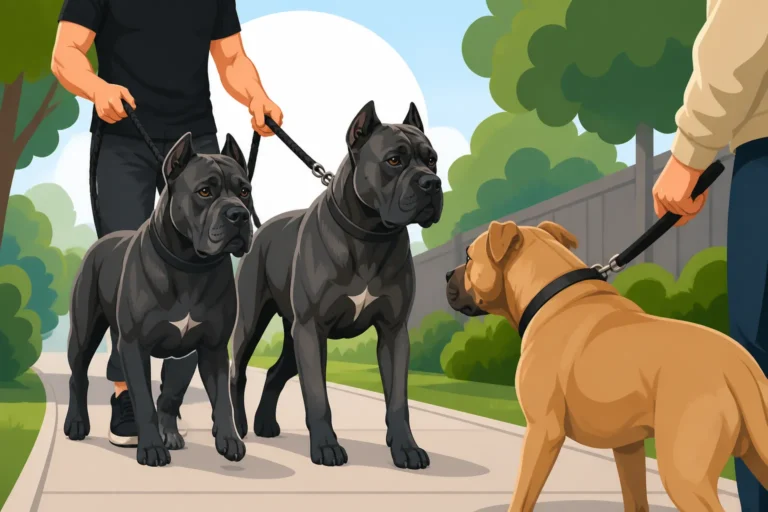
- Other Dogs/People: Always be respectful of others. Not everyone appreciates a large dog, even on a long line. If you see another dog or person, shorten the line and keep your Cane Corso close to ensure a calm pass. Consider what it means for A Cane Corso Meeting Guests at the Front Door or other public interactions. If your Cane Corso shows signs of reactivity, using a muzzle in public, even on a long line, can be a responsible choice. Why Every Cane Corso Should Be Muzzle Trained Early is an excellent resource for this.
- Traffic and Roads: Never use a long line near busy roads or areas where traffic is a concern. A long line provides control, but it's not foolproof against a dog bolting into traffic. Choose your training locations wisely.
Using a long line is an empowering step for any Cane Corso owner. It offers the safety and control needed to teach vital life skills, build a stronger bond, and ultimately unlock a world of confident, shared adventures. With patience, consistency, and the right gear, you and your magnificent Cane Corso can enjoy the freedom you both deserve. For further training support, consider looking into resources like BAXTER & Bella, which offer online programs that can complement your hands-on long line work.
Disclaimer
This article is for general informational purposes only and does not constitute professional advice. Laws, prices and regulations vary by location and change over time. Consult a qualified professional for guidance on your specific situation.