The Socialization a Cane Corso Missed and What It Costs
Bringing a Cane Corso puppy home is often a whirlwind of excitement and big plans, but sometimes, for a multitude of reasons, those crucial early weeks and months of socialization don't go as planned. Owners can find themselves years down the road with a magnificent dog that is anxious, reactive, or even aggressive towards new people, places, or other animals, and the consequences – both behavioral and financial – can be truly heartbreaking. This guide will walk you through the real costs, both in terms of your dog's well-being and your wallet, when a Cane Corso misses out on vital early socialization, and offer pathways to address these challenges.
The Critical Window Missed: Why Early Exposure Matters So Much
It’s easy to think that a big, strong breed like the Cane Corso will naturally be confident and well-adjusted, but like any dog, they are products of their genetics and their early experiences. When those early experiences are lacking, particularly during a specific developmental period, the repercussions can echo through their entire lives.
The Golden Period for Cane Corso Puppies
For any puppy, there's a "golden period" for socialization, roughly from 8 to 16 weeks of age. During this time, a puppy's brain is like a sponge, soaking up every new sight, sound, smell, and interaction. They're naturally curious and less prone to fear. For a Cane Corso, a breed genetically predisposed to be watchful and protective, this period is absolutely non-negotiable. It's when they learn what's normal, what's safe, and what doesn't require their guarding instincts to kick in. You're not just introducing them to new things; you're literally shaping their understanding of the world. Think of it like building the foundation of a house – if the foundation is weak or incomplete, the whole structure will be unstable.
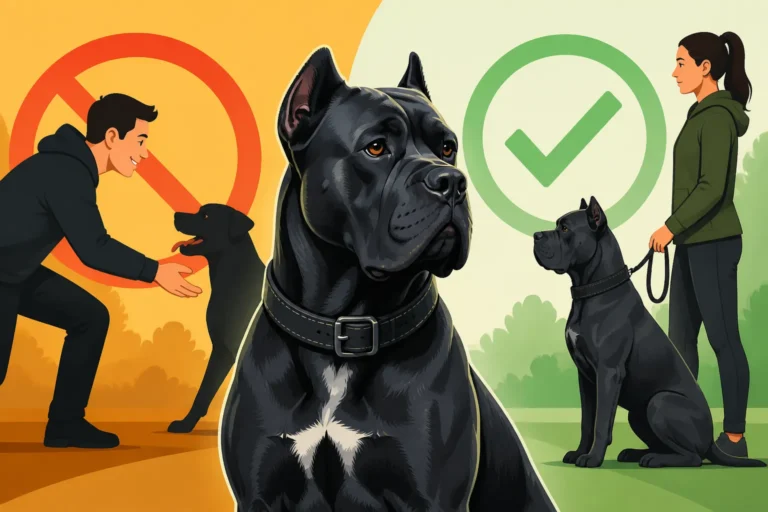
It’s not about letting your puppy run rampant and greet every person and dog they see. Quite the opposite, especially for a Cane Corso. It’s about controlled, positive, and neutral exposure. This means taking your puppy to places where they can observe the world calmly from a distance, rewarding them for relaxed behavior, and making sure every novel experience is positive. A trip to a busy park, for example, isn't about letting them wrestle with unknown dogs; it's about sitting on a bench, letting them watch people, strollers, bikes, and other dogs go by, all while offering tasty treats and calm praise. This builds resilience and a belief that the world isn't a scary place. The Socialization Window a Cane Corso Puppy Gets explains this in more detail.
How Missed Exposure Shapes Their World
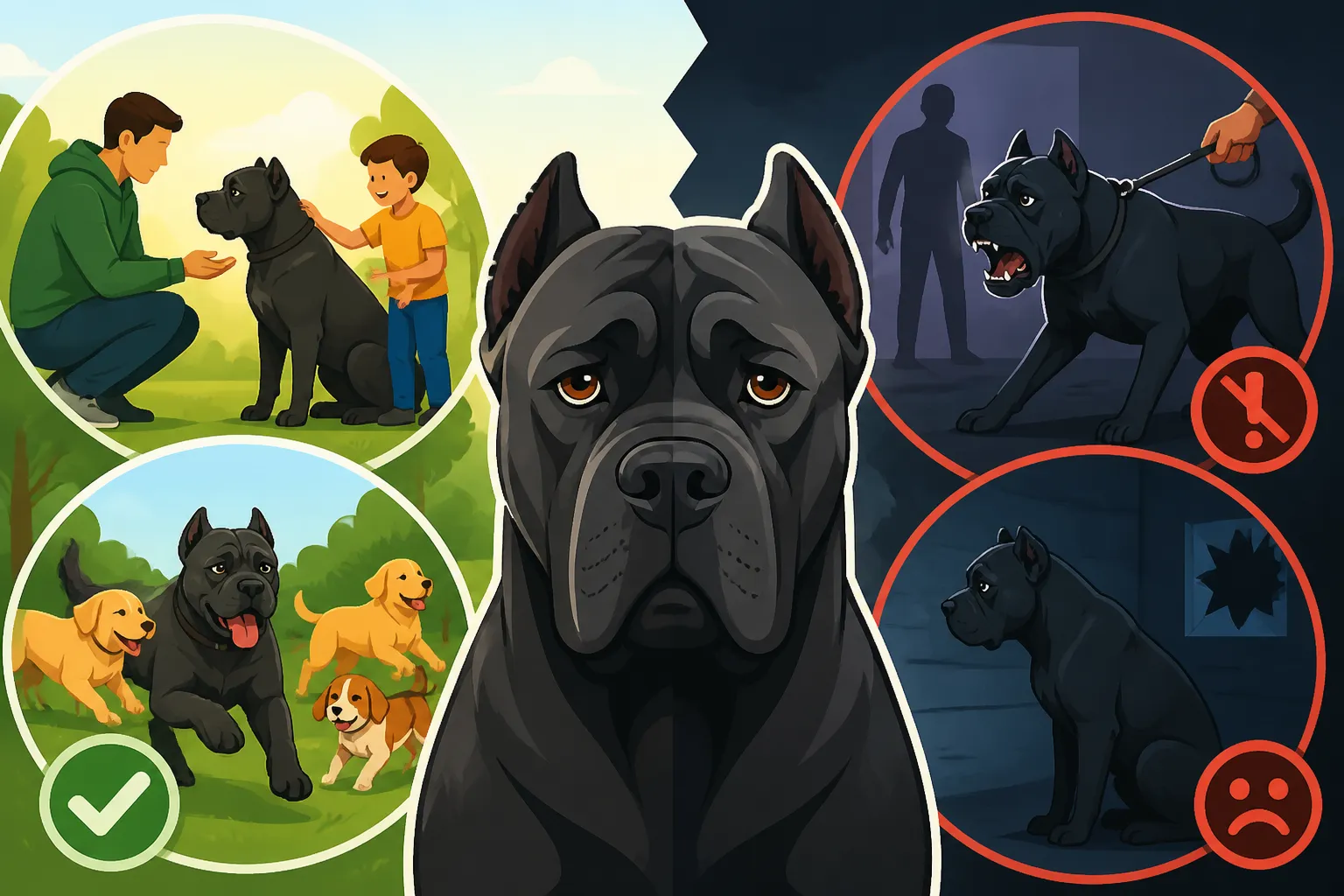
When a Cane Corso puppy misses out on this critical socialization period, their world view becomes much smaller, and often, much scarier. Without exposure to a wide variety of people (different ages, genders, hats, uniforms), environments (city streets, quiet parks, vet offices, stores), sounds (traffic, sirens, vacuums, children playing), and even textures (grates, carpet, pavement), these novelties can become sources of intense fear. Instead of developing a healthy curiosity, they develop suspicion or outright terror.
Imagine being dropped into a foreign country where you don't understand the language, the customs, or even the basic sounds. Every interaction feels threatening, and every new situation is a potential danger. That's often how an undersocialized Cane Corso experiences the world. Their natural guarding instincts, which are a hallmark of the breed, can then become misdirected and exaggerated, turning into fear-based reactivity rather than calm, discerning protection. They haven't learned the subtle cues that differentiate a friend from a foe, or a normal urban sound from a real threat.
Behavioral Fallout: More Than Just Shyness
The impact of missed socialization extends far beyond a dog simply being a bit shy. For a Cane Corso, a breed with immense physical presence and a strong protective drive, poor socialization can manifest in serious behavioral issues that profoundly affect their quality of life and that of their owners.
Fear-Based Reactivity and Aggression
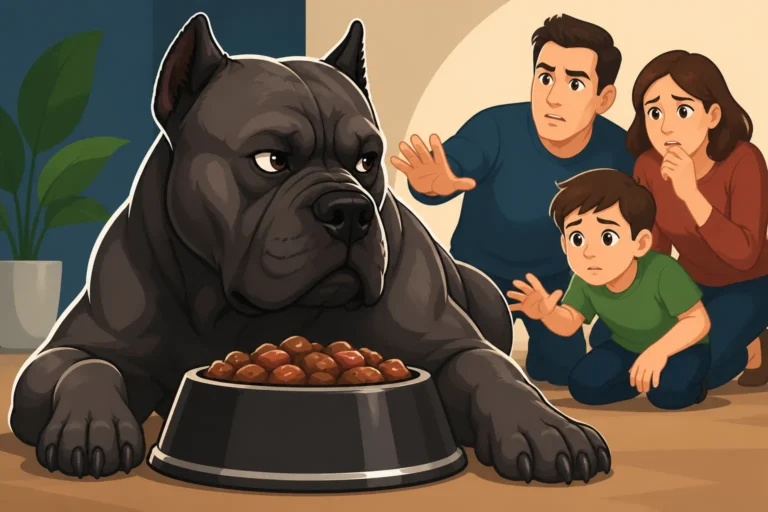
One of the most common and distressing outcomes of insufficient socialization in a Cane Corso is the development of fear-based reactivity or aggression. This isn't usually about a dog being "mean" or "dominant"; it's about a dog feeling overwhelmed and threatened by things they haven't learned to cope with. A reactive Cane Corso might bark and lunge at strangers, other dogs, cyclists, or even children simply because these things are unfamiliar and scary. Their large size and powerful appearance can make these reactions particularly intimidating to others, leading to escalating fear from both ends of the leash.
This behavior often starts with subtle signs – a stiff body, a low growl, avoidance – but without intervention, it can escalate to full-blown lunging, barking, and even snapping or biting. It’s a desperate attempt to create distance from something they perceive as a threat. Living with a dog like this means constant vigilance. Walks become a minefield of potential triggers, guests can't come over without a plan, and even simple trips to the vet or groomer become major operations. What to Do When a Cane Corso Lunges at a Dog touches on these difficult moments. You might find yourself avoiding situations entirely, which only further compounds the problem by reducing positive exposure.
The Impact on Daily Life and Relationships
Beyond direct reactivity, undersocialization can steal so much joy from owning a Cane Corso. Imagine not being able to take your dog to a pet-friendly patio, or for a hike on a busy trail, or even having friends over for a BBQ. Your Cane Corso might be wonderful with you and your immediate family, but if they haven't been introduced positively to a variety of people, including children, they may struggle immensely when new faces enter your home. This can strain relationships with family and friends who feel uncomfortable or unsafe around your dog.
The emotional toll on owners is immense. There's the guilt of not having done enough, the frustration of feeling trapped by your dog's limitations, and the constant stress of managing their environment to prevent incidents. It can lead to social isolation for both you and your dog, making it harder to engage in activities you once enjoyed. Furthermore, an undersocialized Cane Corso might develop separation anxiety if they become overly reliant on their owners for security, leading to destructive behaviors when left alone. The core issue is that they haven't built the confidence and coping mechanisms to navigate a dynamic world independently.
The Tangible Costs of Undoing the Damage
While the emotional and behavioral costs are heavy, it’s important to acknowledge the significant financial burden that often comes with trying to rehabilitate an undersocialized Cane Corso. This isn't just about a few extra treats; it can involve substantial investments in professional help, specialized equipment, and potentially, legal fees.
Professional Training and Behavior Modification
When faced with fear-based reactivity or aggression, "DIY" solutions rarely cut it, especially with a powerful breed like the Cane Corso. You will almost certainly need to invest in professional help from a certified dog trainer or a veterinary behaviorist. These professionals can help you understand the root cause of your dog's behavior, develop a safe and effective behavior modification plan, and teach you the skills to manage and improve your dog's responses.
The cost for such expertise can vary widely, but it's a serious commitment. Group classes might be cheaper, but an undersocialized Cane Corso may not be a candidate for them initially, requiring private one-on-one sessions. A board and train program, while sometimes effective for specific issues, can be very expensive and may not address the underlying fear unless specifically tailored and followed up diligently by the owner. What a Behaviorist Charges for a Reactive Cane Corso can give you a clearer picture of these expenses. These aren't one-off payments either; behavior modification is often an ongoing process that requires consistent effort and potential booster sessions.
Specialized Gear and Management Tools
Managing an undersocialized Cane Corso often requires more than just a standard leash and collar. You might find yourself investing in a range of specialized gear designed to keep your dog and the public safe, and to aid in training.
- Muzzles: A well-fitted basket muzzle is an indispensable tool for safety, especially during initial training sessions, vet visits, or in situations where your dog might be overwhelmed. Teaching your Cane Corso to happily wear a muzzle is a form of responsible ownership and can reduce stress for everyone involved. You can find quality muzzles easily on platforms like Amazon. Why Every Cane Corso Should Be Muzzle Trained Early offers guidance on this.
- Long Lines: For practicing recall and giving your dog a sense of freedom in a safe, controlled environment, a long line (15-30 feet) is invaluable. Again, these are readily available on Amazon.
- High-Value Treats: You'll need an arsenal of incredibly motivating treats to create positive associations with scary things. Think real meat, cheese, or specialized training treats.
- Management Equipment: This could include sturdy crates, baby gates, or even specific safety harnesses designed for powerful pullers.
- Enrichment Toys: A bored Cane Corso can be a destructive one. Puzzle toys, KONGs, and chew toys can help channel energy and reduce anxiety when you can't actively train or walk them due to reactivity.
Potential Vet Bills and Legal Ramifications
The costs aren't always about training. Chronic stress and anxiety from an undersocialized life can impact a Cane Corso's physical health, sometimes leading to stress-related ailments that require vet attention. Additionally, accidental bites or incidents, even if minor, can lead to significant vet bills for the injured party, legal fees, increased insurance premiums, or even breed-specific legislation challenges. The emotional distress and potential for euthanasia in severe cases are the ultimate, tragic costs.
| Cost Category | Description | Typical Actions |
|---|---|---|
| Training & Behavior | Professional guidance to address fear, reactivity, or aggression. | Private training sessions, veterinary behaviorist consultations, specialized workshops. |
| Specialized Gear | Equipment to ensure safety and aid in training. | Basket muzzles, long lines, high-value treats, sturdy harnesses, enrichment toys (e.g., from Amazon). |
| Vet & Medical | Stress-related health issues, injury treatment from incidents. | Vet visits for anxiety medication, injury repair from bites (for victim or dog), stress-induced gastrointestinal issues. |
| Legal & Insurance | Consequences of incidents or breed restrictions. | Increased liability insurance premiums, legal defense fees, fines, potential property damage claims. |
| Time & Lifestyle | Personal investment in management and training. | Daily management protocols, restricted social life, altered routines, constant vigilance during walks. |
Charting a Path Forward for an Undersocialized Cane Corso
It's easy to feel overwhelmed, but please know that while it takes immense dedication, it's often possible to significantly improve the life of an undersocialized Cane Corso. It's about meeting them where they are and slowly, patiently, rebuilding their confidence.
Starting Slow and Building Positive Associations
The first step is to accept that there are no quick fixes. You'll need to work at your dog's pace, respecting their boundaries and avoiding situations that push them "over threshold" into a reactive state. This often means management first – controlling the environment to prevent rehearsals of unwanted behavior. For example, if your dog barks at people on walks, you might start walking at quieter times or in less populated areas, increasing distance from triggers, and slowly, systematically reintroducing them to mild versions of those triggers.
The goal is to create positive associations. Every time your dog sees something that used to scare them (from a safe distance!), they get a high-value treat. They start to learn, "Oh, that person walking by means good things happen!" This counter-conditioning and desensitization process is slow but powerful. It involves careful observation and understanding Reading a Cane Corso's Body Language at a Distance. You might also find value in online puppy training programs, like those offered by BAXTER & Bella, even for an adult dog, as the foundational positive reinforcement principles are universal and can help build a common language of trust and cooperation between you and your Cane Corso. Consistency is key – every family member needs to be on the same page with training and management protocols.
The Role of a Qualified Professional
While self-help resources are valuable, working with a qualified, force-free professional is almost always recommended for an undersocialized Cane Corso. Look for a certified professional dog trainer (CPDT-KA), a certified behavior consultant canine (CBCC-KA), or a veterinary behaviorist (DACVB). These individuals have the expertise to assess your dog's specific fears and triggers, design a customized behavior modification plan, and teach you the necessary handling skills. They can help you recognize subtle stress signals, implement management strategies, and guide you through the desensitization and counter-conditioning process safely and effectively.
They'll help you understand that progress isn't linear, and setbacks are normal. They can also help you determine if medication might be a helpful adjunct to behavioral therapy, especially for dogs with severe anxiety or fear. Rehabilitating a Cane Corso that was never taken out requires patience, consistency, and expert guidance. With the right support, and a deep commitment from you, your undersocialized Cane Corso can learn to navigate the world with more confidence, leading to a much happier and safer life for everyone involved. Rehabilitating a Cane Corso That Was Never Taken Out provides more insights into this journey.
Disclaimer
This article is for general informational purposes only and does not constitute professional advice. Laws, prices and regulations vary by location and change over time. Consult a qualified professional for guidance on your specific situation.