Putting a Cane Corso Puppy in a Group Class
Bringing a Cane Corso puppy home is an exciting, albeit sometimes overwhelming, experience. You want to give them the best start, and often that means thinking about socialization and training. But for a breed as powerful and discerning as the Cane Corso, the idea of a standard "puppy class" can bring up a lot of questions and even anxiety. This guide is here to walk you through how to approach group classes for your Cane Corso puppy, ensuring it's a positive and beneficial experience for both of you.
The Unique Challenges of Socializing a Cane Corso Puppy
Let's be honest, a Cane Corso isn't your average Golden Retriever puppy. Their inherent protective instincts, large size even as youngsters, and powerful presence mean that typical puppy socialization advice needs a careful, thoughtful approach. Many owners worry about whether a group setting will actually help or hinder their Cane Corso's development.
Why Traditional Puppy Classes Might Feel Different for a Cane Corso
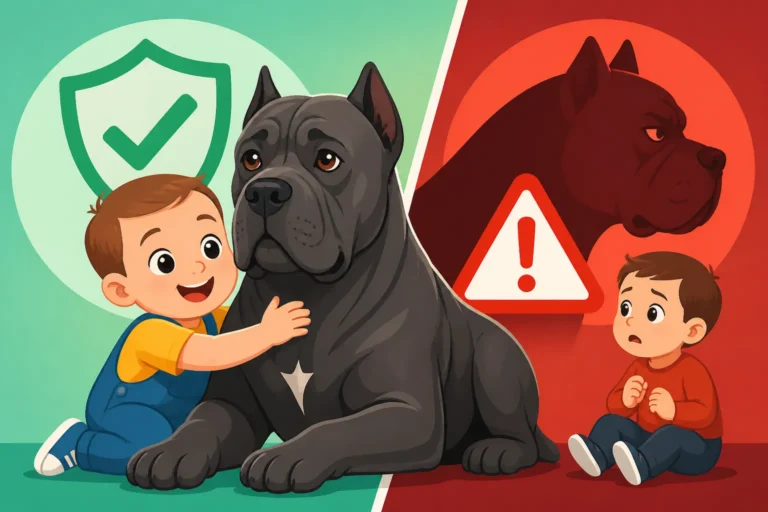
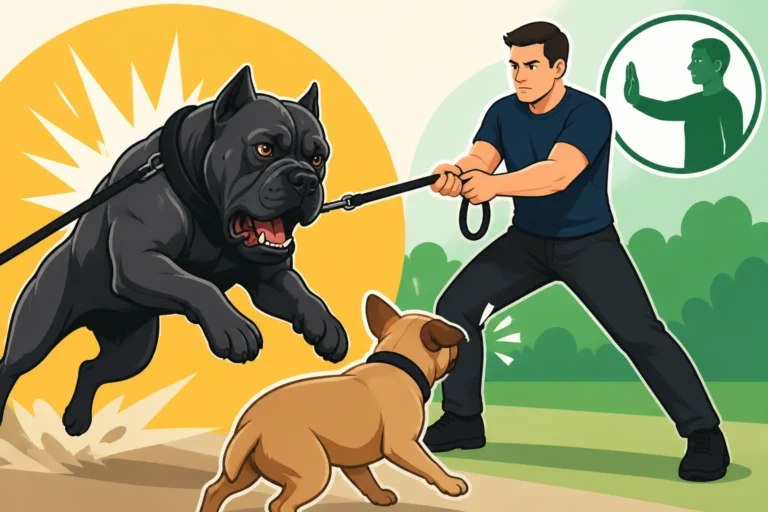
When you picture a puppy class, you might envision a room full of frolicking pups, all tumbling over each other. While this might be great for some breeds, for a Cane Corso, it can quickly become overstimulating, or worse, teach them to be overly reactive or to dislike other dogs. Your Cane Corso puppy is already wired to be a guardian, observing and assessing its environment. Throwing them into an uncontrolled free-for-all can be counterproductive, leading to guarding behaviors or anxiety if they feel overwhelmed and unable to "manage" the situation. They aren't meant to be universally friendly with every dog they meet; they're meant to be neutral and confident. Neutral Socialization for a Cane Corso at Twelve Weeks is key, meaning they learn to simply exist calmly around others without needing to interact.
Balancing Exposure with Protection Needs
It's a tricky tightrope walk, isn't it? On one hand, you know your Cane Corso needs exposure to the world to become a well-adjusted adult. On the other, you want to nurture their natural guardian instincts without creating a dog that's fearful or aggressive. The goal of early socialization isn't necessarily to make your Cane Corso love every stranger or dog, but rather to teach them what is normal and safe, so they can discern true threats from everyday occurrences. A good puppy class should support this balance, providing controlled exposure rather than overwhelming interaction. The Socialization Window a Cane Corso Puppy Gets is a critical time for these experiences, so making the most of it is vital.
Understanding the Cane Corso's Inherent Guarding Instincts
Even as a small puppy, your Cane Corso has the genetic blueprint for guarding. This isn't something you can train out of them, nor should you want to. It's what makes them such magnificent protectors. However, in a group class, this instinct needs to be managed appropriately. You don't want your puppy to start guarding you from other puppies or people in the class. Instead, you want them to learn to focus on you, even amidst distractions, and to understand that you are in control of their safety and interactions. This means a class environment where the instructor understands and respects these breed-specific traits, rather than trying to force your Cane Corso into a mold that doesn't fit.
What to Look For in a Group Puppy Class for a Cane Corso
Finding the right class is paramount. It’s not just about finding any puppy class; it's about finding one that truly understands the unique needs of a powerful guardian breed like the Cane Corso. You wouldn't send a future service dog to a class designed for agility prospects, right? The same discernment applies here.
Trainer Experience with Guardian Breeds
This is perhaps the most critical factor. Your trainer needs to have a solid understanding of large, powerful guardian breeds. They should know that a Cane Corso's socialization isn't about universal greeting, but about controlled exposure and building neutrality. Ask potential trainers about their experience with Cane Corsos, Mastiffs, or other Molosser breeds. A trainer who immediately suggests "off-leash playtime with all the puppies" without further qualification might not be the best fit. Look for someone who emphasizes handler focus, impulse control, and polite observation over boisterous play. Understanding What to Look For in a Cane Corso Trainer can make all the difference.
Class Structure and Management
A good group class for a Cane Corso puppy will prioritize structure. This often means:
- Small Class Sizes: Fewer puppies mean less chaos and more individual attention from the trainer. It also reduces the chances of your puppy being overwhelmed.
- Focus on Handler Work: Much of the class time should involve you and your puppy working together on basic cues, impulse control exercises, and attention games. The goal is to strengthen your bond and your puppy's focus on you, even with other dogs and people around.
- Controlled Interactions: If there are any puppy-to-puppy interactions, they should be carefully supervised, short, and positive. This isn't free-for-all play. It's about teaching polite greetings and appropriate body language, often with a "consent test" where puppies can choose to engage or disengage.
- Clear Boundaries: The trainer should have clear rules and boundaries for all participants, both human and canine. This ensures a safe and predictable environment for your Cane Corso, which thrives on consistency and clear expectations.
Curriculum Beyond Basic Obedience
While "sit," "stay," and "come" are essential, a Cane Corso puppy class should offer more. Look for a curriculum that includes:
- Impulse Control Work: This is vital for a strong breed. Exercises like "leave it," "wait," and Teaching a Cane Corso to Hold a Place Cot are invaluable. These teach your puppy to manage their excitement and make good choices, rather than just reacting to every stimulus.
- Exposure to Novelty: The class should introduce your puppy to different surfaces, sounds, and gentle handling. This helps build resilience and confidence without overwhelming them.
- Leash Manners: Even as a puppy, a Cane Corso can be a handful on a leash. Early, positive work on Loose Leash Walking a Cane Corso Puppy in a distracting environment is incredibly beneficial.
- Confidence Building: Activities that encourage your puppy to think and problem-solve, like simple obstacle courses or scent games, can be wonderful for their developing minds and self-assurance.
Red Flags to Watch Out For
Just as there are good signs, there are warning signs that a class might not be right for your Cane Corso.
- "All dogs welcome, no matter the behavior!": While inclusive, a class needs to manage energy and potential issues. A trainer who allows overly boisterous or aggressive puppies to continually disrupt the class isn't serving any student well, especially a Cane Corso who needs calm stability.
- Trainer uses harsh corrections or fear-based methods: This is a huge red flag for any dog, but particularly for a Cane Corso. These methods can damage trust, suppress natural instincts in an unhealthy way, and lead to reactivity or aggression later on.
- Lack of structure or supervision during puppy play: If puppies are just thrown together to "figure it out" without active trainer intervention, you're better off staying home. This can teach your Cane Corso bad habits, like guarding resources (including you) or being bullied, leading to negative associations with other dogs.
- Ignoring your concerns: A good trainer will listen to your specific worries about your Cane Corso and offer tailored advice. If they brush off your breed-specific questions, find someone else.
| Feature | Ideal Cane Corso Puppy Class | Less Ideal Puppy Class |
|---|---|---|
| Trainer Experience | Experienced with guardian/molosser breeds | Limited or no experience with powerful breeds |
| Class Size | Small (4-6 puppies) for individualized attention | Large (8+ puppies) with minimal individual oversight |
| Focus | Handler-dog bond, impulse control, neutrality | High emphasis on uncontrolled puppy-puppy play |
| Puppy Interaction | Structured, supervised, consent-based, short | Unsupervised, prolonged free-for-all play |
| Curriculum | Includes exposure to novelty, confidence games, boundaries | Primarily basic cues, lacks specific breed considerations |
| Methods | Positive reinforcement, clear communication, calm energy | Relies on corrections, intimidation, or hands-off chaos |
Preparing Your Cane Corso Puppy for Group Class Success
Even the best class won't work miracles if your puppy isn't set up for success from the start. A little foundational work at home can make a world of difference in how well your Cane Corso puppy integrates and learns in a group environment.
Foundation Work at Home
Before you even step foot in a class, start building a strong relationship with your puppy at home.
- Name Recognition & Attention: Practice calling your puppy's name and rewarding them when they look at you. This simple exercise builds crucial focus, especially important for a breed like the Cane Corso who needs to pay attention to you in distracting environments.
- Basic Cues: "Sit," "down," and "stay" are excellent starting points. Keep sessions short, fun, and positive. This not only teaches them commands but also establishes you as a reliable and rewarding leader. Remember, The Length of a Cane Corso's Attention Span can be short for puppies, so frequent, brief sessions are better than long, drawn-out ones.
- Leash Acclimation: Get your puppy comfortable wearing a collar or harness and a leash inside the house first. Practice walking a few steps, rewarding them for not pulling. You'll thank yourself later when you're trying to walk a hundred-pound dog. When you're ready for walks outside, having a sturdy, well-fitting harness or collar is key. Websites like Amazon offer a huge variety of options, from front-clip harnesses to wide, flat collars suitable for a growing Cane Corso.
Building Confidence Before Entering a Group Setting
Your Cane Corso puppy will thrive if they feel confident and secure.
- Positive Exposure to the World: Before joining a class, take your puppy on short, positive outings to various places. This means quiet parks (away from other dogs at first), different types of pavement, and perhaps a quick trip to a pet-friendly store where they can observe from a distance. The goal is exposure, not interaction. Let them see, smell, and hear new things from a safe distance, always pairing these experiences with praise and high-value treats.
- Gentle Handling: Get your puppy accustomed to being handled all over – ears, paws, mouth, tail. This prepares them for vet visits, grooming, and allows you to check for any injuries or issues. Make it a positive experience with treats.
Essential Gear for Class
You’ll want to be prepared with the right equipment for class.
- Appropriate Collar/Harness and Leash: A sturdy, well-fitting flat collar or a front-clip harness is usually recommended for puppy classes. Avoid retractable leashes, as they offer little control and can be dangerous. A standard 6-foot leash is ideal. For a growing Cane Corso, you might want to consider gear designed for larger, stronger breeds. You can find durable, heavy-duty options for harnesses rated for a Cane Corso's pull on sites like Amazon, ensuring you have the control you need.
- High-Value Treats: Bring an assortment of small, soft, super-tasty treats that your puppy absolutely loves. Think boiled chicken, cheese, or specialized training treats. These will be your primary tool for positive reinforcement in a distracting environment.
- Water and Bowl: Your puppy will get thirsty, especially if they’re nervous or working hard.
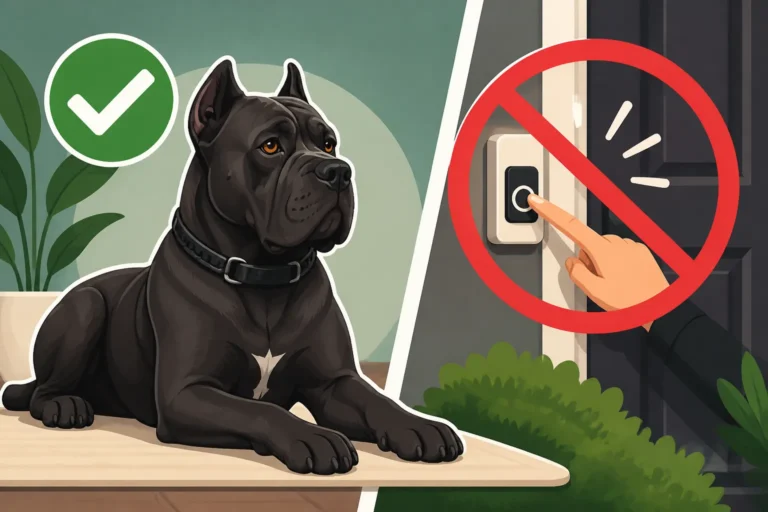
- A Mat or Bed: Teaching your puppy to Teaching a Cane Corso to Hold a Place Cot from an early age is incredibly beneficial. Having their own "place" mat in class can provide a sense of security and a clear boundary for them.
Managing Energy and Expectations
Understand that your Cane Corso puppy will have good days and bad days.
- Pre-Class Exercise: A short walk or a potty break before class can help burn off some excess energy, allowing your puppy to focus better. Don't overdo it – you don't want them exhausted.
- Realistic Expectations: Don't expect your Cane Corso puppy to be the star student immediately. They might be overwhelmed, excited, or even a little fearful at first. Focus on small victories. If they make eye contact with you for a second longer than usual, celebrate that! It's a journey, not a race.
Maximizing the Benefits and Handling Challenges in Class
Once you're in the class, it's up to you to be your Cane Corso's advocate and ensure they get the most out of the experience. Your active participation and understanding of your dog's signals are crucial.
Active Participation and Advocating for Your Puppy
You are your Cane Corso's voice.
- Engage with Your Trainer: Don't be afraid to ask questions, voice concerns, or seek clarification on exercises. A good trainer welcomes engagement. For instance, if you're working on something that feels off for your puppy's temperament, speak up.
- Observe Your Puppy: Pay close attention to your puppy's body language. Are they stressed? Overwhelmed? Or engaged and happy? Signs of stress can include lip licking, yawning, stiff body, tucked tail, or excessive panting. If your puppy is showing signs of being too stressed, it's okay to take a break, move to the edge of the room, or even step out for a few minutes. Why a Cane Corso Should Meet People Without Greeting Them is a concept you should apply in class too; don't force interactions.
- Be Prepared to Modify: The trainer might give general instructions, but you know your Cane Corso best. If your puppy needs more space from another dog, create it. If they are struggling with a particular exercise, ask for a modification or try it at a lower intensity.
Dealing with Overstimulation or Fear Reactions
It's entirely possible your Cane Corso puppy might get overstimulated or have a fear reaction in class.
- Create Distance: The easiest way to manage overstimulation is to increase distance. Move your puppy further away from whatever is causing the stress (another dog, a noisy person, etc.).
- Redirect Focus: Get your puppy's attention with a high-value treat or a favorite toy. Practice a simple, known cue like "sit" or "watch me" to help them re-engage with you.
- Positive Association: If your puppy is showing fear, avoid coddling them, which can inadvertently reinforce the fear. Instead, calmly move them to a comfortable distance and offer cheerful praise and treats as they observe the scary thing from afar. The goal is to create a positive association with the sight or sound.
- Don't Punish: Never punish your Cane Corso for showing fear or stress. This will only exacerbate the issue and damage your bond. Your role is to be their safe haven and guide.
Continuing Socialization Outside of Class
Puppy class is just one piece of the puzzle. True socialization is an ongoing process.
- Controlled Exposure: Continue to take your Cane Corso puppy to various places. Think of it as exposure therapy – short, positive encounters where your puppy observes the world without being forced to interact. A quiet walk in a busy park, sitting on a bench outside a coffee shop, or a quick visit to a hardware store can all be valuable. Remember Socializing a Cane Corso Puppy Before Its Shots Finish needs to be done with extreme care, focusing on low-risk environments.
- Positive Experiences: Ensure all experiences are positive. Always pair new sights, sounds, and people with high-value treats and praise. The goal is for your Cane Corso to associate the world with good things.
- Variety is Key: Expose your puppy to different types of people (kids, older adults, people with hats, people with umbrellas), different surfaces (grass, pavement, gravel), and various noises.
Online Resources and Supplemental Training
For a breed like the Cane Corso, your learning journey as an owner never truly ends.
- Online Training Programs: Many excellent online training programs can supplement your in-person classes. They offer structured lessons you can do at home, often with video demonstrations. Brands like BAXTER & Bella offer comprehensive online puppy programs that cover everything from basic obedience to more advanced behaviors, perfect for continuing your Cane Corso's education at your own pace and in a familiar environment. These can be particularly helpful for solidifying concepts learned in class or for tackling specific challenges.
- Further Education: Consider reading books on large breed training, positive reinforcement, and canine body language. The more you understand about your Cane Corso's needs and how they learn, the better you can guide them. Ultimately, working towards titles like Whether a Cane Corso Can Earn a Canine Good Citizen Title can be a great goal, demonstrating your dog's good manners and reliability in public. It's a testament to the comprehensive training and socialization you've invested in them.
Disclaimer
This article is for general informational purposes only and does not constitute professional advice. Laws, prices and regulations vary by location and change over time. Consult a qualified professional for guidance on your specific situation.