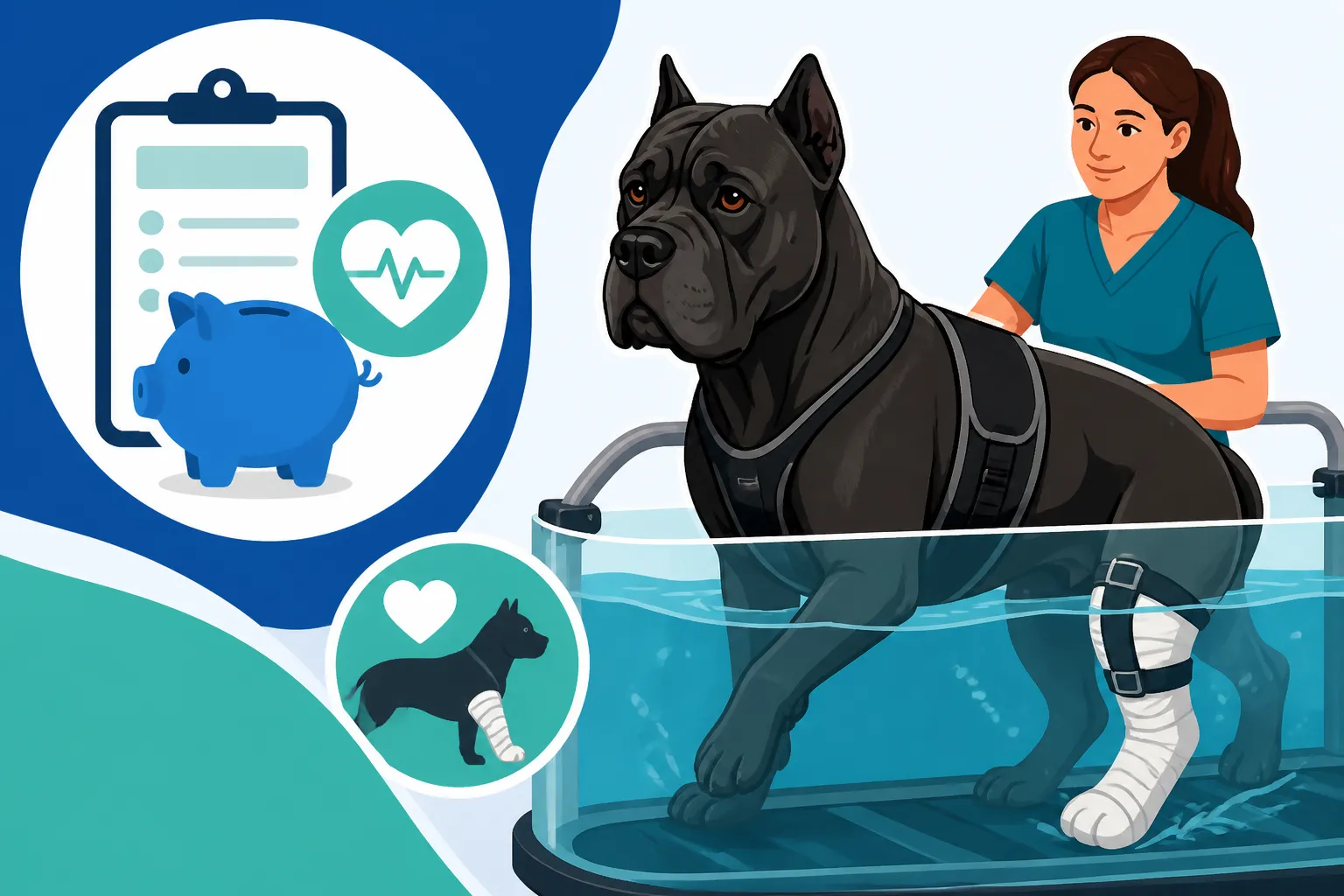
Physical Therapy Prices for a Cane Corso After Surgery
Bringing a Cane Corso home after a major surgery, whether it's for something as common as a torn cruciate ligament or a more involved procedure like a hip replacement, is a whirlwind of emotions. Relief that the surgery is over quickly gives way to the daunting reality of recovery, which almost always involves physical therapy. For many Cane Corso owners, the financial implications of this crucial next step can feel overwhelming and unexpected. This comprehensive guide is here to demystify the physical therapy process and, crucially, help you understand the price tags associated with giving your beloved giant the best chance at a full and comfortable recovery.
The Indispensable Role of Physical Therapy in Cane Corso Recovery
When your Cane Corso undergoes surgery, their body has been through a significant trauma, and simply resting isn't enough to get them back to their optimal self. In fact, without targeted rehabilitation, a large, heavy-boned breed like a Cane Corso can face a much tougher road to recovery, often developing compensatory issues that lead to further problems down the line. Physical therapy isn't a luxury; it's a critical component of successful post-operative healing.
Why Your Cane Corso Needs More Than Just Rest
Imagine trying to recover from knee surgery by just lying on the couch. You’d lose muscle mass, your joint would stiffen, and you’d probably develop an uneven gait trying to protect the recovering leg. The same principles apply, perhaps even more so, to our massive Cane Corsos. Their sheer size and weight mean that any imbalance or weakness in a limb places immense strain on the rest of their body. Resting alone might allow the surgical incision to heal, but it won't rebuild lost muscle, restore full range of motion, or teach them how to use the limb correctly again.
Physical therapy intervenes precisely at this point, using carefully controlled exercises and modalities to facilitate healing, strengthen surrounding muscles, and improve flexibility. For example, after a complex procedure like Hip Replacement Surgery on a Cane Corso, their ability to regain functional movement depends heavily on guided, progressive exercises. Without this intervention, muscle atrophy can set in quickly, making the limb weak and prone to re-injury, and leading to a significant decrease in their overall quality of life. We're talking about a dog that thrives on activity and being part of the family, and a sedentary life due to preventable issues is a heartbreaking prospect.
Preventing Long-Term Complications and Secondary Issues
One of the biggest benefits of physical therapy is its proactive approach to preventing secondary complications. When a Cane Corso favors one leg after an injury or surgery, they inevitably put more stress on the other limbs and their spine. This uneven distribution of weight can lead to problems like arthritis in the healthy joints, muscle strains in the back, or even injuries to the "good" leg as it overcompensates. For instance, if your Cane Corso has had surgery for Cruciate Tears in a Hundred Pound Cane Corso on one knee, the other knee is immediately at a higher risk of tearing if not properly strengthened and supported through therapy.
A skilled canine rehabilitation therapist will focus not only on the surgical site but also on strengthening the entire body, correcting gait abnormalities, and ensuring balanced muscle development. They’ll work on scar tissue management, joint mobilization, and pain control, all of which contribute to a smoother, more complete recovery. This comprehensive approach helps to extend the dog's healthy, active years, something every Cane Corso owner dreams of, ultimately answering the question of How Many Years a Cane Corso Owner Usually Gets. Skipping these steps often means dealing with chronic pain or new injuries months or years down the road, which can be even more expensive and emotionally draining than the initial surgery.
Deciphering the Costs of Cane Corso Physical Therapy
Understanding the financial landscape of physical therapy for your Cane Corso can feel like navigating a maze. The costs aren't uniform and depend on a variety of factors, from the initial assessment to the specific treatments involved and where you live.
Initial Consultations and Diagnostic Assessments
Before any actual therapy begins, your Cane Corso will need a thorough evaluation by a certified canine rehabilitation specialist. This initial consultation is crucial. The therapist will review your dog's surgical reports, medical history, perform a detailed physical examination including gait analysis, palpation of muscles and joints, and measurements of range of motion. They'll also discuss your goals for your dog's recovery and any specific concerns you might have.
This initial assessment isn't just a quick check-up; it's the foundation upon which your Cane Corso's entire rehabilitation plan is built. The therapist will use this information to design a tailored program, outlining the types of therapies, frequency of sessions, and expected duration. These initial consultations typically come with their own fee, separate from ongoing treatment sessions. Sometimes, if the therapist identifies an unexpected issue or needs more information, they might recommend further diagnostics, such as X-rays or blood work, adding to this initial cost.
The Pricing Structure: Per Session, Packages, and Home Programs
When it comes to paying for physical therapy, clinics generally offer a few different pricing models. The most common is a per-session rate. These individual session costs can vary widely depending on the length of the session (typically 30-60 minutes) and the modalities used. For a large dog like a Cane Corso, sessions might even be longer or more intensive, reflecting in the price.
However, many rehabilitation centers understand that therapy is an ongoing commitment and offer discounted packages. Buying a block of 5, 10, or even 20 sessions upfront can often result in significant savings compared to paying for each visit individually. This is a strategy many owners employ to reduce the overall financial strain, especially when anticipating the duration of therapy needed after major surgeries like those addressed in The Surgeries Every Cane Corso Owner Should Budget For. Additionally, a good rehabilitation plan will include a home exercise program (HEP). While the exercises themselves are "free" to perform at home, the initial instruction and demonstration of these exercises are part of the therapy plan, and you might need to purchase specific equipment like balance discs, cavaletti poles, or resistance bands, which can be found through retailers like Chewy. These tools ensure you can maintain consistency between clinic visits, which is vital for sustained progress.
Geographic Location and Clinic Specialization
Just like human healthcare, the cost of veterinary physical therapy can vary dramatically based on your geographic location. Clinics in major metropolitan areas, with higher operating costs, tend to charge more than those in more rural or suburban settings. For example, rehabilitation services in a bustling city on the East Coast might be notably higher than in a smaller town in the Midwest, a factor often seen in general costs such as Cane Corso Puppy Prices in the Midwest.
Furthermore, the level of specialization and the facility's amenities play a significant role. A state-of-the-art rehabilitation center boasting underwater treadmills, therapeutic laser machines, and a team of board-certified veterinary physical therapists will naturally have higher prices than a smaller clinic offering more basic manual therapies. While these specialized services can be incredibly beneficial for complex cases or faster recovery, they do come at a premium. It’s a trade-off many owners face: the best possible care for their Cane Corso might also be the most expensive, highlighting the need for careful financial planning and knowing about options like The Credit Line a Cane Corso Owner Should Arrange.
Common Physical Therapy Modalities and Their Cost Implications
Canine physical therapy encompasses a wide range of techniques, each designed to address specific aspects of recovery and each with its own cost considerations. Understanding these modalities will help you better interpret your Cane Corso's treatment plan and the associated expenses.
Hydrotherapy and Underwater Treadmills
Hydrotherapy is often a cornerstone of rehabilitation for large breeds, particularly after orthopedic surgeries. This can involve swimming in a therapeutic pool or, more commonly, using an underwater treadmill. The buoyancy of the water significantly reduces the impact on joints, allowing your Cane Corso to exercise and rebuild muscle strength without putting excessive stress on surgical sites or inflamed areas. This makes it particularly effective for conditions like recovering from Cruciate Tears in a Hundred Pound Cane Corso or managing severe arthritis.
Underwater treadmill sessions are often the most popular choice as they allow for more controlled movement and gait retraining in a reduced-weight environment. However, these sessions typically rank among the higher-priced modalities. This is due to the specialized equipment involved, the need for trained staff to operate the treadmill and guide your dog, and the overhead of maintaining the water quality and temperature. Sessions are usually timed, often lasting 20-40 minutes, and the frequency will depend on your Cane Corso's specific needs and recovery stage. The benefits, however, can be immense, often accelerating recovery and improving long-term mobility significantly.
Therapeutic Exercises and Manual Therapies
This category covers a broad spectrum of hands-on and active techniques that are fundamental to almost any physical therapy program. Therapeutic exercises include things like passive range of motion (PROM) movements, stretching, core strengthening exercises using balance balls or wobble boards, and targeted strengthening activities to improve muscle mass and endurance. These are crucial for improving flexibility, coordination, and overall strength, aiding in recovery from issues like Hip Dysplasia in a Fast Growing Cane Corso.
Manual therapies involve techniques such as massage, joint mobilizations, and myofascial release. These help to alleviate pain, reduce muscle spasms, break down scar tissue, and improve circulation. While these techniques may not require expensive machinery, they demand a high level of skill and knowledge from the therapist. Many of these exercises can be modified for a home program, with the therapist teaching you how to perform them safely and effectively. You might find yourself purchasing specific therapeutic tools, like peanut balls or resistance bands, from pet supply retailers like Chewy to aid in these at-home sessions, further supporting your dog's recovery and potentially reducing the number of clinic visits.
Advanced Modalities: Laser, Ultrasound, and PEMF
Beyond active exercises and manual techniques, many clinics offer advanced "passive" modalities that complement the hands-on work. These are often used to reduce pain, inflammation, and promote tissue healing. Laser therapy (often referred to as cold laser or low-level laser therapy) uses specific wavelengths of light to stimulate cellular repair, reduce swelling, and provide pain relief. It's frequently used to speed incision healing or calm inflamed joints.
Therapeutic ultrasound uses sound waves to create deep heat in tissues, which can help break down scar tissue, increase circulation, and relax muscles. Pulsed Electromagnetic Field (PEMF) therapy, another option, uses electromagnetic fields to reduce pain and inflammation, and can even accelerate bone healing. These advanced treatments are typically offered as add-ons to a standard session or as a course of treatment, with each session incurring an additional fee. While they can be highly effective in speeding recovery and enhancing comfort, they certainly add to the overall cost of your Cane Corso's rehabilitation.
| Modality | Description | Typical Cost Structure | Benefits for Cane Corso (Example) |
|---|---|---|---|
| Initial Consultation | Comprehensive assessment by a certified rehab therapist. | One-time fee, typically a higher rate | Establishes baseline, creates a personalized treatment plan for the unique needs of a Cane Corso. |
| Hydrotherapy | Controlled exercise in water (underwater treadmill or swimming). | Per session, often higher than dry therapy | Builds strength and endurance with minimal joint impact, crucial after operations like Hip Replacement Surgery on a Cane Corso. |
| Therapeutic Exercises | Guided exercises, stretching, balance work, and strengthening. | Included in session fee, or package deals | Improves range of motion, muscle tone, and coordination; vital for Managing Arthritis in a Hundred Pound Cane Corso. |
| Manual Therapy | Hands-on techniques like massage, joint mobilization, scar tissue work. | Included in session fee | Reduces pain and stiffness, enhances flexibility, helps alleviate compensatory issues. |
| Laser Therapy | Non-invasive light therapy to reduce pain and inflammation. | Per session add-on | Accelerates tissue healing, particularly useful for post-surgical recovery. |
| Ultrasound Therapy | Sound wave therapy to reduce scar tissue and promote circulation. | Per session add-on | Aids in soft tissue repair and reduces stiffness, useful for muscle injuries. |
| PEMF Therapy | Pulsed Electromagnetic Field therapy for pain and healing. | Per session add-on or course of treatment | Supports bone healing, reduces swelling, and offers pain relief. |
Strategies for Managing the Financial Burden
The cost of physical therapy for a Cane Corso after surgery can add up quickly, often surprising owners who didn't factor this into their initial surgical budget. However, there are proactive steps you can take to manage these expenses without compromising your dog's recovery.
Pet Insurance: A Lifeline for Rehabilitation Costs
If you're already a responsible Cane Corso owner, you likely understand the value of pet insurance, especially given the breed's size and potential for orthopedic issues. But it’s not just for the initial surgery; comprehensive pet insurance policies can be an absolute lifeline when it comes to covering rehabilitation costs. While Monthly Pet Insurance Premiums on a Cane Corso might seem like another recurring bill, the coverage for things like hydrotherapy, therapeutic exercises, and even some advanced modalities can save you thousands of dollars over the course of your dog's recovery. For instance, a policy from Healthy Paws often includes coverage for rehabilitation services when prescribed by a vet.
It is absolutely crucial to review your specific policy carefully to understand what is covered regarding physical therapy, deductibles, and reimbursement percentages. Some policies may have limitations on the number of sessions or the total amount they will pay for rehabilitation in a policy year. Ideally, you want to have a policy in place before any injury or illness occurs, as pre-existing conditions are almost universally excluded. If you're navigating the costs of something like What a Cane Corso's Cruciate Repair Costs, having insurance that covers the follow-up physical therapy can make all the difference in achieving a successful outcome without breaking the bank.
Payment Plans and Financial Aid Options
Even with pet insurance, or if you don't have it, the upfront costs of physical therapy can be daunting. Don't be afraid to openly discuss your financial concerns with your veterinary rehabilitation clinic. Many facilities understand the strain on pet owners and may offer flexible payment plans, allowing you to spread the cost over several months. It never hurts to ask, as they often have internal options or can direct you to third-party medical financing companies specifically designed for veterinary care, offering deferred interest or low-interest plans.
Beyond payment plans, look into financial aid options. Breed-specific rescues, while primarily focused on rehoming, sometimes have funds or can point you toward organizations that offer financial assistance for extensive veterinary care and rehabilitation, especially if the dog was adopted through them. There are also national and local non-profits dedicated to helping pet owners with veterinary bills. While securing aid can sometimes be a lengthy process, it's worth exploring, particularly for long-term rehabilitation needs to ensure your Cane Corso can get back to doing things like Helping an Old Cane Corso Off the Floor on their own.
The Value of a Strong Home Exercise Program
While professional, in-clinic physical therapy is invaluable, a dedicated home exercise program (HEP) can significantly impact both your Cane Corso's recovery and your wallet. Your rehabilitation therapist will design specific exercises for you to perform with your dog at home. These exercises are tailored to your dog's stage of recovery and are crucial for maintaining progress between professional sessions. Consistency at home can potentially reduce the number of costly in-clinic visits needed, as you're actively contributing to their rehabilitation daily.
To make your HEP successful, you’ll need to be committed and consistent. Investing in high-value training treats, readily available from places like Chewy, can make these exercises more engaging and rewarding for your Cane Corso. Ensuring they have appropriate nutrition during recovery is also key; premium, nutrient-dense fresh food from providers like Ollie can support their overall healing and energy levels, which in turn helps with their stamina for physical activity. Remember, the effectiveness of any rehabilitation plan, regardless of expense, hinges on adherence to the program. Your active participation in their home exercises is not just about saving money; it's about being an integral part of your Cane Corso's journey back to health and vitality.
Disclaimer
This article is for general informational purposes only and does not constitute professional advice. Laws, prices and regulations vary by location and change over time. Consult a qualified professional for guidance on your specific situation.