The Yeast Smell on a Cane Corso’s Skin Folds
That distinctive, sometimes almost sweet, yet undeniably yeasty smell emanating from your beloved Cane Corso's skin folds is a common, often frustrating, issue that many owners face. It's not just a minor annoyance; it can signal underlying discomfort for your dog and, if left unaddressed, lead to more serious skin problems. This comprehensive guide will walk you through why that smell appears, how to spot other warning signs, and most importantly, effective strategies to manage and prevent yeast overgrowth, keeping your Cane Corso comfortable and healthy.
Understanding the Root Cause of Yeast Overgrowth in Cane Corsos
The reason your Cane Corso often develops that tell-tale yeasty odor in their skin folds isn't some mystery. It's a perfect storm of their unique anatomy and sometimes, underlying health sensitivities.
Why Skin Folds Are a Prime Breeding Ground
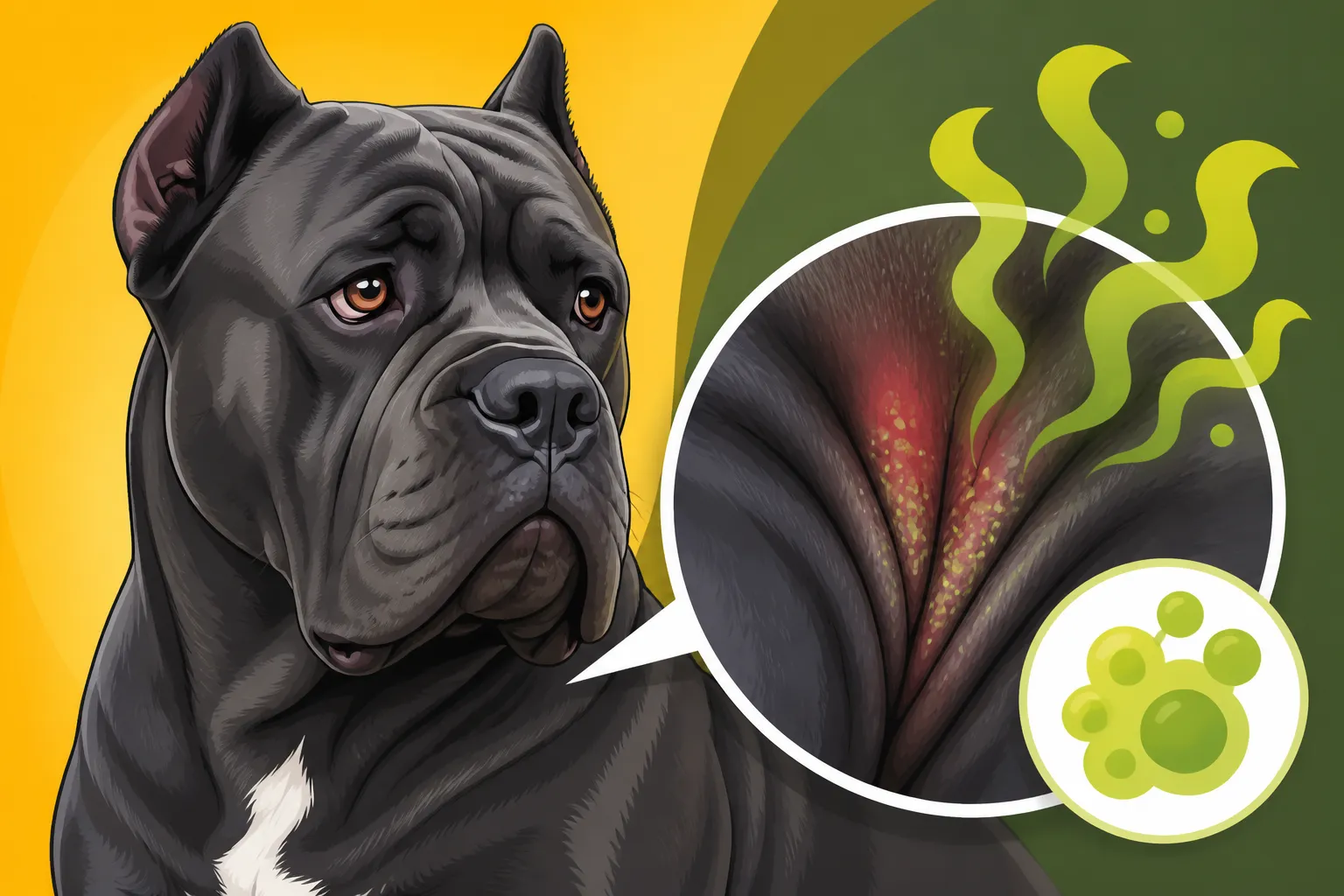
Imagine a tiny, warm, damp cave. That's essentially what your Cane Corso's skin folds create – particularly around their jowls, neck, and any facial wrinkles they might have. These areas are designed by nature to trap moisture, warmth, and prevent proper airflow. This environment is an absolute paradise for microorganisms, especially yeast (specifically a type called Malassezia pachydermatis), which are naturally present on your dog's skin in small, harmless numbers.
When these conditions persist, the yeast population can explode, leading to an overgrowth. The skin, being constantly moist and warm, loses its natural protective barrier. This makes it easier for yeast to penetrate and irritate the skin, causing inflammation, itching, and that very specific, pungent odor that we associate with a yeast infection. Even the dewlap under their neck or the folds around their tail pocket can become problematic spots if not regularly cleaned.
The Role of Underlying Allergies and Immunity
While the physical environment of skin folds is a significant factor, it's rare that yeast overgrowth happens in a vacuum. Often, there's an underlying issue making your Cane Corso more susceptible. Environmental allergies, like those to pollen, dust mites, or certain grasses, or even food allergies to common proteins such as chicken or beef, can trigger a cascade of events. When a Cane Corso experiences an allergic reaction, their immune system goes into overdrive, and their skin becomes inflamed.
This inflammation compromises the skin's natural barrier, making it less effective at fending off opportunistic invaders like yeast. It's like having a weakened immune system, but locally on the skin. A dog constantly scratching or licking an itchy area further introduces moisture and disrupts the skin, perpetuating the cycle. Without addressing these underlying allergies, you might find yourself constantly battling recurring yeast infections. Some breeds are simply more prone to these sensitivities, and diligent care is part of responsible ownership for a breed like the Cane Corso. Understanding Skin Allergies That Flare on a Cane Corso is crucial for long-term management.
Recognizing the Signs Beyond the Smell
While the smell is often the first and most obvious indicator, your Cane Corso might be showing other signs that point to a yeast infection. Being observant of these subtle (and not so subtle) cues can help you intervene early.
Visual Clues and Skin Changes
Beyond the distinctive smell, take a close look at the affected skin folds. You might notice the skin appearing red and inflamed, almost raw in some areas. There could be greasy discharge or an oily texture to the skin and fur within the folds. In more chronic cases, the skin can become thickened and leathery, a condition called lichenification, and often takes on a dark, almost black, pigmentation (hyperpigmentation). This darkening is the skin's response to persistent irritation.
Sometimes, you might even see small pustules or scabs, indicating a secondary bacterial infection has also taken hold. Hair loss in the immediate area is also common, making the skin even more vulnerable. This can be particularly noticeable around their prominent jowls or if they have The Loose Eyelids Nearly Every Cane Corso Owner Meets, where moisture can collect and create issues. It's important to differentiate these signs from other skin conditions, such as Demodectic Mange on a Young Cane Corso, which presents differently.
Behavioral Indicators of Discomfort
Your Cane Corso's behavior can also give you strong hints that something is amiss. An itchy, irritated dog will often lick, scratch, or rub the affected areas excessively. If the yeast infection is in their facial folds, they might rub their face on furniture or the carpet. If the ears are involved (yeast loves warm, dark ear canals too!), you'll likely notice them shaking their head frequently, pawing at their ears, or holding one ear at an odd angle.
They might become restless, unable to settle down due to the constant itching. Some dogs may even become a bit withdrawn or irritable if they're particularly uncomfortable. Remember, your Cane Corso is a stoic breed, and by the time they're showing obvious signs of discomfort, they've likely been feeling it for a while. Observing these behavioral changes is a critical step in providing timely care and relief.
Effective Strategies for Managing and Preventing Yeast Infections
Taking a proactive and consistent approach is key to keeping those pesky yeast infections at bay and ensuring your Cane Corso stays comfortable. It's a commitment, but one that’s well worth it for their well-being.
Daily Cleaning and Drying Routines
The cornerstone of managing yeast in skin folds is meticulous hygiene. This means regular cleaning and, just as importantly, thorough drying. For your Cane Corso's deeper folds, especially around the face, jowls, and neck, aim for at least once daily cleaning, or twice a day if an active infection is present.
Here's a step-by-step guide:
- Gather Supplies: You'll need soft cotton pads or gauze, and a gentle, veterinary-approved skin fold cleaner. Many vets recommend solutions containing chlorhexidine or witch hazel, or even specialized medicated wipes designed for skin folds. Avoid harsh soaps or alcohol-based products, as these can dry and further irritate the skin.
- Gently Expose Folds: Carefully stretch the skin to expose the deepest parts of the folds. Be gentle, as these areas might be tender.
- Clean Thoroughly: Wipe away any debris, moisture, or waxy build-up. Use a fresh pad for each fold to avoid spreading potential infection. Don't be afraid to get in there, but always be kind to your dog.
- Dry Completely: This step is crucial. Yeast thrives in moisture. After cleaning, use a clean, dry cloth or cotton pad to gently but thoroughly pat the area dry. You can even use a cool setting on a hairdryer, held at a safe distance, for a few seconds to ensure the area is bone dry.
Consistency is key. Making this part of your daily routine, perhaps after their morning walk or before bedtime, will go a long way in preventing future flare-ups.
Medicated Shampoos and Topical Treatments
For active yeast infections, daily cleaning might not be enough. Your veterinarian might recommend specific medicated shampoos or topical treatments.
- Medicated Shampoos: Shampoos containing antifungal ingredients like miconazole and chlorhexidine are highly effective. When using these, it's vital to follow the instructions precisely, which usually involves lathering the shampoo into the affected areas and allowing it to sit for 5-10 minutes before rinsing thoroughly. This "contact time" is what allows the active ingredients to work their magic. For general bathing, remember that Bathing a Cane Corso in a Home Shower needs to be done with proper products and technique, even for their short coats.
- Topical Creams or Sprays: For localized infections, your vet might prescribe antifungal creams (e.g., ketoconazole, clotrimazole) or sprays. These can be applied directly to the clean, dry folds. Always ensure your Cane Corso doesn't lick the product off immediately after application, which might mean a few minutes of distraction or even using a soft E-collar.
It’s important to stress that self-diagnosing and treating with over-the-counter products without veterinary guidance can sometimes mask a more serious problem or lead to ineffective treatment. Always consult your vet for a proper diagnosis and treatment plan.
Addressing Underlying Health Issues and Diet
As we discussed, yeast overgrowth is often a symptom of a larger issue, frequently allergies. Tackling these underlying problems is vital for long-term relief.
Your veterinarian can help diagnose allergies through various methods, including:
- Cytology and Skin Scrapes: To confirm the presence of yeast and rule out other parasites.
- Allergy Testing: Blood tests or intradermal skin tests can pinpoint specific environmental allergens.
- Elimination Diets: This is often the most effective way to identify food allergies. It involves feeding a novel protein or hydrolyzed protein diet for 8-12 weeks, then carefully reintroducing ingredients to see what triggers a reaction. For more on this, check out An Elimination Diet for an Itchy Cane Corso.
Dietary changes and supplements can also play a supportive role. Some Cane Corso owners find success with specialized diets that support skin health. Supplements like omega-3 fatty acids (fish oil) can help reduce inflammation and improve skin barrier function. Probiotics can support gut health, which is intrinsically linked to immune function and skin health. You might find benefits from exploring Whether Fish Oil Settles a Cane Corso's Itchy Skin as part of a holistic approach. Maintaining a healthy weight is also crucial, as excess fat can create deeper, more problematic skin folds. A lean Cane Corso not only has fewer skin fold issues but also benefits from Why a Lean Cane Corso Keeps Its Hips Longer.
When considering food, it's not just about allergies. Ensuring your Cane Corso gets a high-quality, balanced diet is fundamental to their overall health. For puppies, choosing the right nutrition, like what's discussed in Why a Cane Corso Puppy Needs Giant Breed Food, sets a foundation for a healthy life.
Environmental Management
Your Cane Corso's living environment also plays a role. Keeping their bedding clean and dry is essential. Regularly washing blankets and dog beds will reduce the accumulation of allergens and yeast spores. If your home is particularly humid, a dehumidifier can help, especially in areas where your dog spends a lot of time.
Regular grooming, even for a short-coated breed like the Cane Corso, is more than just aesthetics. Brushing, even with a tool designed to pull out undercoat, as described in Getting a Brush Through a Cane Corso's Dense Undercoat, helps remove loose hair, dander, and helps with skin health. This can also give you an opportunity to check their skin all over for any early signs of trouble.
When to Seek Professional Veterinary Help
While home care is essential, there are times when a yeast infection requires professional veterinary intervention. Don't hesitate to contact your vet if you notice these signs. Pet insurance, such as plans from Healthy Paws, can be invaluable for managing recurring conditions and unexpected vet visits.
Recognizing Persistent or Worsening Symptoms
It's tempting to try and manage mild skin issues at home, but knowing when to call the vet is crucial. If the smell persists despite consistent cleaning, if the redness and irritation worsen, or if your Cane Corso seems to be in increasing discomfort, it's time for an appointment. Signs of secondary bacterial infection, such as pus, fever, or extreme pain when touched, warrant immediate veterinary attention.
Chronic, untreated yeast infections can lead to significant discomfort for your dog and can be much harder to clear up once they've taken hold. Early intervention not only provides faster relief but also prevents the condition from becoming a long-term, frustrating battle. Understanding that conditions like The Cardiac Exam Behind a Cane Corso's Clearance require regular veterinary oversight, helps reinforce the importance of routine check-ups for skin health as well.
Diagnostic Tests and Treatment Options
When you visit your vet, they will likely perform a thorough physical examination. To confirm a yeast infection, they'll typically do a cytology, which involves gently pressing a piece of tape to the affected skin or swabbing the area, then examining it under a microscope. This quickly reveals the characteristic "footprint" shape of yeast organisms. This simple, non-invasive test provides a definitive diagnosis and helps rule out other common skin issues.
For severe or recurrent infections, your vet might prescribe oral antifungal medications, such as fluconazole or itraconazole. These medications work systemically to combat the yeast throughout the body. The duration of treatment varies but can range from several weeks to months. In some cases, antibiotics may also be prescribed if a secondary bacterial infection is present. Healthy Paws can help alleviate the financial stress associated with diagnostic tests and long-term medication, ensuring your Cane Corso gets the care they need without compromise.
Developing a long-term management plan with your veterinarian is vital, especially if underlying allergies are identified. This plan might include ongoing allergy management, specific maintenance cleaning routines, and dietary adjustments. Proactive health management, combined with understanding your Cane Corso’s overall health profile, including what What a Cane Corso CHIC Number Actually Certifies can mean for their genetic predisposition to certain conditions, ensures the best quality of life. Regular veterinary check-ups and open communication with your vet are your best tools in keeping your Cane Corso happy and healthy. Remember to consider the costs associated with chronic conditions, which often adds to what a Cane Corso owner should set aside monthly. Planning for these possibilities, potentially with a good insurance plan, like those offered by Healthy Paws, can make all the difference.
Table: Common Anti-Yeast Products and Their Active Ingredients
| Product Type | Common Active Ingredients | Primary Action | Notes |
|---|---|---|---|
| Medicated Wipes | Chlorhexidine, Miconazole | Antifungal, Antibacterial | Convenient for daily fold cleaning, mild to moderate infections. |
| Medicated Shampoos | Miconazole, Ketoconazole, Chlorhexidine | Antifungal, Antibacterial | Requires contact time (5-10 min), good for widespread infections. |
| Antifungal Sprays | Ketoconazole, Clotrimazole | Antifungal | Easy topical application, good for localized spots. |
| Oral Medications | Fluconazole, Itraconazole | Systemic Antifungal | Prescription only, for severe or persistent infections. |
| Omega-3 Supplements | EPA, DHA (Fish Oil) | Anti-inflammatory | Supports skin barrier, reduces overall inflammation, adjunct therapy. |
| Probiotics | Various bacterial strains | Gut Health Support | May indirectly support immune and skin health. |
Disclaimer
Please remember that the information provided in this guide is for educational purposes only and should not be considered a substitute for professional veterinary advice. Always consult with a qualified veterinarian for any health concerns or before making any decisions about your Cane Corso's medical care or treatment.