The Case for Tacking Every Cane Corso’s Stomach
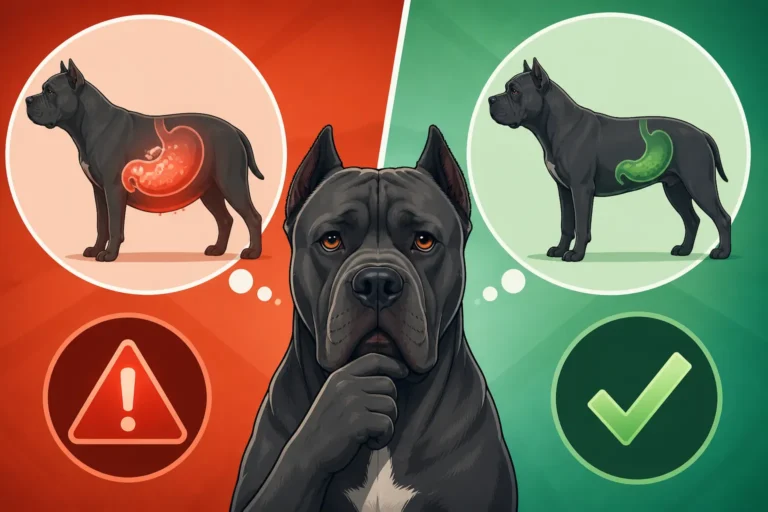
One of the most terrifying emergencies a Cane Corso owner can face is bloat, or Gastric Dilatation-Volvulus (GDV). This sudden, life-threatening condition can turn a normal evening into a frantic race against time, often with devastating consequences. Understanding the profound risks your deep-chested companion faces means seriously considering a prophylactic gastropexy – a preventative measure that could ultimately save their life.
Understanding the Silent Threat of Bloat in Cane Corsos
Bloat is not just an upset stomach; it's a critical medical emergency where a dog's stomach fills with gas, food, or fluid (dilatation) and then often twists on its axis (volvulus). This twisting cuts off blood supply to the stomach and spleen, compromises breathing, and can send the dog into shock. For Cane Corsos, this isn't a rare occurrence; it's a significant breed risk that every owner needs to be aware of.
Why Deep-Chested Breeds Are at Such High Risk
Cane Corsos, with their magnificent, deep chests, are unfortunately predisposed to bloat. It's a cruel irony that a characteristic so admired in the breed standard also places them in a high-risk category for this deadly condition. The exact cause isn't fully understood, but it's believed that the spacious abdominal cavity allows the stomach more room to move and twist. Factors like eating too fast, eating one large meal a day, excessive exercise after eating, stress, and genetics all play a role, but the deep chest remains a primary anatomical risk factor.
When a dog's stomach dilates and then twists, it's not just discomfort; it's a rapid decline. The pressure builds, affecting blood flow back to the heart, leading to organ damage and a cascade of critical systemic issues. Without immediate intervention, usually within a matter of hours, the outcome is almost always fatal. It's a nightmare scenario that can unfold in what feels like mere minutes, leaving owners feeling helpless and horrified.
Recognizing the Early Signs of Trouble
The insidious nature of bloat is how quickly it can progress from subtle discomfort to a full-blown crisis. As a Cane Corso owner, you need to be hyper-vigilant for any changes, no matter how minor they seem initially. One of the very first signs you might notice is restlessness or anxiety; your dog might pace, try to get comfortable without success, or repeatedly look at their side. They might start drooling excessively or panting.
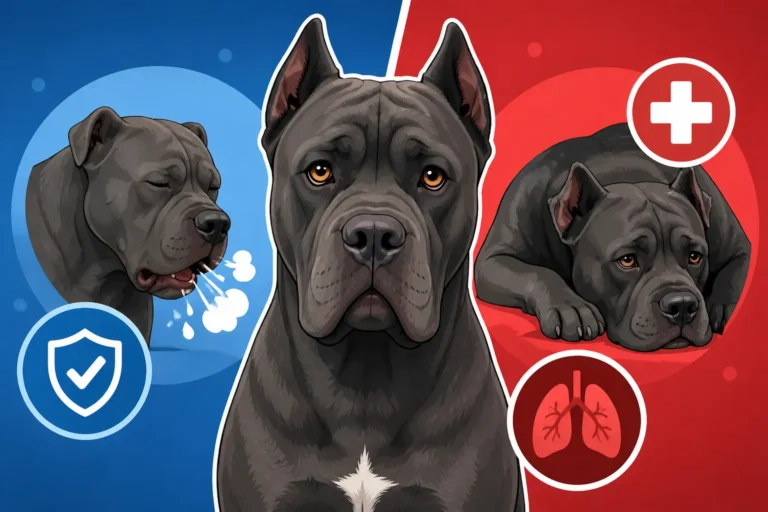
As the condition worsens, more pronounced symptoms emerge. A bloated Cane Corso will often attempt to vomit, but nothing will come up, or they may only bring up frothy saliva. You might notice their abdomen beginning to swell and become taut, especially on the left side. This distension can be incredibly rapid. They may also exhibit pain, appearing hunched, whining, or groaning. Their gums might become pale, and their breathing may become labored. If you ever suspect your Cane Corso is bloating, even if it's just a gut feeling, don't wait to see if it improves. This is one instance where it's always better to overreact and get to an emergency vet immediately. Recognizing The First Sign a Cane Corso Is Bloating can quite literally mean the difference between life and death.
What is a Prophylactic Gastropexy and How It Works
Given the terrifying reality of bloat, a prophylactic gastropexy stands out as one of the most significant preventative measures an owner can take for their Cane Corso. This surgical procedure is designed to permanently attach the stomach to the abdominal wall, preventing it from twisting if it ever bloats.
The Surgical Procedure Explained
A prophylactic gastropexy is a relatively straightforward surgical procedure. During the operation, the surgeon creates an adhesion (a permanent attachment) between a specific part of the stomach and the inside of the abdominal wall. This "tacks" the stomach in place, so while it can still dilate (fill with gas or fluid), it cannot twist. The twisting (volvulus) is the most life-threatening component of GDV.
There are a few ways this can be done:
- Open Gastropexy: This involves a traditional incision in the abdomen, similar to a spay or neuter.
- Laparoscopic-Assisted Gastropexy: This is a minimally invasive technique where small incisions are made, and a camera (laparoscope) and specialized instruments are used. This often results in less pain and a faster recovery for the dog. Many veterinarians recommend performing a prophylactic gastropexy at the same time as a spay or neuter. This is an ideal time because the dog is already under anesthesia, and it minimizes the number of surgeries they undergo. Discussing Booking a Cane Corso's Stomach Tack With Its Neuter with your vet can often make this a more feasible and cost-effective option.
The Unquestionable Benefits of Prevention
The primary and most critical benefit of a prophylactic gastropexy is that it effectively eliminates the risk of gastric volvulus, the deadly twisting of the stomach. While a dog who has had a gastropexy can still experience gastric dilatation (bloat without twisting), this form is significantly less life-threatening and much easier to treat. It buys you precious time to get your dog to the vet for relief, rather than facing an immediate, dire emergency.
For owners, the procedure offers immense peace of mind. Knowing you've taken such a proactive step to protect your Cane Corso from a common and terrifying killer is invaluable. Statistics show that dogs who undergo a prophylactic gastropexy have a dramatically higher survival rate if they ever experience bloat compared to those who do not. Many pet insurance providers, like Healthy Paws, recognize the importance of such preventative care, and while the procedure itself might fall under a wellness plan, the coverage for any future bloat emergency for a tacked stomach is a massive benefit. It's truly a procedure that shifts the odds dramatically in your dog's favor.
The Financial and Emotional Investment of Prevention
When considering a prophylactic gastropexy, many owners naturally look at the cost. It's an elective surgery, after all. However, it's crucial to view this cost not as an expense, but as an investment – one that can save your dog's life and significantly reduce future financial and emotional strain.
Comparing the Cost of Gastropexy vs. Emergency Bloat Surgery
Let's talk numbers because, unfortunately, money is often a real concern, especially with a large breed like a Cane Corso. A prophylactic gastropexy, especially if performed at the time of a spay or neuter, typically ranges from $400 to $1,500, depending on your location, the veterinarian, and whether it's an open or laparoscopic procedure. This price includes anesthesia, the surgery itself, and post-operative medications.
Now, compare that to an emergency bloat surgery (GDV). If your Cane Corso's stomach twists, you're looking at a bill that can easily soar to $3,000 to $10,000 or more. This massive cost covers emergency stabilization, extensive surgery to untwist the stomach and perform an emergency gastropexy (if the dog survives), potential removal of damaged spleen tissue, overnight critical care, blood transfusions, and intensive post-operative monitoring. The difference is stark, and it's a comparison that highlights the true value of prevention. When you consider What It Costs When a Cane Corso's Stomach Turns, the proactive approach becomes not just medically sound, but often financially prudent. Even the overnight stay associated with The Overnight Bill After a Cane Corso's Gastropexy is minimal compared to an emergency.
Pet Insurance and the Value of Proactive Care
This is where pet insurance can truly shine, acting as a financial buffer against the unpredictable. Many pet insurance companies, including providers like Healthy Paws, offer comprehensive plans that can cover a significant portion of emergency veterinary expenses. While routine preventative procedures like a gastropexy might be covered under an optional wellness package, the peace of mind knowing that a catastrophic bloat emergency (should it ever occur, even if your dog is tacked) is financially manageable is immense.
It’s worth checking with your specific insurance provider about their coverage for prophylactic procedures versus emergency care. Even if the preventative gastropexy isn't fully covered by your standard policy, the potential savings in an emergency scenario, coupled with the reduction in stress, makes the premium for a robust plan from a company like Healthy Paws a worthwhile investment for a Cane Corso owner. Whether Pet Insurance Pays a Cane Corso's Bloat Surgery is a critical question to ask when selecting a policy.
Beyond the Procedure: Ongoing Care and Vigilance
It's important to understand that while a gastropexy prevents the deadly twisting (volvulus), it does not prevent the stomach from dilating (filling with gas). So, even with a tacked stomach, a Cane Corso can still "bloat" in the sense that their stomach fills with air. However, because it can't twist, the situation is far less critical and usually allows sufficient time for veterinary intervention to relieve the pressure, often without emergency surgery.
This means that while gastropexy is a phenomenal preventative tool, owners must still remain vigilant and employ good management practices. This includes splitting daily food rations into two or three smaller meals, using a slow feeder, avoiding vigorous exercise an hour before and after meals, and monitoring for any signs of discomfort. Careful management of The Mealtime Habits That Turn a Cane Corso's Stomach and ensuring proper Resting a Cane Corso After Its Meal remain important components of overall care, even after a gastropexy.
Making the Decision for Your Cane Corso
Deciding whether to proceed with a prophylactic gastropexy for your Cane Corso is a significant choice, but one that is increasingly advocated by veterinarians and experienced breed enthusiasts. It’s about weighing risks, benefits, and the profound impact this procedure can have on your dog’s life and your own peace of mind.
Consulting Your Veterinarian
The very first step is to have an in-depth conversation with your trusted veterinarian. They know your Cane Corso's individual health history and can provide personalized advice. Your vet can discuss the optimal timing for the procedure, which often coincides with spaying or neutering, typically between 6 to 18 months of age, before the risks of bloat significantly increase. They can also explain the specific surgical techniques available at their clinic or recommend a specialist if a laparoscopic option is preferred. Don't hesitate to ask every question you have – a good vet will be happy to ensure you're fully informed and comfortable with the decision.
They will evaluate your dog's overall health to ensure they are a good candidate for anesthesia and surgery, especially for a large breed like the Cane Corso where Anesthesia Risk in a Deep Chested Cane Corso can be a consideration, though generally safe for healthy individuals.
Addressing Common Owner Concerns
It’s natural to have concerns about any surgery for your beloved companion. Some common questions include:
- Is it painful? While any surgery involves some discomfort, pain management protocols are highly effective, and most dogs recover quickly, especially from laparoscopic procedures.
- Are there complications? As with any surgery, there are risks, but the complication rate for prophylactic gastropexy is very low, far lower than the risks associated with emergency GDV surgery.
- Is it really worth it? This is often the biggest question. When you look at the statistics for GDV in deep-chested breeds, and the incredibly high mortality rate without immediate intervention, the answer becomes a resounding yes. The cost and temporary recovery discomfort are minimal when compared to the emotional and financial devastation of an emergency bloat episode. Many owners who have gone through the scare of bloat, or who have lost a dog to it, will tell you unequivocally that Whether a Cane Corso's Stomach Tack Is Worth the Money is not even a question; it's a necessity.
| Feature | Prophylactic Gastropexy (Preventative) | Emergency GDV Surgery (Reactive) |
|---|---|---|
| Purpose | Prevents stomach twisting (volvulus) | Corrects existing twist, saves life |
| Cost Range | $400 – $1,500 (often combined with spay/neuter) | $3,000 – $10,000+ (complex emergency care) |
| Urgency | Elective, planned procedure | Critical, immediate life-or-death situation |
| Surgical Risk | Relatively low | High, due to shock, organ damage, and instability |
| Recovery | Faster, less complicated | Longer, more intensive, higher complication rate |
| Anesthesia Risk | Lower for healthy, stable patient | Higher for unstable, compromised patient |
| Outcome/Prognosis | Excellent, significantly reduces mortality risk | Guarded to poor, even with surgery; high mortality |
| Peace of Mind | High for owners | Low, immense stress and emotional toll |
Disclaimer
This article is intended for informational purposes only and does not constitute veterinary advice. Always consult with a qualified veterinarian for any health concerns or before making any decisions about your pet's medical care.