Panosteitis and the Shifting Limp in a Cane Corso Puppy
Finding your powerful Cane Corso puppy limping can be incredibly alarming, and when that limp seems to shift from one leg to another, it can feel like a complete mystery. Owners often jump to conclusions about serious injuries or even genetic conditions, but sometimes, the culprit is a common growth-related issue known as panosteitis. This guide will delve deep into what panosteitis is, how to recognize its tell-tale shifting limp, and what you can do to support your growing giant through this often-painful phase.
Understanding Panosteitis in Cane Corso Puppies
Panosteitis, often affectionately called "pano" by vets and experienced owners, is one of those frustrating but usually self-limiting conditions that can strike rapidly growing large and giant breed puppies, including our beloved Cane Corsos. It's not a joint issue in the traditional sense, which is why it can be so confusing to diagnose without professional help.
What Exactly is Panosteitis?
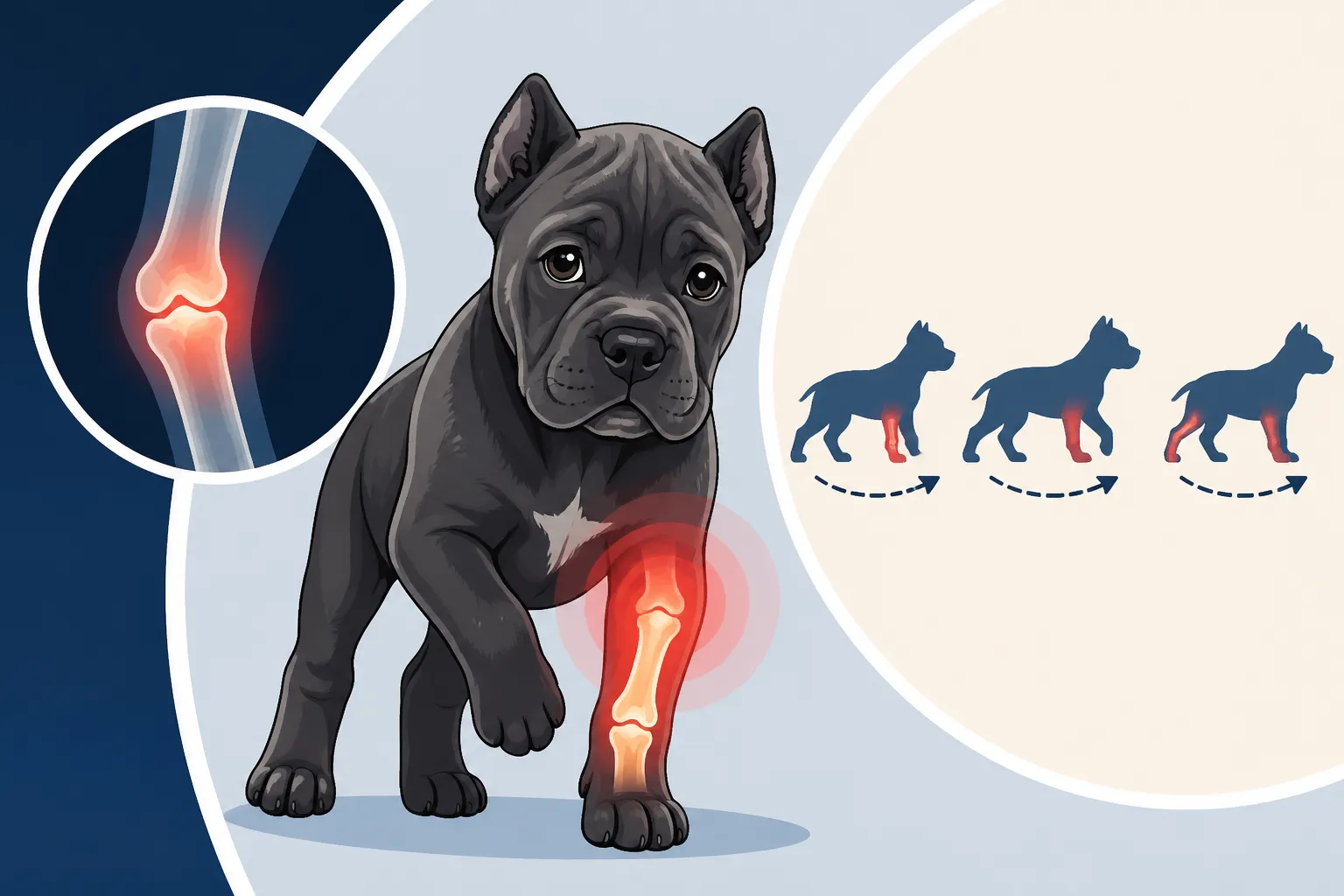
At its core, panosteitis is an inflammation of the outer surface of the long bones in a puppy's legs – specifically, the diaphysis, which is the shaft of the bone. Think of it like a painful periostitis, where the tough, fibrous membrane covering the bone becomes inflamed. This inflammation can occur in the humerus (upper front leg), radius and ulna (lower front leg), or the femur (upper back leg) and tibia (lower back leg). The exact cause isn't fully understood, but it's strongly linked to rapid growth spurts, genetics, and possibly even high-protein diets or dietary imbalances. It's essentially growing pains on a grand scale, hitting puppies typically between 5 and 18 months of age, right when they're putting on significant size and weight. While it's uncomfortable, it's generally not considered degenerative and rarely leads to long-term orthopedic problems.
The Classic "Shifting Lameness"
The hallmark symptom of panosteitis, and the reason it often sends owners into a panic, is its characteristic "shifting lameness." One day, your Cane Corso puppy might be limping on their left front leg. You might rest them, and a few days later, the limp might appear on their right rear leg, or even completely disappear, only to resurface on another limb a week later. This migratory nature is what sets panosteitis apart from most other orthopedic issues. It's not a consistent limp on one specific joint or limb, making it incredibly difficult for an owner to pinpoint. This intermittent and moving lameness can lead owners to suspect everything from soft tissue injuries to something far more serious like Hip Dysplasia in a Fast Growing Cane Corso or Elbow Dysplasia and a Cane Corso's Front End. The pain can range from mild to severe, sometimes making your normally boisterous puppy reluctant to play, get up, or even put weight on the affected limb.
Diagnosing and Managing Panosteitis
When your Cane Corso puppy starts limping, it's natural to be worried. Even if you suspect panosteitis, a vet visit is crucial to rule out other, potentially more serious conditions. A proper diagnosis ensures your puppy gets the right care and pain relief.
When to See the Vet and How It's Diagnosed
Any persistent or recurring limp in a growing Cane Corso puppy warrants a trip to the veterinarian. It's always better to be safe than sorry, as early intervention can make a significant difference for certain conditions. When you arrive, your vet will perform a thorough physical examination, carefully palpating (feeling) your puppy's legs, muscles, and joints for signs of pain, swelling, or heat. With panosteitis, the pain is often elicited by direct pressure on the shaft of the long bones, rather than the joints themselves.
The definitive diagnostic tool for panosteitis is radiography, or X-rays. While early stages of panosteitis might not show clear changes, as the condition progresses, X-rays can reveal increased bone density, patchy areas within the bone marrow cavity, or even signs of periosteal new bone growth. Your vet will usually X-ray all four limbs, or at least the affected ones, to get a complete picture and rule out other potential causes of lameness like osteochondrosis dissecans (OCD) or even a subtle fracture. This comprehensive approach helps ensure that the shifting limp isn't a red herring for something more complex.
Supporting Your Puppy Through Pain
Once panosteitis is confirmed, the primary goal is pain management and supportive care. Your vet will likely prescribe Non-Steroidal Anti-Inflammatory Drugs (NSAIDs) like carprofen (Rimadyl) or meloxicam to reduce pain and inflammation. It's absolutely vital to follow your vet's dosing instructions precisely, as NSAIDs can have side effects if misused. During painful flare-ups, strict rest is paramount. This means limiting strenuous exercise, jumping, and rough play. Short, controlled leash walks are usually fine, but avoid long hikes or intense running until the pain subsides.
Nutrition also plays a role in supporting overall skeletal health. While diet isn't a direct cure for panosteitis, feeding a high-quality, large-breed specific puppy food formulated for slow and steady growth is essential. These foods are designed to ensure balanced calcium and phosphorus levels and appropriate protein content to prevent excessively rapid growth, which can exacerbate orthopedic issues. Over-supplementation, especially with calcium, can actually be detrimental to a growing Cane Corso puppy's skeletal development, so always consult your vet before adding any supplements. For more information on this, you might want to read Why Extra Calcium Damages a Cane Corso Puppy.
Unexpected vet bills, especially for diagnostic imaging like X-rays and ongoing medication, can be a real concern for owners. This is where pet insurance can offer significant peace of mind. Companies like Healthy Paws can help cover eligible costs associated with diagnosing and treating conditions like panosteitis, easing the financial burden during stressful times.
Prognosis and Long-Term Outlook
The good news about panosteitis is that it's typically a temporary condition. While it can be distressing to witness your puppy in pain, most Cane Corsos make a full recovery without lasting effects.
Will My Cane Corso Outgrow It?
Yes, in the vast majority of cases, Cane Corso puppies do outgrow panosteitis. It's considered a self-limiting condition, meaning it resolves on its own as the puppy matures and their rapid growth phases slow down. Episodes of lameness might recur over several weeks or months, but they generally cease once the puppy reaches skeletal maturity, typically around 18 to 24 months of age for a giant breed like the Cane Corso. Once resolved, it usually doesn't leave behind any permanent damage or predispose them to other orthopedic problems later in life. The key is careful management during the active phases to ensure comfort and prevent secondary issues from compensatory lameness. It's a journey, but one with a very positive destination for most puppies.
Preventing Future Issues and Overall Joint Health
While panosteitis itself isn't directly preventable in all cases, promoting healthy, steady growth in your Cane Corso puppy is the best defense against many orthopedic problems. This means feeding a high-quality, large-breed specific puppy food like those from reputable brands such as Purina Pro Plan or Royal Canin, ensuring a balanced diet that supports a gradual The Growth Curve a Cane Corso Follows to Nineteen Months. Avoid free-feeding and ensure your puppy maintains a lean body condition; an overweight puppy puts undue stress on their developing bones and joints, as discussed in Why a Lean Cane Corso Keeps Its Hips Longer. Regularly checking their weight and comparing it to expected growth milestones, such as what a Cane Corso should weigh at six months, can help you stay on track.
Controlled exercise is also critical. While a Cane Corso needs regular activity, intense, high-impact exercise should be limited during their growth phase. Focus on moderate, consistent activity like walking and avoid excessive jumping or prolonged running on hard surfaces. Considerations like How Much Walking a Cane Corso Puppy Should Do and being mindful of Why Stairs Matter for a Cane Corso Puppy's Joints are important for protecting developing joints.
Many owners wonder about joint supplements, but it's important to be cautious. While some supplements, like glucosamine and chondroitin, can be beneficial for adult dogs with arthritis, their efficacy for preventing panosteitis or other growth plate issues in puppies isn't clearly established. Always consult your veterinarian before giving any supplements. For a deeper dive into this, you can refer to Whether a Cane Corso Benefits From Joint Supplements. Ultimately, a balanced diet, appropriate exercise, and maintaining a healthy weight are the cornerstones of long-term joint health for your Cane Corso.
Here's a quick comparison of panosteitis symptoms versus other common limps:
| Feature | Panosteitis (Pano) | Injury (e.g., sprain, strain) | Hip/Elbow Dysplasia |
|---|---|---|---|
| Onset | Gradual, intermittent, often sudden | Usually sudden, clear incident | Gradual, often subtle, persistent |
| Location of Limp | "Shifting," moves between different legs | Consistent to one leg/area | Consistent to one or both hips/elbows |
| Pain Level | Varies, mild to severe | Varies, mild to severe | Varies, mild to severe, often chronic |
| Palpation (Vet Exam) | Pain along bone shafts | Pain at specific muscle/joint | Pain on joint manipulation |
| X-ray Findings | Increased bone density, patchy areas | Soft tissue swelling, fracture (if severe) | Joint malformation, secondary arthritis |
| Age Affected | 5-18 months (rapid growth) | Any age | Typically 5-18 months (manifestation) |
| Prognosis | Excellent, self-limiting, full recovery | Varies with severity, often good | Chronic, often requires lifelong management |
| Associated Swelling | Rarely visible external swelling | Localized swelling, heat | Joint swelling, muscle atrophy over time |
Understanding the Financial Side of Puppy Lameness
Bringing a Cane Corso puppy home is a significant investment of time, love, and resources. While we hope for a perfectly healthy companion, the reality is that puppies, especially fast-growing giant breeds, can encounter unexpected health challenges.
Unexpected Vet Bills and the Value of Preparation
The moment you see your Cane Corso puppy limping, your heart sinks. Then, the practical side kicks in: vet visit, potential X-rays, medication, follow-up appointments. These costs can add up quickly. A single comprehensive diagnostic workup for lameness, including multiple X-rays and a vet consultation, can easily run into several hundred dollars. If medication is needed for an extended period, that's another ongoing expense. These aren't the costs you necessarily budget for when you first welcome your furry friend. The unexpected nature of these bills can cause significant financial stress, especially when you're already investing in high-quality food, training, and other essential Cane Corso care items.
Being prepared for such eventualities is not just smart, it's crucial. Having an emergency fund specifically for your pet or, more proactively, investing in pet insurance, can make all the difference. Knowing you have a financial safety net allows you to make medical decisions based on what's best for your Cane Corso, rather than solely on what you can afford out-of-pocket at that very moment.
Peace of Mind with Pet Insurance
Pet insurance is becoming an increasingly popular tool for Cane Corso owners to manage the unpredictable costs of veterinary care. For conditions like panosteitis, which often require diagnostics and pain management, a good pet insurance policy can be invaluable. Companies like Healthy Paws offer comprehensive plans that can cover accidents and illnesses, including the diagnostic tests (like those crucial X-rays), prescribed medications, and even specialist consultations if needed.
When considering pet insurance, it’s important to enroll your Cane Corso puppy early, ideally before any symptoms of conditions like panosteitis or even a suspected limp appear. This is because most insurance providers have waiting periods and will consider conditions that manifest before or during these waiting periods as "pre-existing," which are typically not covered. Enrolling early ensures that if your puppy does develop panosteitis or another eligible condition later on, you're covered. Healthy Paws, for example, is a well-regarded provider that can help alleviate the financial burden of conditions like panosteitis, allowing you to focus on your puppy's recovery and well-being. It’s a proactive step that can provide immense peace of mind throughout your Cane Corso's life, especially with a breed known for its susceptibility to certain orthopedic challenges.
Disclaimer
This article is for general informational purposes only and does not constitute professional advice. Laws, prices and regulations vary by location and change over time. Consult a qualified professional for guidance on your specific situation.