Screening a Cane Corso Puppy’s Hips Early
It's an incredibly worrying moment when you notice your robust Cane Corso puppy, full of life and boundless energy, perhaps favoring a leg or showing an unusual gait. For such a powerful, majestic breed, hip issues can be a devastating reality, often leaving owners feeling helpless. This guide is here to unravel the complexities of screening a Cane Corso puppy's hips early, offering you proactive steps to safeguard their future mobility and comfort.
Understanding Canine Hip Dysplasia in Cane Corsos
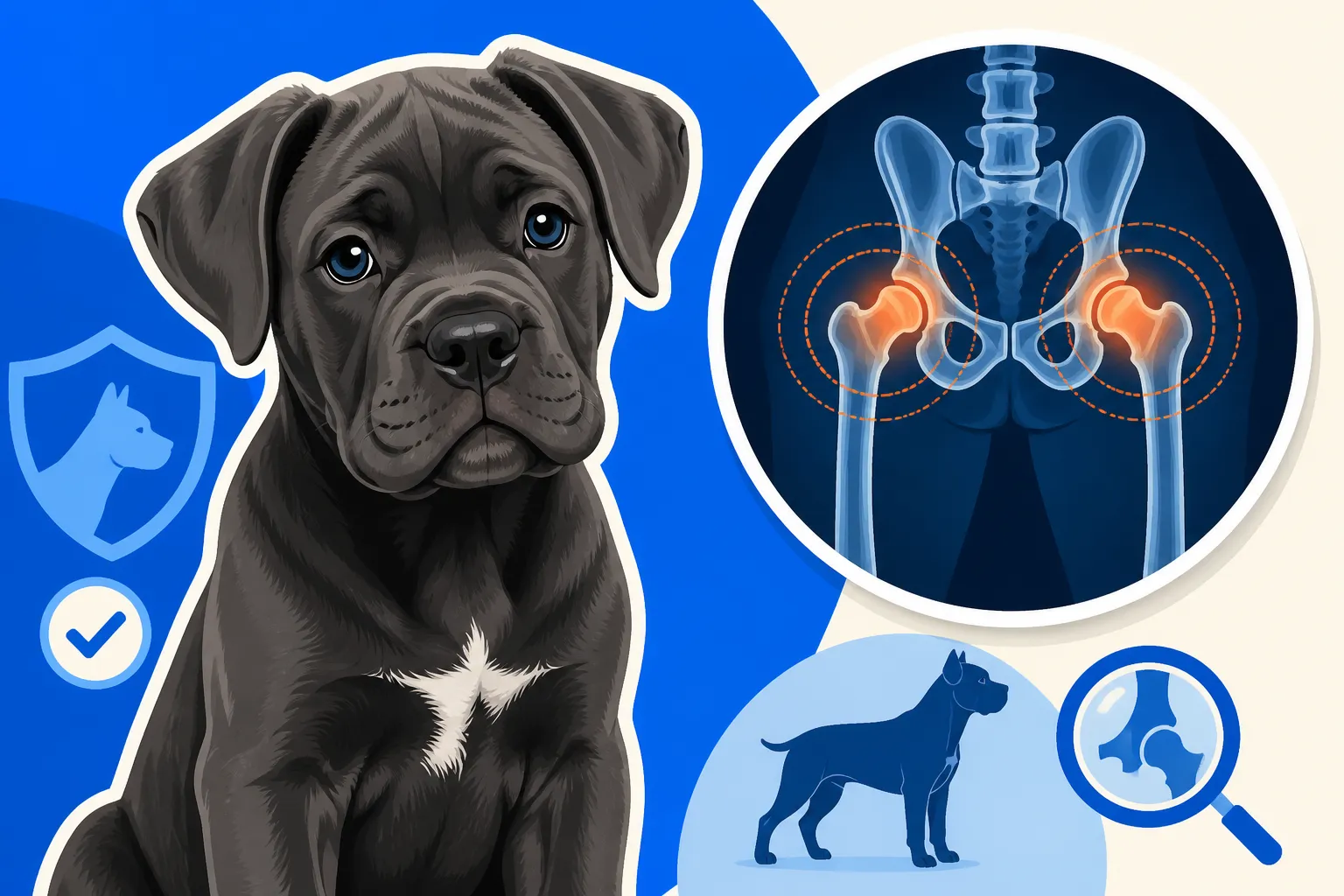
Canine Hip Dysplasia (CHD) is a widespread orthopedic condition, particularly in large and giant breeds like our beloved Cane Corsos. It's not just a genetic lottery; it's a complex interplay of inherited traits, environmental factors, and growth rate. When you're dreaming of a long, active life with your Corso, the thought of them being hampered by joint pain in their prime is truly disheartening.
Why Early Detection Matters
The frustrating truth about hip dysplasia is that it's often a silent, progressive disease in its early stages. A puppy might not show obvious signs of lameness, even if their hips are already developing abnormally. By the time a Cane Corso is visibly struggling, significant damage to the hip joint — characterized by a loose fit between the ball (femoral head) and socket (acetabulum) — may have already occurred. This laxity leads to abnormal wear and tear, inflammation, and eventually degenerative joint disease (osteoarthritis).
Early detection isn't about giving you bad news sooner; it's about empowerment. Knowing the state of your Cane Corso's hips early on provides a crucial window for intervention. This could mean adjusting their diet, modifying their exercise regimen, or even considering preventive surgical options before the condition progresses to a point where pain management becomes the primary focus. It truly can make a difference in their long-term comfort and mobility.
The Genetic Component and Breed Predisposition
Cane Corsos, like many large dog breeds such as German Shepherds, Labradors, and Golden Retrievers, have a significant genetic predisposition to hip dysplasia. This isn't to say every Cane Corso will develop it, but the breed's genetics play a substantial role. When you bring home a Cane Corso puppy, you're not just getting an adorable, wrinkly bundle of joy; you're also taking on a responsibility to understand and mitigate potential health risks inherent to their lineage.
A reputable breeder will go to great lengths to ensure their breeding stock is cleared of hip dysplasia, typically through certifications like OFA (Orthopedic Foundation for Animals) or PennHIP. However, even with rigorous testing of parents, genetics are never a 100% guarantee, especially with multifactorial diseases like CHD. It’s a bit like playing a hand of cards; you want the best possible deck, but you still need to play your hand carefully. That's why early screening of the puppy itself becomes another layer of proactive care, adding to the information gathered from checking Reading a Cane Corso's Hip Grade Against the CHIC List for the parents.
Traditional vs. Early Screening Methods for Cane Corso Hips
When it comes to assessing a dog's hips, there are well-established methods, but their timing and what they measure can vary significantly. Understanding these differences is key to making informed decisions for your Cane Corso.
Standard OFA and PennHIP Evaluations
Traditionally, the Orthopedic Foundation for Animals (OFA) certification has been the gold standard for hip evaluation. This method typically involves a single X-ray of the hips taken when the dog is at least 24 months old. The X-ray is then evaluated by a panel of three radiologists who grade the hips as excellent, good, fair, borderline, mild, moderate, or severe. Only hips graded 'fair' or better are considered passing for breeding purposes.
The major limitation of OFA for our discussion here is the age requirement. Waiting until a Cane Corso is two years old means that if hip dysplasia is present, two years of potential damage and discomfort may have already occurred. For a quickly growing giant breed, two years is a long time. While OFA provides a useful snapshot of hip conformation in a mature dog, it doesn't offer the early predictive power many owners desire. The aim is often to catch concerns long before Signs a Cane Corso's Hips Are Starting to Go become apparent in an older dog.
PennHIP, developed at the University of Pennsylvania, offers a different approach. It assesses hip laxity – the degree of looseness in the hip joint – which is a primary indicator and predictor of whether a dog will develop hip dysplasia. This method can be performed on puppies as young as 16 weeks, providing a much earlier assessment. Unlike OFA's subjective grading, PennHIP provides a quantitative measure called the Distraction Index (DI), which objectively measures hip laxity.
The Promise of PennHIP for Puppies
The real game-changer for Cane Corso owners is PennHIP's ability to provide a reliable assessment of hip health at such a young age. At just 16 weeks, your Cane Corso puppy is still in a critical developmental phase, making early intervention far more impactful. The PennHIP procedure involves three specific X-ray views: a standard extended view (similar to OFA), a compression view, and a distraction view. The distraction view, in particular, is what sets PennHIP apart, as it quantifies the laxity of the joint by gently pushing the femoral heads out of the acetabula.
The resulting Distraction Index (DI) is a numerical score ranging from 0 to 1, where values closer to 0 indicate tighter hips (less laxity) and values closer to 1 indicate looser hips (more laxity). A DI of 0.3 or less generally indicates excellent hip conformation with a very low risk of developing CHD. Dogs with a DI above 0.3 are at an increased risk, with higher numbers correlating to a greater chance of developing osteoarthritis later in life. This objective measurement allows for more precise prediction and comparison across breeds.
For dedicated Cane Corso owners, getting a PennHIP evaluation for their puppy can offer immense peace of mind or, conversely, provide the critical information needed to make proactive management decisions. Understanding your puppy's hip health early can also be incredibly helpful when considering pet insurance providers like Healthy Paws. Most insurance policies have strict rules about pre-existing conditions, so having an early baseline assessment before any symptoms emerge can be beneficial for future coverage if interventions are needed down the line. It's a testament to how far veterinary medicine has come in giving us tools to be better advocates for our dogs' health. For a full breakdown of the methods, you might compare PennHIP Against OFA for a Cane Corso's Hips.
Preparing Your Cane Corso Puppy for Early Hip Screening
Deciding to get early hip screening for your Cane Corso is a big step, and knowing what to expect can help ease any anxieties you might have. It's a proactive measure that speaks volumes about your commitment to your dog's long-term health.
What to Expect During the PennHIP Procedure
The PennHIP procedure must be performed by a veterinarian who has undergone specialized training and certification. It’s not something just any vet can do, so your first step will be to locate a certified PennHIP practitioner in your area. Many university veterinary hospitals or larger specialty clinics will have certified vets on staff.
Once you’ve found your vet and scheduled the appointment, the procedure itself requires your Cane Corso puppy to be mildly sedated or under light anesthesia. This is essential for muscle relaxation, which allows the veterinarian to position the hips correctly for the precise X-ray views without causing discomfort to your pup. Don't worry, the anesthesia is carefully managed, and your vet will discuss any risks beforehand. The actual X-rays take only a short time, typically around 15-30 minutes, and involve the three specific views we discussed earlier: the extended view, the compression view, and the critical distraction view.
After the X-rays are taken, your puppy will recover from the sedation under veterinary supervision. The images are then sent to a central PennHIP analysis center, where specialists measure the hip laxity and calculate the Distraction Index (DI). You typically receive a detailed report within a week or two. This isn't a procedure to be taken lightly, but the benefits of such an early, objective assessment for a large breed like the Cane Corso far outweigh the temporary inconvenience and minimal risk.
Interpreting the Results and Next Steps
When that PennHIP report arrives, it can feel a bit like reading a complex medical document. The key number you'll be looking for is the Distraction Index (DI). Remember, lower numbers (closer to 0) indicate tighter hips and a lower risk of developing hip dysplasia, while higher numbers (closer to 1) mean more laxity and a greater risk. The report will also compare your Cane Corso's DI to other dogs within the breed, giving you a percentile ranking, which can be incredibly useful. For instance, if your pup scores in the 90th percentile, it means 90% of Cane Corsos in the PennHIP database have looser hips than yours – a great sign!
Receiving concerning results, such as a high DI, can be incredibly disheartening. You might feel a pang of guilt or worry about your puppy's future. However, it’s crucial to remember that a high DI is not a death sentence for your Cane Corso's mobility. Instead, it's an early warning system, giving you the power to be proactive. Your veterinarian will walk you through the report and discuss management strategies tailored to your puppy's specific needs. This might include:
- Dietary Adjustments: Ensuring your puppy maintains a lean body condition is paramount. Excess weight puts immense stress on developing joints. Your vet might advise on specific large breed puppy foods and strict portion control. Understanding What Extra Weight Does to a Cane Corso's Hips is vital.
- Exercise Modification: This doesn't mean no exercise, but appropriate exercise. Low-impact activities like controlled leash walks and swimming are fantastic. High-impact activities like jumping, intense fetch, or prolonged running on hard surfaces should be minimized, especially during rapid growth phases. Learn more about How Much Walking a Cane Corso Puppy Should Do.
- Supplements: Your vet might recommend joint supplements containing glucosamine, chondroitin, and omega-3 fatty acids, which can help support joint health and reduce inflammation.
- Physical Therapy: Canine physical therapy or rehabilitation can strengthen supporting muscles around the hips, improve range of motion, and reduce pain.
- Preventive Surgeries: In some cases, for very young puppies with severe laxity, surgical options like Juvenile Pubic Symphysiodesis (JPS) might be considered. This procedure alters the growth plate of the pelvis, encouraging the hip sockets to rotate and tighten around the femoral heads. It's time-sensitive and must be performed before around 20 weeks of age.
Having this information early allows you to make these choices with clear foresight. It's also an important conversation to have with your pet insurance provider. If you have a plan with a company like Healthy Paws, understanding the PennHIP results can help you plan for any potential future treatments, knowing what might or might not be covered based on the policy's terms regarding pre-existing conditions.
Long-Term Management and Prevention Strategies
Even after early screening, the journey of ensuring your Cane Corso's hip health is ongoing. It’s a lifelong commitment to thoughtful care that extends beyond just a single vet visit.
Nutrition and Controlled Growth
One of the most powerful tools in your arsenal against hip dysplasia, regardless of genetic predisposition, is proper nutrition and controlled growth. Cane Corsos are giant breed dogs, and their rapid growth rate puts immense stress on their developing skeletal system. The goal isn't to make them grow as fast as possible, but rather to ensure steady, controlled growth. Overfeeding a puppy, especially with foods that are too high in calories or have an improper calcium-to-phosphorus ratio, can accelerate growth, leading to bone and joint issues.
You should always feed a high-quality, large breed puppy formula specifically designed for giant breeds. These formulas are formulated with lower calcium and phosphorus levels and appropriate calorie content to support a slower, more even growth curve. Avoid generic "all life stages" foods or puppy foods designed for smaller breeds, as these can contribute to excessive growth. Discussing Why a Cane Corso Puppy Needs Giant Breed Food with your vet or breeder is crucial. Monitor your puppy's weight and body condition regularly; you should be able to feel their ribs easily without seeing them overtly. A lean puppy is a healthy puppy, especially when it comes to joint development. Remember, Why a Cane Corso Puppy Should Not Grow Too Fast is a mantra every Cane Corso owner should live by.
Appropriate Exercise and Lifestyle
While nutrition is crucial, so is the right kind of exercise. Young Cane Corso puppies are bundles of energy, but their enthusiasm can sometimes lead to activities that are detrimental to their developing joints. High-impact activities like jumping off furniture or truck beds, excessive running on hard surfaces, or long, strenuous hikes should be avoided or severely limited until your Cane Corso is at least 18-24 months old, when their growth plates have closed. This also includes avoiding repetitive, high-impact movements like aggressive fetch sessions or dog park wrestling with much larger or smaller dogs.
Focus instead on low-impact, controlled exercise. Short, frequent walks on soft surfaces like grass, controlled play sessions in the yard, and swimming are excellent options. Swimming, in particular, is fantastic because it allows your Cane Corso to build muscle mass without putting any stress on their joints. Think of it as physical therapy in disguise! Pay attention to the warning signs: if your puppy is limping, stiff after play, or reluctant to move, it's time to rest and consult your vet. Understanding Why Stairs Matter for a Cane Corso Puppy's Joints is also key; discourage them from repeatedly going up and down stairs if possible during their growth phase.
Ongoing Monitoring and Veterinary Care
Early hip screening is a fantastic proactive step, but it doesn't mean you can set it and forget it. Ongoing monitoring is essential. Regular veterinary check-ups are non-negotiable for a large breed like a Cane Corso. Your vet can assess your dog's gait, palpate their joints, and watch for any subtle changes that might indicate developing issues. Be transparent with your vet about any concerns you have, no matter how minor they seem.
Beyond vet visits, you, as the owner, are your Cane Corso's primary advocate. Observe their movements daily. Do they seem stiff in the morning? Are they reluctant to jump into the car? Do they lie down differently than before? Early detection of discomfort can lead to earlier intervention, which can significantly improve their quality of life. If you notice any changes, don't hesitate to reach out to your vet. Being proactive and having open communication with your veterinary team can help you navigate any challenges that arise, ensuring your Cane Corso lives the longest, healthiest, and most comfortable life possible. This long-term commitment often includes planning for potential medical expenses, which is where pet insurance, like a comprehensive plan from Healthy Paws, can provide a crucial safety net for unexpected vet bills or ongoing treatments.
Comparing Hip Screening Methods
| Feature | OFA (Orthopedic Foundation for Animals) | PennHIP (University of Pennsylvania Hip Improvement Program) |
|---|---|---|
| Minimum Age | 24 months for final certification | 16 weeks |
| Primary Assessment | Visual evaluation of hip conformation from a single extended view X-ray | Quantitative measurement of hip laxity from three specific X-ray views |
| Results | Subjective grades (Excellent, Good, Fair, Borderline, Dysplastic) | Objective Distraction Index (DI) score (0-1) and percentile ranking |
| Predictive Value | Reflects current hip status in mature dog | Predicts future development of osteoarthritis due to laxity |
| Certification | Requires submission by owner, reviewed by a panel of radiologists | Requires certified veterinarian, images sent to central analysis center |
| Purpose | Breeding clearance, general health assessment | Breeding selection, early intervention/management planning, general health |
Disclaimer
Please remember that the information provided in this guide is intended for educational purposes only and should not be considered a substitute for professional veterinary advice. Always consult with a qualified veterinarian regarding any health concerns or before making any decisions about your Cane Corso's medical care or treatment plan.