PennHIP Against OFA for a Cane Corso’s Hips
Bringing a magnificent Cane Corso into your life is an incredible joy, but it also comes with a serious responsibility to protect their health. One of the biggest worries for any large breed owner, especially with a powerful mastiff like the Cane Corso, is the specter of hip dysplasia. Deciding how to best screen your beloved companion's hips can feel like navigating a maze of veterinary jargon and breeder recommendations. This guide will unravel the complexities of PennHIP versus OFA evaluations, helping you understand each method so you can make the most informed choices for your dog's long-term well-being.
Understanding Hip Dysplasia in Cane Corsos
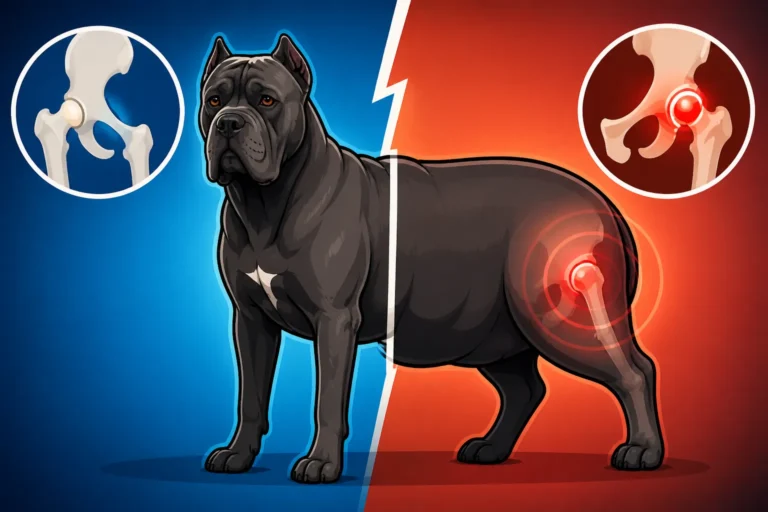
Hip dysplasia is a fancy term for a condition where the hip joint doesn't form correctly. Instead of the ball (femoral head) fitting snugly into the socket (acetabulum), it's loose, leading to a host of problems. For a large, heavy, and incredibly active breed like the Cane Corso, this isn't just a minor discomfort; it can be debilitating. The chronic friction and instability cause the joint to wear down, leading to painful arthritis, reduced mobility, and a significant impact on their quality of life. Owners often feel a deep frustration watching their powerful dog struggle with something so fundamental as walking or getting up, especially when it could have been prevented or managed more effectively with early knowledge.
The Genetic Predisposition and Environmental Factors
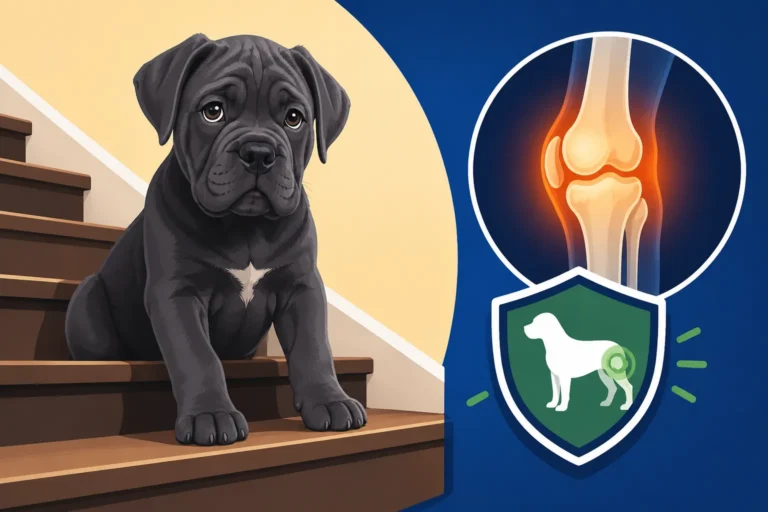
It’s crucial to understand that hip dysplasia is primarily a genetic condition. If a Cane Corso's parents or their lineage have a history of poor hips, the puppy is at a much higher risk, even if they have perfect environmental upbringing. This is why responsible breeders invest heavily in health testing their breeding stock. However, genetics aren't the whole story. Environmental factors play a significant role in how severe the condition becomes, or how early symptoms manifest. Rapid growth from overfeeding, excessive or inappropriate exercise during puppyhood, and even slippery floors can exacerbate an already predisposed joint. Think about a young, boisterous Cane Corso puppy: their powerful growth can put immense stress on developing joints. This interplay between nature and nurture is exactly why responsible care, starting from puppyhood, is so vital. It’s not just about avoiding future pain for your dog, but about giving them the best chance at a full, active life, free from the constraints of joint issues. You can learn more about specific risks in our article, Hip Dysplasia in a Fast Growing Cane Corso.
How Hip Dysplasia Impacts a Cane Corso's Life
When hip dysplasia sets in, it’s not just about a little limp. For a Cane Corso, a breed renowned for its athleticism and protective instincts, compromised hips can be devastating. Early signs might be subtle – a slight reluctance to jump, difficulty rising after a nap, or a bunny-hopping gait when running. As the condition progresses, the pain intensifies. They might become less enthusiastic about walks, struggle to climb stairs, or even lose interest in play. This isn't just physical; it affects their mental well-being too. A dog in constant pain can become withdrawn, irritable, or even show behavioral changes. Over time, the chronic inflammation and joint degradation lead to severe arthritis, eventually limiting their mobility to a heartbreaking degree. Many owners find themselves looking for Signs a Cane Corso's Hips Are Starting to Go long before the diagnosis, wishing they had known sooner.
Managing the condition often involves a combination of pain medication, anti-inflammatory drugs, joint supplements, physical therapy, and in severe cases, costly surgeries like total hip replacement. The financial and emotional toll on owners is immense, highlighting why proactive screening and preventative measures are not just good practice, but absolutely essential. Remember, every extra pound puts more strain on those already compromised joints, which is why understanding What Extra Weight Does to a Cane Corso's Hips is also critical for owners.
PennHIP: A Deeper Dive into Joint Laxity
PennHIP, developed at the University of Pennsylvania, offers a different approach to evaluating hip health than traditional methods. Instead of just looking at the shape of the bones, PennHIP focuses on measuring joint laxity – how much "looseness" there is in the hip joint. This is a critical distinction because laxity is the primary precursor to the development of hip dysplasia. The more laxity, the higher the risk the dog will develop the disease. This method is often favored by breeders who want the earliest possible indicators for their breeding program, sometimes even before a puppy is old enough for other screening methods. It's a proactive tool, aiming to predict potential problems rather than just confirming existing ones.
The Science Behind PennHIP Evaluation
The PennHIP procedure involves three distinct radiographic views taken under sedation or general anesthesia. First, a standard extended view, similar to OFA, assesses conformation. The real innovation comes from the second and third views: the compression view and the distraction view. The compression view accurately measures the passive hip congruity, essentially how well the ball sits in the socket under normal, non-weight-bearing conditions. The distraction view is where the magic happens. A specialized device is used to gently push the hips apart, mimicking the forces that cause joint laxity during weight-bearing. The measurements from this distraction view yield a "distraction index" (DI), a numerical measure of hip laxity. A DI close to 0 indicates very tight hips, while a DI closer to 1 signifies severe laxity. This objective, quantitative measurement allows for a much more precise assessment of risk.
Benefits and Scoring: Early Prediction and Percentile Ranking
One of the biggest advantages of PennHIP is its ability to be performed much earlier than OFA. Puppies can be screened as young as 16 weeks, though many veterinarians prefer to wait until 4-6 months of age for more definitive results. This early screening is a game-changer for breeders, allowing them to make informed decisions about breeding stock before a significant investment of time and resources. Imagine knowing a dog's genetic predisposition to hip issues well before they reach breeding age – it's invaluable. For pet owners, it can provide an early warning, allowing them to implement preventative measures like controlled exercise and weight management from a young age. This proactive approach can potentially mitigate the severity of hip dysplasia later in life.
The PennHIP scoring system provides a distraction index (DI) for each hip, accompanied by a percentile ranking. This ranking tells you where your dog falls within its breed population, from 0 to 100%, based on hip laxity. For example, a dog in the 70th percentile means 70% of Cane Corsos in the PennHIP database have worse or equal hip laxity, and only 30% have tighter hips. This percentile ranking offers a clear, comparative measure, helping owners and breeders understand their dog's hip health relative to its peers. Many owners find this objective data incredibly reassuring, and some pet insurance providers, like Healthy Paws, recognize the value of these early, predictive tests in managing long-term health. Knowing your Cane Corso's percentile ranking from an early age can help you tailor their care plan and even consider proactive surgeries like a preventive gastropexy if other risk factors are present, although that's more for bloat. However, early hip screening for a Cane Corso puppy's hips can profoundly influence their future care plan.
OFA: The Established Standard for Hip Evaluation
The Orthopedic Foundation for Animals (OFA) has been the cornerstone of canine orthopedic health evaluation for decades, making it the most recognized and widely used certification system in the United States. When you talk to many Cane Corso breeders, OFA certification is often the first thing they mention. It's a well-established system, and its long history means a vast database of information for various breeds. For many, an OFA certification is synonymous with responsible breeding, a badge of honor indicating that a dog has met a recognized health standard.
The OFA Radiographic Process
The OFA hip evaluation process involves a single, standard ventro-dorsal hip-extended radiograph. This means your Cane Corso lies on its back with its hind legs extended and rotated inward. This specific positioning is crucial for consistent image evaluation. While the dog is usually sedated to ensure proper positioning and minimize stress, the images are then submitted to the OFA for independent review by three board-certified veterinary radiologists. These experts examine the radiographs for various indicators of hip dysplasia, including signs of joint laxity, degenerative joint disease, and the overall conformation of the hip socket and femoral head. It’s important to note that unlike PennHIP, OFA relies more on a subjective assessment of these visual cues rather than a quantitative measurement of laxity.
Scoring System and Age Requirements
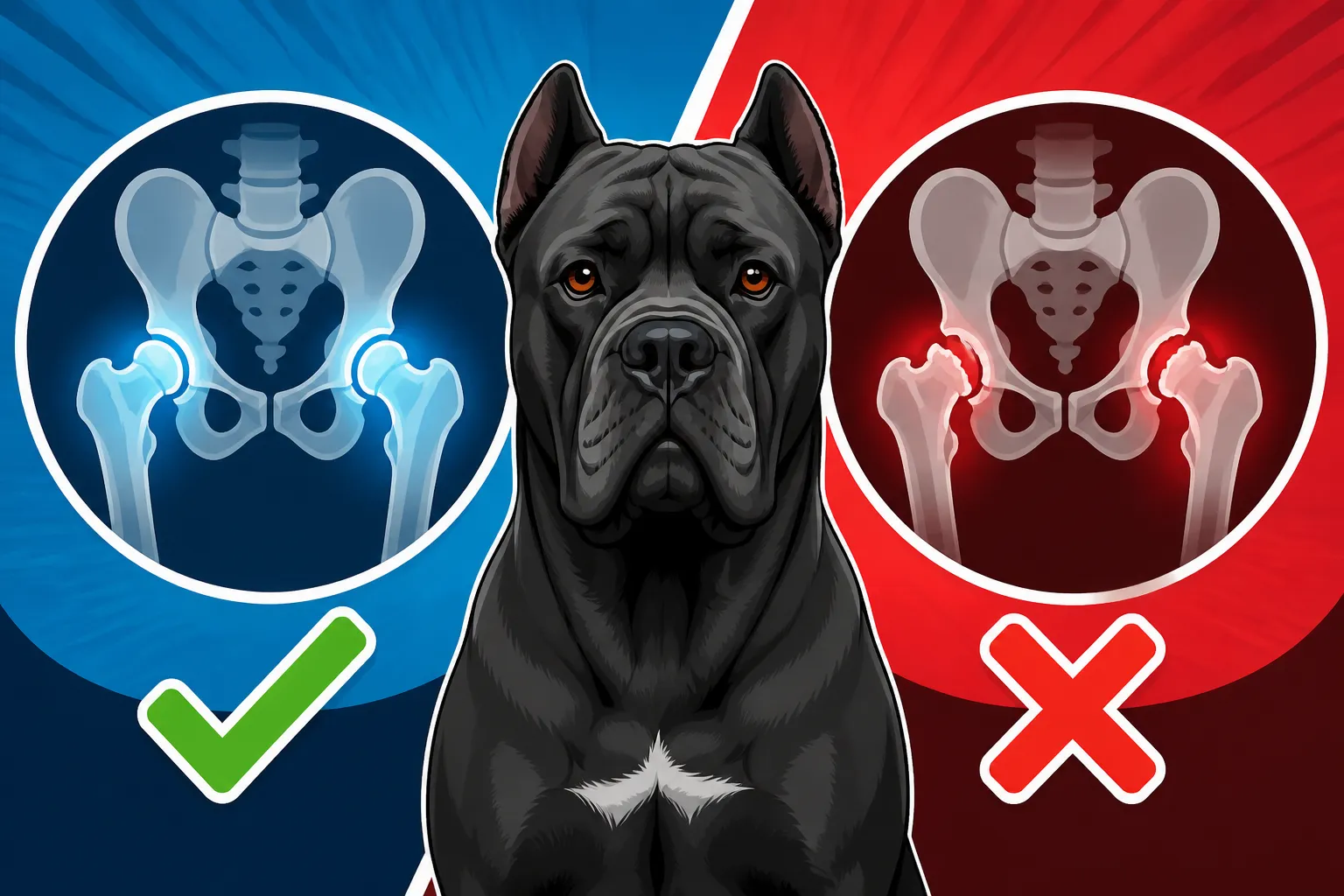
The OFA scoring system categorizes hip health into seven grades: Excellent, Good, Fair, Borderline, Mild, Moderate, and Severe. Dogs graded Excellent, Good, or Fair are considered to have "passing" or "certifiable" hips and are generally deemed suitable for breeding from an orthopedic standpoint. Borderline is a grey area, often requiring re-evaluation, while Mild, Moderate, and Severe indicate increasing degrees of hip dysplasia.
A significant aspect of the OFA certification is the age requirement: a dog must be at least 24 months old (two years) to receive a final OFA hip certification. While preliminary evaluations can be done earlier, these are not considered final. This age requirement can be a point of frustration for breeders who want earlier insight into a dog's potential, as two years is already breeding age. However, the rationale is that by this age, the hip joints are fully developed, and any signs of dysplasia are generally apparent. This means waiting until The Age a Cane Corso Can Be Hip Scored can feel like a lifetime.
When a Cane Corso receives an OFA certification, this information, along with other health clearances (like elbow, cardiac, and eye exams), can be recorded in the Canine Health Information Center (CHIC) database. A CHIC number signifies that a dog has undergone all the recommended health screenings for its breed, as recommended by the parent club, making it a comprehensive record of health. Learning Reading a Cane Corso's Hip Grade Against the CHIC List can be incredibly helpful for potential puppy buyers. The OFA remains a respected benchmark, and some insurance providers like Healthy Paws may specifically look for OFA certifications when evaluating claims related to hip health, depending on the policy terms and conditions regarding pre-existing conditions. Understanding What a Cane Corso CHIC Number Actually Certifies gives you a comprehensive view of a dog's health background.
Comparing PennHIP and OFA: Which is Right for Your Cane Corso?
Choosing between PennHIP and OFA for your Cane Corso's hip evaluation can feel like a monumental decision, especially when you're deeply invested in their future health. Both methods aim to assess hip health, but they do so with different philosophies, procedures, and timelines. There isn't a single "right" answer that applies to every dog or every owner; the best choice often depends on your goals, whether you're a breeder looking for early predictive data, or a pet owner seeking a standard health clearance. The debate between these two methods has been ongoing for years, with proponents for each, and understanding the nuances is key to making an informed decision.
Key Differences and a Comparative Overview
Let's break down the core differences in a way that's easy to digest.
| Feature | PennHIP | OFA |
|---|---|---|
| Primary Focus | Quantitative measurement of hip joint laxity | Qualitative assessment of hip conformation and degenerative changes |
| Age for Evaluation | As early as 16 weeks (often 4-6 months) | 24 months (2 years) for final certification |
| Radiographic Views | 3 views (extended, compression, distraction) | 1 standard extended view |
| Scoring System | Distraction Index (DI) and Percentile Ranking | 7 subjective grades (Excellent, Good, Fair, Borderline, Mild, Moderate, Severe) |
| Predictive Value | Higher, measures laxity, a precursor to HD | Assesses current hip status, less predictive for young dogs |
| Inter-rater Variability | Lower, due to objective measurements | Higher, due to subjective interpretation by multiple radiologists |
| Cost | Generally higher due to specialized training and equipment | Generally lower, more widely available |
| Requirement for Anesthesia | Mandatory for proper positioning | Usually recommended/required for proper positioning and comfort |
This table provides a quick reference, but the implications run much deeper. PennHIP offers an objective, quantitative measure of laxity, which is scientifically linked to the likelihood of developing hip dysplasia. This means it can predict future problems. OFA, on the other hand, gives you a snapshot of the hip's condition at the time of evaluation, making it more diagnostic than predictive, especially at a young age.
Pros and Cons for Cane Corso Owners and Breeders
Each method comes with its own set of advantages and disadvantages.
PennHIP Pros:
- Early Assessment: The ability to screen puppies as young as 16 weeks is a huge advantage for breeders. It allows them to identify potential issues early and make informed decisions about future breeding programs, saving time and resources. For pet owners, it can provide peace of mind or an early warning to implement preventative care.
- Highly Predictive: By directly measuring joint laxity, PennHIP offers a more accurate prediction of a dog's likelihood to develop hip dysplasia later in life, compared to OFA's hip-extended views alone.
- Objective and Quantitative: The distraction index is a numerical, objective measure, reducing subjectivity compared to OFA's qualitative grading. This can be particularly appealing to those who prefer data-driven decisions.
- Better for Prevention: Early identification allows for lifestyle modifications (diet, exercise, supplements like those discussed in Whether a Cane Corso Benefits From Joint Supplements) that might mitigate the severity of dysplasia.
PennHIP Cons:
- Cost: PennHIP evaluations typically cost more than OFA due to the specialized training, equipment, and multiple radiographs required.
- Limited Availability: Not all veterinarians are certified to perform PennHIP. You might need to travel to a clinic with a certified vet.
- Sedation Requirement: Sedation or general anesthesia is mandatory for accurate PennHIP images, which always carries a slight risk, though generally very low.
OFA Pros:
- Widely Recognized: OFA has been the industry standard for a long time, and its certifications are widely accepted by breed clubs, registries, and many breeders.
- Simpler Procedure: It involves a single radiographic view, which can sometimes make it a quicker process than PennHIP.
- Established Database: OFA has an extensive database of hip health statistics across many breeds, which can be useful for research and understanding breed trends.
- More Accessible: Many more veterinarians are equipped and experienced in taking OFA-compliant radiographs.
OFA Cons:
- Age Requirement: Waiting until 24 months for a final certification means breeders are making breeding decisions without final hip scores, which can be a significant drawback.
- Less Predictive: The hip-extended view, while good for assessing existing conformation and degenerative changes, doesn't directly measure passive hip laxity as effectively as PennHIP. A dog can have "passing" OFA hips at 24 months but still have significant laxity that predisposes them to dysplasia later.
- Subjective Grading: While performed by board-certified radiologists, the grading is ultimately a subjective interpretation of the radiographs, leading to some variability between evaluators.
When considering the costs of these screenings, it's also worth thinking about pet insurance. Providers like Healthy Paws, for example, encourage owners to invest in thorough health screenings. While policies typically don't cover the cost of the screenings themselves, knowing your dog's hip status early can influence future coverage options or help you budget for potential issues down the line, such as Hip Replacement Surgery on a Cane Corso or ongoing care for arthritis. Early detection can lead to better management, potentially delaying or reducing the need for more invasive and expensive treatments later. For owners already dealing with the reality of hip issues, understanding how to best manage conditions like arthritis in a large breed is crucial, as explored in Managing Arthritis in a Hundred Pound Cane Corso.
Making an Informed Decision for Your Cane Corso
The ultimate goal, regardless of the method you choose, is to ensure the best possible hip health for your Cane Corso, contributing to a longer, more comfortable life. This decision often boils down to a conversation with your veterinarian, reviewing your specific circumstances, and, if you're a prospective puppy owner, understanding the practices of your chosen breeder.
Considerations for Owners and Breeders
For breeders, PennHIP offers invaluable early insight into the genetic potential of their breeding stock. Being able to identify dogs with higher laxity at a young age allows for more responsible breeding decisions, aiming to reduce the incidence of hip dysplasia in future generations. Many top Cane Corso breeders now utilize both PennHIP and OFA, or at least one of these, to ensure comprehensive hip health data for their lines. They understand that investing in these tests is not just a cost, but an ethical commitment to the breed.
For pet owners, particularly those acquiring a new Cane Corso puppy, understanding these screening methods is critical for evaluating a breeder. A responsible breeder will be transparent about the hip health of their parent dogs, providing you with verifiable PennHIP scores or OFA certifications. Don't be afraid to ask for these documents and understand what they mean. Knowing the hip status of your puppy's parents gives you a much clearer picture of your dog's genetic predisposition. If a breeder only relies on visual assessment or casual vet checks, that's a red flag.
Actionable Advice for Puppy Buyers
If you're in the market for a Cane Corso puppy, here's some actionable advice:
- Ask for Proof: Always request to see the hip certifications for both parent dogs. This should be either a PennHIP report with a clear Distraction Index and percentile ranking, or an OFA certificate with a "Good" or "Excellent" rating. Don't accept vague assurances.
- Understand the Results: Don't just look at a "pass" or "fail." Understand what the numbers or grades actually mean. For PennHIP, a lower DI (closer to 0) and a higher percentile ranking (e.g., 70th percentile or above) indicate tighter, healthier hips. For OFA, "Excellent" is the best, followed by "Good," then "Fair."
- Discuss the Breeder's Philosophy: Ask the breeder why they chose a particular screening method (or both). Their understanding and commitment to hip health are as important as the scores themselves.
- Consider Early Screening for Your Puppy: Even if the parents have great hips, you might choose to have your own puppy PennHIP-evaluated at 4-6 months, especially if you plan on participating in strenuous activities or if you simply want the earliest possible insight into their joint health. This allows you to proactively manage their diet and exercise.
- Vet Consultation: Discuss your puppy's lineage and any hip concerns with your veterinarian. They can help you interpret results and formulate a preventative care plan.
Ultimately, your Cane Corso deserves the best chance at a pain-free, active life. By educating yourself on these critical health screening tools, you become a better advocate for your dog's well-being and a more discerning consumer in the world of responsible dog breeding.
Disclaimer
The information provided in this guide is for informational purposes only and does not constitute veterinary medical advice. Always consult with a qualified veterinarian for any health concerns or before making any decisions about your Cane Corso's medical care or health screening.