Elbow Dysplasia and a Cane Corso’s Front End
Few things are as disheartening as watching your powerful, majestic Cane Corso struggle with lameness, especially when they're still in their prime. That distinctive, effortless stride that makes them so magnificent can be suddenly interrupted by a limp, a stiffness, or a reluctance to engage in play, leaving you worried and searching for answers. This comprehensive guide will walk you through everything you need to know about elbow dysplasia, a common and often challenging joint condition affecting the front end of our beloved Cane Corsos, from understanding its causes to managing its impact.
Understanding Elbow Dysplasia in the Cane Corso
Elbow dysplasia isn't just one condition; it's actually an umbrella term that covers a group of developmental abnormalities affecting the elbow joint. It's a complex issue, and for a large, rapidly growing breed like the Cane Corso, understanding its nuances is crucial. This isn't just a simple ache; it's a structural problem that can lead to lifelong discomfort if not properly addressed.
What Exactly is Elbow Dysplasia?
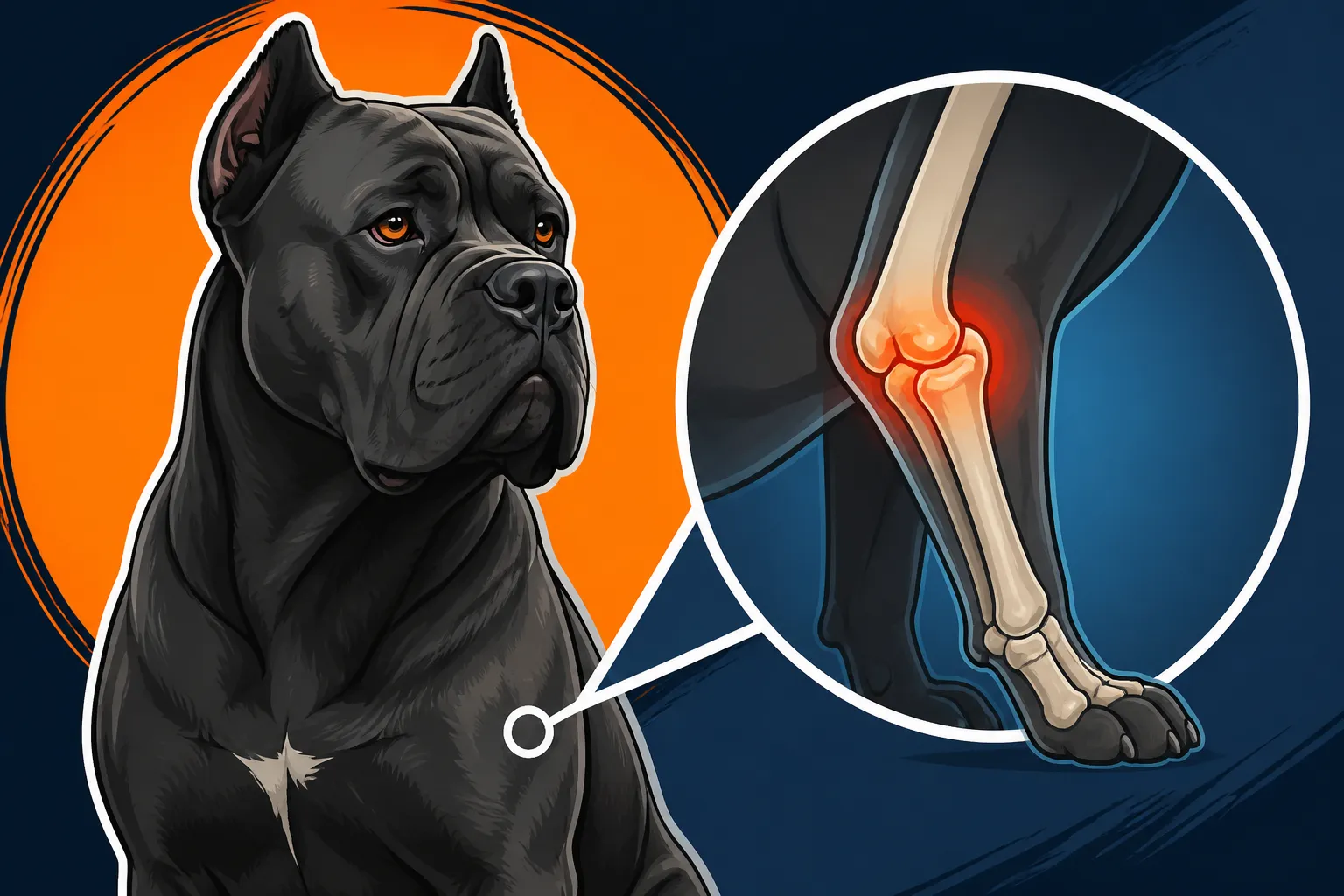
At its core, elbow dysplasia is a congenital condition, meaning a Cane Corso is born with a genetic predisposition to it, even if the symptoms don't show up until later. It results from an abnormal development of the elbow joint, which is comprised of three bones: the humerus (upper arm bone), and the radius and ulna (forearm bones). When these bones don't grow at precisely the same rate or fit together perfectly, it creates instability and abnormal pressure points within the joint. This incongruity leads to micro-trauma, inflammation, and eventually, degenerative joint disease or osteoarthritis. The most common forms include Fragmented Coronoid Process (FCP), Osteochondritis Dissecans (OCD) of the humeral condyle, Ununited Anconeal Process (UAP), and elbow incongruity. Each of these components contributes to the overall problem, often occurring in combination, making diagnosis and treatment quite challenging.
The Anatomy of a Cane Corso's Elbow
To truly grasp elbow dysplasia, it helps to visualize the Cane Corso's elbow. This is a hinge joint, designed for flexion and extension, but it also allows for some rotation of the forearm. The ends of the humerus, radius, and ulna are covered in smooth articular cartilage, allowing them to glide seamlessly past each other. For a breed that can weigh well over a hundred pounds, these joints bear immense weight and stress, especially on their powerful front end. The precise fit of these three bones is critical for normal function. When there’s even a slight mismatch in growth, say if the radius grows faster than the ulna, it can cause the joint surfaces to grind and rub, leading to cartilage damage and bone spurs. Imagine two gears that don't quite mesh – over time, the teeth will wear down significantly. This constant abnormal wear and tear is what sets the stage for pain and progressive arthritis, fundamentally impacting how a Cane Corso carries its substantial body.
Genetic vs. Environmental Factors
While genetic predisposition is a significant, undeniable factor in elbow dysplasia, it’s not the whole story. Your Cane Corso's environment and upbringing play a crucial role in how severely the condition manifests. A dog might inherit the genes for elbow dysplasia but lead a relatively comfortable life if environmental factors are managed meticulously. Conversely, a dog with a moderate genetic risk can develop severe symptoms if subjected to improper nutrition and excessive, uncontrolled exercise during its rapid growth phase. Think of it like a loaded gun: genetics loads the gun, but environment pulls the trigger. Things like feeding too much protein or calcium, allowing a puppy to jump excessively, run on hard surfaces, or gain weight too quickly, can exacerbate the genetic tendency. This is why when you're looking for a puppy, reputable breeders will emphasize health testing their breeding stock for conditions like Hips and Elbows a Cane Corso Must Be Cleared On, aiming to reduce the genetic load. They understand that while they can control genetics to a degree, owners must also be diligent with puppy-rearing practices to give their Cane Corso the best chance at healthy joints.
Recognizing the Signs and Symptoms
Catching elbow dysplasia early can make a significant difference in managing the condition and preserving your Cane Corso’s quality of life. The signs can be subtle at first, often dismissed as "growing pains" or a minor bump, but knowing what to look for can prompt timely veterinary intervention.
Early Warning Signs in Cane Corso Puppies
It’s truly heartbreaking when a young, otherwise boisterous Cane Corso puppy starts showing signs of discomfort. Often, the first indications of elbow dysplasia can appear as early as 4-7 months of age, during their most intense growth spurts. You might notice a subtle lameness in one or both front legs, often worse after rest or heavy exercise. It might present as a reluctance to play vigorously, preferring calmer activities, or a subtle "bunny hopping" motion with their front legs when running. Sometimes, the limp might shift from one leg to the other, leading owners to mistakenly believe it's panosteitis, a common "growing pain" that usually resolves on its own. However, with elbow dysplasia, the lameness tends to be more persistent or predictable, returning after periods of rest or specific movements. They might hold the affected leg slightly out or close to their body, or you might see them struggling to get up from a lying position. Paying close attention to these early, sometimes fleeting, signs is paramount. If you see your Cane Corso puppy experiencing a shifting limp or consistent front leg lameness, it's always best to consult your vet sooner rather than later to investigate the possibility of Panosteitis and the Shifting Limp in a Cane Corso Puppy or something more serious like elbow dysplasia.
Chronic Lameness and Pain in Adult Dogs
As a Cane Corso with elbow dysplasia matures, if the condition hasn't been addressed, the signs often become more pronounced and chronic. The subtle limp of puppyhood can progress into persistent lameness, affecting their everyday life. You might observe a pronounced stiffness, especially after they’ve been resting for a while, perhaps after a long nap or in the mornings. Getting up might be a slow, deliberate process, often accompanied by groaning or visible discomfort. Reluctance to jump into the car, onto furniture (if allowed), or even navigate stairs can become evident. When they walk, you might notice a shorter stride in the affected leg, or a compensating gait where they try to shift weight off the painful joint. Over time, due to disuse and pain, the muscles around the affected elbow can begin to atrophy, making the leg appear thinner than the healthy one. They might also develop an abnormal stance, with their elbows turned out, trying to alleviate pressure. This isn't just about discomfort; it impacts their ability to move freely and perform their natural guarding instincts.
Behavioral Changes Associated with Discomfort
Pain, especially chronic pain from conditions like elbow dysplasia, doesn't just manifest physically; it profoundly affects a Cane Corso's behavior and temperament. A dog that was once eager for walks or playtime might become withdrawn, lethargic, or even irritable. You might notice them snapping or growling if you try to touch their affected leg, even if they've never shown aggression before. Their appetite might decrease, or their sleeping patterns could change as they struggle to find a comfortable position. A previously affectionate dog might become less tolerant of petting or handling. Some dogs might excessively lick or chew at the painful joint, leading to skin irritation or hot spots. They might also become less engaged with family members or other pets, simply because moving is too painful. It's crucial to remember that these changes aren't "bad behavior" but rather a cry for help from a dog experiencing significant discomfort. Recognizing these subtle shifts in personality can be a key indicator that something is physically wrong, prompting further investigation and relief for your suffering companion.
Diagnosing Elbow Dysplasia
When your Cane Corso is showing signs of lameness, the diagnostic process becomes a critical partnership between you and your veterinarian. Accurately diagnosing elbow dysplasia requires a thorough approach, often combining physical examination with advanced imaging.
The Initial Veterinary Examination
The first step in diagnosing elbow dysplasia begins with a comprehensive physical examination. Your veterinarian will carefully observe your Cane Corso's gait, both at a walk and trot, looking for any subtle limping, stiffness, or uneven weight bearing. They'll likely perform a hands-on palpation of the elbow joint, feeling for any swelling, warmth, or crepitus (a gritty, crackling sensation that indicates cartilage damage). They will gently manipulate the joint through its full range of motion, assessing for pain, reduced flexibility, or abnormal movements. It's common for vets to feel for tenderness when extending or flexing the elbow, or when rotating the lower limb. They might also try to elicit specific pain responses by applying pressure in certain areas. This initial exam is crucial for narrowing down the possible causes of lameness in your large breed dog. While it won't definitively diagnose elbow dysplasia, it provides essential clues and guides the next steps in the diagnostic process, often indicating which specific joints warrant further investigation with imaging.
X-rays and Advanced Imaging
Once the initial examination points towards an elbow issue, radiographic imaging, specifically X-rays, is the standard next step. To get clear, diagnostic images, your Cane Corso will usually require sedation or anesthesia. This ensures they remain perfectly still for the precise positioning required to visualize all aspects of the elbow joint. Vets typically take multiple views (lateral, craniocaudal, and oblique projections) to identify the subtle changes indicative of elbow dysplasia, such as bone fragments, osteophytes (bone spurs), sclerosis (increased bone density), or joint incongruity.
For breeding animals, the Orthopedic Foundation for Animals (OFA) has a standardized protocol for elbow screening, which involves specific X-ray views graded by veterinary radiologists. Passing these clearances is critical for ethical breeding and helping to reduce the incidence of The Two DNA Diseases in Cane Corso Pedigrees. However, sometimes standard X-rays don't show the full picture, especially for milder forms or specific components like a fragmented coronoid process. In these cases, advanced imaging such as Computed Tomography (CT) scans or Magnetic Resonance Imaging (MRI) may be recommended. A CT scan, in particular, provides a 3D view of the bones, allowing for much more detailed identification of fragments, joint incongruity, and subtle lesions that can be missed on 2D X-rays. While more expensive, these advanced tools can provide a definitive diagnosis and help guide the most effective treatment plan, which is incredibly valuable when dealing with a condition that can have such a profound impact on your Cane Corso's future mobility.
Differentiating from Other Joint Issues
Diagnosing elbow dysplasia isn't always straightforward because its symptoms can mimic other musculoskeletal conditions common in large, fast-growing breeds like the Cane Corso. As mentioned earlier, a shifting lameness in a young Cane Corso might initially suggest panosteitis, but if the lameness persists or localizes to the elbow, elbow dysplasia becomes a stronger suspect. Another condition, Osteochondritis Dissecans (OCD), involves a flap of cartilage and underlying bone detaching from the joint surface. While OCD can affect various joints, including the elbow, it has its own specific radiographic signs that a vet needs to distinguish from the various components of elbow dysplasia.
Soft tissue injuries, such as sprains or strains from vigorous play, can also cause lameness, but these typically resolve with rest and don't show the characteristic bony changes on X-rays. Less commonly, inflammatory joint diseases or even certain types of bone cancer can present with lameness and pain, particularly in older dogs. It's why a thorough diagnostic workup, including a detailed history, physical exam, and appropriate imaging, is essential. Your vet will systematically rule out other possibilities to arrive at the most accurate diagnosis, ensuring your Cane Corso receives the correct and most effective treatment. This meticulous approach is vital because misdiagnosis can lead to ineffective treatments and prolonged discomfort for your big companion.
Management and Treatment Options
Once elbow dysplasia is diagnosed, the focus shifts to managing the condition, alleviating pain, and preserving joint function for as long as possible. The approach varies greatly depending on the severity of the dysplasia, the dog's age, and your individual Cane Corso's needs.
Conservative Management Strategies
For many Cane Corsos, especially those with milder forms of elbow dysplasia or those where surgery isn't an option, conservative management becomes the cornerstone of their care. A critical first step is weight management. Every extra pound puts immense strain on already compromised joints. Keeping your Cane Corso lean, even slightly on the thin side, can significantly reduce pain and slow the progression of arthritis. This might involve carefully monitoring their food intake and ensuring they receive appropriate exercise. Speaking of exercise, controlled activity is key – think regular, moderate walks on soft surfaces rather than intense, high-impact activities like jumping or prolonged running. Short, frequent walks are often better than one long, strenuous outing.
Physical therapy can also be incredibly beneficial. This might include hydrotherapy (underwater treadmill), therapeutic exercises to build muscle strength around the joint without overstressing it, and passive range-of-motion exercises. Many owners find that incorporating joint supplements containing ingredients like glucosamine, chondroitin, MSM, and Omega-3 fatty acids can support cartilage health and reduce inflammation. Your vet might recommend specific brands or formulations. Additionally, non-steroidal anti-inflammatory drugs (NSAIDs) are commonly prescribed to manage pain and inflammation, especially during flare-ups. Long-term use requires regular monitoring of kidney and liver function. When planning for these ongoing medical needs, having pet insurance can be a lifesaver. Companies like Healthy Paws often cover a significant portion of diagnostic tests, medications, and physical therapy sessions for conditions like elbow dysplasia, making these essential treatments more accessible without breaking the bank. Owners often find themselves thinking about Whether a Cane Corso Benefits From Joint Supplements from a young age, and this is a prime example of where they come into play.
Surgical Interventions
For some Cane Corsos, particularly younger dogs with specific types of elbow dysplasia or severe cases that don't respond to conservative management, surgical intervention may be the best course of action. The type of surgery depends on the specific component of elbow dysplasia diagnosed. Arthroscopy, a minimally invasive procedure, is often used to remove fragmented coronoid processes (FCP) or ununited anconeal processes (UAP), and to address osteochondritis dissecans (OCD) flaps. Small incisions are made, and a tiny camera and instruments are used to visualize and correct the problem inside the joint. This typically results in faster recovery times compared to open surgery.
Other procedures include ulnar osteotomy, where a cut is made in the ulna bone to allow it to shift and reduce pressure on the joint, or a sliding humeral osteotomy in more complex cases involving severe joint incongruity. For end-stage elbow dysplasia with severe arthritis, an elbow arthrodesis (joint fusion) or total elbow replacement might be considered, though these are less common and technically challenging procedures, usually reserved for extreme situations. The decision for surgery is a significant one, often weighed against the potential benefits, recovery time, and financial investment. It's a conversation you'll have extensively with your orthopedic veterinary specialist, considering what's best for your individual Cane Corso.
Post-Operative Care and Rehabilitation
Undergoing surgery for elbow dysplasia is only the first step; the recovery and rehabilitation phase are equally, if not more, critical for a successful outcome. Immediately post-op, your Cane Corso will require strict rest – often kennel rest or very limited activity – for several weeks. This means short, leashed potty breaks only, and absolutely no running, jumping, or rough play. Pain management will continue with prescribed medications, including NSAIDs and potentially other pain relievers.
After the initial healing period, a structured physical therapy program will begin. This often involves a gradual increase in controlled exercises, starting with passive range-of-motion movements and progressing to therapeutic exercises, balance work, and potentially hydrotherapy. A certified canine rehabilitation therapist will design a tailored plan to rebuild muscle strength, improve joint flexibility, and restore normal gait patterns. This phase requires immense dedication and patience from you as an owner, as consistent adherence to the rehabilitation protocol is crucial to prevent re-injury and maximize recovery. The long-term outlook for surgical cases is generally good for pain reduction and improved function, but it's important to understand that surgery doesn't "cure" dysplasia. It addresses the immediate mechanical problems, but the joint will still be prone to developing some degree of arthritis over its lifetime, meaning ongoing management, often including joint supplements and careful exercise, will always be a part of your Cane Corso's care plan. For those facing these costs, understanding Physical Therapy Prices for a Cane Corso After Surgery can help in budgeting and evaluating pet insurance options like Healthy Paws.
Preventing Elbow Dysplasia in Your Cane Corso
While genetic factors play a significant role, there are proactive steps you can take to minimize the risk and severity of elbow dysplasia in your Cane Corso. Prevention truly starts before you even bring your puppy home.
Choosing a Reputable Breeder
This is perhaps the single most impactful step you can take to prevent elbow dysplasia. A reputable breeder is not just selling puppies; they are committed stewards of the breed's health. They will rigorously health test their breeding dogs for conditions like elbow dysplasia through established programs like the Orthopedic Foundation for Animals (OFA). They should be able to provide OFA elbow clearances for both parents, showing excellent or good elbow grades (ideally "Normal" or "Grade I" at most, though many strive for "Normal"). Don't accept vague assurances; ask to see the actual certificates. A breeder who focuses on "rare colors" or sells puppies cheaply without health clearances is a red flag. These breeders often disregard health for profit, propagating genetic predispositions to debilitating conditions.
Understanding pedigrees and the health history of previous generations is also important. A good breeder tracks the health outcomes of their puppies and can openly discuss any health issues that have arisen in their lines, demonstrating transparency and a commitment to improvement. This dedication to health screening is why puppies from reputable breeders often come with a higher initial price tag – it reflects the investment they've made in ensuring healthier lines. This upfront cost, however, can save you exponentially in vet bills and heartache down the road. It’s also important to understand that responsible breeders will also test for The Two DNA Diseases in Cane Corso Pedigrees, showing a holistic commitment to the breed's well-being.
Optimal Nutrition for Growing Cane Corso Puppies
The rapid growth phase of a Cane Corso puppy is critical for joint development, and nutrition plays a monumental role. Overfeeding or feeding an imbalanced diet can accelerate growth to an unhealthy rate, putting undue stress on developing joints and exacerbating any underlying genetic predisposition to elbow dysplasia. Your Cane Corso puppy should be fed a high-quality, large-breed puppy formula specifically designed to support slow, controlled growth. These foods typically have carefully balanced calcium and phosphorus ratios, usually around 1.1:1 to 1.4:1, which is crucial for proper bone development.
Avoid supplementing with extra calcium or vitamin D, as this can disrupt the delicate balance and lead to developmental orthopedic diseases. More is definitely not better in this case. The goal is a lean, athletic puppy, not a chunky one. You should always be able to easily feel your puppy's ribs without seeing them prominently. Closely follow the feeding guidelines on the bag for large breed puppies, adjusting as needed to maintain that lean body condition. Remember, you want healthy, steady growth, not explosive growth. This is why paying attention to labels is crucial, and understanding Why a Cane Corso Puppy Needs Giant Breed Food is paramount for their long-term joint health.
Controlled Exercise and Avoiding Overexertion
While Cane Corsos need regular exercise to develop strong muscles and mental well-being, excessive or inappropriate exercise during puppyhood can significantly increase the risk and severity of elbow dysplasia. Their growth plates are open and vulnerable until around 18-24 months of age, and high-impact activities can cause micro-trauma. This means no forced running (especially on hard surfaces like pavement), no excessive jumping (e.g., jumping off high decks, repeatedly fetching a frisbee in the air), and minimizing repetitive stair climbing.
Puppies should be allowed to engage in free, self-directed play on soft surfaces like grass, where they can decide when to start and stop. Short, frequent walks on leash are excellent, allowing for controlled exploration without overexertion. Avoid dog parks where uncontrolled play with dogs of various sizes and temperaments can lead to accidental injuries. Think of exercise as gentle conditioning, not intense training, until your Cane Corso is fully mature. This mindful approach to activity, especially early on, gives their joints the best chance to develop properly and minimizes the risk of worsening genetic predispositions. For context, it’s worth thinking about Why Stairs Matter for a Cane Corso Puppy's Joints and how even simple daily routines can impact their long-term health.
Living with a Cane Corso with Elbow Dysplasia
Receiving a diagnosis of elbow dysplasia can be overwhelming, but with proper care and adjustments, many Cane Corsos can lead full, comfortable lives. It requires a dedicated commitment from you to adapt your home and lifestyle.
Adapting Your Home Environment
Making your home a safe and comfortable haven for a Cane Corso with elbow dysplasia is essential for their long-term well-being. One of the biggest challenges is often slippery flooring. Hardwood, tile, or laminate floors can be difficult for a dog with joint pain to navigate, leading to slips, falls, and further injury. Consider laying down rugs, runners, or carpet strips in high-traffic areas to provide better traction.
Ramps are invaluable for allowing your Cane Corso to access elevated areas safely, such as getting into and out of the car, or onto a favorite couch or bed (if they are allowed). This eliminates painful jumping and minimizes stress on their elbows. Orthopedic beds are another must-have. These beds are designed with supportive memory foam or other dense materials that cushion joints and provide pressure relief, making rest much more comfortable. Standard fluffy beds often don't offer enough support for a heavy breed like a Cane Corso. Consider placing multiple orthopedic beds around the house in their favorite resting spots. Reducing the need to climb stairs or jump over obstacles whenever possible also helps. Even small changes can make a big difference in preventing further strain and making daily life easier for your companion.
Long-Term Pain Management and Quality of Life
Living with elbow dysplasia means understanding that it’s a chronic condition requiring ongoing management, not a one-time fix. Regular check-ups with your veterinarian are crucial to monitor the progression of arthritis, adjust pain medication as needed, and explore new treatment modalities. This might involve periodic X-rays to assess joint changes or blood work to monitor the effects of long-term medications on organs. A commitment to maintaining a lean body weight, consistent controlled exercise, and appropriate joint supplements will be lifelong pillars of their care.
The goal is always to maximize their quality of life, allowing them to participate in activities they enjoy without excessive pain. This might mean adjusting your expectations – perhaps no more long hikes, but plenty of gentle sniff walks. Mental stimulation, through puzzle toys, scent work, or quiet training sessions, becomes even more important when physical activity is limited. Don't forget the role of pet insurance in this long-term journey. Policies from providers like Healthy Paws can significantly ease the financial burden of managing a chronic condition, covering everything from vet visits and medications to physical therapy, ensuring you can always prioritize your Cane Corso's health without constant worry about costs. Understanding Managing Arthritis in a Hundred Pound Cane Corso is a crucial part of this journey.
Emotional Support for Owners
It's completely normal to feel a range of emotions – sadness, frustration, guilt, or even anger – when your beloved Cane Corso is diagnosed with a chronic, painful condition like elbow dysplasia. Watching them struggle can be heartbreaking, and the financial implications of long-term care, even with pet insurance like Healthy Paws, can be substantial. It's a heavy burden, and you are not alone in feeling it. Allow yourself to acknowledge these feelings.
Connecting with other Cane Corso owners who have navigated similar challenges can be incredibly supportive. Online forums, breed-specific social media groups, or local pet owner communities can provide a space to share experiences, ask questions, and receive encouragement. Remember that you are doing everything you can to provide the best possible care for your dog, and that dedication makes all the difference in their comfort and happiness. Lean on your support system, whether it's your family, friends, or fellow pet parents. Your emotional well-being is important too, as a stressed owner can inadvertently impact their dog. Recognizing the emotional toll and seeking support for yourself allows you to continue being the strong, empathetic advocate your Cane Corso needs.
| Treatment Option | Description | Pros | Cons | Typical Cost (Estimate) |
|---|---|---|---|---|
| Conservative Management | Diet, controlled exercise, NSAIDs, joint supplements, physical therapy, weight management. | Non-invasive, often effective for mild cases, less immediate risk. | Does not fix underlying structural issues, may not stop arthritis progression, ongoing medication costs. | $500 – $2,000+ per year (meds, supplements, PT sessions) |
| Arthroscopy | Minimally invasive surgery to remove fragments, address OCD. | Less invasive, faster recovery than open surgery, good success rate for specific issues. | Requires specialized equipment/surgeon, still requires significant post-op care, general anesthesia risk. | $2,000 – $5,000+ per elbow |
| Ulnar Osteotomy | Bone cut to relieve pressure from joint incongruity. | Can significantly improve comfort by correcting joint alignment. | Invasive, longer recovery than arthroscopy, potential for complications (e.g., infection, implant failure). | $3,000 – $7,000+ per elbow |
| Total Elbow Replacement | Replacement of the elbow joint with prosthetic components. (Rare for Cane Corso due to size/weight) | Offers significant pain relief and improved function in end-stage arthritis where other options fail. | Highly invasive, very complex surgery, high complication rate, extremely expensive, limited availability. | $8,000 – $15,000+ per elbow (plus extensive rehabilitation) |
Note: Costs are estimates and can vary widely based on geographic location, veterinary specialist, and specific case complexity. Pet insurance like Healthy Paws can help manage these expenses.
Disclaimer
The information provided in this article is for general informational purposes only and does not constitute veterinary advice. Always consult with a qualified veterinarian for any health concerns or before making any decisions about your Cane Corso's medical care or treatment. Individual results may vary.