Whether Docking a Cane Corso Is Still Allowed
Bringing a Cane Corso into your life is an incredible journey, full of majestic presence and profound loyalty. But as you research this magnificent breed, you might stumble upon a topic that quickly becomes a confusing maze: tail docking. You see pictures of dogs with a short, powerful stump and others with a long, elegant whip of a tail, and suddenly you're left wondering if it's even legal anymore, let alone what the right choice is. This guide will walk you through the complexities of tail docking, from legal landscapes to ethical considerations, so you can make an informed decision about your Cane Corso.
The Shifting Landscape of Tail Docking Laws
The rules surrounding tail docking are far from universal, creating a patchwork of regulations that can be incredibly frustrating to navigate. What might be perfectly acceptable in one region could lead to fines or even legal trouble in another. This global divergence reflects deeply held, and often conflicting, views on animal welfare, tradition, and owner rights. It's not as simple as a blanket "yes" or "no" anymore, and understanding these nuances is crucial for any prospective Cane Corso owner.
Global and Regional Bans
Many countries, particularly across Europe and in Australia, have implemented outright bans on cosmetic tail docking. These bans are rooted in the belief that the procedure is an unnecessary mutilation of an animal for aesthetic purposes, causing pain and removing a vital part of a dog's communication and balance system. For example, countries like the UK, Sweden, and Germany have long prohibited docking, viewing it as a clear animal welfare issue. If you're importing a Cane Corso from one of these regions, or planning to move there, you'll almost certainly find that their tails are naturally long, and attempting to dock one could land you in serious legal hot water. The aim of these laws is to prevent suffering and ensure dogs are allowed to retain all their natural body parts unless there's a verifiable medical reason.
US State-Level Regulations
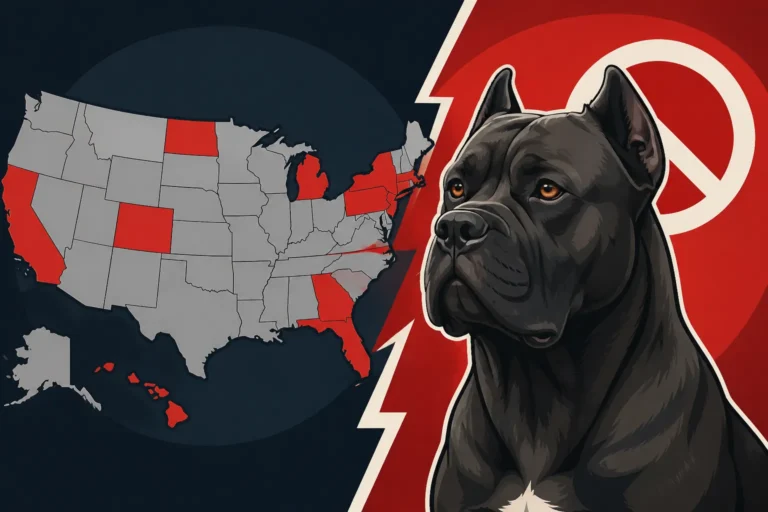
While much of the world has moved towards bans, the United States presents a different picture. There is no federal law prohibiting tail docking, leaving it up to individual states and even local municipalities to set their own rules. The vast majority of states currently allow tail docking without specific restrictions, often under the purview of a licensed veterinarian. However, some states do have regulations, typically concerning who can perform the procedure (requiring a vet, not a layperson) or even restricting it entirely, though these are less common for breeds like the Cane Corso where it's historically been done very early. The key takeaway here is that you cannot assume it's legal just because it's widely practiced. It's your responsibility to investigate the specific laws in your state and even your county before committing to a puppy, especially if the breeder is in a different jurisdiction. This legal variability means that while a breeder in one state might routinely dock tails, a breeder in another might not be able to, or might choose not to, based on local ordinances. This makes research into Where Cropping a Cane Corso Requires a Licensed Vet equally important, as similar legal considerations often apply.
Veterinary Involvement and Medical Necessity
In places where tail docking is still allowed, or allowed under specific circumstances, the role of a licensed veterinarian is paramount. Most animal welfare organizations and veterinary associations, even in regions where it's legal, advocate for docking to only be performed by a vet, under sterile conditions, and ideally with pain management. This is a far cry from the practice of laypeople docking tails, which is now widely condemned due to the risk of infection, improper technique, and unnecessary suffering. Furthermore, in some areas, the only legal justification for docking a tail is if it's deemed medically necessary – for example, if a dog has suffered a severe tail injury that requires amputation, rather than for cosmetic or preventative reasons. This shifts the procedure from an elective choice to a therapeutic intervention. When discussing medical procedures with your vet, you might find yourself weighing options for other conditions too, such as Whether a Cane Corso Should Have a Preventive Gastropexy to prevent bloat.
Ethical Considerations and Public Perception
Beyond the letter of the law, the discussion around tail docking for Cane Corsos is deeply intertwined with ethics and public opinion. What was once considered standard practice for the breed is now viewed through a much more critical lens, leading to passionate debates on both sides.
Animal Welfare Arguments
The primary ethical argument against tail docking centers on animal welfare. Opponents argue that a dog's tail is an essential part of its anatomy, playing crucial roles in balance, mobility, and, perhaps most importantly, communication. Dogs use their tails to signal their mood, intentions, and even health to other dogs and to humans. Removing this tool can hinder their ability to interact effectively, potentially leading to misunderstandings or even aggression from other dogs. Furthermore, the procedure itself, especially if performed without proper anesthesia and pain relief, is considered painful and traumatic. Even when done by a vet on a very young puppy, there are arguments about the lasting impact on sensation and behavior. Many consider it to be an unnecessary cosmetic surgery that provides no benefit to the dog and infringes on its right to an intact body.
Think about how much a dog communicates with its tail – a high, wagging tail means joy, a tucked tail means fear, a slow wag might mean uncertainty. Taking that away removes a significant piece of their expressive toolkit. This is why many veterinary bodies around the world classify docking as a medically unnecessary procedure and advocate against it.
Breed Tradition Versus Modern Views
For breeds like the Cane Corso, tail docking has a long history, often tied to their working past. Historically, these powerful guardian dogs had their tails docked to prevent injury while working livestock or hunting boar. A long, active tail could be easily caught, bitten, or broken, leading to pain, infection, and incapacitation. Breeders and enthusiasts who support docking often point to this tradition, arguing it's part of the breed's heritage and helps prevent future injuries. They might also argue that the docked tail gives the Cane Corso its characteristic, powerful silhouette, aligning with the breed standard.
However, modern views often challenge these traditional arguments. Most Cane Corsos today live as companion animals, not working dogs, meaning the risk of tail injury from heavy working conditions is significantly reduced. Critics argue that relying on historical working justifications doesn't hold up for the vast majority of pet Cane Corsos. The debate also highlights a tension between preserving breed aesthetics and prioritizing the individual animal's well-being. Some feel that a breed standard should evolve to reflect modern animal welfare sensibilities, rather than dictating a procedure that might cause suffering.
Public Perception and Breed Stigma
The public's perception of docked tails has also shifted dramatically. In many places, a docked tail can now carry a stigma, with some people viewing it as cruel or indicative of a "fighting dog" breed, regardless of the truth. This can lead to unwanted attention, judgment, or even fear from people who encounter your dog. For Cane Corso owners, who often already deal with public misconceptions about their breed, adding another layer of controversy can be challenging.
When you're out and about, whether at the park or picking up supplies from Chewy, you might encounter people who voice strong opinions. It's a reality that owners of certain breeds, and those with dogs that have traditionally docked tails, sometimes face. This doesn't mean you should make a decision based purely on what others think, but it's a social reality to be aware of. Understanding How Owners Answer the Cane Corso Question in Public often extends to discussing their dog's appearance choices.
Veterinary Perspectives and Health Implications
When considering tail docking, it's essential to understand the procedure from a medical standpoint, including the potential risks and benefits, as well as the perspective of veterinary professionals.
The Docking Procedure and Recovery
Tail docking is typically performed on puppies when they are just a few days old, often between 3 to 5 days of age. At this early stage, the puppies' nervous systems are not fully developed, and some argue they experience less pain than older dogs. However, this is a contentious point, and many veterinary professionals insist that even newborns feel pain and advocate for local anesthesia and pain relief during and after the procedure. The tail is usually cut with surgical scissors or a scalpel, and the skin is then sutured closed. Recovery for a young puppy is generally quick, as their bodies heal rapidly.
However, complications can arise. These might include infection at the site of the incision, nerve damage (which can lead to chronic pain or discomfort), or issues with wound healing. While many breeders perform the procedure with no apparent issues, it's never without risk. If you are considering a docked tail, ensuring the procedure is done by a qualified veterinarian in a sterile environment with appropriate pain management is critical to minimizing these risks.
Potential Health Issues with Undocked Tails
On the flip side, some advocates for docking argue that leaving a Cane Corso's tail long can lead to specific health issues, particularly "happy tail syndrome." This condition occurs when a dog repeatedly wags its tail against hard surfaces (walls, furniture, crates), causing injuries that can be difficult to heal due to the constant motion and relatively poor blood supply to the tail tip. These injuries can be painful, bleed profusely, and sometimes require amputation if they become chronic or severe. This is often more common in breeds with thin, whip-like tails, but a powerful, thick Cane Corso tail can also cause significant damage.
Another concern is that a long tail, especially in an active working dog, is more prone to other types of injuries, such as fractures, lacerations, or being caught in doors or machinery. While this risk is higher in working environments, even a boisterous pet could injure its tail during play. Understanding the risks can help you decide if The Tail Injury a Cane Corso Gives Itself is a significant concern for your lifestyle.
The Debate on Necessity
Veterinary organizations largely agree that routine tail docking for cosmetic or preventative reasons is medically unnecessary. The American Veterinary Medical Association (AVMA), for instance, states that "tail docking and ear cropping are not medically indicated procedures" and discourages them. They emphasize that the potential for pain and complications outweighs any perceived benefits for most dogs.
However, some vets will still perform the procedure if it's legal in their jurisdiction and if they believe the owner fully understands the implications and has a strong reason, often to conform to breed standards for showing. This is a complex ethical dilemma for veterinarians, balancing client wishes with animal welfare principles. It's a conversation you'll need to have openly and honestly with any potential veterinarian if you choose a docked puppy.
Navigating the Decision for Your Cane Corso
The decision to choose a Cane Corso with a docked or natural tail is a personal one, but it's one that comes with various considerations, from legal to practical.
Finding a Reputable Breeder
Perhaps the most critical step in this entire process is finding a reputable breeder. A good breeder will be transparent about their practices regarding tail docking (and ear cropping, which often goes hand-in-hand). They should be able to explain why they dock or don't dock, what the local laws are, and how they ensure the puppies' welfare during the procedure. Don't be shy about asking questions like Whether a Cropped Cane Corso Puppy Costs More or about the overall health of the parents. Many breeders will only dock tails for puppies sold with full registration, or to homes that intend to show, while pet-only puppies might be left natural, depending on their philosophy and local laws. Some breeders will even allow you to choose whether your puppy's tail is docked, provided you make that decision very early.
A reputable breeder will prioritize health and temperament above all else. They will also be well-versed in What the Standard Says a Cane Corso Should Look Like and how it applies to tail and ear appearance. If a breeder is secretive or evasive about their docking practices, it's a significant red flag.
Living with a Natural Tail: Care and Management
If you decide on a Cane Corso with a natural tail, or if you acquire one from a region where docking is banned, you'll want to be prepared for proper tail care and management.
- Observation: Regularly check your Cane Corso's tail for any signs of injury, redness, swelling, or excessive dry skin, especially at the tip. A busy, powerful tail can still get bruised or scraped, even if it's not "happy tail syndrome."
- Protection: In certain situations, like during vigorous play or if your dog is prone to happy tail, you might need to protect the tail. This could involve using a soft wrap or bandage temporarily, available at pet supply stores like Chewy. Make sure it's not too tight to restrict circulation.
- Training: Good obedience training, especially a solid "place" command, can help your dog settle down and avoid frantic tail wagging in confined spaces where injury might occur. This is part of the broader effort to ensure Leash Manners Before a Cane Corso Hits Ninety Pounds and general household manners are strong.
- Grooming: While Cane Corsos don't have long, fluffy tails that need intricate grooming, you still want to keep the tail clean and free of debris. A quick wipe down during bath time, and regular brushing to check for mats or foreign objects, is usually sufficient.
Leaving a tail natural often means embracing the full expression of the breed. It allows your Cane Corso to communicate freely and might be more in line with growing animal welfare trends.
Implications for Showing and Competition
For those interested in showing their Cane Corso in conformation events, the rules regarding docked tails can be a significant factor. In countries where docking is banned, shows naturally require dogs to compete with natural tails. However, in places like the United States, the AKC breed standard for the Cane Corso often describes a docked tail as preferred or traditional. This can create a dilemma for owners and breeders who want to adhere to the standard while also considering animal welfare.
It's important to research the specific show rules and breed standard for the organizations you plan to participate in. Some organizations may allow either docked or natural tails, while others may have preferences or even penalize one over the other. This area is constantly evolving, so staying up-to-date on current regulations is key. Many show enthusiasts also keep their Whether an Uncropped Cane Corso Can Win in the Ring in mind as they select their show prospects.
Understanding the "Why" Behind Your Choice
Ultimately, the choice comes down to you. Whether you choose a Cane Corso with a natural tail or a docked one, make sure you understand the historical context, the legal implications, the health considerations, and the ethical arguments surrounding the practice. Talk to experienced Cane Corso owners, multiple veterinarians, and ethical breeders. Read up on breed history, like The Roman War Dog Behind the Cane Corso, to understand the origins of such practices.
This isn't just about aesthetics; it's about making a responsible decision for your dog's well-being and your peace of mind. Your Cane Corso will be a loving, loyal companion regardless of its tail length, but a thoughtful and informed decision reflects responsible ownership.
| Feature | Docked Tail | Natural Tail |
|---|---|---|
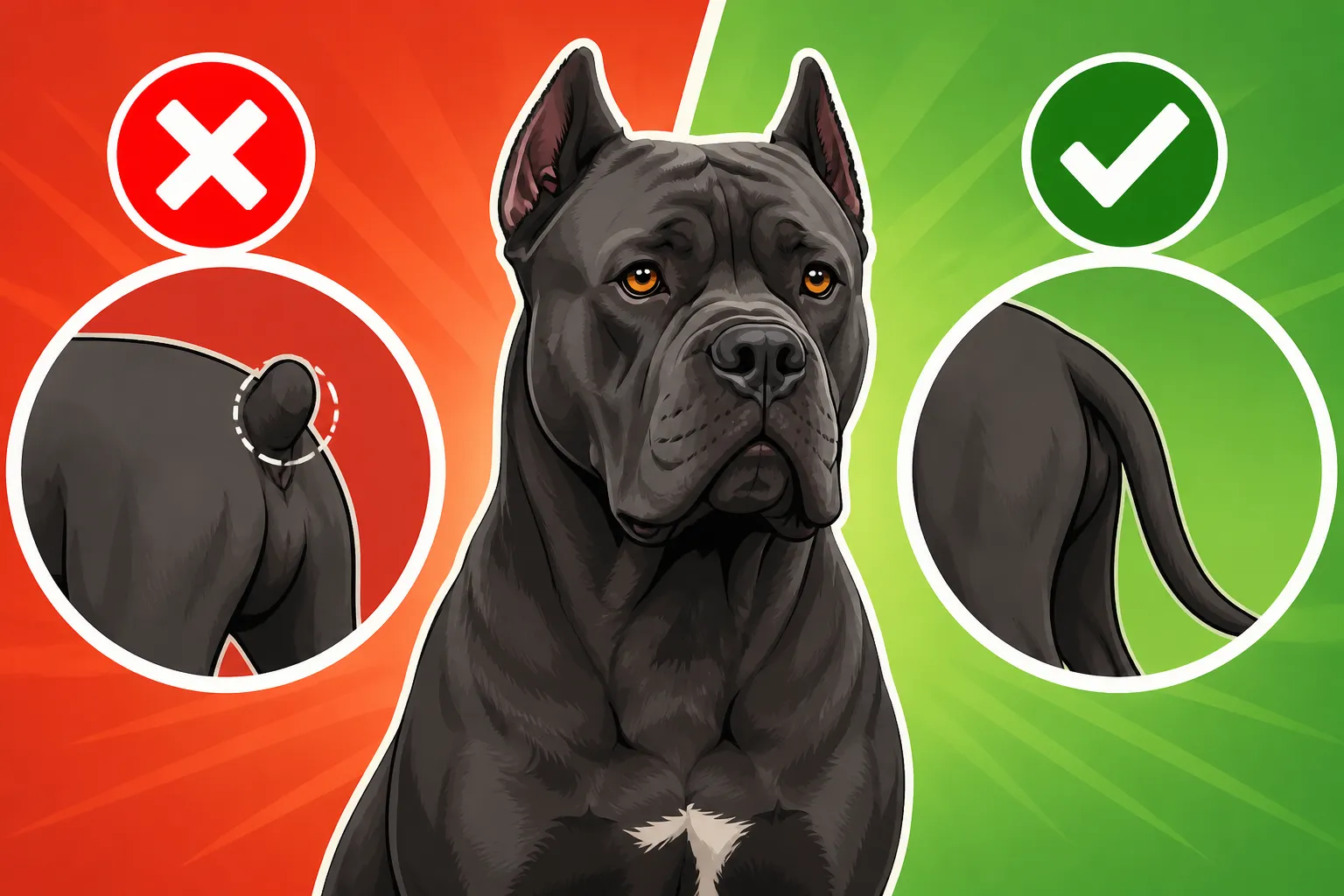
| Appearance | Traditional, powerful, blocky silhouette | Full, expressive, whip-like |
| Legality | Varies by region; banned in many countries | Generally legal everywhere |
| Communication | Limited tail expression | Full range of tail signals |
| Injury Risk | Reduced risk of "happy tail" or working injury | Potential for "happy tail" and other injuries |
| Public Opinion | May face negative perception/stigma | Generally accepted, considered more natural |
| Veterinary Stance | Largely discouraged for cosmetic reasons | Preferred by most veterinary bodies |
| Show Ring Impact | May be preferred in some standards (e.g., AKC) | Increasingly accepted, standard evolving |
Disclaimer
This article is for general informational purposes only and does not constitute professional advice. Laws, prices and regulations vary by location and change over time. Consult a qualified professional for guidance on your specific situation.