Where the Cane Corso’s Docked Tail Came From
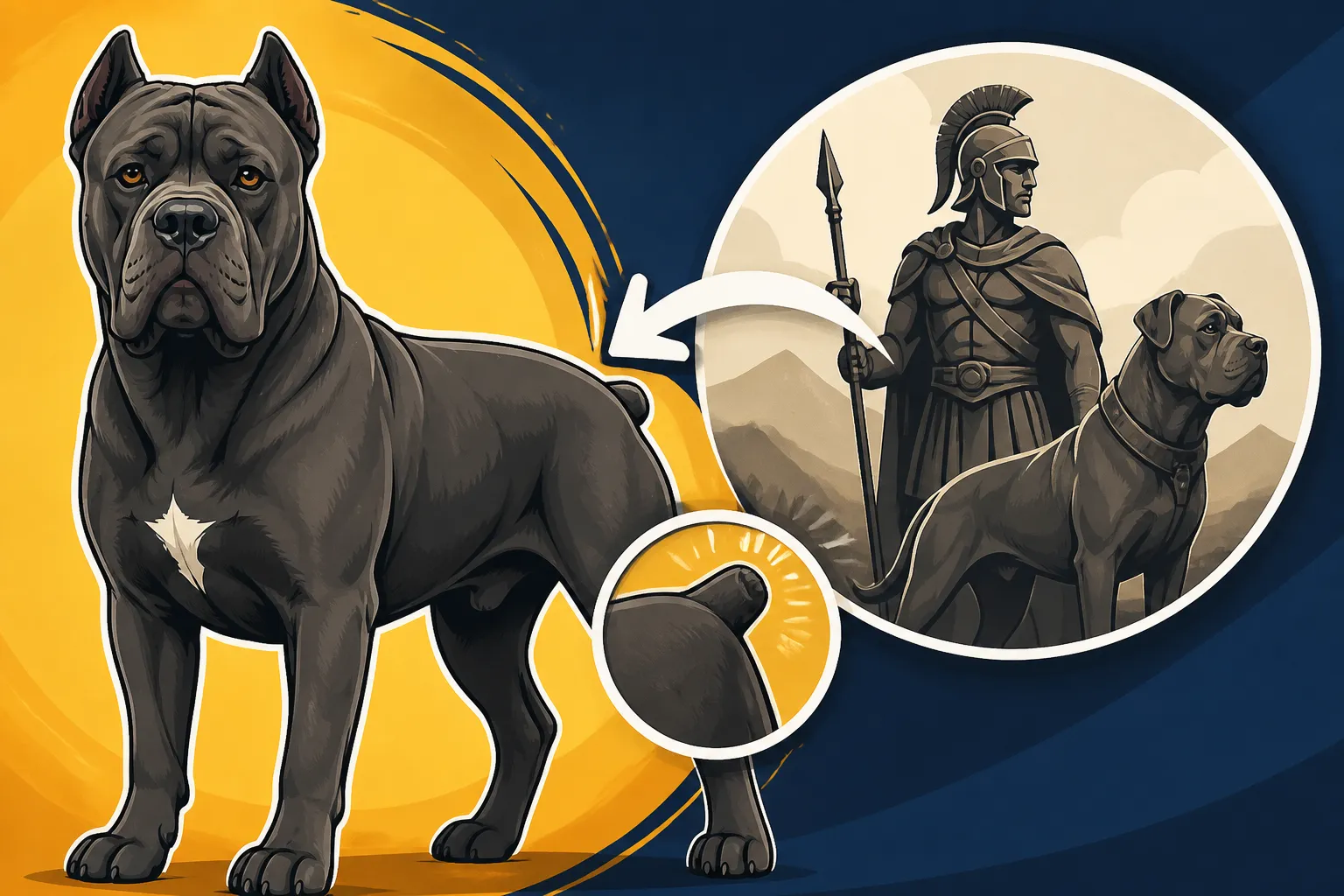
If you've ever admired a majestic Cane Corso, you might have noticed something distinct about their appearance: many of them have very short tails, often referred to as docked tails. This isn't just a stylistic choice; it comes from a deep-seated history rooted in the breed's working past, but it's also a practice that has become increasingly controversial and regulated in modern times. This guide will take a deep dive into the origins of the Cane Corso's docked tail, exploring why this tradition began, its historical purpose, and the evolving perspectives on tail docking today.
The Functional Origins of Tail Docking in Working Dogs
For many centuries, tail docking wasn't about making a dog look a certain way for the show ring; it was a practical decision born out of necessity for working breeds. Imagine a dog whose primary job involved chasing prey through dense underbrush, navigating treacherous terrain while herding livestock, or engaging in protective duties where every advantage counted. A long, whip-like tail, while beautiful, could quickly become a liability in such demanding environments.
Think about it: a long tail is vulnerable to injury. It can get caught on thorns, snagged in fences, crushed by livestock, or bitten in a confrontation. For a working dog, an injured tail wasn't just painful; it could incapacitate them, rendering them unable to perform their duties and potentially leading to serious infections. Owners of working dogs back then couldn't afford a dog sidelined by a tail injury, nor the veterinary care that might not even have been widely available in rural areas. Therefore, docking the tail was often seen as a preventative measure, a way to safeguard the dog's well-being and ensure its continued effectiveness in its vital roles. This pragmatic approach was common across many working breeds, not just the Cane Corso.
The Cane Corso's Historical Roles and Tail Vulnerabilities
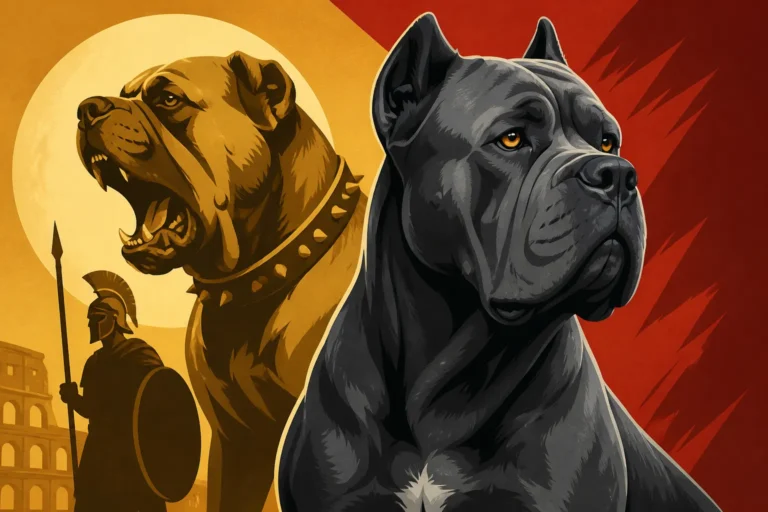
The Cane Corso, a breed with ancient roots stretching back to Roman times, was developed as a versatile working dog in Southern Italy. Their original purpose was far from being a pampered house pet; they were guardians, hunters, and drovers, integral to the survival of the masseria (farmsteads). These were big, powerful dogs, and their jobs were physically demanding and often dangerous.
One of their primary roles was as a guardian of property and livestock. They protected farms from human intruders and wild animals, like wolves and boars. A Cane Corso engaged in a confrontation with a predator or an aggressor would be using its entire body as a weapon and defense. A long tail, wagging or held high, could easily be grabbed, bitten, or broken during such a physical struggle. Losing the tail mid-fight would be not only agonizing but also distracting, potentially compromising the dog's ability to protect its charge. This wasn't about aesthetics; it was about the raw reality of their job.
Driving and Herding Livestock
Beyond guarding, Cane Corsos were also employed in driving cattle and other livestock. Picture a powerful dog moving a herd of stubborn, sometimes aggressive, animals. The confines of pens, gates, and the sheer force of a charging bull or cow presented constant risks. A tail could be stepped on, caught in a gate, or even kicked. An injury to the tail would compromise the dog's balance and agility, crucial for controlling large animals. The practice of docking made the tail less of a target and reduced the likelihood of such debilitating injuries in the field. This direct function is why you'll find similar practices in other droving breeds. Driving Cattle With a Cane Corso was no easy task, and every physical attribute needed to be an asset, not a liability.
Hunting Wild Boar
Perhaps one of the most perilous roles for the Cane Corso was hunting wild boar. Wild boars are formidable, dangerous animals, equipped with sharp tusks and immense strength. A boar hunt was not for the faint of heart, and the dogs involved often sustained serious injuries. During these intense encounters, a Cane Corso would grab and hold the boar, working in concert with other dogs and hunters. A long tail would be an obvious target for a cornered boar, which could inflict severe damage with a swipe of its head or a bite. Docking the tail was believed to minimize this risk, protecting the dog from a common injury in such a high-stakes activity. Hunting Wild Boar With Cane Corsos was a brutal necessity in some regions, and anything that helped a dog survive was implemented.
This historical context is vital to understanding The Roman War Dog Behind the Cane Corso and its evolution into the working companion we know today. The dogs were bred for resilience and effectiveness in their harsh environment, and tail docking was part of that package.
The Evolution of Standards and Modern Debates
As the Cane Corso transitioned from a purely working farm dog to a companion and show dog, the practice of tail docking began to be codified in breed standards. When enthusiasts worked to revive the breed after its near extinction, they looked to preserve the appearance and working attributes that defined it. The historical practice of docking, deeply ingrained in the breed's identity, was included in the early breed standards. For instance, in the early days of the breed's recognition, a docked tail was often explicitly stated as part of What the Standard Says a Cane Corso Should Look Like.
However, modern society has shifted its views on animal welfare and cosmetic procedures. What was once a practical necessity in agrarian societies is now seen by many as an unnecessary alteration. This has led to a significant global debate, with many countries and veterinary associations banning or heavily restricting tail docking.
Changing Attitudes and Legal Restrictions
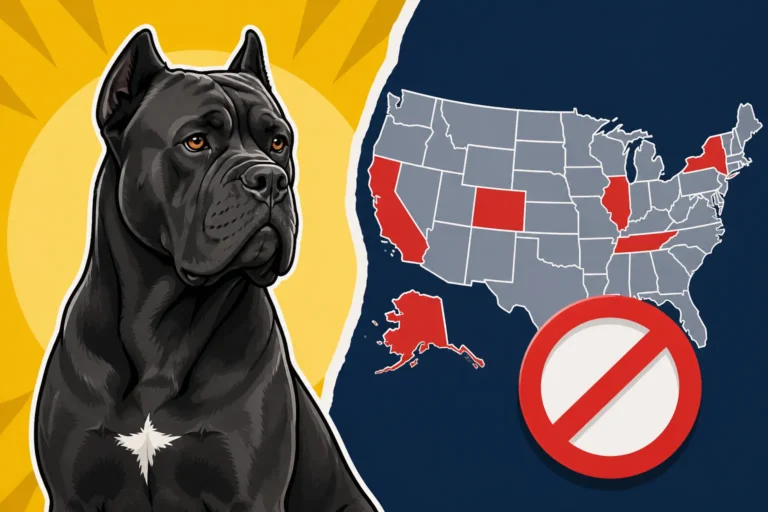
Today, the landscape for tail docking varies dramatically depending on where you live. In many parts of Europe, Australia, and some Canadian provinces, tail docking is illegal for cosmetic reasons, only permitted in very specific veterinary circumstances, such as injury. This means that Cane Corsos in these regions are almost exclusively seen with their natural, long tails. In contrast, in the United States, tail docking is generally still permitted, often performed by veterinarians, though the practice continues to face ethical challenges from animal welfare advocates.
This divergence in regulations directly impacts breeders and owners. If you're looking for a Cane Corso, you'll find that dogs from different parts of the world might present with different tail styles. For a breeder striving for What a Show Prospect Cane Corso Costs, navigating these regulations can be complex, especially if they plan to show their dogs internationally. Whether Docking a Cane Corso Is Still Allowed is a question with a very different answer depending on jurisdiction.
The shift isn't just about legality; it's about a changing understanding of animal behavior and communication. Many argue that a dog's tail is a crucial tool for expressing emotion, intent, and social cues to both humans and other dogs. Removing it, they contend, hinders this vital form of communication.
The Debate Within the Cane Corso Community
Within the Cane Corso community itself, opinions are divided. Traditionalists often argue that docking is part of the breed's heritage and contributes to its characteristic "look" and working aesthetic. They might also still point to the historical reasons of injury prevention, even if the modern dog's lifestyle is vastly different. On the other hand, a growing number of Cane Corso owners and breeders advocate for natural tails, prioritizing the dog's ability to communicate fully and avoiding what they see as an unnecessary surgical procedure. They often emphasize that The Tail Length a Cane Corso Is Born With is natural and perfectly functional for a modern companion.
This debate often goes hand-in-hand with the discussion around ear cropping, another traditional modification for the breed. Why Cane Corso Ears Are Cropped in the First Place also has historical, functional roots, but faces similar ethical questions today. Ultimately, the decision of whether to dock a tail (where legal) often comes down to individual owner preference, adherence to specific show standards, and personal ethical considerations. However, it's clear that the trend is moving towards fewer docked tails as awareness grows and regulations tighten worldwide.
The Role of the Tail in Canine Communication
When we talk about a dog's tail, it's easy to just see it as an extension of their spine, but it's so much more than that. A dog's tail is a complex, expressive communication tool, a furry barometer of their emotions and intentions. For a Cane Corso, with its inherent guarding instincts, understanding its natural tail communication is crucial for both the dog and its human family.
Expressing Emotions and Intent
A natural, undocked tail can convey a vast array of emotions. A high, stiff wag might signal excitement or alertness, while a low, tucked tail often indicates fear or submission. A gentle, sweeping wag typically means friendliness and happiness. Consider a Cane Corso meeting a new person or another dog; its tail movements are key indicators of its comfort level, curiosity, or potential apprehension. A dog that is confident and relaxed will hold its tail in a natural, relaxed position, possibly with a gentle sway. When it becomes alert to a perceived threat, that tail might rise and become stiff. If it's feeling playful, the tail might wag broadly and exuberantly.
For dogs, this visual cue is a fundamental part of their social interactions. Other dogs read tail positions and movements to understand intentions, helping to prevent misunderstandings or escalate conflicts. When a tail is docked short, much of this nuanced communication is lost. A dog with a docked tail may struggle to convey its full range of emotions, leading to potential misinterpretations from other dogs or even from humans who are not accustomed to reading more subtle body language cues. This can be a particular challenge for a breed like the Cane Corso, where clear communication is vital to manage their powerful presence and The Cane Corso's Reputation and the Laws Behind It.
Impact on Social Interactions
Imagine two dogs approaching each other at a dog park. One has a long, expressive tail, clearly communicating its friendly intentions with a loose, wide wag. The other dog, perhaps a Cane Corso with a docked tail, might only be able to offer a small, almost imperceptible wiggle. The first dog might struggle to read the docked tail's signals, potentially perceiving the Cane Corso as less friendly, less confident, or even aggressive due to the lack of clear, familiar cues. This can lead to awkward interactions or, in some cases, conflict simply because of a communication breakdown.
Studies have even suggested that dogs with docked tails might experience more negative interactions with other canines because their ability to signal appeasement or playfulness is compromised. This isn't to say a docked Cane Corso can't be well-socialized, but it does mean owners might need to be extra vigilant in reading the rest of their dog's body language – ears, eyes, posture – and advocating for their dog in social situations. Companies like Chewy offer resources and products, such as books on canine body language, that can help owners better understand and interpret their dog's subtle cues, regardless of tail length.
For owners, it means being more attuned to other signals your Cane Corso gives. Their eyes, ear position, facial muscles, and overall body posture become even more critical indicators of their mood. If you have a Cane Corso with a natural tail, cherishing and understanding this powerful communication tool can deepen your bond and help you navigate the world together more smoothly. Regardless of tail length, observing your dog and learning their individual ways of expressing themselves is key to a happy, healthy relationship. If you're considering a Cane Corso puppy, discussing tail options with your breeder and understanding local laws is an important step. You can often find a wide variety of supplies, from leashes to grooming tools, on platforms like Chewy, which cater to all kinds of Cane Corsos, docked or natural.
Caring for a Cane Corso's Tail, Docked or Natural
Whether your Cane Corso has a docked tail or a full, natural one, proper care is essential. Both present different considerations for maintenance and health. Understanding these can help you ensure your dog's comfort and well-being throughout their life.
Care for a Docked Tail
A properly docked tail, when done by a skilled veterinarian during puppyhood, typically heals well and requires minimal ongoing care. However, it's not entirely without considerations. The nub of a docked tail can sometimes be sensitive, especially if accidentally bumped or sat on. While rare, phantom pain or nerve issues can occur, just like in any amputation. Owners should regularly check the tail tip for any signs of irritation, scabbing, or infection, particularly if the dog is frequently wagging it against hard surfaces.
Additionally, because the tail is shorter, the anal glands might not be expressed as effectively during defecation compared to a dog with a full tail that uses more muscle action in that area. This means you might need to monitor for signs of anal gland issues, such as scooting or licking, and consult your vet if expressing becomes necessary. Always ensure the area remains clean, especially after bathroom breaks.
Care for a Natural Tail
A long, natural Cane Corso tail is a magnificent sight, but it also comes with its own set of care requirements. These tails are powerful, capable of wagging with enough force to clear a coffee table or leave a bruise on an unsuspecting leg! They also face the historical risks of injury if your Cane Corso has a very active outdoor life.
- Injury Prevention: Be mindful of your Cane Corso's tail around doorways, furniture, and especially if they play rough with other dogs or people. A "happy tail" injury, where the tip of a rapidly wagging tail repeatedly hits a hard surface and won't heal, can be a frustrating and painful issue. While How Many Years a Cane Corso Owner Usually Gets is a common question, ensuring that those years are comfortable means being proactive about injury prevention.
- Cleanliness: A long tail can sometimes drag or brush against things, collecting dirt or debris. Regular visual checks and occasional wiping can keep it clean, especially if your Cane Corso spends a lot of time outdoors.
- Grooming: The Cane Corso's short, dense coat generally doesn't require extensive grooming, but a natural tail should be included in your regular brushing routine to remove loose hair and keep the skin healthy. You can find excellent grooming brushes and other supplies at retailers like Chewy.
Whether your Cane Corso has a docked or natural tail, observing for any changes in how they hold, move, or react to their tail is important. Any limping, excessive licking, swelling, or changes in behavior related to the tail should prompt a veterinary visit. Ensuring their comfort and health, from tip to tail, is part of being a responsible Cane Corso owner.
| Tail Type | Pros (Historical/Cultural) | Cons (Modern Considerations) | Care Considerations |
|---|---|---|---|
| Docked Tail | Reduced risk of injury in working roles (historical) | Loss of full communicative ability; ethical debate | Check for irritation/infection; potential anal gland issues |
| Natural Tail | Full range of canine communication; no surgical intervention | Vulnerable to injury in active environments; requires mindful management | Injury prevention; cleanliness; regular grooming checks |
Conclusion: Understanding a Breed's Legacy and Modern Responsibilities
The Cane Corso's docked tail, much like its ear cropping, is a direct link to its ancient, working past. It's a physical reminder of a time when these powerful dogs were vital guardians, hunters, and drovers, and their physical attributes were shaped by the demands of their challenging lives. Understanding The Farm Job the Cane Corso Was Kept For truly sheds light on why these practices began.
However, as society evolves and the roles of dogs change, so too do our perspectives on animal welfare. What was once a pragmatic measure is now viewed by many as a cosmetic alteration that impacts a dog's natural communication and potentially its well-being. Today, most Cane Corsos are cherished family companions, not working dogs facing daily injury risks from wild boars or unruly livestock. This shift has led to varied legal landscapes and ongoing ethical debates, making the decision about a docked tail a complex one for prospective owners.
Ultimately, whether a Cane Corso has a docked or natural tail, the core responsibilities of ownership remain the same: providing excellent care, comprehensive training, thorough socialization, and unwavering love. For those of us dedicated to the breed, it means appreciating their rich history while also embracing modern understandings of canine health and behavior. It's about respecting the past without being beholden to practices that no longer serve the best interests of our beloved companions.
Disclaimer
This article is for general informational purposes only and does not constitute professional advice. Laws, prices and regulations vary by location and change over time. Consult a qualified professional for guidance on your specific situation.