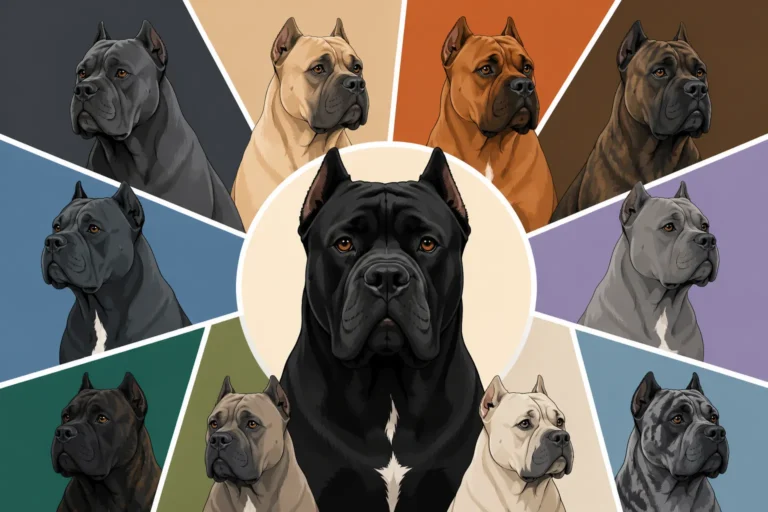
Whether a Show Cane Corso Differs From a Working One
It can be incredibly confusing when you're looking into bringing a Cane Corso into your life and you keep hearing terms like "show line" and "working line." It makes you wonder if you're looking at two entirely different breeds, or if one is inherently better or more challenging than the other. This guide is here to unravel those distinctions, helping you understand what these terms truly mean for the Cane Corso breed and, most importantly, for you as a potential owner. We'll explore the history, the typical traits, and the practical implications so you can make an informed decision about the right companion for your home.
Understanding the Roots: The Cane Corso's Original Purpose
To truly grasp the concepts of "show" versus "working" in the Cane Corso, we need to take a quick trip back in time to their origins. These magnificent dogs weren't initially bred for beauty pageants or casual strolls in the park. They were, first and foremost, utility dogs, integral to daily life in rural Italy. They were the original multi-tool on a farm, indispensable to families who relied on their strength, intelligence, and unwavering loyalty.
From Roman War Dogs to Farm Hands
The Cane Corso's lineage stretches back to the ancient Roman war dogs, fierce and powerful canines known for their bravery and formidable presence. But as the Roman Empire faded, these dogs found a new purpose, adapting to the changing needs of the Italian countryside. They weren't just guardians; they were partners in every sense of the word. You can learn more about their ancient history in The Roman War Dog Behind the Cane Corso.
Imagine a farmer in Puglia or Basilicata needing a dog to protect his livestock from wolves and rustlers, drive cattle to market, and even assist in hunting wild boar. That's the Cane Corso. Their job descriptions were long and varied, requiring a dog that was physically robust, mentally sharp, and inherently protective, but also intelligent enough to discern a true threat from a harmless stranger. They weren't just big dogs; they were intelligent problem-solvers with an incredible guardian instinct. The Farm Job the Cane Corso Was Kept For really dives into this aspect.
The Revival and the Modern Cane Corso
Fast forward to the mid-20th century, and the Cane Corso was on the brink of extinction. It took dedicated enthusiasts to seek out the remaining examples in remote Italian villages and begin the meticulous work of reviving the breed. As the breed gained recognition and popularity beyond Italy, different philosophies began to emerge among breeders. Some focused on maintaining the traditional working capabilities, while others emphasized conformation to a written breed standard, leading to the "show line" and "working line" distinctions we discuss today. It's not that one is purely one thing and the other is purely another, but rather an emphasis in breeding goals.
The "Show Line" Cane Corso: Conformation and Temperament
When people talk about a "show line" Cane Corso, they're generally referring to dogs bred with a primary focus on excelling in conformation events. This means their physical appearance, movement, and overall demeanor are judged against a detailed written breed standard, like the one recognized by the American Kennel Club (AKC) or the Fédération Cynologique Internationale (FCI).
What the Standard Demands
The breed standard is essentially a blueprint for the ideal Cane Corso. It outlines everything from head shape, muzzle length, and ear set to body proportions, bone structure, coat color, and even temperament. Judges in the show ring evaluate how closely each dog matches this ideal. For instance, a show Cane Corso should have powerful yet athletic build, a specific "pivoting" gait, and a confident, stable temperament that allows them to be handled by strangers (the judge!) without showing aggression or undue shyness. What the Standard Says a Cane Corso Should Look Like goes into great detail here.
Breeders of show lines are aiming to produce dogs that consistently meet these aesthetic and structural requirements. This often involves careful selection based on pedigree, health clearances, and the individual dog's success in the ring. The goal is a dog that embodies the historical type while being beautiful to look at and structurally sound.
Temperament in the Ring and at Home
While looks are important in the show ring, temperament is equally critical, if not more so. A show Cane Corso needs to be calm, collected, and handler-focused. They must tolerate being examined by a judge, stacked into specific poses, and moving gracefully around other dogs and people in a often-crowded, noisy environment. A dog that lunges, barks incessantly, or shows aggression or extreme shyness will not do well.
This emphasis on a stable, confident, and biddable temperament translates well to a family environment. A well-bred show line Cane Corso should be a devoted family companion, naturally protective of its home and loved ones, but also possessing the mental fortitude to remain composed in public and when new people visit. They still possess that inherent guardian instinct, but it's often paired with a strong desire to please and a high degree of trainability for public settings. The Character a Cane Corso Judge Expects in the Ring elaborates on the ideal disposition.
The "Working Line" Cane Corso: Drive and Purpose
"Working line" Cane Corsos, on the other hand, are bred with an emphasis on performance and utility. Their breeders prioritize traits like strong drive, resilience, high trainability for specific tasks, and sometimes, a more intense guarding instinct. These are dogs that are expected to do a job, whether it's personal protection, sport work, or actual farm duties.
Traits for Performance
A working line Cane Corso often possesses a higher prey drive, more environmental toughness, and an unwavering focus on their handler during training. They might have a slightly different physical build, sometimes appearing more athletic or "racy" than their show counterparts, though a good working dog will still be structurally sound. The primary concern is not how they look, but how effectively they perform their intended function.
These dogs often excel in dog sports like IGP (formerly Schutzhund), protection sports, advanced obedience, or even search and rescue. They require a dedicated owner who understands canine drive and is prepared to channel it into constructive outlets. Leaving a working line Cane Corso without a "job" can lead to frustration and destructive behaviors, as their minds and bodies are simply built for more intense engagement. This isn't to say a show dog can't do these things, but a working line dog is specifically bred for the aptitude and intensity required.
The Demands of a Working Companion
Owning a working line Cane Corso is a commitment to consistent training and daily mental and physical exercise. These dogs thrive when given a purpose. Their intelligence and drive are assets in the right hands, but can become liabilities if neglected. They need a handler who is confident, consistent, and understands how to motivate and direct a powerful, intelligent dog. Ninety Minutes a Day and a Cane Corso's Mind is a must-read for anyone considering a highly driven Cane Corso.
For many working line owners, training is not just about basic obedience; it's a lifestyle. They're often found at specialized training clubs, honing skills in bite work, tracking, or advanced obedience. These dogs often have a more pronounced "off switch" for home life, but when it's time to work, they are fully engaged and ready.
Key Differences and Overlaps: Bridging the Divide
While we speak of "show" and "working" lines as distinct categories, it's important to remember that these are often points on a spectrum, not entirely separate species. There can be significant overlap, and a truly excellent Cane Corso, regardless of its primary lineage, should possess many desirable traits.
A Comparative Look
Here’s a quick overview of some general differences you might encounter:
| Feature | Show Line Cane Corso | Working Line Cane Corso |
|---|---|---|
| Primary Focus | Conformation to breed standard, aesthetics, stable public temperament | Performance, drive, utility, specific work aptitude |
| Physical Traits | Often heavier bone, impressive presence, adherence to visual standard | Potentially leaner, more athletic build, focus on functional structure |
| Temperament | Calm, confident, biddable, stable in diverse public settings, guardian instinct present | Higher drive, intense focus, potentially more reactive or sensitive to environment, pronounced guardian instinct |
| Training Needs | Good for obedience, family companion training, basic guardian work | Requires extensive, consistent training, often specialized (protection, sport, SAR), needs a "job" |
| Ideal Owner | Committed family, enjoys dog sports, wants a beautiful and stable companion | Experienced handler, dedicated to ongoing advanced training, active lifestyle, understands high-drive dogs |
It's crucial to understand that a "show" dog is not necessarily a "pet" dog in the casual sense, nor is a "working" dog necessarily aggressive. Both types are Cane Corsos, meaning they are powerful, intelligent, and possess a strong What a Cane Corso's Guardian Instinct Actually Is. The difference lies in the intensity of certain traits and the emphasis of the breeding program.
When Lines Blur: The Best of Both Worlds
Many responsible breeders strive to produce Cane Corsos that are both structurally sound enough to excel in the show ring and possess the mental and physical aptitude to perform real work. These "dual-purpose" dogs are highly sought after, as they embody the breed's historical versatility. They prove that beauty and brains, conformation and capability, are not mutually exclusive.
When looking at puppies, whether from show-focused or working-focused lines, you should always inquire about the parents' health clearances, titles (both conformation and performance), and individual temperaments. A breeder prioritizing health and temperament above all else is the ideal, regardless of their specific "line." For instance, a breeder might use Chewy for specialized performance diets, even for their show dogs, recognizing the nutritional demands of any active Cane Corso.
Choosing the Right Cane Corso for Your Life
Deciding between a show line and a working line Cane Corso isn't about one being "better" than the other; it's about finding the right fit for your lifestyle, experience level, and expectations. This decision will profoundly impact your daily life with your dog for many years to come.
Matching Your Lifestyle to Your Dog
If your vision of life with a Cane Corso involves a majestic, calm presence in your home, occasional walks, and perhaps some basic obedience classes, a well-bred show line dog with a proven stable temperament might be a better match. These dogs still need exercise and mental stimulation, but their inherent drive might be less intense than a dedicated working line. They still need proper socialization, especially during their critical The Socialization Window a Cane Corso Puppy Gets.
However, if you're an experienced dog owner, passionate about advanced training, dog sports, or even considering a personal protection companion, a working line Cane Corso could be incredibly rewarding. These dogs thrive on challenge and engagement, and they will bond deeply with an owner who provides that structure and purpose. Just remember that with higher drive comes higher responsibility and a greater need for consistent direction and activity. You'll likely be stocking up on durable training aids from places like Chewy!
The Importance of a Reputable Breeder
Regardless of whether you lean towards a show line or a working line, the most critical factor is finding a reputable breeder. A good breeder will:
- Be transparent about their dogs' health clearances, including hips, elbows, heart, and eyes. Checking a Cane Corso's OFA Records Before Paying is a key step. You'll want to ask about The Two DNA Diseases in Cane Corso Pedigrees as well.
- Be knowledgeable about their dogs' pedigrees, temperaments, and drives.
- Be honest about the specific needs and potential challenges of their puppies.
- Ask you many questions to ensure their puppy is going to a suitable home.
- Provide a health guarantee and a clear contract. Why Health Testing Puts a Cane Corso Over Three Thousand means they invest heavily in their lines.
Don't be swayed solely by a dog's "line" designation. Look at the individual parents, their titles, their health, and their proven temperaments. A "working line" dog from a backyard breeder with no proven titles or health clearances is a far riskier prospect than a "show line" dog from a dedicated breeder who health tests and competes with their dogs. While Whether Protection Sport Makes a Cane Corso Dangerous is a common concern, responsible breeders of working lines carefully select for stable temperaments.
In the end, whether a show Cane Corso differs from a working one isn't about an absolute divide, but rather a difference in breeding priorities and the resulting emphasis on certain traits. Both are still Cane Corsos, magnificent and powerful dogs that demand dedication, consistent training, and proper socialization. Your job is to understand your own capabilities and lifestyle, and then find the Cane Corso whose lineage best aligns with those realities. For supplies, from puppy food to training equipment, retailers like Chewy offer a comprehensive selection to support any Cane Corso owner's journey.
Disclaimer
This article is for general informational purposes only and does not constitute professional advice. Laws, prices and regulations vary by location and change over time. Consult a qualified professional for guidance on your specific situation.