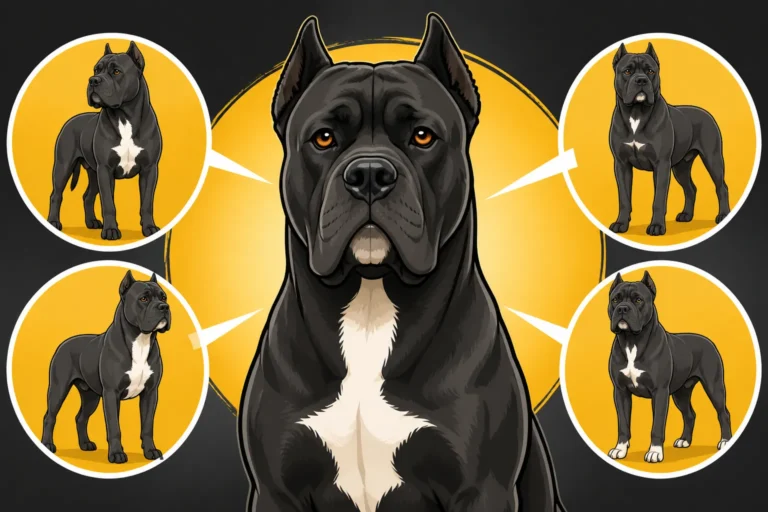
The Bite a Cane Corso Standard Calls For
One of the trickiest things when you're welcoming a magnificent Cane Corso into your life is wading through all the breed standards and health information. It can feel like you need a veterinary degree just to understand if your pup is developing correctly! Owners often worry about everything from how tall their dog will get to whether their dog's bite is "right." This guide is here to demystify the specific expectations around a Cane Corso's bite, helping you understand what the official standard calls for, why it matters, and what to look for in your own canine companion.
Understanding the Cane Corso Bite Standard: What It Actually Means
When we talk about a dog's "bite," we're not just discussing how they chomp down on a toy. In the world of dog breeds, the bite refers to the alignment of their upper and lower jaws and how their teeth meet. For a breed as powerful and historically functional as the Cane Corso, this dental alignment is far more than an aesthetic detail; it’s a cornerstone of their physical prowess and overall health. Getting a grasp on this standard is essential, whether you're looking for a show prospect or simply want a healthy family companion.
The Ideal Scissor or Level Bite for a Cane Corso
The ultimate goal, the gold standard if you will, for a Cane Corso's bite is either a scissor bite or a level bite. Let's break down what those mean because they're often used interchangeably or confused, but they are distinct.
A scissor bite is what most people picture as the perfect canine bite. Imagine the blades of a pair of scissors closing: the upper incisors (those front teeth) just barely overlap the lower incisors, making contact in a neat, clean line. This alignment is incredibly strong and efficient. It allows for a powerful grip, something vital for a dog that historically worked with livestock, needing to hold onto an animal without causing undue harm, or even to Hunting Wild Boar With Cane Corsos. The scissor bite distributes pressure evenly across the teeth, which helps prevent premature wear and tear, and allows for effective tearing and grinding of food. Many breeders strive for this precise alignment, viewing it as a mark of proper head structure and function.
A level bite, on the other hand, is when the upper and lower incisors meet edge-to-edge. Think of two rulers touching perfectly flat against each other. While not as common as the scissor bite across all breeds, it is considered perfectly acceptable and even desirable in the Cane Corso standard. It still provides a strong, functional grip and doesn't usually lead to dental issues if the alignment is truly level and not causing excessive wear. The key here is meeting, not overlapping. Both the scissor and level bites speak to the breed's ancestral needs and its robust, working heritage, forming part of What the Standard Says a Cane Corso Should Look Like.
Acceptable Variations: The Slight Undershot
Now, here's where it gets a little more nuanced. While the scissor and level bites are ideal, the Cane Corso standard also allows for a "slight undershot" bite. This is a common point of confusion for new owners. What exactly constitutes "slight"?
A slight undershot means that the lower incisors extend just beyond the upper incisors, by only a millimeter or two. It's not a gaping space; it’s a subtle protrusion of the lower jaw. This characteristic harks back to some of the Molosser breeds from which the Cane Corso descends. A dog with a slight undershot can still close its mouth fully, eat without difficulty, and maintain a powerful grip. It's functionally sound. The concern arises when this undershot becomes more pronounced, which leads us to what is considered a fault. If you're looking at puppies, a reputable breeder will be able to show you the parents' bites and explain what they typically produce. They understand that The Head a Cane Corso Judge Wants to See includes careful consideration of bite.
The distinction between a "slight" undershot and a "severe" undershot is critical. A slight undershot is often tolerated and even seen as characteristic of the breed's robust, protective nature, enabling a stronger hold on things. It's a fine line, but one a knowledgeable breeder or vet can easily identify.
Why the Bite Matters: Beyond Just Looks
You might wonder why such a specific detail like a dog's bite is given so much attention in a breed standard. It's not just about winning ribbons in the show ring, though it certainly plays a part in that; it's deeply rooted in the Cane Corso's history, health, and how well they can perform the tasks they were bred for. Understanding this helps us appreciate the careful thought that went into developing this powerful breed.
Functional Purpose: Grip and Hold
Historically, the Cane Corso was a working dog, a guardian of farms and livestock in rural Italy. These dogs were expected to be versatile, capable of everything from herding cattle to providing protection. A crucial part of this job involved gripping and holding. Imagine a Cane Corso needing to hold an unruly bull or contain an aggressive boar. Their bite wasn't just for eating; it was a tool, a functional part of their working anatomy.
A correct bite, whether scissor or level, provides a formidable grip. The alignment of the teeth ensures maximum contact and leverage, allowing the dog to hold on firmly and effectively without slipping. This strength was vital for tasks like Driving Cattle With a Cane Corso or helping a butcher manage livestock. If the bite is incorrect, the dog's ability to perform these historical duties would be compromised, making them less effective at the work for which they were originally bred. The jaws needed to be strong, the teeth well-aligned, and the overall structure of the head optimized for power and control. This functional aspect is why the bite is so important – it’s a direct link to the breed's very identity and purpose as The Farm Job the Cane Corso Was Kept For.
Impact on Health and Dental Longevity
Beyond work, a proper bite has significant implications for your Cane Corso's long-term health and comfort. An incorrectly aligned bite can lead to a host of dental problems and even affect their ability to eat normally.
When teeth don't meet correctly, they can experience uneven wear. This means some teeth might grind down prematurely, while others might not be used at all, leading to dental issues like exposed pulp, pain, or even fractured teeth. Imagine trying to chew your food with misaligned teeth – it's uncomfortable and inefficient. For a dog that needs to process a large amount of food daily, this can be a real problem. Furthermore, improper alignment can lead to teeth digging into the gums or palate, causing chronic irritation, sores, and infections. This is not only painful but can also make your dog hesitant to eat or chew, affecting their nutrition.
Issues like Retained Puppy Teeth Behind a Cane Corso's Canines can also be exacerbated by poor jaw alignment, creating crowding that traps food and promotes plaque buildup. Regular dental care, including proper chewing, is essential for all dogs, and an ideal bite facilitates this naturally. Products found on sites like Chewy, such as dental chews and toys designed for large breeds, can help support oral hygiene, but they work best when the underlying dental structure is sound. A healthy bite contributes significantly to your Cane Corso's overall quality of life, preventing unnecessary discomfort and vet visits down the line. It's about ensuring your dog can live a long, comfortable life, free from preventable pain.
Common Bite Faults and Their Implications
Understanding the ideal bite helps us identify what falls short of the standard. Bite faults in Cane Corsos aren't just cosmetic; they can have real, sometimes painful, consequences for the dog. When you’re evaluating a puppy or an adult Cane Corso, knowing these potential issues can help you make an informed decision and prepare for any special care that might be needed.
The Undershot and Overshot Jaw
While a slight undershot is permissible, anything more significant quickly becomes a fault.
A severe undershot jaw, often referred to as a "prognathism," is when the lower jaw protrudes considerably beyond the upper jaw, leaving a noticeable gap when the mouth is closed. The incisors don't meet, and sometimes the lower canines can even push into the upper gum or palate. This type of bite is generally considered a disqualifying fault in the show ring, falling under Faults That End a Cane Corso's Show Career. Functionally, it can make it difficult for the dog to pick up food, chew effectively, and even cause chronic sores or infections from the teeth constantly rubbing or digging into soft tissues. Imagine the difficulty of trying to close your mouth if your bottom jaw stuck out too far – it’s not comfortable.
Conversely, an overshot jaw, or "brachygnathism," is when the upper jaw extends significantly beyond the lower jaw. This creates a gap between the upper and lower incisors, sometimes so pronounced that the lower jaw appears recessed. This is often called a "parrot mouth." Like the severe undershot, this is a serious fault. An overshot bite means the lower canines might impinge on the roof of the mouth, causing pain and discomfort. It also severely impacts the dog's ability to grasp and hold items, and chew food properly. Both severe undershots and overshots can lead to food accumulation, increased risk of periodontal disease, and significant discomfort for the dog over its lifetime. Whether a Cane Corso's Undershot Jaw Is a Fault depends entirely on the degree of the undershot.
Wry Mouths and Crooked Jaws
Even more severe than a simple overshot or undershot jaw is a "wry mouth" or a "crooked jaw." This condition is quite rare but needs immediate attention. A wry mouth occurs when one side of the jaw grows faster or is shaped differently than the other, causing the jaw to twist or deviate to one side. Imagine one side of the lower jaw being shorter or displaced, making the teeth align in a completely asymmetrical and distorted manner.
This isn't just a cosmetic issue; it's a serious structural defect. Dogs with wry mouths often have extreme difficulty eating, drinking, and even closing their mouths properly. The teeth can cause constant trauma to the soft tissues of the mouth, leading to chronic pain, infection, and sometimes requiring extensive veterinary intervention, including surgery, to improve the dog's quality of life. A wry mouth impacts the dog's entire facial structure and can be a sign of underlying developmental problems. This is a severe fault and a condition that any responsible breeder would identify and disclose, as it carries significant implications for the dog's well-being.
How to Check Your Cane Corso's Bite and What to Ask Breeders
As a Cane Corso owner, or prospective owner, it's incredibly empowering to know how to assess your dog's bite for yourself. While it's no substitute for a professional vet check, a quick at-home examination can give you peace of mind or alert you to potential issues early on. This knowledge also equips you with the right questions to ask when interacting with breeders, ensuring you're bringing home a healthy puppy from a reputable source.
A Simple At-Home Examination
Checking your Cane Corso's bite is a straightforward process, but it requires a calm and cooperative dog. It's best to start practicing this gently when they are puppies so they get used to having their mouth handled.
First, ensure your dog is relaxed. You can offer a treat as a distraction or do it during a petting session. Gently lift your dog's upper lips to expose the front teeth (incisors) and their gums.
Observe the alignment:
- Incisor Overlap: Look at how the upper and lower front teeth meet.
- Scissor Bite: The top incisors should just slightly overlap the bottom incisors, like scissor blades. They should make clean contact.
- Level Bite: The top and bottom incisors should meet perfectly edge-to-edge.
- Slight Undershot: The bottom incisors might extend just a tiny bit (1-2mm) beyond the top ones.
- Canine Alignment: Check that the large, pointed canine teeth on the upper and lower jaws interlock properly, fitting neatly into the spaces between the opposing canines and incisors. They shouldn't be digging into the gums.
- Overall Jaw Symmetry: Take a step back and look at your dog's entire muzzle. Does it look straight and even? Are both sides of the jaw symmetrical? This can help you spot any potential wry mouth issues.
It's helpful to compare what you see to images of correct and incorrect bites online or in breed standard guides. If you notice any significant deviations, such as a large gap between upper and lower incisors, teeth digging into gums, or a visibly crooked jaw, it’s always best to consult your veterinarian. They can provide an accurate diagnosis and discuss any necessary interventions. For ongoing dental health, remember that even dogs with perfect bites benefit from regular dental chews from stores like Chewy, or even specialized toothbrushes and pastes. Regular checks are a part of ensuring Whether a Cane Corso's Bite Should Be Checked becomes a routine part of their care.
What to Discuss with a Breeder
When you're choosing a Cane Corso puppy, a responsible breeder will be your best resource for understanding their lineage and potential health outcomes. Don't be shy about asking specific questions related to bite and dental health.
Start by asking about the bite of both the puppy's parents. A good breeder will be transparent about this and should be able to show you the parents' bites if they are on site. Ask if they have ever had puppies with severe bite faults in their lines. While some minor variations can occur even in the best litters, a pattern of severe issues might be a red flag. Reputable breeders typically breed away from such genetic predispositions.
Inquire about the overall dental history of their breeding dogs. Have there been issues with retained puppy teeth, crowded teeth, or early tooth loss? While a puppy's bite can change slightly as they grow, particularly during the teething phase, the fundamental jaw structure is usually set. A breeder can tell you how their puppies typically mature. You might also ask if they perform any specific health clearances related to oral health, though many structural elements are assessed during general veterinary checks. Remember, Whether a Cane Corso Breeder Should Show Both Parents is also crucial, as seeing the parents gives you an idea of the physical traits and temperament your puppy might inherit.
Don't forget to review the health guarantee and contract provided by the breeder. A comprehensive contract should outline what happens if a serious, debilitating health defect (including a severe bite fault that impacts health) is discovered in the puppy. While genetic testing like Reading a Cane Corso's DNA Results Before You Buy is important for other conditions, bite is more about structure and conformation. A breeder's knowledge of their lines and commitment to sound, healthy dogs is your best safeguard. Choosing a puppy involves a lot of trust, and open communication about all aspects of the breed standard, including the bite, is key.
| Bite Type | Description | Functional Impact | Show Ring Status |
|---|---|---|---|
| Scissor Bite | Upper incisors just overlap lower incisors, making close contact. | Strong, efficient grip; good for chewing and holding. | Ideal, highly preferred. |
| Level Bite | Upper and lower incisors meet perfectly edge-to-edge. | Strong, functional grip; can lead to slightly more wear over time. | Acceptable, often considered ideal alongside scissor. |
| Slight Undershot | Lower incisors extend 1-2mm beyond upper incisors. | Minimal to no functional impact; can provide a strong hold. | Acceptable, common, and often considered characteristic. |
| Severe Undershot | Lower jaw protrudes significantly; large gap between incisors. | Difficulty picking up/chewing food, gum trauma, inefficient grip. | Serious fault, often disqualifying. |
| Overshot (Parrot) | Upper jaw extends significantly beyond lower jaw; large gap between incisors. | Difficulty grasping, canines impinge on palate, inefficient chewing. | Serious fault, often disqualifying. |
| Wry Mouth | One side of the jaw is shorter or misaligned, causing a twist. | Severe difficulty eating, chronic pain, significant health issues. | Disqualifying fault, serious structural defect. |
Disclaimer
This article is for general informational purposes only and does not constitute professional advice. Laws, prices and regulations vary by location and change over time. Consult a qualified professional for guidance on your specific situation.