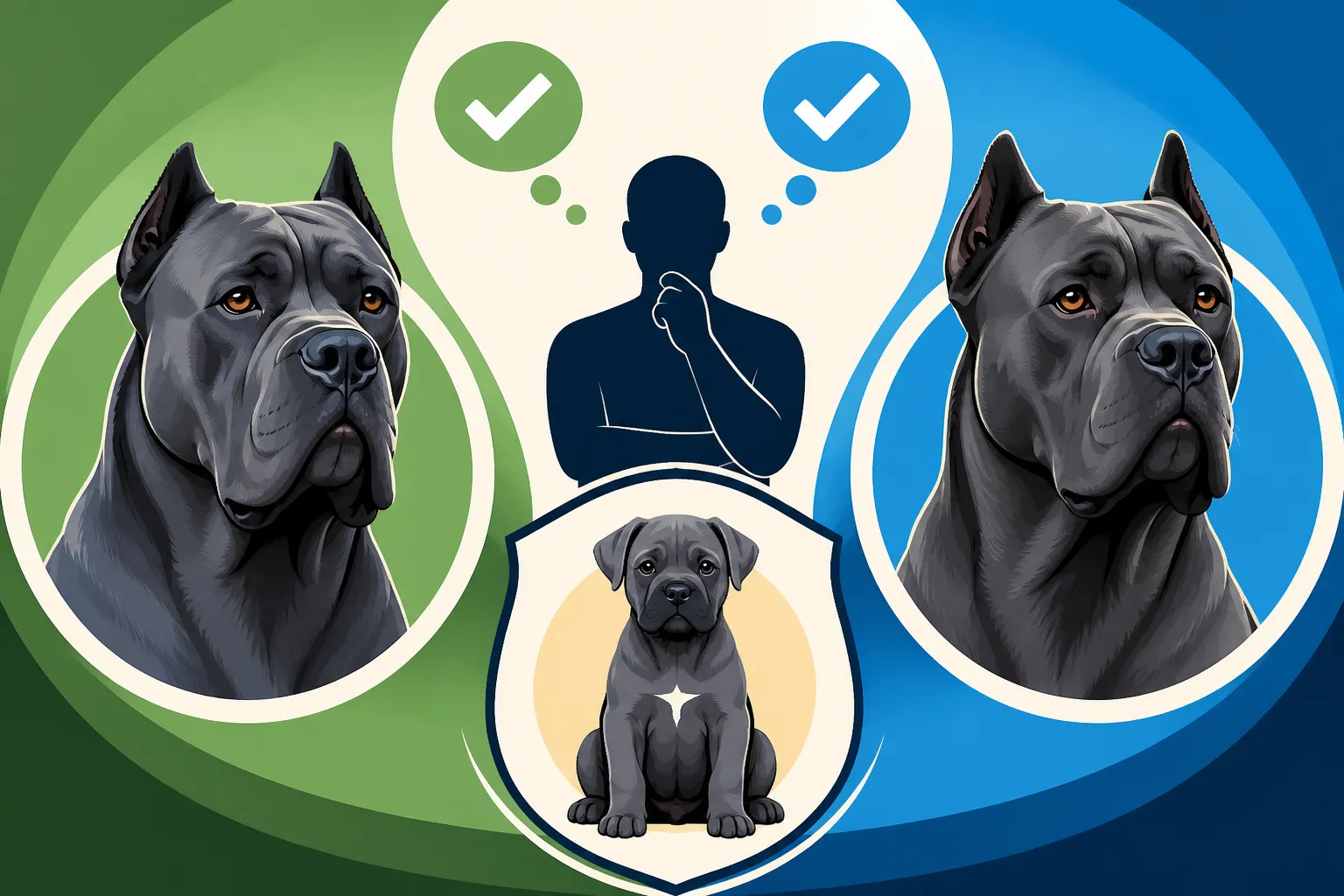
Whether a Cane Corso Breeder Should Show Both Parents
Finding the right Cane Corso puppy can feel like trying to solve a complex puzzle, especially when you’re overwhelmed with all the advice out there. One question that comes up time and again is about the parents: should a good Cane Corso breeder show you both the sire and the dam? This guide is here to help you understand why seeing both parents, or at least getting comprehensive information about an off-site parent, is absolutely critical for your future puppy's health, temperament, and your peace of mind.
The Importance of Seeing Both Cane Corso Parents
When you're looking for a Cane Corso puppy, you're not just buying a cute face; you're investing in a future family member whose traits and health will be heavily influenced by its parents. A reputable breeder understands this deeply and will be eager to show you both the dam (mother) and, ideally, the sire (father), or provide extensive information if the sire is from another kennel. This transparency isn't just a nicety; it's a non-negotiable part of responsible breeding.
Assessing Temperament and Behavior
A Cane Corso is a powerful guardian breed, and their temperament is paramount. Meeting the dam gives you a direct window into the kind of personality your puppy might inherit. Is she calm and confident, or skittish and reactive? Does she approach strangers cautiously but friendly, or is she overtly shy or aggressive? While puppies develop their own personalities, much of their foundational temperament is genetic and learned from their mother. If the sire is on-site, observing his behavior is equally valuable. You want to see dogs that are stable, self-assured, and well-socialized. A good Cane Corso should look like a dignified, serious dog, but never overtly fearful or aggressive without cause. Remember, you're looking for a dog whose temperament means it will look "boring" in public, a testament to its solid nerves.
Imagine visiting a breeder, and the mother dog shrinks away from you, tail tucked, or barks incessantly from a distance without ever settling. These are serious red flags. A Cane Corso, even one with a protective instinct, should be discerning and confident, not fearful or uncontrollably aggressive. You want a dog that can discern a real threat from a friendly visitor, not one that sees everyone as a danger. The way the parents interact with the breeder and other family members, including children and other pets, offers crucial insights into the potential for your puppy to integrate into your home. This early observation helps you avoid future challenges that might require significant investment in training, sometimes even with expensive behaviorists, especially if you want to avoid issues like a Cane Corso that barks all night at nothing.
Evaluating Health and Physical Structure
Beyond temperament, seeing the parents allows you to observe their physical health and conformation. This is where you can visually assess their structure – how they move, their gait, and their overall physique. Do they appear healthy, well-muscled, and in good condition? Are there any obvious signs of lameness, skin issues, or poor hygiene? The parents’ physical condition is a strong indicator of the care they receive and the genetic potential for their offspring.
More importantly, a responsible breeder will provide documented health clearances for both parents. These aren't just feel-good papers; they are concrete evidence that the parents have been screened for common hereditary diseases in the breed. For instance, you should expect to see certifications for hips, elbows, eyes, and heart. For a breed as prone to certain orthopedic issues as the Cane Corso, understanding Hips and Elbows a Cane Corso Must Be Cleared On is vital. Many breeders participate in programs like OFA (Orthopedic Foundation for Animals) or PennHIP to screen for hip and elbow dysplasia. Likewise, eye certifications from a veterinary ophthalmologist ensure both parents are free from hereditary eye conditions. A good breeder will also have performed The Cardiac Exam Behind a Cane Corso's Clearance to rule out inherited heart conditions. These clearances dramatically reduce the risk of your puppy developing these painful and expensive conditions later in life. Seeing these documents, and being able to verify them, is essential.
Deciphering Health Clearances and Pedigrees
It’s one thing for a breeder to say their dogs are healthy; it’s another for them to prove it with verifiable documentation. When discussing parentage, reputable breeders go beyond simply showing you the dogs. They provide a transparent history of health testing and pedigree information, which is your best defense against future heartache and unexpected vet bills.
Understanding the Spectrum of Health Testing
For Cane Corsos, a comprehensive health screening protocol for both parents is crucial. This typically includes:
- Orthopedic Clearances: Hip and elbow dysplasia are unfortunately common in large breeds. Look for OFA or PennHIP certifications for hips and OFA for elbows. A breeder should be able to show you the official certificates for both the dam and the sire, indicating a passing grade (e.g., OFA Fair, Good, or Excellent for hips, Normal for elbows). Understanding Reading a Cane Corso's Hip Grade Against the CHIC List can empower you to evaluate these results yourself.
- Eye Examinations: Annual eye exams by a board-certified veterinary ophthalmologist (recorded with CERF or OFA Eye Certification Registry) screen for hereditary eye diseases such as entropion, ectropion, or cataracts.
- Cardiac Clearances: Given the breed's predisposition to certain heart conditions, an examination by a board-certified veterinary cardiologist is important. This involves an echocardiogram to assess heart health. This is why The Cardiac Exam Behind a Cane Corso's Clearance is so important.
- Genetic Disease Testing: There are specific genetic diseases that can affect Cane Corsos. For example, Neuronal Ceroid Lipofuscinosis (NCL) and Degenerative Myelopathy (DM) are serious neurological conditions. Reputable breeders will DNA test both parents to ensure they are not affected and, ideally, not carriers for NCL, especially since breeding two carriers carries significant risk. Knowing about The Two DNA Diseases in Cane Corso Pedigrees is a vital part of your research. This type of preventative testing is an investment that responsible breeders make, and it’s a good indicator of their commitment to the breed's health.
When you purchase a puppy from health-tested parents, you're significantly reducing the chances of your dog developing these painful and debilitating conditions. This foresight can save you thousands of dollars in veterinary costs down the line, not to mention the emotional toll of caring for a sick dog. Some breeders even provide a What a Cane Corso CHIC Number Actually Certifies, indicating that the dog has undergone all recommended health screenings.
The Role of Pedigree and Breeding Ethics
Beyond health, a good breeder will discuss the pedigree of both parents. This isn't just about bragging rights; a pedigree traces a dog’s lineage, revealing ancestors known for good health, stable temperaments, and conformation to the breed standard. It helps ensure genetic diversity while maintaining breed type. A transparent breeder uses this information to make informed decisions about breeding pairs, aiming to produce puppies that improve upon their parents.
It’s equally important to discuss how the breeder approaches breeding ethics. For example, if a parent has a known health issue, even a minor one, how is that managed? If one parent has had a seizure, a good breeder would seriously consider Whether an Epileptic Cane Corso Should Ever Be Bred, particularly if the seizures are idiopathic. This discussion demonstrates a breeder's commitment to the breed's long-term health, not just a quick sale. This commitment to rigorous health testing and ethical breeding is a significant part of Why Health Testing Puts a Cane Corso Over Three Thousand dollars into the cost of a puppy, but it’s an investment that pays dividends in a healthier, happier dog.
Red Flags and What to Expect from a Responsible Breeder
When you're searching for a Cane Corso puppy, it's not just about finding a breeder; it's about finding a responsible breeder. Unfortunately, not all breeders operate with the same level of integrity, and knowing what to look out for can save you a lot of heartache and expense down the road.
Identifying Red Flags in Breeder Practices
If a breeder is hesitant or outright refuses to let you see both parents, this should immediately raise a red flag. While it's common for the sire to be from an outside kennel – an arrangement called using a "stud dog" – a responsible breeder will still provide extensive information about him. This includes:
- Comprehensive Health Clearances: Just as with the dam, you should receive copies of all health certifications for the stud dog (hips, elbows, heart, eyes, DNA tests). These should be verifiable through public databases like the OFA.
- Photos and Videos: High-quality, recent photos and videos that accurately depict the stud dog's appearance and temperament.
- Contact Information for the Stud Owner: A transparent breeder will often provide you with contact information for the stud owner, allowing you to ask questions about the dog directly. This shows an open and honest approach to their breeding program.
- Temperament Description: A detailed description of the stud dog's temperament, how he interacts in various situations, and his living environment.
Beyond the parents, be wary of breeders who:
- Are Evasive About Questions: If they answer vaguely or deflect when you ask about health testing, puppy socialization, or their breeding philosophy, consider it a warning.
- Don't Ask You Questions: A good breeder is vetting you as much as you are vetting them. They should be asking about your living situation, experience with large breeds, family dynamics, and lifestyle to ensure a Cane Corso is the right fit.
- Offer Multiple Litters Simultaneously: This can indicate a "puppy mill" operation focused on volume rather than quality and individualized care.
- Don't Have a Contract: A robust contract outlining health guarantees, return policies, and expectations for care is standard for ethical breeders.
- Pressure You for a Quick Sale: Responsible breeders prioritize finding the right homes, not moving puppies quickly.
- Don't Allow Visits: While some breeders might have restrictions for puppy health reasons (especially before initial vaccinations), they should still offer alternatives like video calls or detailed photo/video updates. For older puppies, in-person visits are crucial.
- Cannot Discuss What a Cane Corso's Guardian Instinct Actually Is: A breeder should be deeply knowledgeable about the unique temperament and protective nature of the Cane Corso and able to discuss how they nurture it responsibly.
What a Responsible Breeder Provides
A truly responsible Cane Corso breeder will act as a lifelong resource and mentor. They see themselves as stewards of the breed, not just sellers of puppies. You can expect them to:
- Provide Extensive Documentation: This includes registration papers, verified health clearances for both parents, and a comprehensive puppy health record (vaccinations, deworming schedule).
- Offer a Health Guarantee: A written guarantee against specific genetic health issues.
- Be Knowledgeable and Approachable: They should be able to answer all your questions thoroughly, openly discuss the breed's pros and cons, and guide you through the process of raising a Cane Corso.
- Show You the Living Environment: The puppies should be raised in a clean, stimulating, and loving home environment, not relegated to outdoor kennels with minimal human interaction.
- Socialize Puppies Appropriately: Early socialization is critical for a Cane Corso. Ask about how the breeder introduces puppies to different sights, sounds, textures, and people before they go home. This sets the stage for a well-adjusted adult dog and can significantly reduce The Training Bill a Cane Corso Owner Cannot Skip.
- Require a Spay/Neuter Contract for Pet Puppies: Most responsible breeders will sell pet-quality puppies on a limited registration with a spay/neuter clause. For those considering neutering, it's worth discussing Waiting Until Nineteen Months to Neuter a Cane Corso with your vet, as waiting until full maturity can benefit joint development.
- Be Available for Support: A good breeder remains a resource throughout your dog's life, willing to offer advice and support.
Considering the significant investment in time, training, and care a Cane Corso requires – from proper nutrition, which you can get delivered conveniently from services like Chewy, to potentially exploring fresh food options like Ollie, and even pet insurance from providers like Healthy Paws for those inevitable unexpected vet visits – starting with a healthy, well-tempered puppy from a reputable breeder is the best possible foundation.
The Long-Term Impact of Parental Background on Your Cane Corso
The decision you make about your Cane Corso puppy's breeder and, by extension, its parents, will resonate throughout your dog's entire life. This isn't just about the first few months; it's about a decade or more of companionship, health, and behavior that is deeply intertwined with its genetic and early environmental foundations.
Health and Longevity: A Direct Link to Parentage
When both Cane Corso parents have undergone thorough health screenings and come from lines known for longevity and robust health, you significantly increase your puppy's chances of living a full, healthy life. Without these precautions, you could be setting yourself up for frequent vet visits and potentially heartbreaking battles with inherited diseases. For example, a puppy from parents not cleared for hip dysplasia may very well develop the condition, leading to chronic pain, expensive surgeries like hip replacement, and a reduced quality of life. This is why discussing The Age a Cane Corso Can Be Hip Scored on the parents, and reviewing those results, is so important.
Similarly, genetic diseases like NCL and DM, though rarer, can be devastating. Knowing that both parents are clear of these, or that responsible breeding practices were followed when a carrier was used, offers immense peace of mind. Investing in a puppy whose parents had all their health clearances is a proactive step that can help you avoid major veterinary expenses and the emotional distress that comes with managing chronic illnesses in a large, beloved dog. Thinking ahead about pet insurance from companies like Healthy Paws can also provide a safety net for unexpected health issues, even with the best breeding.
Temperament and Trainability: Shaping Your Dog's Future
The temperament inherited from the parents plays an enormous role in how your Cane Corso will integrate into your home and community. A puppy from stable, confident parents is far more likely to develop into a well-adjusted adult, especially with consistent training and socialization. Conversely, a puppy from shy, aggressive, or overly reactive parents might struggle with confidence, anxiety, or aggression, regardless of how much effort you put into training. While training is critical – and indeed, The Training Bill a Cane Corso Owner Cannot Skip is a real consideration – it cannot entirely overcome poor genetics.
The dam's behavior during the critical early weeks also profoundly influences the puppies. Puppies learn from their mother how to interact, problem-solve, and respond to their environment. A calm, nurturing mother models good behavior, while a stressed or fearful one can inadvertently pass on those anxieties. This foundational learning period, combined with responsible early socialization by the breeder, sets the stage for a Cane Corso that is confident, trainable, and a joy to live with. For example, a well-bred and socialized Cane Corso is less likely to develop reactivity to other dogs, a common challenge many owners face.
The Broader Picture: Responsible Ownership
Choosing a breeder who is transparent about both parents' health, temperament, and pedigree is not just about avoiding problems; it's about supporting ethical breeding practices. It's about ensuring the future health and integrity of the Cane Corso breed. By demanding transparency and asking the right questions, you contribute to a culture where breeders prioritize the well-being of their dogs over profit.
When you bring home a Cane Corso, you are committing to providing a lifetime of care, which includes everything from high-quality nutrition – whether it's premium kibble available from retailers like Chewy or exploring fresh, tailored meal plans from services like Ollie – to ongoing veterinary care and training. Starting with a puppy from health-tested, temperamentally sound parents is the single best way to ensure that this significant commitment is rewarded with a happy, healthy, and well-adjusted companion who will be a loyal member of your family for years to come.
| Aspect of Parent Evaluation | Why It's Crucial | What to Look For / Ask For | Red Flags |
|---|---|---|---|
| Temperament | Predicts puppy's future behavior, crucial for a guardian breed. | Calm, confident, stable, discerning, well-socialized parents. | Shyness, aggression, hyper-reactivity, fear. |
| Physical Health | Indicates genetic predisposition for illnesses and overall well-being. | Parents in good condition, no lameness, healthy coat/eyes. | Obvious health issues, poor grooming, unkempt appearance. |
| Health Clearances | Reduces risk of hereditary diseases, saves future vet bills. | OFA/PennHIP (hips/elbows), CERF/OFA Eye, Cardiac, DNA tests (NCL, DM) for both parents. | "My vet said they're healthy," no verifiable paperwork, excuses. |
| Pedigree | Provides insight into lineage, breed type, and genetic diversity. | Multi-generational pedigree, discussion of ancestral health/temperament. | Lack of clear pedigree, focus only on "champions" without proof. |
| Breeder Transparency | Demonstrates integrity and commitment to the breed. | Openness about information, allowing visits (or virtual), asking you questions. | Evasiveness, pressure to buy, no contract, no support post-sale. |
| Living Environment | Shows how puppies are raised, impacts early socialization. | Clean, stimulating, indoor home environment for puppies. | Outdoor kennels, unsanitary conditions, lack of human interaction. |
Disclaimer
This article is for general informational purposes only and does not constitute professional advice. Laws, prices and regulations vary by location and change over time. Consult a qualified professional for guidance on your specific situation.