Keeping an Old Cane Corso’s Muscle On
It's heartbreaking to watch our majestic Cane Corsos, once so powerful and agile, start to slow down and lose that impressive muscle mass they carried so effortlessly in their youth. That undeniable sag in their top line, the way their hips seem a little bonier, or how getting up from a nap takes more effort than it used to – these are common, distressing sights for any owner of a senior giant breed. This guide is here to walk you through practical, empathetic strategies to help your aging Cane Corso maintain as much strength and muscle tone as possible, ensuring their golden years are as comfortable and dignified as they deserve.
The Reality of Muscle Loss in Your Senior Cane Corso
As our Cane Corsos transition from robust adults to dignified seniors, around the age of eight or so, we often notice changes that can be a bit disheartening. One of the most common and impactful changes is the gradual loss of muscle mass, a process medically known as sarcopenia. It's not just about aesthetics; this muscle wasting can significantly impact their mobility, balance, and overall quality of life. Understanding why it happens is the first step in addressing it effectively.
Why Muscle Atrophy Happens with Age
The natural aging process is a complex dance of cellular changes, and for our canine companions, it often involves a decline in muscle protein synthesis, coupled with an increase in muscle protein breakdown. Simply put, their bodies become less efficient at building and repairing muscle tissue. This isn't a sudden event but a slow, creeping process that can start subtly. Imagine a once powerful river slowly losing its flow; that's what's happening internally. Less physical activity, which often accompanies aging due to joint discomfort or lower energy levels, only exacerbates the problem. When muscles aren't used regularly, they waste away faster, creating a vicious cycle where discomfort leads to inactivity, which in turn leads to more muscle loss and more discomfort. This also ties into What Changes in a Cane Corso's Care After Eight as their overall needs shift.
Beyond the natural decline, hormonal changes play a role. Older dogs may experience shifts in hormones like growth hormone and insulin-like growth factor 1 (IGF-1), which are crucial for muscle maintenance and repair. Their metabolism also slows down, meaning their body might not utilize nutrients for muscle building as efficiently as it once did. It’s a multi-faceted issue, and it requires a multi-faceted approach to combat. Thinking that it's "just old age" and inevitable can lead us to miss opportunities to support our beloved companions.
Recognizing the Early Signs of Wasting
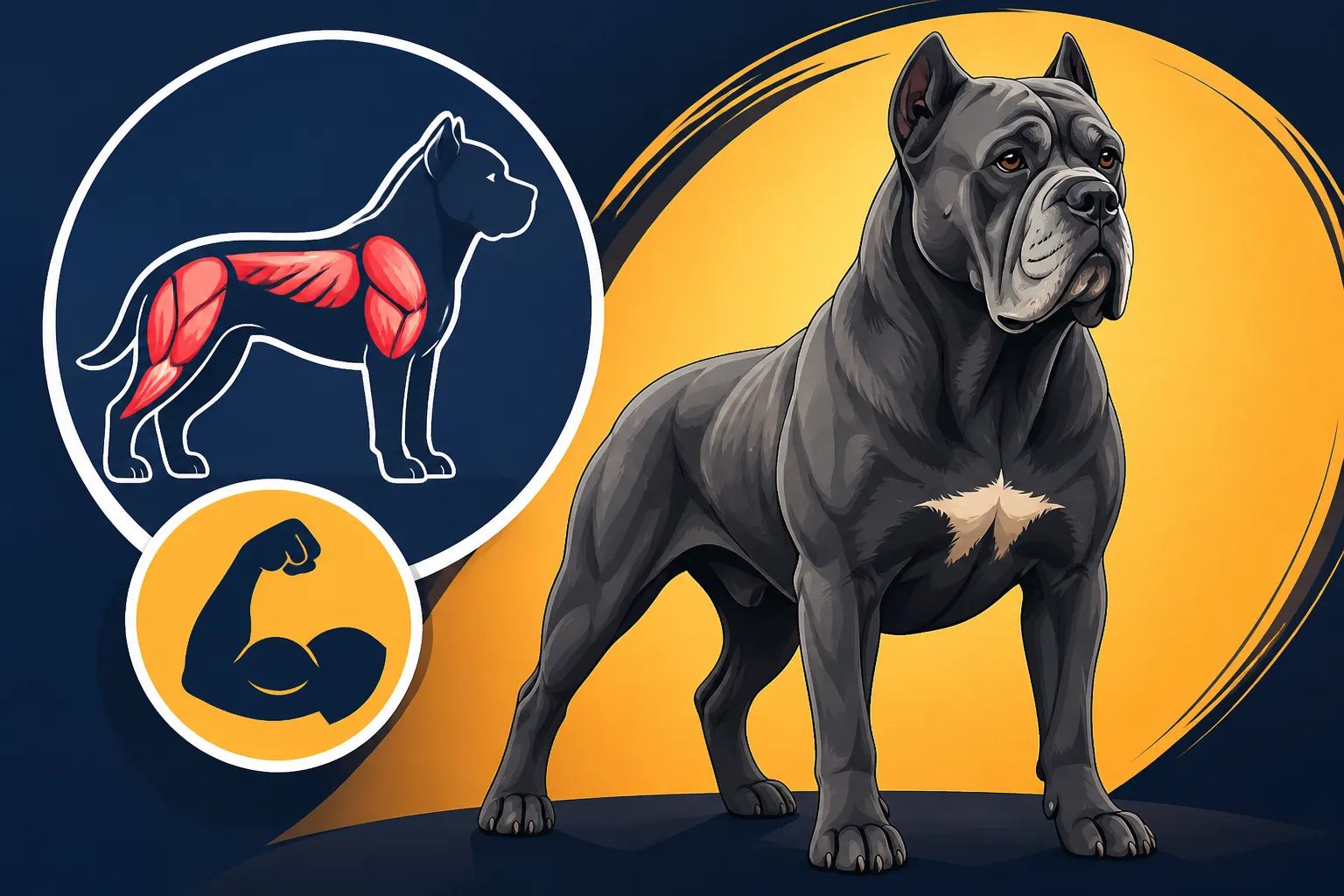
Spotting muscle loss early can make a significant difference in slowing its progression. It's not always obvious, especially with the dense coats some Cane Corsos carry, but a watchful eye can catch the subtle clues. One of the first places many owners notice it is over the hips and along the spine. You might start to see their hip bones become more prominent, or feel their spine more distinctly when you run your hand along their back. The strong, rounded musculature of their hindquarters might begin to flatten or appear less substantial. The Age a Cane Corso Is Treated as a Senior is a good time to start paying closer attention to these details.
Another tell-tale sign is a change in their gait or how they carry themselves. They might have a less confident stride, a slight shuffle, or an increased sway in their hindquarters when they walk. Getting up from a lying position, especially on slippery floors, can become a struggle. They might rely more on their front legs to push themselves up, or take a few awkward attempts before finding their footing. Sometimes, one leg might appear thinner than the other due to uneven weight bearing or an old injury that now causes more issues. Regularly checking their body condition, feeling for muscle tone, and simply observing their daily movements can provide crucial insights.
The Impact of Hidden Health Issues
While sarcopenia is a natural part of aging, it's vital to rule out or manage other underlying health issues that can contribute to or accelerate muscle loss. Arthritis and other joint diseases are prime suspects; a dog in pain will naturally reduce movement, leading to muscle atrophy. If your Cane Corso is struggling with mobility, getting an accurate diagnosis for conditions like hip or elbow dysplasia, which can worsen with age, is critical. Managing Arthritis in a Hundred Pound Cane Corso is a topic many senior Cane Corso owners find themselves grappling with.
Other medical conditions, like hypothyroidism, can also lead to lethargy and weight gain, but also muscle weakness, making it harder for your dog to stay active. Chronic diseases affecting the kidneys or heart can impact appetite and nutrient absorption, indirectly leading to muscle wasting. Even dental pain can make eating difficult, reducing nutrient intake. This is why routine veterinary check-ups are non-negotiable for senior dogs. Your vet can perform a thorough examination, including blood work What Senior Bloodwork Shows on a Cane Corso, to identify any treatable conditions that might be masquerading as "just old age" and robbing your Cane Corso of their precious muscle.
Fueling for Strength: Nutrition for the Aging Cane Corso
Just as nutrition is paramount for a growing puppy, it becomes even more critical for a senior Cane Corso trying to hold onto muscle. Their dietary needs shift significantly as they age, and what worked perfectly for their youthful vigor might actually be detrimental in their golden years. We need to think strategically about every meal to ensure they're getting the right building blocks.
Prioritizing Protein for Muscle Preservation
One of the biggest misconceptions about feeding senior dogs is that they need less protein. In reality, the opposite is often true, especially for large breeds like the Cane Corso. Due to the decreased efficiency in protein synthesis we discussed earlier, older dogs actually require a higher percentage of high-quality protein in their diet to maintain muscle mass. Think of it this way: their body is working harder to use protein, so we need to give it more to work with. Look for dog foods that list a specific meat source (like chicken, beef, or lamb) as the first ingredient, and ideally, feature multiple high-quality protein sources.
Aim for a diet with at least 25-30% protein on a dry matter basis for your senior Cane Corso. Brands like Orijen or high-quality senior formulas often meet this requirement. If you’re considering fresh food options, which can be fantastic for palatability and nutrient absorption, a company like Ollie might be a great choice. Their fresh, human-grade meals often have excellent protein content, and they portion it out based on your dog’s specific needs. Just be sure to transition slowly to avoid any digestive upset. Supplements like a muscle-building powder, rich in amino acids, can also be beneficial, readily available on platforms like Chewy or Amazon, but always consult your vet before adding new supplements.
The Role of Fats and Carbs in Senior Diets
While protein takes center stage for muscle maintenance, fats and carbohydrates still play crucial supporting roles in your senior Cane Corso's diet. Healthy fats are a concentrated source of energy, which is important as older dogs may burn calories differently. They also support joint health and a healthy coat. Look for sources like fish oil (omega-3 fatty acids) or flaxseed in their food. Omega-3s, in particular, have anti-inflammatory properties that can ease joint discomfort, encouraging more movement. Whether a Cane Corso Benefits From Joint Supplements is a topic often discussed in relation to fat and joint support.
Carbohydrates provide readily available energy, sparing protein for muscle building rather than being used as a primary energy source. However, the type and quantity matter. You don't want an excess of empty carbs that contribute to weight gain without providing much nutritional value. Complex carbohydrates like sweet potatoes, brown rice, or oats offer sustained energy and essential fiber for digestive health. Whether a Senior Cane Corso Needs Softer Food is another consideration, as softer, more digestible carbohydrates can be easier on sensitive senior stomachs and teeth. A balanced approach ensures your Cane Corso has enough energy for daily activities without overtaxing their system or adding unnecessary weight, which can stress already compromised joints.
Essential Supplements to Consider
Beyond a balanced diet, certain supplements can provide targeted support for muscle maintenance and overall well-being in senior Cane Corsos. Joint supplements are almost a given for a giant breed. Glucosamine, chondroitin, and MSM can help support cartilage health and reduce inflammation in the joints, making movement more comfortable. Brands like Cosequin or Dasuquin are widely available on Chewy and often recommended by vets. The less joint pain your Cane Corso experiences, the more likely they are to stay active, which directly helps maintain muscle.
| Supplement Category | Key Benefits | Example Ingredients/Brands | Notes |
|---|---|---|---|
| Joint Support | Reduces inflammation, supports cartilage health | Glucosamine, Chondroitin, MSM, Green Lipped Mussel | Crucial for mobility, directly impacts activity levels. |
| Omega-3 Fatty Acids | Anti-inflammatory, brain health, skin/coat health | Fish Oil, Krill Oil, Flaxseed | Can be added via oil or found in high-quality foods. |
| Protein Boosters | Supports muscle synthesis, aids recovery | Whey protein (isolate), Branch Chain Amino Acids (BCAAs) | Consult vet before adding, especially if on a high-protein diet. |
| Antioxidants | Fights cellular damage, supports immune system | Vitamins C & E, Selenium, CoQ10 | Found in fruits, vegetables, or specific senior formulas. |
| Probiotics | Aids digestion, nutrient absorption, immune health | Various probiotic strains (e.g., Lactobacillus) | Supports gut health, which is vital for overall nutrient uptake. |
Additionally, consider supplements rich in antioxidants like Vitamins C and E, which help combat cellular damage from free radicals, supporting overall health and potentially slowing down the aging process at a cellular level. For dogs with specific issues, your vet might recommend L-carnitine, which helps with fat metabolism and can support lean muscle mass. However, always have a conversation with your veterinarian before introducing any new supplement regimen, as some can interact with medications or not be suitable for all dogs. They can guide you to the most appropriate options available, whether you source them from your vet or platforms like Amazon.
Gentle Movement: Keeping Your Old Cane Corso Active
It might sound counterintuitive to talk about "movement" when your old Cane Corso is already struggling, but appropriate, gentle exercise is absolutely vital for muscle maintenance. Lying around all day, even if it's comfortable on an Orthopedic Beds Rated for a Cane Corso's Weight, will only accelerate muscle loss. The key is adaptation and consistency, focusing on quality of movement over intensity or duration.
Adapting Exercise Routines for Joint Health
When your Cane Corso hits their senior years, their joints are no longer as forgiving as they once were. High-impact activities, long runs, or strenuous play sessions that they once loved can now cause pain and further joint degeneration. This doesn't mean stopping exercise altogether; it means adapting it. Shorten walks, but perhaps increase their frequency. Instead of one long walk, try two or three shorter, gentle strolls throughout the day. This keeps muscles engaged without overtaxing their joints. How Far an Old Cane Corso Should Still Walk is really dependent on the individual dog and their comfort level.
Consider switching to softer surfaces for walks, like grass or dirt trails, which are much easier on their joints than hard pavement. Avoid steep hills or stairs if possible, especially if you notice them struggling. If stairs are unavoidable in your home, consider carrying them if they're still light enough, or using a ramp. The goal is to keep them moving in a way that is pain-free and enjoyable, promoting blood flow and muscle activation without causing further wear and tear. A physical therapist for dogs can be an invaluable resource here, providing a tailored exercise plan that addresses your specific Cane Corso's needs and limitations.
Low-Impact Activities for Strength
Even with reduced mobility, there are many fantastic low-impact activities that can help your senior Cane Corso maintain strength and muscle. Swimming, if accessible and your dog enjoys it, is arguably one of the best forms of exercise for older dogs. The water provides buoyancy, reducing stress on joints, while still allowing for a full range of motion and excellent muscle engagement. Even short sessions in a shallow pool can make a huge difference.
Leash walking, done intentionally, can be a great strength builder. Focus on slow, controlled movements. Incorporate short periods of walking on uneven surfaces like a grassy field with small dips and rises, which helps engage stabilizing muscles. Gentle uphill walks, even slight inclines, can build hindquarter strength if done carefully and without overexertion. Simple standing exercises, where you encourage your dog to stand for a few moments, or gentle weight-shifting exercises, where you gently shift their weight from side to side, can also awaken dormant muscles. These might seem trivial, but for an aging body, every little bit of controlled movement helps. You can find many ideas for these types of exercises on platforms like YouTube or from a certified canine rehabilitation therapist.
The Importance of Consistency
Whatever exercise regimen you choose, consistency is absolutely paramount. Sporadic bursts of activity followed by days of rest are less effective and can even be counterproductive, potentially leading to soreness or injury. Daily, gentle movement is far more beneficial than occasional intense sessions. Think of it like a human going to the gym; consistent, moderate effort yields better long-term results than trying to cram a month's worth of workouts into a single weekend.
Build a routine that you can realistically stick to every day. This might mean a short walk in the morning, another around lunchtime, and a final potter in the evening. On days when your Cane Corso seems a bit stiff or tired, dial back the intensity but still aim for some form of gentle movement, even if it's just a slow stroll around the yard. Consistency not only maintains muscle but also helps with joint flexibility, circulation, and mental stimulation. Remember, the goal isn't to turn back the clock to their puppyhood, but to keep them comfortable and mobile for as long as possible. Keeping them engaged, even if they aren't Working an Epileptic Cane Corso Safely or doing advanced sports, will significantly enhance their golden years.
Holistic Support for Your Senior's Well-being
Maintaining muscle in an aging Cane Corso isn't just about food and exercise; it's about a comprehensive approach to their overall health and environment. Everything from their vet care to the flooring in your home can impact their ability to stay strong and mobile.
Regular Vet Checks and Pain Management
As touched upon earlier, consistent veterinary care becomes even more critical for senior Cane Corsos. These regular check-ups allow your vet to monitor their overall health, catch potential issues early, and adjust their care plan as needed. For older dogs, blood work every six to twelve months is highly recommended to screen for conditions like kidney disease, liver issues, and thyroid problems, all of which can indirectly affect muscle mass and energy levels. Hypothyroidism in a Middle Aged Cane Corso is a particularly common issue that can cause lethargy and impact weight.
Pain management is a huge component of muscle maintenance. If your Cane Corso is experiencing chronic pain from arthritis or other conditions, they will naturally be less inclined to move, leading to muscle loss. Your vet can discuss various options, including non-steroidal anti-inflammatory drugs (NSAIDs), other pain medications, joint injections, or even newer therapies like laser therapy or acupuncture. Managing pain effectively can dramatically improve their mobility and willingness to exercise, directly supporting their muscle health. Don't let your dog suffer in silence; there are many options to improve their comfort.
Creating an Age-Friendly Environment
Our homes, often perfectly suited for a spry young dog, can become challenging environments for an aging, less agile Cane Corso. Making some simple adjustments can significantly improve their quality of life and encourage movement. Slippery floors, like hardwood or tile, are a major hazard. Consider placing non-slip rugs or runners in high-traffic areas, especially where they eat, sleep, and get up. You can find a wide variety of options on Amazon or Chewy. This extra grip can prevent falls and make it much easier for them to get up and move around with confidence.
Provide easy access to comfortable resting spots. Orthopedic Beds Rated for a Cane Corso's Weight are a must-have for senior giant breeds, offering superior support for their joints and muscles. If your Cane Corso loves to be on the couch or bed but struggles to jump up, consider investing in a dog ramp or steps. Ramps for a Cane Corso That Cannot Jump Up can be a game-changer, allowing them to continue enjoying their favorite spots without risking injury or putting strain on their joints. Ensure their food and water bowls are at a comfortable height, so they don't have to bend too much, which can be difficult for dogs with neck or back pain. These small changes can make a huge difference in their daily comfort and ability to move freely.
Monitoring Progress and Adjusting Care
Supporting your senior Cane Corso's muscle health is an ongoing process, not a one-time fix. Regular monitoring and willingness to adjust their care plan are essential. Keep a journal of their activity levels, any signs of discomfort, and changes in their appetite or weight. Pay attention to The Weight an Old Cane Corso Should Hold and discuss any significant fluctuations with your vet. Take photos or videos every few months to visually track changes in their muscle mass, especially around the hips and shoulders. Sometimes, seeing the progression (or lack thereof) can be more impactful than just feeling it.
Be flexible with their routine. Some days they might feel more energetic, and you can extend a walk slightly; other days, they might need more rest. Listen to your dog's cues and adjust accordingly. Work closely with your vet to fine-tune their diet, supplements, and pain management strategies. What works today might need tweaking in six months. The goal is to maximize their comfort and mobility for as long as possible, celebrating every strong step they take. By being proactive, observant, and dedicated, you can help your old Cane Corso enjoy their golden years with dignity and as much muscle as possible.
Disclaimer
This article is for general informational purposes only and does not constitute professional advice. Laws, prices and regulations vary by location and change over time. Consult a qualified professional for guidance on your specific situation.