The Kennel a Cane Corso Needs If It Stays Outdoors
If you're considering housing your magnificent Cane Corso outdoors, you're likely wrestling with a big decision, and it's one that many owners ponder, especially those with working lines or extensive property. But it’s not as simple as tossing a doghouse in the yard and calling it good. A Cane Corso isn't just any dog; they're substantial, sensitive, and their physical and mental well-being depend entirely on having the right kind of shelter that goes far beyond a flimsy plastic box. This guide will walk you through exactly what your Cane Corso needs in an outdoor kennel to stay safe, healthy, and happy, addressing the unique challenges and requirements of this incredible breed.
Why a Cane Corso Needs Specific Outdoor Shelter
The idea of a dog living outdoors often conjures images of robust, thick-coated breeds, but the Cane Corso, while powerful, has unique needs that set them apart. Their short, dense coats are certainly practical, but they aren't built for extreme temperature fluctuations, nor are they insulated like a husky's or a Newfoundland's. This means that if your Cane Corso is going to spend significant time outdoors, their shelter needs to be meticulously designed to protect them from the elements year-round. Ignoring these factors isn't just uncomfortable for your dog; it can actively compromise their health.
Understanding Their Coat and Cold Tolerance
A Cane Corso's coat is a marvel of efficiency for its intended purposes: protecting against brush, minor scrapes, and providing a sleek, almost waterproof barrier. However, it lacks the insulating undercoat found in many northern breeds. This means they can get cold, and quite quickly, when temperatures drop, especially if there's wind or dampness involved. I've known many owners who initially underestimated this, thinking a dog so large would shrug off the cold, only to find their Corso shivering and miserable on a chilly morning. Conversely, their dark coats can absorb a lot of heat in direct sunlight, making them prone to overheating in the summer. It's a fine balance, and their outdoor shelter is their primary line of defense. You might be surprised to learn Why a Cane Corso Shivers Below Forty Degrees.
Think about a crisp fall evening, the kind where you need a jacket. Your Cane Corso feels that chill, too. Now imagine a winter night with biting winds and snow. A basic, uninsulated doghouse just won't cut it. Their large muscle mass generates some body heat, sure, but without proper shelter, they'll be expending precious energy just to stay warm, which isn't ideal for their overall health and immune system. The same goes for intense summer heat; a structure that acts like an oven when the sun beats down can quickly lead to heatstroke. Understanding How Much Heat and Cold a Cane Corso Takes is paramount for any owner considering outdoor housing.
The Guardian Instinct and Security Needs
Cane Corsos were bred for protection, for guarding property and livestock. This inherent guardian instinct means they are highly aware of their surroundings. While this makes them excellent watchdogs, it also means their outdoor environment needs to cater to their need for security and visual access, without exposing them to unnecessary stress or potential dangers. A Cane Corso needs to feel secure in their space, not vulnerable. An outdoor kennel isn't just about shelter from weather; it's about providing a safe haven where they can relax when needed and observe their territory confidently.
A flimsy setup can make a Cane Corso feel exposed and anxious, potentially leading to excessive barking or destructive behaviors out of frustration. They thrive on having a secure base, a den that's theirs. Imagine your Cane Corso constantly pacing, worried about what's just beyond the fence, or feeling unable to retreat from perceived threats. That's not a happy, healthy dog. Their kennel needs to be robust enough to stand up to their size and strength, and secure enough that it offers both physical protection and peace of mind.
Essential Features of a Suitable Outdoor Kennel for a Cane Corso
When we talk about an "outdoor kennel" for a Cane Corso, we're not talking about a basic plastic shed or a flimsy wire crate. We're talking about a serious, purpose-built structure designed for a powerful, intelligent, and environmentally sensitive dog. This isn't an accessory; it's a vital part of their care, demanding careful consideration of materials, design, and location.
Size and Construction: Built for a Giant
First and foremost, the kennel must be appropriately sized. A Cane Corso needs to be able to stand up fully, turn around comfortably, stretch out at full length, and move a bit without feeling cramped. For a male Cane Corso who might stand 27 inches tall and weigh upwards of 120 pounds, this means a much larger space than you'd expect for an average dog. A good rule of thumb is to measure your dog from nose to tail while lying stretched out, and from paws to the top of their head while standing, then add at least 25-50% to those dimensions for the interior space.
Typical Minimum Interior Dimensions for an Adult Cane Corso Kennel:
| Dimension | Minimum (Small Corso) | Ideal (Large Corso) |
|---|---|---|
| Length | 48 inches (4 ft) | 60 inches (5 ft) |
| Width | 36 inches (3 ft) | 48 inches (4 ft) |
| Height | 36 inches (3 ft) | 48 inches (4 ft) |
| Total Area | 12 sq ft | 20 sq ft |
These are interior measurements for the sleeping area. A run would be significantly larger.
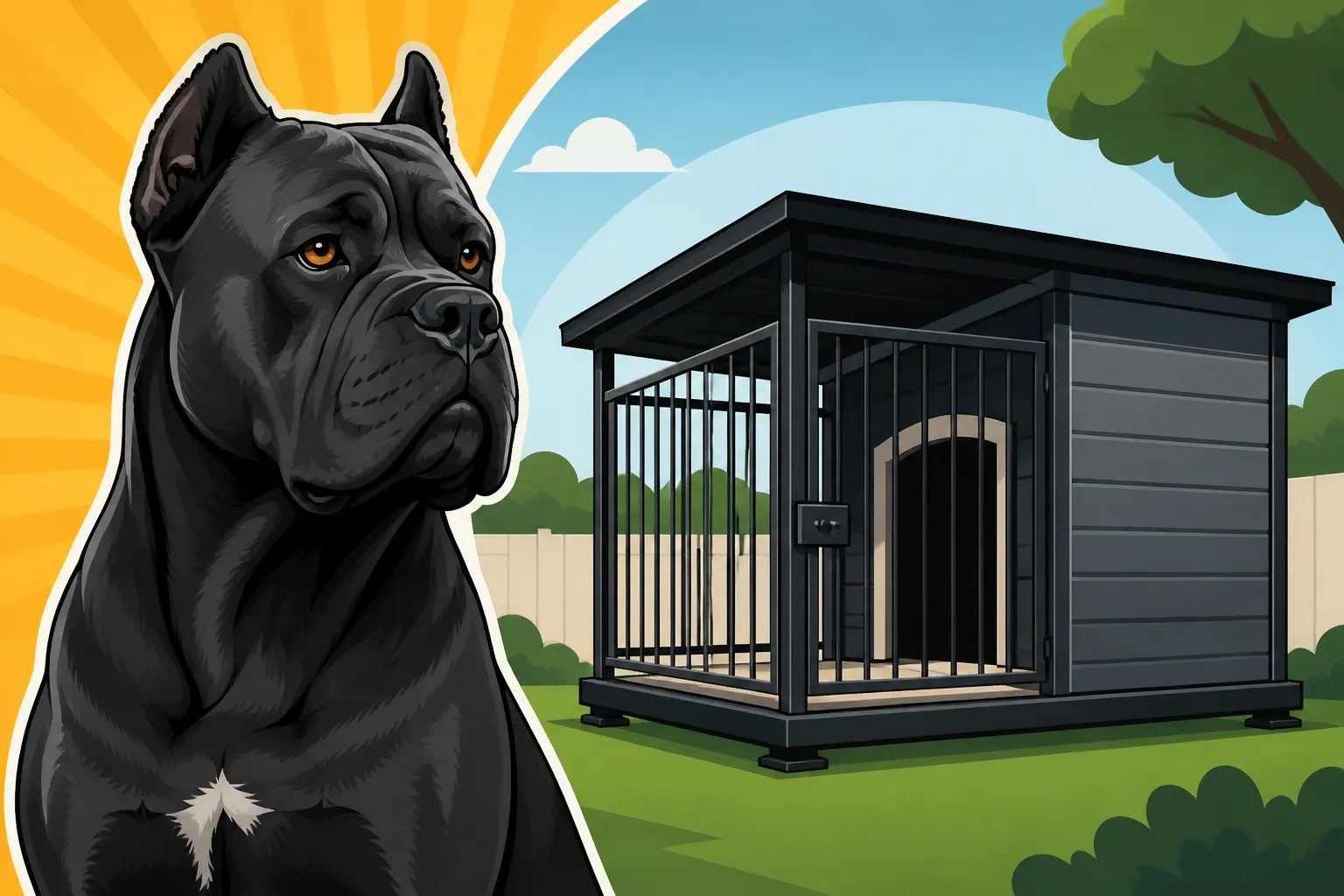
Beyond size, construction is key. A Cane Corso can be incredibly powerful, and anything less than heavy-duty will not last. Think industrial-grade materials. We're talking thick-gauge steel panels, robust wooden construction, or even poured concrete for the base. Flimsy latches will be no match for a bored or determined Corso, so invest in heavy-duty, chew-proof hardware. The flooring should be easy to clean and raised off the ground to prevent dampness and provide insulation. Concrete slabs are great for hygiene, but they must be covered with appropriate bedding and designed with drainage to prevent water pooling. Many owners opt for prefabricated heavy-duty kennel systems, and you can often find good options and accessories on sites like Chewy or Amazon.
Insulation and Climate Control
This is where many outdoor kennels fall short for a Cane Corso. Because of their coat, proper insulation is non-negotiable for protection against both cold and heat.
For Cold Weather: The kennel needs to act like a well-insulated home. This means double walls with insulation in between (foam board, fiberglass bats), an insulated roof, and a raised, insulated floor. A small, appropriately sized dog door that allows them to enter and exit but minimizes heat loss is crucial. Consider adding a self-warming bed or even a safe, pet-specific heating pad in colder climates. These aren't luxuries; they're necessities to prevent hypothermia or chronic discomfort. Remember, your Corso might be large, but they're not a polar bear.
For Hot Weather: Insulation helps here too, by keeping the interior cooler than the outside ambient temperature. However, ventilation becomes equally critical. Overheating is a serious risk for any dog, especially a deep-chested breed like the Cane Corso who can be prone to conditions like Bloat and What a Cane Corso's Deep Chest Costs if stressed by heat. The kennel needs cross-ventilation, possibly through adjustable vents high and low, to allow air to circulate without creating drafts in winter. Shade is paramount. The kennel should always be located in a spot that receives ample shade throughout the day, either from natural sources like large trees or from a well-constructed shade sail or overhang. A cooling pad or a constant supply of fresh, cool water (perhaps in a large, heavy, tip-proof bowl) is also essential.
Consider the climate where you live. If you're Keeping a Cane Corso Through an Arizona Summer, your insulation and ventilation strategy will be different than if you're in a more temperate region. The goal is to provide a consistent, moderate temperature inside, regardless of what's happening outside.
Proper Bedding and Enrichment
Even with a perfectly insulated kennel, concrete or hard flooring isn't comfortable or warm enough on its own. Your Cane Corso needs soft, supportive bedding. However, it must also be durable and easy to clean. Old blankets are tempting, but they can harbor odors and pests and are quickly destroyed or soaked. Look for heavy-duty, chew-resistant orthopedic beds, preferably with removable, washable covers. Brands available on sites like Chewy or Amazon often carry extra-large, durable options designed for giant breeds. Elevated beds are also fantastic for promoting air circulation in summer and keeping them off cold floors in winter.
Beyond comfort, an outdoor Cane Corso needs mental and physical enrichment to prevent boredom and destructive behaviors. A bored Cane Corso can quickly become a destructive one. Provide tough chew toys, puzzle feeders, and rotate them regularly to keep things interesting. Consider incorporating scent work or other mental games into their daily routine. Even if they have a large yard, a Cane Corso needs interaction and stimulation. A well-built kennel system might even incorporate an attached, covered run to give them more space to move around while still being protected. This can help prevent The Damage a Bored Cane Corso Does Indoors from simply being transferred outdoors.
Location, Security, and Routine for an Outdoor Cane Corso
Placing the kennel is more than just picking a spot; it's about strategic positioning that leverages natural protections and enhances your dog's sense of security. Beyond that, the overall security of your property and a consistent daily routine are critical to their well-being.
Strategic Placement and Overall Property Security
The location of the outdoor kennel within your yard is crucial. Ideally, it should be situated in a spot that offers natural protection from prevailing winds, intense sun, and heavy rain. A wall of the house or a sturdy shed can provide a good windbreak, for example. Morning sun can be beneficial for warmth, but the kennel absolutely needs full shade during the hottest parts of the day. Trees can provide this, but ensure they don't drop too much debris or attract pests. An overhang or extended roof on the kennel itself is also a wise addition.
Remember, the kennel is just one component of overall security. A Cane Corso's guarding instinct means they will be alert to their surroundings, but a solid, secure perimeter fence is non-negotiable. They are powerful dogs, and a standard residential fence might not be enough. Many owners find that The Fencing Height a Cane Corso Needs is higher than they initially anticipated, often six feet or more, with secure footings to prevent digging underneath. This isn't just about keeping your Corso in; it's about keeping unwanted elements out and ensuring your dog feels truly secure in their territory. If neighbors are close, also consider how placement might impact sound, as Neighbors Who Complain About a Cane Corso's Barking can become an issue if your dog is constantly agitated by passersby.
Water, Food, and Potty Routines
Consistent access to fresh, clean water is non-negotiable for any dog, but especially for an outdoor Cane Corso. In summer, water bowls can quickly become warm or evaporate, and in winter, they can freeze solid. Invest in large, heavy, tip-proof water bowls that are difficult to knock over. In colder climates, a heated water bowl (pet-safe, with a chew-resistant cord) is a lifesaver. Place the water inside the sheltered area or under an overhang to protect it from direct sun, rain, and snow.
Feeding routines should be consistent and, ideally, take place inside the kennel or a covered area. This prevents food from getting wet, attracting pests, or being scavenged by wildlife. For optimal health and to mitigate risks like bloat, a Cane Corso's meals should always be split into at least two servings a day, and they should have a period of rest before and after eating. This is critical for deep-chested breeds. If you're still deciding on their diet, remember Six to Nine Cups Across Two Cane Corso Meals is a common feeding guideline, and the quality of their food directly impacts their health.
Establishing a clear potty routine is also vital. Even with a large yard, you'll need to designate a potty area and clean it regularly. This not only keeps the environment hygienic but also encourages your Corso to maintain cleanliness around their living space.
Social Interaction and Mental Engagement
One of the biggest misconceptions about outdoor dogs is that they are content with just a yard. A Cane Corso is a social, intelligent breed that thrives on interaction with their human family. Simply having a kennel, no matter how well-appointed, is not a substitute for daily engagement. Without adequate mental and physical stimulation, they can become bored, anxious, and destructive, leading to behavioral problems. This could manifest as excessive barking, digging, or even attempting to escape.
Your Cane Corso needs dedicated time with you every single day. This means training sessions, play time, and walks. These walks, even if they have a large yard, are crucial for mental enrichment and exposure to the outside world. Even in an outdoor living situation, a Corso still needs consistent training and socialization to be a well-adjusted member of the family. Remember, The Kennel a Cane Corso Needs If It Stays Outdoors is a shelter, not a solitary confinement unit. They are not meant to be isolated.
Long-Term Considerations and Common Pitfalls
Having an outdoor Cane Corso is a commitment that extends far beyond the initial setup of their kennel. It involves ongoing maintenance, careful observation of their health and behavior, and a proactive approach to potential challenges.
Maintenance and Health Monitoring
A well-designed outdoor kennel requires regular maintenance to remain safe and hygienic. This means daily cleaning of the sleeping area, prompt removal of waste, and regular deep cleaning of the entire structure. Use pet-safe disinfectants to prevent bacterial growth and control odors. Check the kennel regularly for wear and tear – loose panels, damaged insulation, rust, or anything your Corso might have chewed on. Repairs should be addressed immediately to maintain structural integrity and safety.
Beyond the physical structure, you need to be exceptionally diligent in monitoring your Cane Corso's health. Outdoor living can expose them to different parasites, environmental allergens, and temperature-related stresses. Regular vet check-ups are more important than ever. Be vigilant for signs of illness, injury, or distress. Are they eating less? Drinking more? Are their eyes clear? Is their coat looking healthy? Even small changes can indicate a larger problem. Don't assume that because they're outdoors, they're inherently tougher or less prone to issues. In fact, they might be exposed to more environmental challenges. Ensure you adhere to a regular veterinary schedule; understand How Often a Healthy Cane Corso Sees the Vet and what those visits entail.
Social and Behavioral Challenges
While a Cane Corso's guarding nature might seem to lend itself to outdoor living, this setup can also exacerbate certain behavioral challenges if not managed correctly. Isolation can lead to barrier frustration, resource guarding, or even aggression due to a lack of proper socialization and human interaction. A dog left alone with only their territory to guard might develop an overprotective or reactive temperament.
It’s vital to continue their socialization, even if their primary living space is outdoors. Introduce them to new people, places, and appropriate dog interactions regularly and safely. Their training should be ongoing, reinforcing good manners and appropriate responses to stimuli. If you notice signs of anxiety, excessive barking, destructive behaviors, or aggression, these are clear indicators that their needs are not being met, and professional intervention from a qualified dog trainer or behaviorist may be necessary. Remember, a Cane Corso needs consistent, fair leadership and integration into the family unit, regardless of where they sleep. The Age a Cane Corso Is Counted as Old also means they might become less mobile, and an outdoor setup may need modifications as they age.
Legal and Community Considerations
Finally, owning a Cane Corso, particularly one housed outdoors, comes with legal and community responsibilities that cannot be overlooked. Breed-specific legislation (BSL) exists in some areas, potentially impacting where and how you can house your dog. Always research local ordinances regarding large breeds, outdoor kennels, noise complaints, and licensing requirements.
Beyond legalities, consider your neighbors. A perpetually barking dog, or one that appears neglected, can lead to complaints and unwanted attention. Transparency and good neighbor relations are essential. A well-maintained kennel, a quiet and well-behaved dog, and a responsible owner who addresses any concerns proactively can make all the difference. Your Cane Corso's presence, while a deterrent to some, can also be a source of anxiety for others, and managing that perception is part of responsible ownership.
Ultimately, providing an outdoor kennel for a Cane Corso is a serious undertaking that demands significant investment in time, money, and ongoing care. It's about creating a safe, comfortable, and stimulating environment that respects their unique physical and behavioral needs.
Disclaimer
This article is for general informational purposes only and does not constitute professional advice. Laws, prices and regulations vary by location and change over time. Consult a qualified professional for guidance on your specific situation.