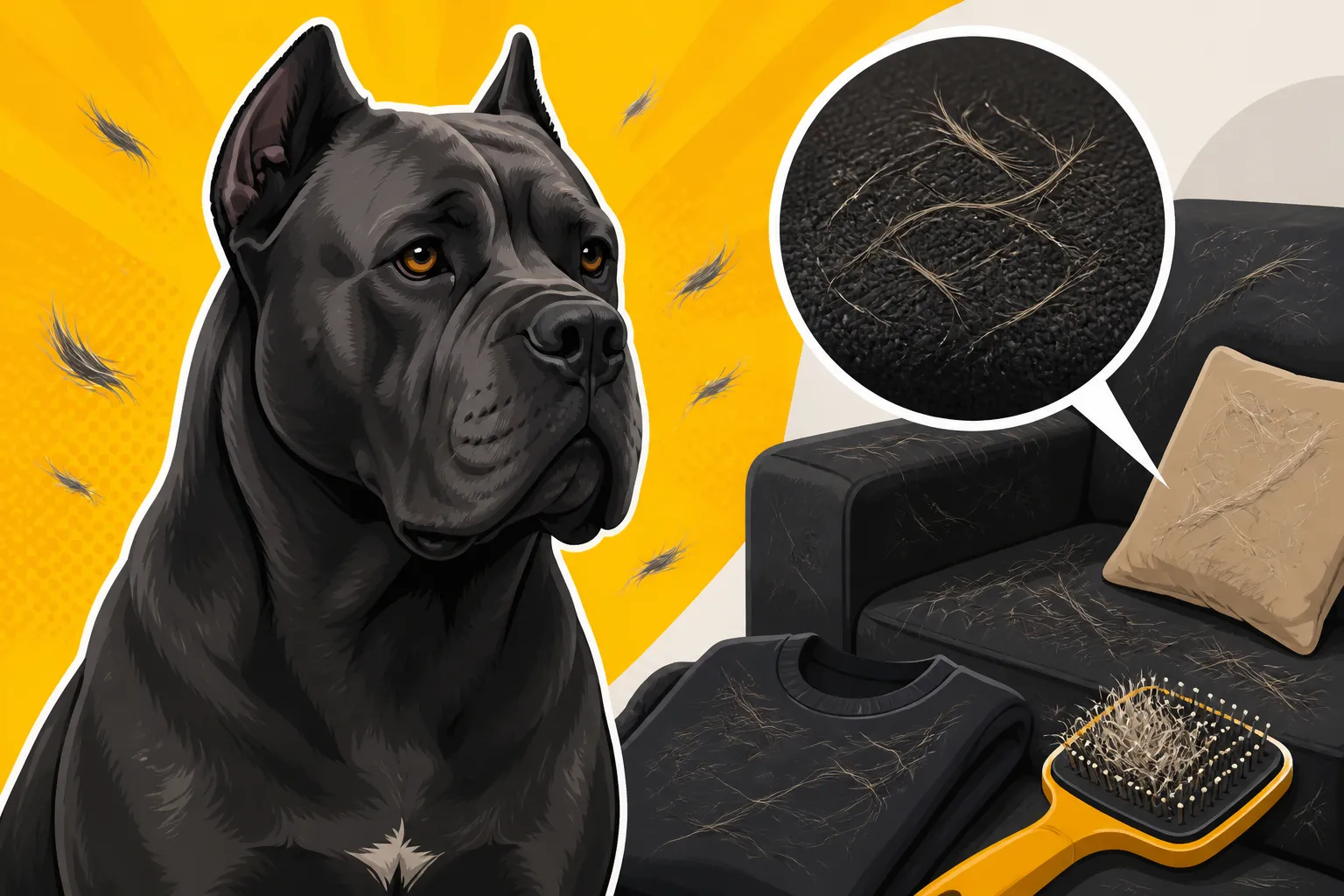
Why a Cane Corso’s Hair Sticks in Everything
If you're a Cane Corso owner, you know the struggle: you love your majestic dog, but you also feel like you live in a perpetual dust bunny tornado. That short, stiff hair seems to defy gravity, embed itself into every fabric, and become a permanent accessory on your clothes, furniture, and even your morning coffee. It’s not just shedding; it’s an adhesion problem. This guide is here to unravel the mystery of why Cane Corso hair is so persistent and what practical steps you can take to reclaim your home from the furry onslaught.
Understanding the Cane Corso Coat Type
Many people assume that a short-haired dog like the Cane Corso won't shed much, or that their hair will be less problematic than a long-haired breed. Oh, how quickly that illusion shatters once you bring one of these magnificent beasts home! The truth is, the very characteristics of the Cane Corso's coat, while seemingly low-maintenance, are precisely why its hair has such a stubborn hold on everything. It’s a unique combination that makes it both relatively easy to care for on the dog and notoriously difficult to remove from everything else.
The Double Coat's Role
Despite its short appearance, the Cane Corso actually boasts a double coat, a feature common in many working breeds designed to withstand various elements. This double coat consists of two distinct layers, each playing a critical role in both insulation and, unfortunately, shedding.
First, you have the outer layer: the guard hairs. These are the coarser, stiffer hairs you primarily see and feel. Their job is to protect the dog's skin from water, dirt, and minor abrasions. These guard hairs are what give the Cane Corso its sleek, powerful appearance. They are also, for the most part, the culprits behind the "stick-to-everything" phenomenon. Beneath this, especially noticeable during seasonal changes or in colder climates, is a finer, denser undercoat. This soft, woolly layer is for insulation, keeping your Corso warm in winter and helping to regulate their temperature in summer. While the undercoat sheds, particularly in spring and fall, it's often the individual guard hairs that cause the most persistent attachment issues in your home.
When a Cane Corso "blows its coat," which often happens twice a year, both layers are shedding. But even outside of these major seasonal events, the guard hairs are constantly turning over. This means a steady supply of stiff, straight hairs ready to detach and seek refuge in your softest sweaters. Because the coat is dense, there’s a lot of hair to go around, and even a single loose hair feels substantial and visible against many surfaces.
Texture and Density
The texture of a Cane Corso's hair is quite different from that of, say, a Labrador or a Beagle. It's short, yes, but it's also remarkably straight and stiff. Think of it less like soft down and more like tiny, rigid bristles. This particular texture is a major reason why it becomes so deeply embedded in fabrics. When these short, straight hairs fall, they act almost like miniature needles, easily pushing into the weave of upholstery, carpets, and clothing. They don't just sit on top; they work their way into the material.
The density of the coat further compounds the problem. Even though the individual hairs are short, there are a lot of them. Imagine brushing your hand over your Corso – you feel that thick, packed fur. Each one of those hairs has a life cycle, and when its time is up, it detaches. This high density means that even a normal shedding cycle releases a significant volume of hair into your environment. When these stiff, abundant hairs meet textiles, their texture and sheer numbers combine to create a powerful adhesive effect. It’s not fluffy hair that gently floats away; it’s dense, sharp hair that digs in and holds tight.
Seasonal Shedding vs. Constant Shedding
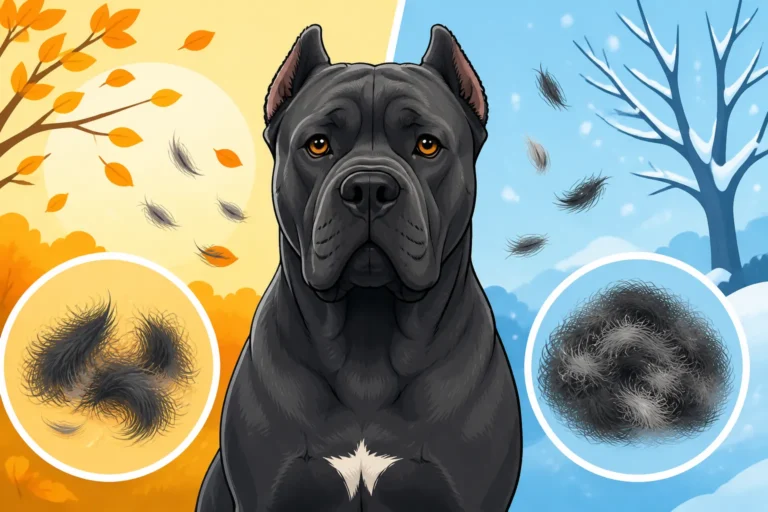
It's a common misconception that short-haired dogs only shed seasonally. While Cane Corsos certainly have their "blow out" periods, typically in spring and fall, where you'll find an alarming amount of undercoat coming off, the reality is that they shed constantly throughout the year. The guard hairs are always being replaced, so there's always a baseline level of shedding happening.
During those seasonal changes, the undercoat becomes the primary culprit, coming out in clumps and making your home feel like a fur farm. This is when dedicated deshedding tools like a Furminator or a good slicker brush really earn their keep. However, even after these intense periods, you'll still find those distinct, stiff guard hairs clinging to everything. It's this persistent, daily shedding of the guard hairs that truly defines the Cane Corso owner's battle with dog hair. You might get a temporary reprieve from the absolute worst of it, but the war on sticky hair is eternal. Understanding How Much a Cane Corso Sheds Twice a Year can help set realistic expectations for these periods.
The Mechanics of Canine Hair Shedding and Sticking
It's not just that the hair is there; it's that it seems to have a will of its own, actively seeking out and latching onto surfaces. There's some science behind this maddening stickiness, and understanding it can actually help you combat the problem more effectively. It’s a combination of physical properties and environmental factors that turn loose dog hair into a textile magnet.
Electrostatic Cling
One of the primary reasons Cane Corso hair seems to defy all attempts at removal is electrostatic cling. This is the same force that makes socks stick together in the dryer or makes your hair stand on end after rubbing a balloon on it. When your dog moves, rubs against furniture, or even just walks across a carpet, friction is created. This friction generates static electricity, causing the individual hairs to become positively or negatively charged.
When these charged hairs come into contact with oppositely charged surfaces – which is almost every fabric in your home, from your sofa to your favorite leggings – they are quite literally attracted and cling. This is why you often notice the most hair on synthetic fabrics like polyester, fleece, or nylon, which are excellent at generating and holding static charges. The hairs don't just fall off; they're electromagnetically drawn to and held by these materials. It's a silent, invisible force working against your vacuum cleaner and lint roller, making the hair feel impossibly stubborn to remove.
The "Barbed" Structure of Pet Hair
While not visible to the naked eye, individual dog hairs, including those of a Cane Corso, have a microscopic structure that contributes significantly to their ability to stick. Each hair shaft is covered in tiny, overlapping scales, similar to shingles on a roof or the barbs on a fishing hook. These scales are designed to interlock and provide texture to the coat, but they also act as microscopic anchors when the hair detaches.
When a Cane Corso hair falls onto a fabric, these tiny scales catch and snag on the individual fibers of the material. Instead of sliding off smoothly, the hair becomes entangled, embedding itself deep within the weave. This is particularly true for natural fibers like cotton, wool, and linen, which have a more open and fibrous structure for these scales to grip. The short, stiff nature of Cane Corso hair means it can push its way into tight weaves, making it exceptionally difficult to dislodge with just a quick brush or shake. It's this "barbed" structure that truly makes the hair feel like it's been glued into place.
Common Surfaces Where Hair Clings Most
You’ve probably noticed that Cane Corso hair isn’t an equal-opportunity cling-on; it has its favorite haunts. Understanding where it loves to stick the most can help you target your cleaning efforts.
- Upholstery and Carpets: These are the primary battlegrounds. Sofas, chairs, rugs, and car seats are all prime targets. Their fibrous nature and the constant friction from pets and people make them magnets for dog hair. Velvets, microfibers, and tightly woven carpets seem to be particularly adept at holding onto those stiff hairs.
- Clothing: Your wardrobe quickly becomes a display of your dog's presence. Wool, fleece, denim, and knitted fabrics are notorious. Even a quick snuggle with your Cane Corso can leave you looking like you've been rolling in a fur pile. Dark clothing, especially black, acts as a cruel spotlight for every stray hair.
- Bedding: If your Corso is allowed on the bed (and let's be honest, whose isn't?), your sheets, duvets, and pillows will collect hair rapidly. The warmth and static generated from tossing and turning create an ideal environment for hair to settle in.
- Car Interiors: The fabric seats and carpeted floors of your vehicle are often the worst offenders. The confined space and friction from movement make it a notorious hair trap.
Different materials offer varying levels of resistance. Smooth, non-static surfaces like leather or polished wood are much easier to wipe clean. However, the vast majority of our living spaces are filled with textiles that welcome and entangle dog hair with open arms.
Managing Cane Corso Hair in Your Home and On Yourself
Okay, so we understand why the hair sticks. Now, let’s talk about how to fight back. Managing Cane Corso hair is less about elimination and more about strategic reduction and removal. It's a multi-pronged approach that combines diligent grooming, smart cleaning habits, and a bit of environmental foresight. You'll never be entirely hair-free, but you can definitely achieve a much more manageable level of fur.
Regular Grooming Practices
The first line of defense against rampant Cane Corso hair is to get it off the dog before it has a chance to spread throughout your home. This means consistent, effective grooming.
- Daily Brushing with the Right Tools: A good deshedding tool is your best friend. Look for options like a sturdy rubber curry brush or a specialized deshedding rake that can reach past the guard hairs to remove loose undercoat. Products available on platforms like Amazon or Chewy are often well-reviewed by other large dog owners. Brushing for 10-15 minutes daily, especially during peak shedding seasons, can make a monumental difference. You’ll be shocked by how much hair you can pull off your "short-haired" dog. Regularly using a tool that targets the undercoat helps to mitigate the impact of Getting a Brush Through a Cane Corso's Dense Undercoat.
- Bathing and Conditioning: While Cane Corsos don't need frequent baths – in fact, bathing too often can strip their natural oils and potentially worsen skin issues – a well-timed bath during shedding season can help loosen and remove a lot of dead hair. Use a good quality shampoo and conditioner designed for dogs. After rinsing, a thorough brushing while they are still damp, and then again when dry, can pull out a surprising amount of loose fur. Remember, How Rarely a Cane Corso's Short Coat Needs Washing is generally true, but strategic baths can be helpful. For those difficult times, consider options like a walk-in shower or a professional groomer, as Bathing a Cane Corso in a Home Shower can be quite the undertaking for a large breed.
- Professional Grooming: Even if you do most of the grooming yourself, a professional groomer can sometimes access tools or techniques, like high-velocity dryers, that are incredibly effective at blowing out loose undercoat without causing irritation. It might be worth a trip a couple of times a year, particularly right before those big seasonal sheds. They often have experience with powerful deshedding solutions and can recommend Which Tool Pulls a Cane Corso's Undercoat Out most effectively for your dog.
Strategic Cleaning Methods
Once the hair has made its way into your home, you need effective strategies to remove it. Standard cleaning methods often fall short against the stubborn cling of Cane Corso hair.
- Vacuuming Power: Invest in a powerful vacuum cleaner specifically designed for pet hair. Look for models with strong suction, good filtration (HEPA filters are a bonus for allergies), and attachments like a motorized brush head for upholstery. Regular, even daily, vacuuming of high-traffic areas and furniture is crucial. Don't just skim the surface; press down and move slowly to allow the suction to work its magic.
- Rubber Tools for Upholstery and Carpets: For embedded hair on furniture, carpets, and car interiors, rubber is your secret weapon. A rubber broom, rubber gloves, or even a squeegee can be incredibly effective. Rubbing these tools over the fabric creates friction that balls up the hair, making it easier to pick up or vacuum. These work wonders where your vacuum brush might miss.
- Laundry Day Tactics: When washing items covered in dog hair, use a dryer sheet in the dryer. The static cling helps to pull the hair off the fabric and into the lint trap. For heavily soiled items, a quick tumble in a dryer on a no-heat setting for 10-15 minutes before washing can remove a lot of loose hair, preventing it from clogging your washing machine or redepositing on other clothes. Consider adding a cup of white vinegar to the rinse cycle; it can help relax fabric fibers and release hair.
- Lint Rollers and Reusable Alternatives: Keep lint rollers everywhere – by the door, in your car, in your purse. They are invaluable for quick touch-ups on clothing before you leave the house. For a more eco-friendly and long-term solution, consider reusable lint rollers or specialty pet hair removal brushes, which you can often find on Chewy or Amazon.
- Air Purifiers: While not a direct hair removal tool, a good air purifier can help capture airborne pet dander and some lighter hairs, improving overall air quality and potentially reducing the amount of hair that settles on surfaces.
Environmental Management
Beyond grooming and cleaning, there are steps you can take to make your living environment less hospitable to clinging dog hair.
- Protective Covers: Drape washable throws or blankets over your furniture, especially your Corso’s favorite napping spots. These act as a barrier, collecting the hair instead of your expensive upholstery. You can simply shake them out or toss them in the wash frequently. This is much easier than deep cleaning a sofa weekly.
- Flooring Choices: If you’re building or renovating, consider flooring types that are easier to clean. Hardwood, tile, or laminate floors are far superior to carpet when it comes to dog hair. Hair tends to collect in corners and under furniture, making it easier to sweep or vacuum into one spot.
- Designated Dog Areas: Create specific, easy-to-clean areas for your Cane Corso to rest and sleep. Provide comfortable, washable dog beds that can be easily de-haired and laundered. If your dog has a "spot," make sure it's manageable.
- Regular Dusting: Dust surfaces regularly with a microfiber cloth or an electrostatic duster. These tools are designed to attract and trap dust and hair, rather than just pushing it around. Wipe down hard surfaces, baseboards, and shelves where hair tends to accumulate.
| Tool Type | Best Use Case | Effectiveness for Cane Corso Hair | Key Benefit |
|---|---|---|---|
| Deshedding Rake | Removing loose undercoat from the dog | Very High | Targets the dense undercoat before it sheds |
| Rubber Brush/Glove | Daily grooming, loosening surface hair | High | Gathers hair into clumps, gentle on skin |
| Pet Hair Vacuum | Carpets, rugs, upholstery | High | Strong suction, specialized attachments |
| Rubber Broom/Squeegee | Deeply embedded hair on carpets/upholstery | Very High | Creates friction to ball up embedded hairs |
| Lint Roller | Quick clothing touch-ups, light upholstery | Moderate | Convenient, good for surface hairs |
| Microfiber Cloth | Dusting hard surfaces, wiping fur from floors | High | Traps hair and dust, doesn't just spread it |
| Washer/Dryer (w/ sheets) | Bedding, washable throws, dog covers | High | Removes hair in laundry cycle, collects in lint trap |
Diet, Health, and Hair Quality
Sometimes, persistent or excessive shedding that seems worse than usual can be a sign of underlying issues beyond just the natural properties of the Cane Corso coat. What goes into your dog's body, and their general state of health, directly impacts the quality of their skin and coat. A healthy coat sheds less and is often easier to manage.
The Link Between Nutrition and Coat Health
A high-quality diet is fundamental for a healthy skin and coat. Just like humans, dogs need proper nutrition to maintain their bodily functions, and that includes hair growth and maintenance.
- High-Quality Protein: Hair is primarily made of protein, so a diet rich in easily digestible, high-quality animal protein is essential. Look for dog foods where meat is the first ingredient, not fillers or by-products.
- Omega Fatty Acids: Omega-3 and Omega-6 fatty acids are crucial for skin and coat health. These "good fats" help keep the skin hydrated and supple, reducing dryness and irritation that can lead to excessive shedding. Many dog foods include these, but you might consider supplements like fish oil. This is often recommended when a Cane Corso owner asks Whether Fish Oil Settles a Cane Corso's Itchy Skin. Brands like Chewy and Amazon offer a wide range of supplements, and some fresh food providers like Ollie often formulate their meals with optimal fatty acid ratios.
- Vitamins and Minerals: Biotin, zinc, and vitamins A and E are all important for skin and coat health. A complete and balanced dog food should provide these in adequate amounts. If your dog is on a balanced, commercial diet and still shedding excessively, consult your vet about potential deficiencies.
Poor nutrition can manifest as a dull, dry, brittle coat that sheds more frequently and excessively. The hairs themselves might be weaker and more prone to breaking, which just adds to your hair problem. Ensuring your Cane Corso is eating a diet that supports optimal skin and coat health is a long-term strategy for reducing overall shedding.
Underlying Health Issues Affecting Shedding
While some shedding is entirely normal for a Cane Corso, a sudden increase, bald patches, a dull or greasy coat, or skin irritation could signal a health problem that needs veterinary attention. Don't just assume it's "just shedding"; sometimes it's a symptom.
- Allergies: Environmental or food allergies are very common culprits for excessive shedding, itching, and poor coat quality. If your Cane Corso is constantly scratching, chewing, or developing hot spots, allergies might be at play. Your vet might suggest An Elimination Diet for an Itchy Cane Corso or prescribe medication to manage the symptoms. Be aware that Skin Allergies That Flare on a Cane Corso can lead to noticeable changes in their coat.
- Parasites: Fleas, ticks, mites (like those causing Demodectic Mange on a Young Cane Corso), and other external parasites can cause intense itching, leading to hair loss and a compromised coat. Regular parasite prevention is key.
- Hormonal Imbalances: Conditions like hypothyroidism (an underactive thyroid) can lead to a dry, brittle coat, thinning hair, and excessive shedding. Your vet can perform blood tests to check for such imbalances.
- Stress and Anxiety: Just like people, dogs can shed more when stressed. If your Cane Corso is experiencing anxiety, you might notice an increase in shedding, alongside other behavioral changes. Addressing the root cause of stress is important.
- Other Medical Conditions: Kidney disease, liver disease, or even certain cancers can impact coat health. If you notice any other concerning symptoms along with changes in shedding, always consult your veterinarian. Certain coat colors, like gray, can sometimes be predisposed to skin issues; understanding Why a Gray Cane Corso Gets More Skin Trouble might offer additional insights specific to your dog.
It's tempting to focus solely on external solutions for hair management, but remember that a healthy Cane Corso, both inside and out, will naturally have a healthier coat that sheds within normal parameters. If you're concerned about your dog's shedding, a trip to the vet is always a good idea to rule out any underlying health issues.
Disclaimer
This article is for general informational purposes only and does not constitute professional advice. Laws, prices and regulations vary by location and change over time. Consult a qualified professional for guidance on your specific situation.