The Protein a Growing Cane Corso Should Not Exceed
It's a common worry for new Cane Corso owners, and honestly, a valid one: you've heard that too much protein can be bad for growing giant breed puppies, causing them to grow too fast and develop joint issues. This concern is often whispered among dog enthusiasts, leaving you second-guessing every kibble choice. But the truth is, understanding a Cane Corso puppy's protein needs is a bit more nuanced than just a simple percentage. This guide will help you understand what "too much" protein really means for your growing Mastino, ensuring they get the right nutrition for a long, healthy life.
The Protein Paradox for Growing Giants
For years, a persistent myth circulated that high protein diets were the primary culprit behind orthopedic problems in large and giant breed puppies like our beloved Cane Corsos. The theory was that a rapid intake of protein would accelerate growth, putting undue stress on developing joints and leading to conditions like hip or elbow dysplasia. This often led well-meaning owners to seek out incredibly low-protein foods, sometimes even feeding adult dog food to puppies, thinking they were doing the right thing. It's a tricky situation because you just want to protect your puppy, and misinformation can be really convincing.
However, modern veterinary nutrition has largely debunked this specific protein-centric fear. While it's absolutely true that rapid growth can exacerbate orthopedic issues, the primary driver behind unhealthy rapid growth isn't usually protein itself. Instead, it's typically an excess of calories, often coupled with an imbalance of calcium and phosphorus. Think of it this way: your puppy's body is like a meticulously planned construction project. Protein provides the building blocks (amino acids), but if you flood the site with too many overall resources (calories), the construction happens too quickly, leading to structural flaws.
Dispelling the Rapid Growth Myth
The real danger to a growing Cane Corso's joints isn't a high protein diet in isolation, but rather an overfeeding situation that provides an abundance of calories, making them grow faster and heavier than their skeletal system can comfortably support. A puppy growing too quickly often translates to a puppy carrying too much weight too soon, which places immense strain on immature bones and joints. This is particularly critical during the intense growth phases our Cane Corso puppies experience. The Growth Curve a Cane Corso Follows to Nineteen Months is a truly monumental journey, and managing it carefully is paramount.
Responsible breeders and veterinary specialists now emphasize controlled growth rates, achieved primarily through careful calorie restriction rather than strictly limiting protein. The goal is to let the puppy grow at a steady, moderate pace, giving their bones and cartilage ample time to develop and strengthen without being overloaded. This means choosing a high-quality, balanced diet specifically formulated for large or giant breed puppies, and, crucially, adhering strictly to feeding guidelines and regularly assessing your puppy's body condition. You want your Cane Corso to be lean, not chunky, during this vital stage.
The Role of Calcium and Phosphorus
When we talk about skeletal development in large breed puppies, the discussion almost immediately turns to the delicate balance of calcium and phosphorus. This duo is absolutely critical for bone formation, and getting the ratio wrong can have serious consequences, regardless of the protein content. Too much calcium, or an incorrect calcium-to-phosphorus ratio, can interfere with normal bone remodeling and growth, potentially leading to developmental orthopedic diseases. It’s a common frustration that you’re trying to do everything right, and these micronutrients are so easy to get wrong if you’re not careful.
For large and giant breed puppies, a calcium-to-phosphorus ratio generally falls within a specific, narrow range, typically around 1.1:1 to 1.5:1. Most high-quality commercial large breed puppy foods are meticulously formulated to meet these precise requirements. This is why adding calcium supplements, milk, or other high-calcium human foods to a commercially prepared diet can be incredibly risky. It can easily throw off that crucial balance, even if the protein content of the food itself is appropriate. Understanding The Calcium Ratio in a Cane Corso Puppy's Bowl is far more important than worrying solely about protein percentage.
What "Not to Exceed" Really Means in Dog Food
So, if protein isn't the primary enemy, what are we looking for in a quality diet for our growing Cane Corso? The phrase "the protein a growing Cane Corso should not exceed" isn't about an upper limit on the percentage of protein as much as it is about ensuring overall dietary balance to prevent excessive calorie intake and mineral imbalances. It's less about a hard cap and more about selecting a diet that supports steady, healthy development.
Many excellent large breed puppy foods will have protein percentages that might surprise you if you're still holding onto the old "low protein" myth. These foods are designed to provide highly digestible, bioavailable protein from quality sources, which is essential for muscle growth and repair, immune function, and overall health. The key isn't just the percentage, but the quality of the protein and how it's integrated into a complete and balanced nutritional profile. When you're browsing options on a site like Chewy or exploring brands on Amazon, look beyond just the protein number.
Decoding Guaranteed Analysis
When you pick up a bag of dog food, you'll see a "Guaranteed Analysis" panel. This lists the minimum percentages of crude protein and crude fat, and maximum percentages of crude fiber and moisture. For protein, it's usually listed as a "minimum," meaning there's at least that much. To truly compare protein levels between dry kibble and wet food, or even different kibbles with varying moisture content, you need to calculate the "dry matter basis." This removes the water content from the equation, giving you a truer comparison.
For example, a kibble with 10% moisture and 28% crude protein actually has closer to 31.1% protein on a dry matter basis (28% / 0.90 = 31.1%). This calculation helps you understand the actual nutrient density. Most large breed puppy foods will fall within a reasonable range, typically somewhere between 25% and 32% crude protein on a dry matter basis, alongside appropriate fat and mineral levels. The formulation of these foods is critical, as it aims to provide everything your Cane Corso needs to grow strong without encouraging unhealthy rapid development.
The Sweet Spot: Ranges for Optimal Growth
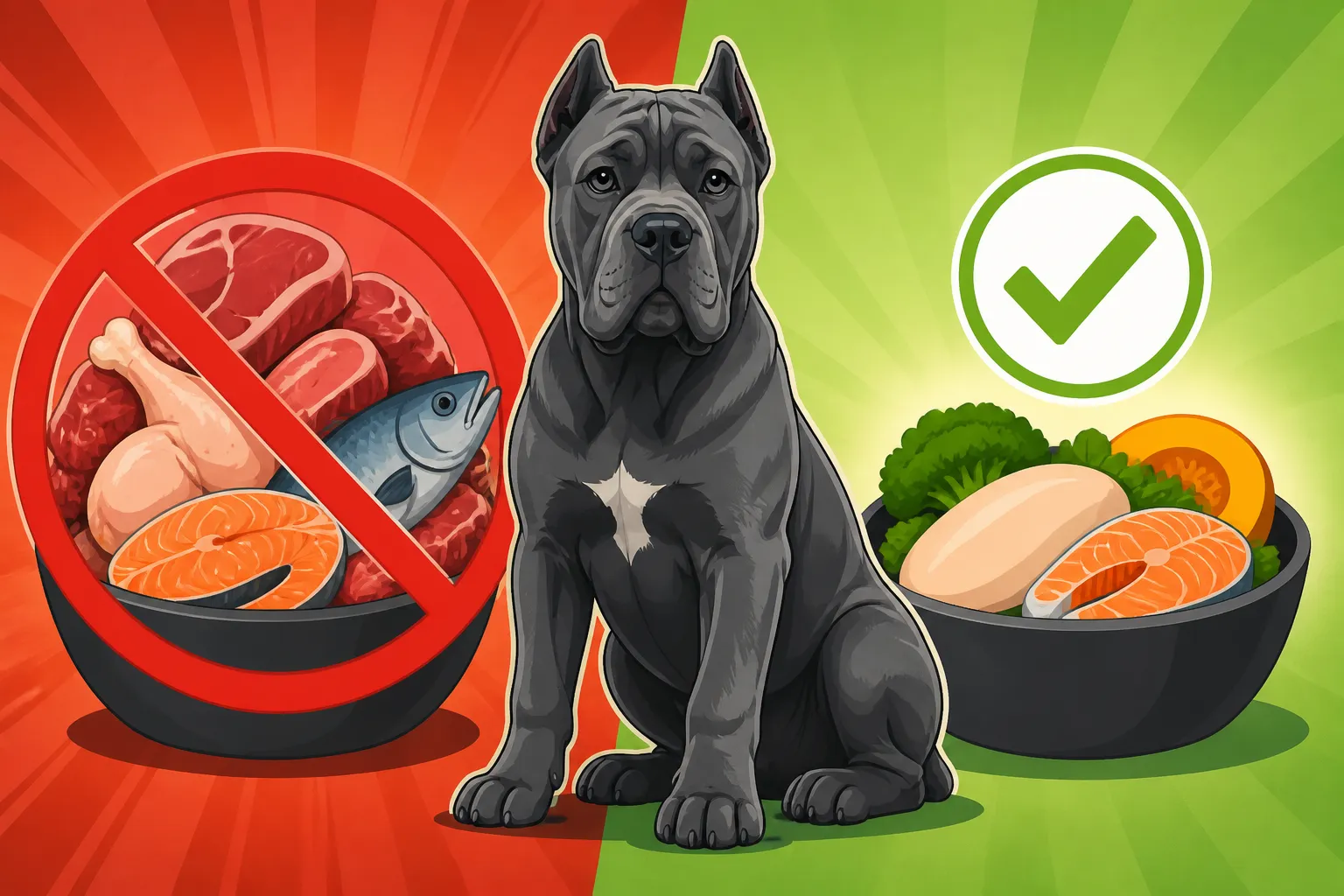
So, what's a good target? For a growing Cane Corso puppy, a high-quality large breed specific puppy food usually contains around 25-32% crude protein (on a dry matter basis). The critical point here is quality protein from identifiable animal sources like chicken, beef, lamb, or fish, not just filler. These ingredients provide the essential amino acids necessary for robust muscle and tissue development without necessarily pushing excessive growth in the way high calorie density does.
Remember, the goal is controlled growth. A diet perfectly balanced for a giant breed puppy will provide adequate protein for muscle development, appropriate fat for energy, and a precise calcium-to-phosphorus ratio for skeletal health. It's a delicate dance, and reputable pet food companies spend a lot of time and research getting it right. Brands often specify on their packaging that they are formulated for large or giant breed puppies, which is your first clue that they've taken these special needs into account. When selecting food, always choose one that explicitly states it meets the nutritional levels established by the AAFCO Dog Food Nutrient Profiles for "growth" or "all life stages," with a special emphasis on "large breed puppies."
Beyond the Bag: Factors Influencing Protein Needs
While the dog food bag gives you a good starting point, a Cane Corso's protein needs aren't just a static number. Your individual puppy's activity level, their specific growth stage, and even their unique metabolism can all play a role in how their body utilizes the nutrients they consume. It's not a one-size-fits-all situation, and being observant and flexible is key to successful puppy rearing. This is where the art of dog ownership truly meets the science of nutrition.
Every Cane Corso is an individual, and while breed standards give us a general outline, their growth and development can vary. A puppy that's naturally more rambunctious might burn through calories differently than a more laid-back sibling. Plus, the sheer duration of their growth period means their needs evolve over time. You’re not just feeding a baby; you’re fueling a future giant.
Activity Levels and Growth Phases
A Cane Corso puppy isn't just a mini-adult; they are a creature undergoing incredible physiological changes. Their protein and calorie needs will fluctuate as they move through different growth phases. During intense growth spurts, they might naturally need a bit more energy and building blocks. However, even during these periods, it's about providing enough fuel, not excessive fuel. The Two to Four Pounds a Cane Corso Puppy Gains Weekly is a lot of growth, and it requires sustained, balanced nutrition.
A highly active Cane Corso puppy involved in structured play or early training might naturally have a higher caloric output than a less active one. However, it's vital to remember that strenuous, high-impact exercise is generally discouraged for large breed puppies to protect their developing joints. How Much Walking a Cane Corso Puppy Should Do at a young age is limited to protect their growing bones. The protein they consume supports muscle development for healthy activity, but again, overdoing the calories to "match" high activity is where problems can arise. Adjusting food intake based on body condition and actual energy expenditure, rather than solely on protein percentage, is the wise approach.
Individual Variation and Vet Guidance
No two Cane Corsos are exactly alike, even from the same litter. Genetics, metabolism, and even their environment can all play a part in how they grow and process food. One puppy might thrive on a food that another struggles with. This is why regular veterinary check-ups are absolutely indispensable during your Cane Corso's growth period. Your vet can monitor their weight gain, assess their body condition, and help you determine if your chosen diet is truly meeting their needs.
If you ever feel uncertain about your puppy's growth rate or their diet, don't hesitate to reach out to your veterinarian. They can provide tailored advice and ensure your Cane Corso is on the right track. They might recommend specific brands or formulations, or even suggest slight adjustments to feeding amounts. While some companies, like Ollie, offer personalized meal plans, it’s always wise to discuss any major dietary changes or concerns with a veterinary professional, especially for a giant breed puppy with such specific developmental needs.
Common Pitfalls and How to Avoid Them
Even with the best intentions, it's easy to fall into common traps when feeding a growing Cane Corso. The sheer size of these puppies can make owners feel like they need to be constantly topped up, but this often leads to the very issues we're trying to avoid. Understanding these pitfalls and how to steer clear of them is crucial for setting your Cane Corso up for a healthy future.
You want your Cane Corso to be robust and strong, but that doesn't mean fat. The temptation to indulge a growing puppy can be strong, especially when they give you those adorable, pleading eyes, but discipline at mealtime is one of the greatest gifts you can give them.
Overfeeding, Not Overtraining
This is perhaps the biggest pitfall: overfeeding. As discussed, it's typically an excess of calories that drives unhealthy rapid growth and weight gain, not an excess of protein within a balanced diet. A chunky Cane Corso puppy might look cute, but that extra weight puts enormous strain on their developing joints, increasing the risk of conditions like hip and elbow dysplasia. Why a Chunky Cane Corso Puppy Risks Its Elbows is a serious concern, and one that diligent owners must actively prevent.
Instead of focusing on arbitrary protein limits, focus on keeping your Cane Corso puppy lean. You should be able to easily feel their ribs without seeing them prominently, and they should have a discernible waist when viewed from above and the side. Regularly Checking a Cane Corso's Ribs With Your Hands is a simple yet effective way to monitor their condition. Feed according to the guidelines on your chosen large breed puppy food, but always adjust based on your puppy's individual metabolism, activity level, and body condition score. It’s a lot harder to slim down an overweight adult Cane Corso than it is to prevent them from becoming overweight as a puppy. Why a Lean Cane Corso Keeps Its Hips Longer is a mantra every Cane Corso owner should live by.
Supplementation Risks
Another common mistake is adding extra supplements to an already complete and balanced commercial puppy food. While you might think you're giving your Cane Corso an extra boost of vitamins, minerals, or even protein, you could inadvertently be throwing off the precise nutrient balance of their diet. This is especially true for calcium supplements, which, as we've already covered, can have detrimental effects on skeletal development if given in excess or in the wrong ratio.
Unless specifically recommended by your veterinarian to address a diagnosed deficiency or condition, avoid adding supplements. Your high-quality large breed puppy food is formulated to provide everything your growing Cane Corso needs. If you're concerned about a specific nutrient, discuss it with your vet. They can guide you on whether supplementation is necessary and, if so, what type and dosage would be appropriate without causing harm. Remember, sometimes less is more when it comes to puppy nutrition.
Monitoring Your Puppy's Condition
The best way to ensure your Cane Corso puppy is receiving appropriate nutrition is through consistent monitoring of their overall health and body condition. This isn't just about weight on a scale, but how they look and feel. Are they energetic and playful? Is their coat shiny? Are their stools firm and consistent? These are all indicators of good health. Whether a Cane Corso Puppy Can Look Too Thin is also a concern; you want a healthy lean, not an emaciated one.
Regularly check their body condition score, feel for their ribs, and note any changes in their gait or energy levels. Keep a growth chart if you're really dedicated, tracking their weight and height to ensure they're growing at a steady, moderate pace, not experiencing sudden, rapid growth spurts. Your veterinarian is your best partner in this journey, so be open and honest about your puppy's diet and any concerns you have. They are there to help you raise a healthy, magnificent Cane Corso.
| Growth Indicator | What to Look For (Ideal) | What to Avoid (Concerns) |
|---|---|---|
| Ribs | Easily felt with light pressure, but not visually prominent. | Visually prominent (too thin) or difficult to feel (too chunky). |
| Waistline | Clearly visible tuck-up behind the ribs when viewed from above. | Straight line from ribs to hips (overweight) or sunken (underweight). |
| Energy Level | Playful, active, appropriate for age, settles easily. | Lethargic, excessively hyperactive, or reluctant to move. |
| Coat Condition | Shiny, smooth, free of flakes or excessive shedding. | Dull, dry, flaky, or signs of skin irritation. |
| Stool Consistency | Firm, well-formed, easy to pick up. | Loose, watery, or excessively hard. |
| Gait/Movement | Smooth, fluid, no limping or stiffness. | Any lameness, stiffness, or reluctance to bear weight. |
| Weight Gain | Steady, consistent, moderate increase week-to-week. | Sudden, rapid spikes or plateaus that last for extended periods. |
This article is for general informational purposes only and does not constitute professional advice. Laws, prices and regulations vary by location and change over time. Consult a qualified professional for guidance on your specific situation.