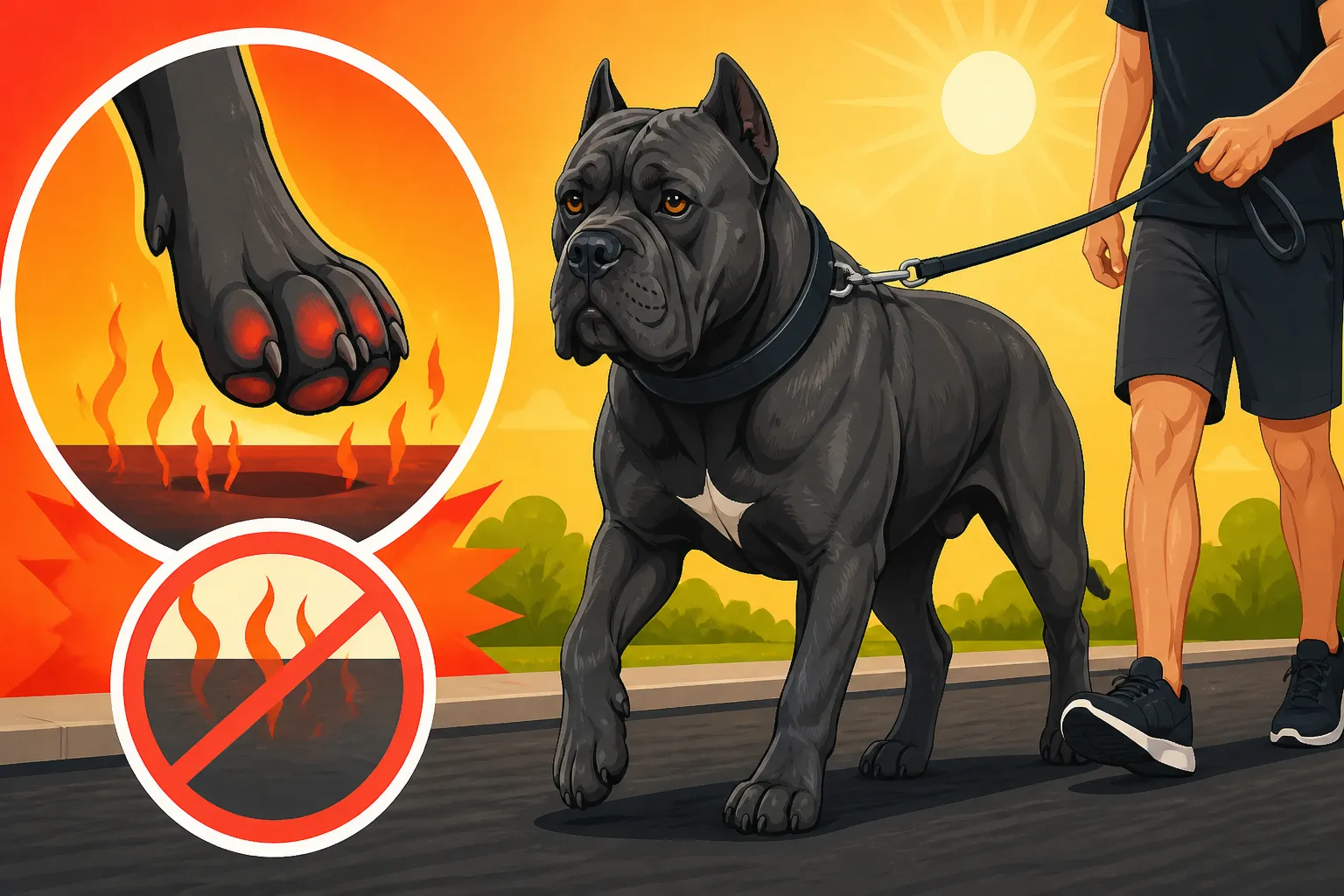
Walking a Cane Corso on Hot Pavement
One of the biggest worries for any Cane Corso owner during warmer weather is the insidious threat of hot pavement. It's so easy to underestimate how quickly asphalt or concrete can heat up, turning a routine walk into a dangerous hazard for your big dog's sensitive paw pads. This guide is here to walk you through exactly how to gauge pavement temperatures, recognize the signs of distress, and implement strategies to keep your Cane Corso's paws safe and sound all summer long.
The Silent Danger: Why Hot Pavement Harms Your Cane Corso
It's tempting to think that if the air feels comfortable to us, it's fine for our dogs. But what we often forget is that our feet are protected by shoes, and we're standing much higher off the ground. Your Cane Corso, with those thick paw pads, might seem invincible, but they are absolutely not. Pavement, especially dark asphalt, absorbs and retains heat at a far greater rate than the surrounding air. This isn't just uncomfortable; it's genuinely painful and can lead to severe burns.
The Problem with Paw Pads
A Cane Corso's paw pads are tough, yes, built for resilience and protecting against rough terrain, but they are not impervious to extreme heat. Imagine walking barefoot on a blacktop parking lot in direct sun—it's agonizing. Your dog's pads are essentially the same. They don't have sweat glands like humans do to cool down across their entire body (only a few on their pads), so direct contact with superheated surfaces can quickly cause damage. The larger and heavier your Cane Corso is, the more pressure and surface area contact they have with the ground, potentially exacerbating the issue. Their pads can blister, crack, and even peel, leading to infections and excruciating pain that can take weeks to heal. This isn't just about discomfort; it's a serious welfare issue.
The Risk of Overheating
Beyond direct paw burns, walking on hot surfaces contributes significantly to overall body temperature rise. Your Cane Corso is a large, often dark-colored dog, which means they absorb and retain heat more readily than smaller or lighter-coated breeds. Why a Black Cane Corso Overheats First is a real concern for many owners. When their paws are getting scorched, their entire body is also working harder to dissipate heat, increasing their risk of heat stress and potentially deadly heatstroke. This is especially true if they are already active or if the air itself is humid. It's a double-whammy: painful paws and a dangerously rising core temperature.
How to Test Pavement Temperature Safely
Before you even think about stepping out with your Cane Corso, you need a reliable way to check the temperature of the walking surface. There's a simple, universally recommended test that requires nothing more than your own hand. Forget complex gadgets; your skin is the best indicator of what your dog's paws will experience.
The Five-Second Rule
The most common and effective method is the "five-second rule." Place the back of your hand flat on the pavement for five seconds. If it's too hot for you to hold it there comfortably for that entire duration, then it's absolutely too hot for your Cane Corso's paws. It's that simple, and it's a non-negotiable step before any walk during warm weather. Many people think their palm is tougher, but the back of your hand is more sensitive and a better gauge of what your dog experiences. Don't rush it; truly hold it there and assess the discomfort. If you wince or pull away, your dog will suffer.
Understanding the Air Temperature vs. Pavement Temperature Discrepancy
It's a common misconception that air temperature directly correlates with pavement temperature. The reality is quite different. On a sunny day, asphalt can be significantly hotter than the air. For example, when the ambient air temperature is 77°F, asphalt can reach a scorching 125°F. At 87°F air temperature, the pavement can hit 143°F. These are temperatures at which skin can burn within seconds. This is why the five-second rule is so critical—it accounts for this significant difference. Always remember that dark surfaces absorb more solar radiation, making them much hotter than lighter colored sidewalks or grassy areas. The direct sunlight beating down is the primary culprit, not just the air temperature.
| Air Temperature (°F) | Pavement Temperature (°F) (Sunny Day) | Risk to Paw Pads |
|---|---|---|
| 77 | 125 | Severe Burn Risk |
| 82 | 131 | Severe Burn Risk |
| 87 | 143 | Immediate Burn Risk |
| 90 | 149 | Extreme Burn Risk |
Note: Pavement temperatures can vary based on surface material (asphalt, concrete, brick), color, sun exposure, and local humidity. Always perform the five-second test.
Recognizing Signs of Paw Pad Burns and Heat Stress
Even with the best intentions, sometimes you might find yourself in a situation where the pavement is hotter than anticipated, or your Cane Corso might be showing signs of distress. It's crucial to know what to look for, as early detection can prevent more severe complications, including Heat Stroke in a Working Cane Corso. Your vigilant observation is their first line of defense.
Physical Signs of Paw Pad Injury
If your Cane Corso has walked on hot pavement, their paws might show immediate signs of damage. You might notice them limping or refusing to walk. They might hold a paw up, frequently lick or chew at their feet, or appear anxious and uncomfortable. Upon closer inspection, the paw pads themselves might look red, swollen, or discolored. In more severe cases, you'll see blisters forming, or the pads might even appear to be peeling away. These are incredibly painful injuries, and your dog will likely express their discomfort vocally or by withdrawing. Any sign of lameness or excessive paw licking after a walk in warm weather should trigger an immediate check of their paw pads.
Symptoms of General Heat Stress
Paw pad burns often go hand-in-hand with general heat stress, especially in a large, deep-chested breed like the Cane Corso. Beyond paw issues, look for excessive panting, drooling more than usual, and a bright red tongue. They might appear lethargic, weak, or disoriented. Their gums could be tacky or pale. Vomiting or diarrhea are also serious indicators of overheating. If you notice your Cane Corso struggling to breathe, staggering, or collapsing, it's an emergency situation. These symptoms mean their core body temperature is dangerously high, and immediate veterinary intervention is required. This is not something to take lightly; swift action can literally be the difference between life and death.
Preventative Measures and Protective Gear
The best way to deal with hot pavement is to avoid it altogether. However, that's not always entirely feasible. That's why having a solid prevention strategy, including the right gear, is so important for Cane Corso owners. Think of it as investing in their comfort and long-term health.
Choosing the Right Time and Route for Walks
The simplest and most effective prevention is adjusting your walking schedule. Avoid walking your Cane Corso during the hottest parts of the day, typically between 10 AM and 4 PM. Early mornings and late evenings are generally much cooler and safer. This is especially critical during the summer months; check out The Safe Hours to Walk a Cane Corso in August for more specific guidance. When planning your route, prioritize grassy areas, shaded paths, or dirt trails over asphalt and concrete. If you must walk on pavement, stick to the shady side of the street or paths that receive less direct sunlight. Even a few degrees difference in surface temperature can make a huge impact. Remember, your Cane Corso needs physical and mental exercise, but not at the cost of their well-being.
Paw Protection Options
Sometimes, avoiding hot pavement entirely isn't possible, or you might need extra peace of mind. That's where paw protection comes in.
- Dog Boots/Shoes: These are probably the most effective barrier between hot pavement and sensitive paw pads. Look for durable, well-fitting boots designed for large breeds. Brands like Ruffwear, Muttluks, or even generic options found on Amazon or Chewy can offer excellent protection. It's crucial to measure your Cane Corso's paws carefully to ensure a snug fit that won't slip off or chafe. Introduce them slowly, letting your dog wear them for short periods indoors before hitting the pavement. It might look a little funny at first, but a few funny looks are better than burned paws.
- Paw Balms and Waxes: While not a replacement for boots on scorching pavement, paw balms and waxes can offer a protective barrier and help condition the pads. They can prevent cracking and dryness, making the pads more resilient to general wear and tear, and may offer a minor degree of insulation against less extreme heat. Products like Musher's Secret or various natural paw balms can be helpful. Think of them like a good moisturizer with a little extra protection; they aren't fireproof, but they contribute to overall paw health. If you've ever wondered Whether a Cane Corso Needs Paw Balm in Winter, the answer is often yes for general conditioning, and the same logic applies to summer resilience. Regularly applying a balm can prevent Cracked Pads on a Working Cane Corso too.
Adjusting Walk Schedules and Routines
Successfully navigating summer with a Cane Corso means being flexible and creative with their exercise routine. You can't just power through the heat like you might during cooler months; their bodies simply aren't built for it, and it's irresponsible to ask them to.
Early Morning and Late Evening Adventures
As mentioned, the coolest parts of the day are typically before the sun fully rises and after it has significantly dipped. Aim for walks at dawn or dusk. Not only is the pavement cooler, but the ambient air temperature is also much lower, reducing the risk of overall heatstroke. Think about adjusting your own schedule to accommodate these cooler windows. This might mean waking up a little earlier or waiting until after dinner, but it’s a small price to pay for your Cane Corso’s health. Even if it means a slightly shorter walk, the quality of the cool air and cool ground makes a world of difference. You'll likely find your dog is more enthusiastic and comfortable during these times anyway.
Exploring Alternative Exercise Options
When pavement is too hot, or even if the air is just too stifling, you need to have alternative ways to burn off that Cane Corso energy. These dogs are powerful and intelligent, and they still need mental and physical stimulation.
- Indoor Brain Games: Engage their minds with puzzle toys, hide-and-seek with treats, or practice new tricks. A large snuffle mat, often available through retailers like Amazon, can keep them engaged for a surprising amount of time. Mental exercise is just as important as physical for a well-rounded dog.
- Cooler Surface Play: If you have a large, shaded yard with grass, make use of it! Fetch, gentle tug-of-war, or simply letting them explore can be good options. Just be mindful of shaded concrete patios, which can still retain heat. A kiddie pool filled with a few inches of water can also be a fantastic way for a Cane Corso to cool down and play.
- Hydrotherapy/Swimming: If you have access to a dog-friendly pool or a clean, calm body of water, swimming can be an excellent low-impact, cooling exercise. Always supervise them closely, and make sure they know how to exit the water safely. Some veterinary rehabilitation centers offer hydrotherapy in temperature-controlled pools, which is a fantastic option for dogs who need exercise without joint stress.
- Short, Focused Training Sessions: Even 10-15 minutes of obedience work in an air-conditioned space can tire a Cane Corso out mentally. Work on impulse control, stays, or proofing commands with distractions. This keeps their mind active and reinforced without any heat exposure.
First Aid for Burned Paw Pads
Despite all precautions, accidents can happen. If you suspect your Cane Corso has burned paw pads, knowing how to administer immediate first aid can minimize damage and alleviate pain before you can get professional veterinary help. Time is often of the essence.
Immediate Cooling and Cleaning
As soon as you notice your Cane Corso showing signs of paw pad discomfort or injury, get them off the hot surface immediately. Move them to a cooler area, preferably grass or indoors. Then, you need to cool the affected paws. Gently rinse the burned pads with cool (not ice-cold) water for 10-15 minutes. You can use a hose on a gentle setting or soak their paws in a shallow basin. The goal is to bring down the tissue temperature. Avoid scrubbing or using any harsh soaps. After rinsing, gently pat the paws dry with a clean towel. Do not rub, as this can further irritate the damaged skin. This cooling step helps prevent further tissue damage.
Protecting the Wounds and Seeking Vet Care
Once the paws are cooled and dried, you'll need to protect them from further contamination and irritation. Apply a thin layer of a pet-safe antiseptic cream or antibiotic ointment (only if you have one prescribed by your vet or specifically indicated as safe for dog paw pads, otherwise skip this step and just cover). Then, lightly bandage the paws to keep them clean. Use non-stick gauze pads and a self-adhering bandage wrap, making sure it's snug but not too tight. You should be able to slip two fingers under the wrap easily. This temporary bandage will help keep dirt out and prevent your Cane Corso from licking the wounds.
After immediate first aid, contact your veterinarian right away. Paw pad burns, especially blisters or peeling skin, are serious injuries that often require professional medical attention to prevent infection and promote proper healing. Your vet might prescribe pain medication, specific topical treatments, or even antibiotics if infection is a risk. They can also properly assess the severity of the burns and guide you on ongoing care. Don't try to manage severe burns at home; your Cane Corso deserves expert care.
Maintaining Paw Health Year-Round
Keeping your Cane Corso's paw pads in top condition isn't just about avoiding hot pavement in summer; it's a year-round commitment that contributes to their overall mobility and comfort. Healthy paws are less susceptible to injury, whether from heat, cold, or rough terrain.
Regular Inspection and Cleaning
Make it a habit to inspect your Cane Corso's paws regularly, ideally a few times a week or after every significant walk. Look between the toes, check the pads for cuts, cracks, foreign objects, or any redness or swelling. Pay attention to their nails, too; Nails, Teeth and Feet on a Hundred Pound Cane Corso is a crucial part of routine care. If you spot any debris, gently remove it. After walks, especially if they've been on dirty or dusty surfaces, a quick wipe down with a damp cloth can help keep their paws clean and prevent irritation. This routine check allows you to catch minor issues before they become major problems.
Conditioning with Balms and Moisturizers
Just like human skin, paw pads can benefit from conditioning. Applying a natural paw balm or wax, like the type you might find on Chewy or Amazon, can help keep the pads supple and prevent them from drying out and cracking. While often marketed for winter protection against ice and salt, these balms are equally beneficial in warmer months to maintain pad elasticity. Healthy, moisturized pads are more resilient and less prone to injury from various environmental factors. It’s an easy addition to your grooming routine that provides significant long-term benefits.
Nutritional Support for Skin and Paw Health
Don't underestimate the role of nutrition in overall skin and paw health. A high-quality diet, rich in essential fatty acids (like Omega-3 and Omega-6), vitamins, and minerals, supports healthy skin and a robust coat, which extends to their paw pads. For instance, a brand like Ollie, known for its fresh, human-grade ingredients, could provide the kind of comprehensive nutrition that supports cellular health and resilience throughout the body, including the tough tissues of the paw pads. If your Cane Corso's diet is lacking, their skin and pads may be more prone to dryness, cracking, and slow healing. Discuss any dietary concerns with your vet to ensure your big dog is getting everything they need to thrive.
Disclaimer
This article is for general informational purposes only and does not constitute professional advice. Laws, prices and regulations vary by location and change over time. Consult a qualified professional for guidance on your specific situation.