The Cherry Eye a Cane Corso Puppy Shows at Four Months
Cherry eye in a four-month Cane Corso puppy causes a red mass when the third eyelid tear-producing gland prolapses.
Know what to watch for.
Breed-specific conditions, screening and DNA tests, what surgery actually costs, and the daily habits that stretch a healthy lifespan.
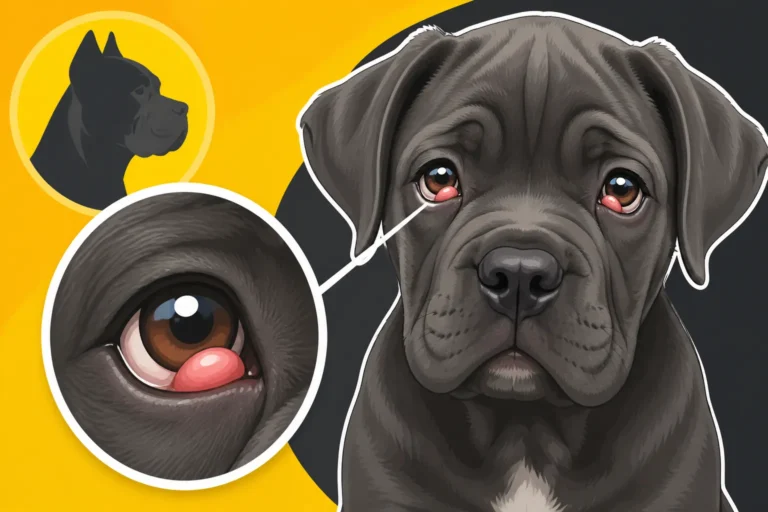
Cherry eye in a four-month Cane Corso puppy causes a red mass when the third eyelid tear-producing gland prolapses.
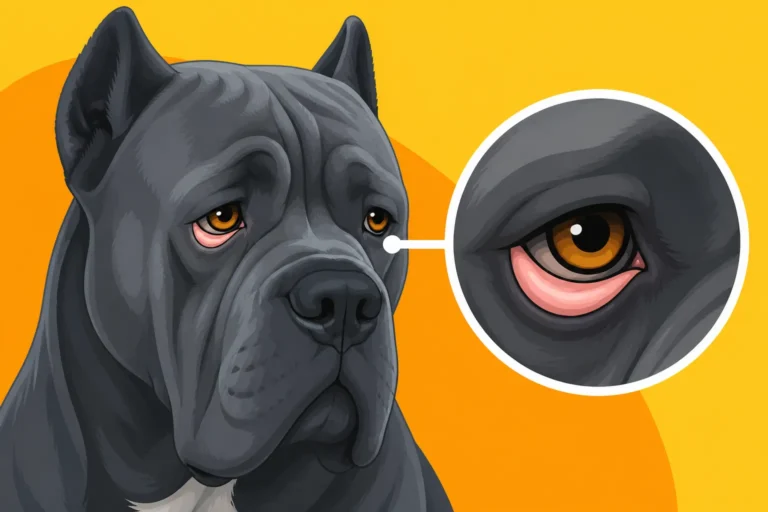
Cane Corso lower eyelid sagging, medically called ectropion, exposes the delicate pink conjunctiva and causes painful eye issues.
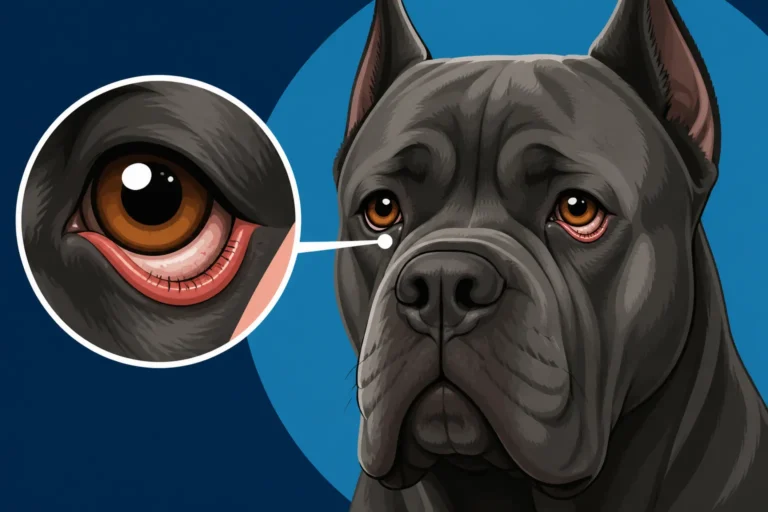
Entropion in Cane Corsos causes inward rolling lower eyelids, constant corneal friction, persistent squinting, and vision risks.
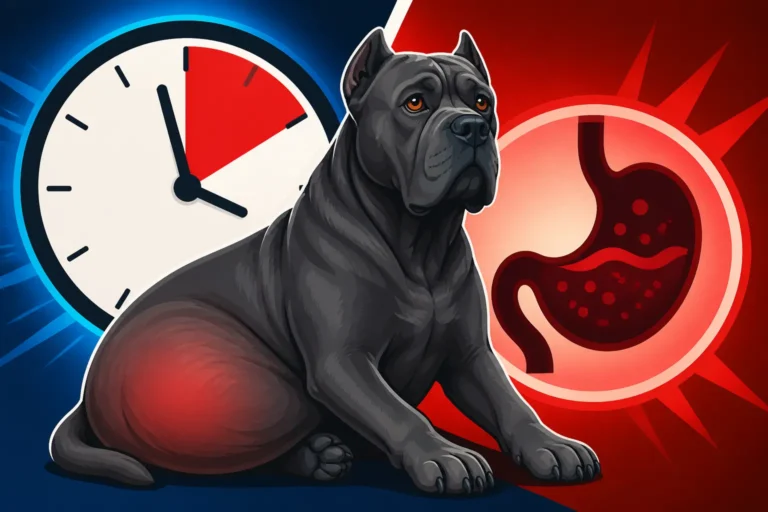
Gastric dilatation volvulus in Cane Corsos explains how gas and twisting stomachs create fatal emergencies during critical hours.

Specific mealtime habits and deep chest anatomy causing Gastric Dilatation-Volvulus in Cane Corsos are detailed here.

Preventive gastropexy for a Cane Corso helps owners understand bloat risks, surgical options, and stomach twisting prevention methods.
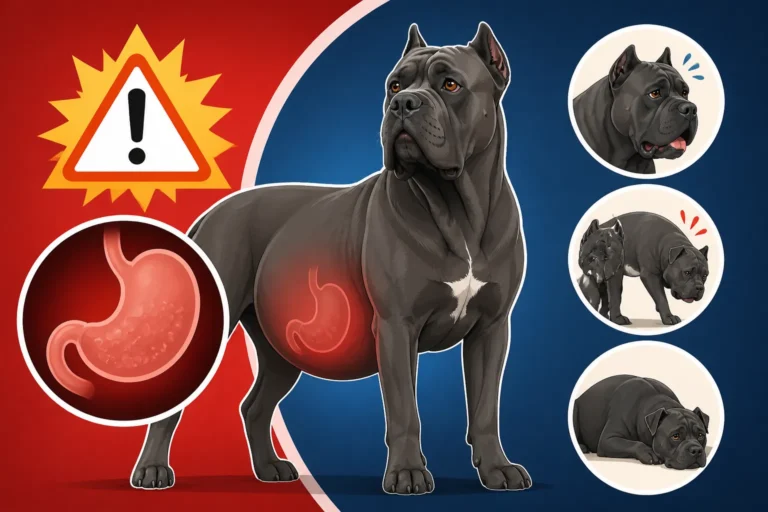
Gastric Dilatation-Volvulus in Cane Corsos causes stomach swelling and twisting, presenting symptoms like restlessness, pacing, and unproductive vomiting.
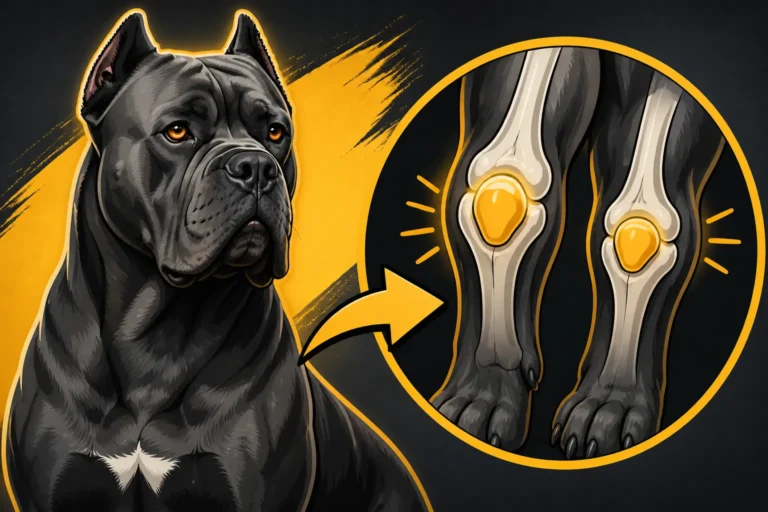
Patellar luxation in Cane Corsos causes pain and mobility issues when the kneecap slips from the femur groove.
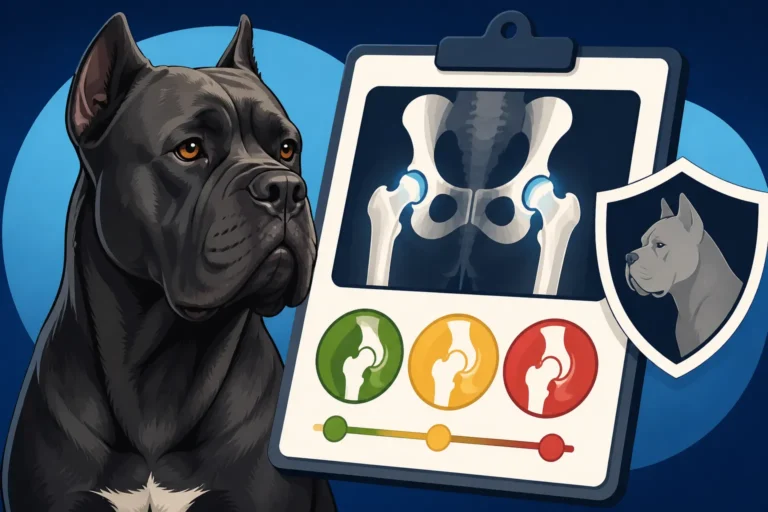
Orthopedic Foundation for Animals grades and the CHIC list explained for interpreting Cane Corso hip health information.
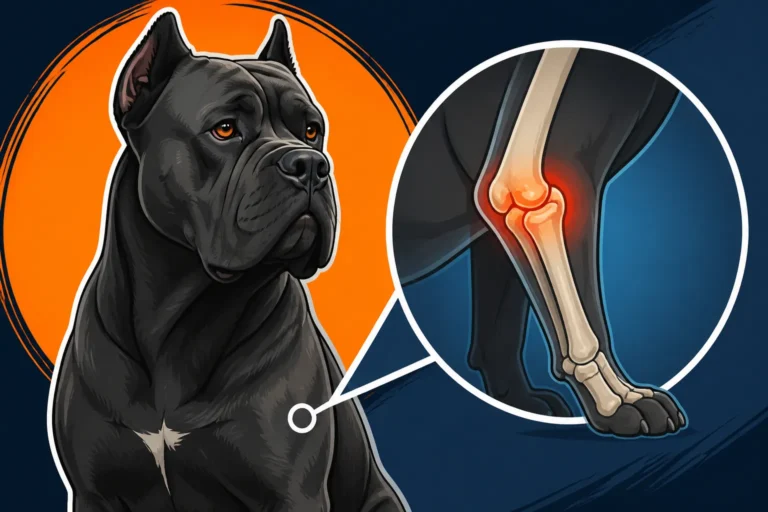
Elbow dysplasia in Cane Corsos causes front leg lameness through abnormal joint development, genetics, and environmental factors.