Why a Cane Corso’s Ration Is Split in Two
It's easy to look at a majestic, powerful Cane Corso and think they could simply inhale their entire daily food ration in one go, like a vacuum cleaner. Many owners, especially those new to large or giant breeds, might assume that one big meal is the most efficient way to feed their formidable companion. However, this common assumption overlooks critical physiological and behavioral needs unique to these magnificent dogs. Splitting your Cane Corso's daily food into at least two, often even more for puppies, isn't just about good manners at the food bowl; it's a vital practice rooted in protecting their health and ensuring their overall well-being. This comprehensive guide will explain exactly why this simple feeding strategy is so crucial for your Cane Corso.
Protecting Against Bloat: The Gravest Concern for Deep-Chested Breeds
When you own a Cane Corso, one health concern probably looms larger than almost any other in your mind: bloat. This isn't just an upset tummy; it's a terrifying, rapidly fatal condition that can strike without much warning. Understanding why your Corso is so susceptible and how feeding practices play a role is paramount.
Understanding Gastric Dilatation-Volvulus (GDV)
Gastric Dilatation-Volvulus, or GDV, is a life-threatening emergency where the stomach first fills with gas (dilatation) and then twists on its axis (volvulus). When the stomach twists, it cuts off the blood supply to the stomach and often the spleen, and prevents food or gas from leaving. This causes immense pain and rapidly leads to shock and death if not treated immediately. Deep-chested breeds like the Cane Corso are uniquely at risk because of their body conformation. Their chest is long and narrow, allowing the stomach more room to swing and twist within the abdominal cavity when distended.
Imagine filling a long, narrow balloon with air and then spinning it; it's far more likely to twist on itself than a round, short balloon. That's a simplified, albeit stark, comparison for your Corso's anatomy. Symptoms can come on incredibly fast: pacing, unproductive retching, a swollen abdomen, drooling, and signs of extreme discomfort. Every second counts, and if you suspect bloat, you need to be at the emergency vet now. Even with immediate surgery, the prognosis can be guarded, highlighting why prevention is so much better than reaction.
How Smaller, Frequent Meals Reduce Risk
The sheer volume of food consumed in a single sitting can be a significant contributing factor to bloat. When a Cane Corso eats one massive meal, their stomach becomes incredibly distended. This distension, combined with gulping air while eating quickly, and then possibly exercising or rolling around after, can create the perfect storm for the stomach to flip. By splitting the daily ration into two or more smaller meals, you drastically reduce the amount of food and gas in the stomach at any given time. This lessens the chances of severe distension, which in turn reduces the opportunity for the stomach to twist.
Think of it as distributing the load. Instead of one heavy lift that strains the system, you're doing two lighter lifts that are much safer. Smaller portions allow for slower, more controlled digestion, giving the body time to process the food without being overwhelmed. We often talk about The Mealtime Habits That Turn a Cane Corso's Stomach as a way to reduce bloat risk, and splitting meals is at the top of that list. This practice works hand-in-hand with discouraging rapid eating, providing quiet resting time after meals, and considering a prophylactic gastropexy—a procedure where the stomach is surgically tacked to the abdominal wall to prevent it from twisting—which you can learn more about in Whether a Cane Corso Should Have a Preventive Gastropexy. Even with preventative measures, remaining vigilant and knowing Recognizing Bloat in a Cane Corso Before It Turns is vital, as no single strategy guarantees immunity.
Optimizing Digestion and Nutrient Absorption
Beyond the life-saving aspect of bloat prevention, feeding your Cane Corso two or more times a day offers significant advantages for their day-to-day digestive health and nutritional uptake. It's about ensuring their powerful bodies get the most out of every single bite.
Enhancing Digestive Efficiency
When a Cane Corso consumes a colossal amount of food in one go, their digestive system can become overwhelmed. Imagine trying to digest a Thanksgiving dinner every single day! The stomach has to produce a massive surge of digestive enzymes and acids, and the intestines have to work overtime to break down and absorb all that food. This can lead to less efficient digestion. Some nutrients might simply pass through the system unabsorbed, essentially being wasted. It's like trying to pour a gallon of water into a pint glass all at once; a lot of it will overflow and be lost.
By contrast, smaller, more frequent meals allow the digestive system to operate at a more consistent and optimal level. The stomach can produce a steady, manageable flow of digestive juices, and the intestines have ample time to process each portion thoroughly. This maximizes the absorption of essential vitamins, minerals, proteins, and fats, ensuring your Cane Corso is truly deriving full nutritional benefit from their diet. This efficiency contributes to better coat health, stronger muscles, and overall vitality, giving you the peace of mind that your investment in quality food is really paying off.
Steady Energy Levels and Metabolism
Just like in humans, a dog's blood sugar levels can fluctuate based on when and how much they eat. A single, large meal can lead to a significant spike in blood sugar, followed by a subsequent drop as their body works hard to process the influx of nutrients. This rollercoaster can manifest as bursts of energy followed by lethargy, or even irritability. For a large, active breed like the Cane Corso, maintaining steady energy is crucial for their training, exercise, and overall demeanor.
Split meals help to regulate blood sugar levels more effectively. By providing a consistent supply of nutrients throughout the day, you create a more stable metabolic state. This means your Cane Corso will have more sustained energy, be less prone to sudden crashes, and generally feel more balanced. This consistent energy is especially important for growing puppies, whose bodies are working incredibly hard to develop. Understanding The Protein a Growing Cane Corso Should Not Exceed and preventing Why a Cane Corso Puppy Should Not Grow Too Fast are critical considerations, and regular, portioned meals play a large role in managing their rapid development in a healthy way. For adult Cane Corsos, it ensures they have the stamina for their daily activities, whether it's a long walk, training sessions, or just supervising the backyard.
Managing Satiety and Behavioral Wellness
Feeding isn't just about physical health; it also profoundly impacts your Cane Corso's mental and emotional state. A well-fed dog is often a more content dog, and a structured feeding routine can prevent a host of behavioral issues common in large, powerful breeds with strong protective instincts.
Preventing Extreme Hunger and Food Guarding
Imagine going 24 hours between meals yourself. You'd likely be ravenous, a little grumpy, and perhaps a bit obsessed with when your next meal was coming. The same applies to your Cane Corso. If they receive only one large meal a day, they experience prolonged periods of intense hunger. This can lead to a heightened focus on food, manifesting in undesirable behaviors such as excessive begging, counter-surfing, or scavenging for scraps. More concerningly, it can exacerbate or even instigate resource guarding, where your dog becomes possessive over their food bowl, toys, or even specific spots, growling or snapping if approached. This is particularly problematic for a breed like the Cane Corso, known for their protective nature.
Splitting the daily ration into two or more meals helps to keep your Cane Corso feeling satisfied and less "starved" between feedings. This consistent feeling of satiety reduces the underlying anxiety around food availability, making them less likely to engage in desperate food-seeking behaviors. A dog that feels secure in knowing when their next meal is coming is generally calmer and less inclined to guard their resources, contributing to a more harmonious household. It's a proactive step in managing their powerful instincts, teaching them that food is regularly available and they don't need to fight for it.
Supporting a Structured Routine
Dogs thrive on routine. Predictability provides a sense of security and reduces stress, which is particularly beneficial for a breed as intelligent and discerning as the Cane Corso. Establishing consistent meal times, for example, 7 AM and 5 PM, creates anchor points in their day. Your dog learns when to expect food, when to expect walks, and when to expect quiet time. This structure isn't just for their mental well-being; it's a powerful tool in training and overall behavioral management.
A predictable feeding schedule aids in house training, as you can better anticipate when your dog will need to relieve themselves after eating. It also helps manage their energy levels, as they learn to settle after meals. For families, everyone can be on the same page regarding feeding, reducing confusion and inconsistency. Brands like Ollie, which often deliver fresh, pre-portioned meals, can be a fantastic way to simplify adhering to a consistent schedule, taking the guesswork out of daily feeding amounts. Even without a subscription service, simply marking down feeding times and sticking to them as much as possible provides immense benefits. This routine fosters a more confident, well-adjusted Cane Corso, making them a more integrated and pleasant member of your family.
Tailoring Meal Plans for Different Life Stages
Just like humans, a Cane Corso's nutritional needs and feeding schedule change throughout their life. What works for a rapidly growing puppy won't be ideal for a calm senior, and understanding these nuances is key to their long-term health.
Puppy Feeding for Healthy Growth
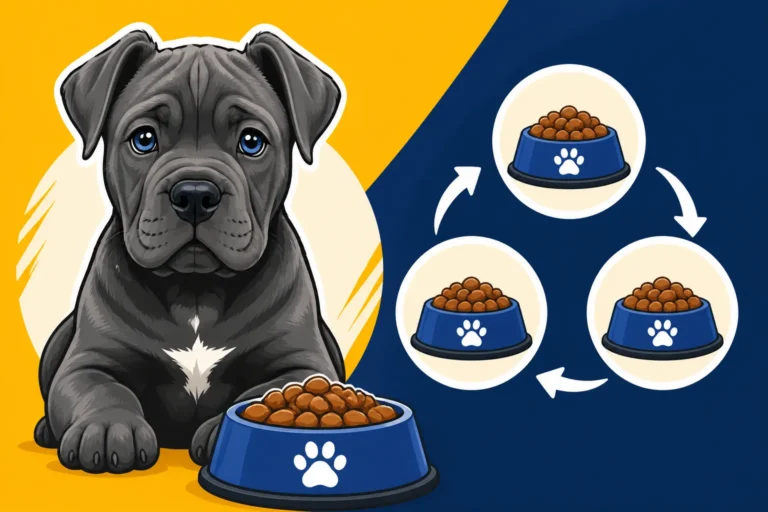
Cane Corso puppies are like tiny, furry sponges, growing at an astonishing rate. To fuel this explosive development, they have incredibly high metabolic rates and need frequent meals. Typically, puppies under six months old should be fed three to four smaller meals a day. This not only provides a constant supply of energy and nutrients for growth but also helps keep their small stomachs from getting too full. Remember, even puppies can be at risk for digestive upset if overfed in one sitting.
The critical thing with giant breed puppies like the Cane Corso is to manage their growth, not accelerate it. Overfeeding a puppy, especially with too much calcium or protein, can lead to rapid growth that puts immense stress on their developing joints and bones. This can contribute to debilitating conditions like hip and elbow dysplasia later in life. This is why Why a Cane Corso Puppy Should Not Grow Too Fast is a phrase you'll hear from responsible breeders and vets. You want steady, moderate growth, not a chunky puppy. As they approach adolescence, usually between 6-12 months, you can gradually transition them from three meals to two meals a day, always monitoring their body condition to ensure they maintain a healthy, lean weight.
Adult and Senior Cane Corso Considerations
For most adult Cane Corsos, feeding two meals a day is the gold standard, offering the best balance of bloat prevention, digestive efficiency, and satiety. This typically means one meal in the morning and one in the evening, spaced roughly 8-12 hours apart. The total daily ration, which might be anywhere from Six to Nine Cups Across Two Cane Corso Meals depending on their size, activity level, and the caloric density of their food, should be evenly divided between these two feedings. Always check the feeding guidelines on your specific dog food and adjust based on your dog's individual needs.
As your Cane Corso enters their senior years, their metabolism might slow down, and their activity levels often decrease. This means their caloric needs might drop, and you may need to adjust their portion sizes to prevent weight gain. However, the two-meal-a-day schedule remains beneficial. For some very old or frail seniors, or those with specific health issues like dental problems or a reduced appetite, more frequent, even smaller meals (e.g., three times a day) might be easier for them to manage and digest. If you notice your senior Corso struggling to finish their meals or showing signs of discomfort after eating, discuss adjustments with your vet. Remember, keeping an older dog comfortable, as you might consider with Orthopedic Beds Rated for a Cane Corso's Weight, is about holistic care that includes thoughtful nutrition, as detailed in Feeding an Old Cane Corso That Has Slowed Down.
Practical Tips for Implementing a Split Feeding Schedule
Making the shift to a split feeding schedule, or refining your existing one, doesn't have to be complicated. With a few practical tips and the right tools, you can ensure your Cane Corso thrives on this essential routine.
Choosing the Right Food and Tools
The foundation of any good feeding plan is a high-quality diet. For a Cane Corso, always opt for a large breed or giant breed formula, especially during their puppyhood, as these are specifically formulated with appropriate calcium-to-phosphorus ratios and calorie densities to support healthy, controlled growth. Once you've chosen a food, the next step is considering how your dog eats it.
Many Cane Corsos are enthusiastic eaters, prone to gulping their food down in seconds. This rapid ingestion is a major risk factor for bloat, as they often swallow a lot of air along with their kibble. This is where slow feeders come into play. These bowls have various ridges, mazes, or obstacles that force your dog to eat around them, significantly slowing down their mealtime. You can find a wide variety of effective slow feeders on Chewy or Amazon, making them easily accessible. Slow Feeders That Pace a Cane Corso delves deeper into how these tools can make a difference. Some owners also consider elevated bowls, believing they help with digestion and comfort, especially for large breeds. While the research on elevated bowls and bloat risk is mixed (some studies suggest a slight increase in risk, others no change), many owners still find them beneficial for comfort if their dog has orthopedic issues. Discuss this with your vet to see if an elevated bowl is right for your individual Corso.
Consistency is Key
The benefits of a split feeding schedule are amplified by consistency. Try to feed your Cane Corso at roughly the same times every day, even on weekends. Dogs are creatures of habit, and establishing a predictable routine helps regulate their digestive system, manage their hunger, and reduce anxiety. For example, if you feed at 7 AM and 5 PM, try to stick within a 30-minute window of those times daily.
Life happens, and sometimes strict consistency isn't possible. If your schedule varies, or if you're away from home during a feeding time, consider solutions like automatic feeders. While they might not be suitable for every Cane Corso (especially those prone to trying to break into them!), they can provide scheduled meals when you can't be there. If you have a reliable family member or a trusted pet sitter, they can also help maintain the feeding schedule. The key takeaway is that even if you can't be perfectly precise every single day, maintaining a split schedule is still vastly superior to the single, large meal approach. Any effort you make towards consistency will benefit your Cane Corso's health and happiness.
Here's a quick comparison of the two feeding approaches for your Cane Corso:
| Feature | Single Large Meal (Not Recommended) | Two Split Meals (Recommended) |
|---|---|---|
| Bloat (GDV) Risk | Significantly higher due to stomach distension | Significantly lower due to reduced stomach volume and slower intake |
| Digestive Load | Overwhelming for the system, potentially less efficient nutrient absorption | Manageable, promoting efficient digestion and optimal nutrient uptake |
| Energy Stability | Peaks and valleys (spikes and crashes in blood sugar and energy) | Consistent energy levels, stable blood sugar, balanced mood |
| Satiety & Hunger | Long periods of intense hunger, increased begging/guarding behaviors | More consistent feeling of fullness, reduced food-related anxiety |
| Routine & Behavior | Less predictable, can contribute to stress and undesired habits | Promotes strong routine, sense of security, and better overall behavior |
| Puppy Growth | Increased risk of rapid growth-related joint issues | Supports steady, healthy growth rate, crucial for large breeds |
| Monitoring Intake | Harder to notice subtle changes in appetite or eating habits | Easier to track appetite, identify health changes early, and make adjustments |
Conclusion
The decision to split your Cane Corso's daily food ration into multiple meals isn't just a convenient choice; it's a fundamental commitment to their health, safety, and well-being. From critically reducing the terrifying risk of bloat, a condition all too common in deep-chested breeds, to optimizing their digestion, stabilizing their energy, and fostering a calm, well-adjusted temperament, the benefits are undeniable. By understanding the physiological and behavioral reasons behind this practice, and by implementing a consistent, thoughtful feeding schedule, you are actively investing in a longer, healthier, and happier life for your formidable companion. It's a small change in routine that makes a monumental difference.
Disclaimer
This article is for general informational purposes only and does not constitute professional advice. Laws, prices and regulations vary by location and change over time. Consult a qualified professional for guidance on your specific situation.