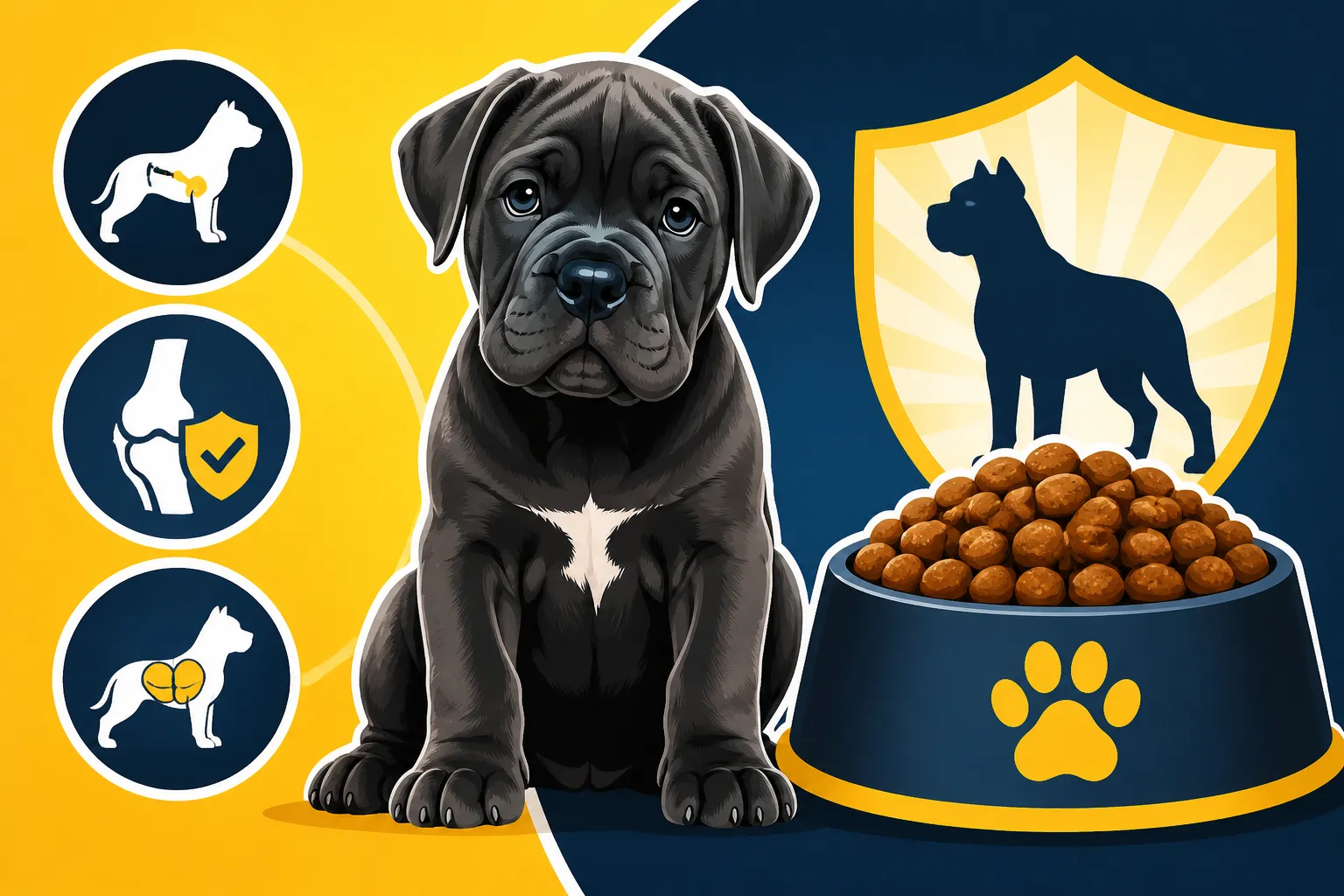
Why a Cane Corso Puppy Needs Giant Breed Food
Bringing home a Cane Corso puppy is incredibly exciting, but it also comes with a lot of responsibility, and one of the biggest initial challenges new owners face is navigating the overwhelming world of puppy food. Many people assume any high-quality puppy food will do, or even that a large breed formula is sufficient, but for a giant like the Cane Corso, this simply isn't the case. This guide will walk you through exactly why your Cane Corso puppy absolutely needs a specialized giant breed formula to support their unique, rapid, and often delicate growth.
The Unique Growth Journey of a Cane Corso Puppy
Cane Corso puppies aren't just big; they're giant. Their growth trajectory is vastly different from a Labrador or a Golden Retriever, let alone a smaller breed. They go from tiny, wrinkly bundles to massive, powerful adults in a relatively short timeframe, and this rapid development places immense demands on their skeletal system and overall body.
Rapid Weight and Height Gain
From the moment you bring your Cane Corso puppy home, often around eight to ten weeks, you'll witness an astonishing rate of growth. They can gain several pounds a week, sometimes seemingly overnight. This isn't just about getting bigger; it's about their bones, muscles, and organs developing at an accelerated pace. Imagine a small human child growing to adult size in less than two years – that's the kind of intense development we're talking about with a Cane Corso. If this growth isn't managed correctly, particularly in terms of nutrition, it can lead to serious, long-term health issues.
It’s easy to get caught up in how fast they're growing and want to "super-size" them, but that's a dangerous path. The goal isn't the biggest puppy, but the healthiest. Their skeletal structure, in particular, is undergoing incredible changes, with growth plates in their long bones extending and fusing. This process is delicate and can be easily disrupted by inappropriate nutrition, leading to structural problems that will haunt them for life.
Delayed Maturity Compared to Smaller Breeds
While a Cane Corso puppy grows rapidly in size, their physiological maturity is actually quite slow. They might look like an adult dog by 10-12 months, but they continue to fill out and mature, both physically and mentally, until they are closer to two years old, sometimes even a bit longer for males. This extended period of growth means their dietary needs remain specialized for a longer duration than a smaller breed.
This extended growth phase, where they are still "growing" but perhaps not gaining height at the same rate, is crucial. Their bones are still solidifying, their joints are strengthening, and their muscles are developing density. A diet that is appropriate for a mature adult dog, or even a typical large breed that finishes growing earlier, will not provide the precise balance of nutrients a Cane Corso needs during this critical, prolonged developmental window. Think of it like a teenager who still needs different nutrients than a fully grown adult, even if they're already quite tall.
The Dangers of Too-Fast Growth
It might seem counterintuitive, but for giant breeds like the Cane Corso, rapid, unchecked growth is actually detrimental to their long-term health, particularly concerning their joints. This is a common pitfall for many new owners who, with good intentions, may overfeed their puppies or offer diets too rich for their specific needs.
Orthopedic Issues from Excessive Growth
The most significant risk associated with feeding a Cane Corso puppy an inappropriate diet is the development or exacerbation of orthopedic problems, most notably hip and elbow dysplasia. These conditions are hereditary, but their severity can be greatly influenced by environmental factors, with diet playing a massive role. When a puppy grows too quickly, their bones and cartilage simply can't keep pace with the rapid weight gain.
Imagine a construction project where you're trying to build a skyscraper, but the foundation hasn't properly set before you're adding more floors. The entire structure becomes unstable. That's essentially what happens with a Cane Corso puppy's skeleton. Their growth plates are particularly vulnerable. If they grow too fast, the cartilage in their joints can become abnormally thick and weak, or the bone growth can outstrip cartilage formation, leading to malformations. This is why it's vital to support slow, steady, controlled growth. Why a Cane Corso Puppy Should Not Grow Too Fast is a topic many owners overlook.
Impact of High Calcium and Calories
Many standard puppy foods, and even some large breed formulas, contain higher levels of calcium and calories designed to support the intense growth of smaller or faster-maturing breeds. However, for a Cane Corso, these levels can be problematic. Excessive calcium, for example, can interfere with the proper development of cartilage and bone, leading to conditions like osteochondritis dissecans (OCD) and contributing to hip and elbow dysplasia.
Calories are another critical factor. While puppies need energy, too many calories can lead to excessive weight gain, putting undue stress on immature joints. This extra weight forces their still-developing bones and joints to bear a heavier load than they are structurally prepared for, increasing the likelihood of damage and malformation. It's a delicate balance: enough energy for healthy growth, but not so much that it pushes their system into overdrive. Understanding The Calcium Ratio in a Cane Corso Puppy's Bowl is paramount.
Key Nutritional Components in Giant Breed Food
Giant breed puppy formulas are specifically engineered to address the unique growth needs of dogs like the Cane Corso. They are not simply "bigger" versions of regular puppy food; their nutrient profiles are carefully balanced to promote controlled, healthy development.
Controlled Caloric Density
One of the defining features of a giant breed puppy food is its controlled caloric density. These foods are designed to provide sufficient energy for growth and activity without promoting excessive weight gain. This means they often have slightly lower fat content compared to standard puppy foods, or their ingredients are chosen for optimal digestibility and nutrient absorption without packing in unnecessary calories.
The goal here is sustained, steady energy. Think of it like a marathon runner needing a consistent fuel source rather than a quick sugar rush. A Cane Corso puppy needs to build strong muscle and bone without becoming overweight, which would stress their vulnerable growth plates. This careful caloric control is a cornerstone of preventing orthopedic issues down the line. It's about providing the right amount of energy for healthy, but not rapid, development.
Balanced Calcium and Phosphorus Levels
Perhaps the most critical difference in giant breed puppy food is the precisely balanced calcium and phosphorus levels, and their ratio. These minerals are essential for bone development, but too much (or too little, or an incorrect ratio) can wreak havoc on a rapidly growing skeletal system. Giant breed formulas typically have lower absolute amounts of calcium than standard puppy foods and maintain a tighter, carefully controlled calcium-to-phosphorus ratio, usually between 1.1:1 and 1.5:1.
This specific balance helps prevent skeletal abnormalities. It allows the growth plates to mature properly and bones to mineralize at a healthy rate, rather than being forced into unnaturally fast development. A common mistake is adding calcium supplements to a giant breed puppy's diet, which can be incredibly dangerous if their food already contains appropriate levels. Always consult your vet before adding any supplements.
Optimal Protein and Fat Content
Giant breed puppy foods are formulated with appropriate protein and fat levels to support muscle development and energy needs without encouraging too-rapid growth. While protein is crucial for muscle and tissue development, excessive protein is often mistakenly blamed for orthopedic issues. However, it's typically the caloric density and calcium levels that are the real culprits in promoting overly fast growth.
These formulas usually have high-quality, digestible protein sources to ensure proper muscle mass accrual as your Cane Corso grows. The fat content is balanced to provide necessary energy and essential fatty acids for skin and coat health, but not so high that it leads to excessive calorie intake and weight gain. It’s about quality and balance, ensuring all the building blocks are there for robust growth without creating nutritional imbalances.
Here's a quick comparison of general nutrient guidelines for different puppy food types:
| Nutrient | Standard Puppy Food | Large Breed Puppy Food | Giant Breed Puppy Food |
|---|---|---|---|
| Crude Protein (min) | 25-30% | 25-28% | 23-26% |
| Crude Fat (min) | 15-20% | 12-16% | 10-14% |
| Calcium (min) | 1.2-1.8% | 1.0-1.4% | 0.8-1.2% |
| Phosphorus (min) | 1.0-1.4% | 0.8-1.2% | 0.7-1.0% |
| Calcium:Phosphorus Ratio | 1.1:1 to 1.8:1 | 1.1:1 to 1.5:1 | 1.1:1 to 1.3:1 |
| Caloric Density | Higher | Moderate | Lower/Controlled |
Note: These are general guidelines. Always check the specific Guaranteed Analysis on your chosen food packaging and consult with your veterinarian.
What to Look For on a Food Label
Reading pet food labels can feel like deciphering a secret code, but knowing what to look for when choosing a giant breed puppy food for your Cane Corso is essential for their health. Don't be swayed by marketing claims alone; delve into the actual nutritional information.
AAFCO Statement and Life Stage
The first thing you should always look for on any pet food label is the AAFCO (Association of American Feed Control Officials) statement. This indicates that the food meets the nutritional requirements for a specific life stage. For your Cane Corso puppy, you need a statement that reads "Formulated to meet the nutritional levels established by the AAFCO Dog Food Nutrient Profiles for Growth" or "for All Life Stages" (if it's specifically designed for large/giant breed growth within that "all life stages" framework). Critically, seek out formulations explicitly stating "Large Breed Puppy" or "Giant Breed Puppy" within this statement.
An "all life stages" food can be acceptable, but only if it specifically addresses the nuances of giant breed puppy growth, particularly the calcium and caloric controls. A standard "all life stages" food might be too calorically dense or have too high calcium for a Cane Corso puppy, even if it's fine for an adult. Always prioritize foods that explicitly call out the giant breed puppy life stage.
Specific Calcium and Phosphorus Percentages
Beyond the AAFCO statement, locate the "Guaranteed Analysis" section on the label. This is where you'll find the minimum and maximum percentages of key nutrients. For a Cane Corso puppy, pay close attention to the calcium and phosphorus levels. As discussed, you're looking for controlled amounts. Generally, for giant breed puppies, calcium should be around 0.8% to 1.2% on a dry matter basis, with phosphorus slightly lower to maintain the optimal ratio.
Do a quick calculation if only minimums are given to ensure the ratio falls within the desired range (1.1:1 to 1.5:1, ideally closer to 1.1:1 or 1.2:1). If the label provides maximum percentages, that's even better, as it gives you a tighter window. Don't hesitate to ask your veterinarian for advice on acceptable ranges if you're unsure. This level of detail is critical for preventing developmental orthopedic diseases.
High-Quality Ingredients and Digestibility
While the numbers are important, the quality of ingredients also matters. Look for real meat as the first ingredient (e.g., chicken, beef, lamb). Avoid foods that rely heavily on vague "meat meals" or fillers as their primary protein source. Whole grains like brown rice, barley, or oats are generally good carbohydrate sources, providing sustained energy. Some foods may opt for alternative carbohydrates like sweet potatoes.
The term "digestibility" is key. High-quality ingredients are more digestible, meaning your puppy can absorb more nutrients from less food, which supports healthy growth without requiring excessive caloric intake. Brands that focus on easily digestible ingredients help ensure your Cane Corso is getting the most out of every meal. You can find many reputable options online, including on platforms like Chewy or Amazon, where reviews often highlight palatability and stool quality, indirect indicators of digestibility.
Common Misconceptions About Puppy Food
There are a lot of myths and old wives' tales floating around about feeding puppies, especially large breeds. Falling for these can inadvertently put your Cane Corso at risk. Let's debunk some of the most common ones.
"More Protein Means More Muscle" Myth
It's a common belief that feeding a high-protein diet will automatically translate into more muscle for a growing puppy. While protein is essential for muscle development, simply increasing the percentage beyond an optimal level doesn't necessarily mean better, faster, or stronger muscle growth for a Cane Corso puppy. In fact, if high protein comes hand-in-hand with excessive calories, it can contribute to overly rapid growth and associated joint problems.
The body can only utilize so much protein for muscle building; anything beyond that is either converted to energy or stored as fat. The key is quality protein in appropriate amounts, alongside balanced fats and carbohydrates. The emphasis should always be on promoting controlled, lean growth, not on bulking up a puppy too quickly. A balanced giant breed formula will provide plenty of high-quality protein without going overboard.
"Puppies Need Lots of Calories to Grow" Myth
While puppies certainly have higher caloric needs per pound of body weight than adult dogs, the idea that "more calories are always better" for growth is a dangerous oversimplification for a Cane Corso. As we've discussed, excessive caloric intake directly contributes to rapid weight gain, which then puts immense stress on their developing joints and bones. It’s not about consuming lots of calories, but the right amount of calories.
A Cane Corso puppy needs energy for play, learning, and steady growth, but not so much that it causes them to become chubby or to grow at an unnatural rate. The focus should be on lean body condition. You should be able to easily feel your puppy's ribs without seeing them, and they should have a discernible waist when viewed from above. Checking a Cane Corso's Ribs With Your Hands is a simple yet crucial skill for any owner.
"Adult Food is Fine if It's High Quality" Myth
Some owners, mistakenly believing that adult dog food offers higher quality or is "better" in some way, might try to feed it to their Cane Corso puppy. Or, they might think that since their puppy is already so big, they can transition to adult food early. This is a significant mistake. Adult dog food is not formulated to meet the intense, specific nutritional demands of a growing puppy, especially a giant breed.
Adult formulas typically have different calcium, phosphorus, and caloric densities that are not suitable for developing bones and organs. While an "all life stages" food can work if it adheres to giant breed puppy guidelines, simply feeding a standard adult formula will leave your puppy nutritionally deficient or unbalanced, risking stunted growth, developmental orthopedic disease, or other health issues. Stick to formulas explicitly designed for giant breed puppies for as long as your vet recommends, which is usually until around 18-24 months of age for a Cane Corso. What a Cane Corso Puppy Eats Before Twelve Months shows just how long that specific nutritional need can last.
Transitioning Your Cane Corso Puppy to a New Food
Whether you're bringing your puppy home for the first time or simply switching them to a new giant breed formula, the transition process is critical. A sudden change in diet can upset their sensitive digestive system, leading to stomach upset, diarrhea, and a lot of messy cleanups.
Gradual Introduction Over Several Days
The golden rule for changing a dog's food, especially a puppy's, is to do it gradually. Over a period of 7 to 10 days, slowly mix increasing amounts of the new food with decreasing amounts of the old food. This allows your puppy's digestive system to adapt to the new ingredients and nutrient profile without being shocked.
A typical schedule might look like this:
- Days 1-2: 25% new food, 75% old food
- Days 3-4: 50% new food, 50% old food
- Days 5-6: 75% new food, 25% old food
- Days 7-10: 100% new food
Some puppies might need an even slower transition, particularly if they have sensitive stomachs. Watch your Cane Corso for any signs of digestive upset, such as diarrhea, vomiting, or loss of appetite. If you notice these symptoms, slow down the transition even further or consult your vet.
Monitoring for Digestive Upset
During the transition, keep a close eye on your Cane Corso puppy's stool. Loose stools are common with dietary changes, but persistent diarrhea, vomiting, or lethargy are signs that something isn't right. If you see these, revert to the previous food mixture and contact your veterinarian. They might recommend a bland diet for a day or two before attempting the transition again, or suggest a specific probiotic to help their gut adjust.
Also, observe their appetite and energy levels. A healthy puppy should be eager to eat and full of boundless energy. If they're turning their nose up at the new food or seem unusually subdued, it could be a sign of discomfort. Remember, consistency is key, and while you might be tempted to switch foods frequently, finding a good quality giant breed formula and sticking with it is often the best approach for a Cane Corso's sensitive digestive system.
Adjusting Portions as They Grow
Even with a proper giant breed puppy food, portion control is paramount. The feeding guidelines on the bag are just a starting point; every puppy is an individual. Your Cane Corso's activity level, metabolism, and individual growth rate will all influence how much food they truly need. It's not uncommon for owners to slightly reduce the suggested portions to ensure controlled growth and a lean body condition.
Regularly assess your puppy's body condition. You should be able to feel their ribs easily without seeing them, and they should have a visible waist when viewed from above. If they're looking too thin, increase their portions slightly; if they're looking a bit chunky, reduce them. Your veterinarian is your best resource for determining the ideal body condition score and adjusting feeding amounts during your puppy's growth phase. Why a Chunky Cane Corso Puppy Risks Its Elbows highlights the importance of keeping them lean.
Monitoring Your Puppy's Growth and Development
Beyond simply feeding the right food, actively monitoring your Cane Corso puppy's growth and overall development is crucial. This proactive approach allows you to catch any potential issues early and adjust their care as needed with your veterinarian's guidance.
Regular Vet Check-ups and Weight Monitoring
Consistent veterinary check-ups are non-negotiable for a growing Cane Corso puppy. Your vet will monitor their weight, assess their body condition score, and track their growth against breed-specific growth curves. These visits are invaluable opportunities to discuss any concerns you have about their diet, energy levels, or physical development. Your vet can also screen for early signs of orthopedic issues.
Don't skip these appointments, even if your puppy seems perfectly healthy. Early detection of any developmental issues can make a huge difference in treatment outcomes. Your vet can also provide guidance on when it might be appropriate to transition to an adult giant breed formula, which usually isn't until your Cane Corso is at least 18-24 months old, depending on their individual maturity.
Observing Body Condition and Energy Levels
As an owner, you're on the front lines of observing your puppy's health every day. Pay attention to their body condition: are they too thin, too fat, or just right? A lean Cane Corso puppy is a healthy Cane Corso puppy. You should be able to feel their ribs without seeing them, and they should have a defined waist. A pudgy puppy is a puppy at higher risk for joint issues.
Beyond physical appearance, observe their energy levels. A healthy Cane Corso puppy is typically playful and energetic, but they should also have periods of rest. Lethargy, excessive panting without exertion, or reluctance to play could be subtle signs of underlying issues that warrant a vet visit. Remember that intense, prolonged exercise is also not recommended for young, growing giant breed puppies, as it can stress their immature joints. Hip Dysplasia in a Fast Growing Cane Corso and Elbow Dysplasia and a Cane Corso's Front End are serious conditions that can be influenced by how you manage growth and exercise.
Recognizing Signs of Joint Discomfort
Even with the best diet and care, giant breeds can still be prone to joint issues due to their genetics. Being able to recognize the early signs of joint discomfort is vital. Watch for subtle changes in their gait, such as limping, stiffness, or favoring a particular leg, especially after rest or exercise. They might show reluctance to jump, climb stairs, or even play as vigorously as usual.
Sometimes, puppies will have a "shifting lameness" where different legs seem sore on different days – this is often a sign of panosteitis, or "growing pains," which is common in fast-growing large breeds but still warrants a vet check. Never ignore a limp or any sign of pain. Early diagnosis and intervention can significantly improve your Cane Corso's quality of life. Be proactive and advocate for your dog's health at every step.
The Long-Term Benefits of Proper Puppy Nutrition
Investing in the right giant breed puppy food and diligently managing your Cane Corso's growth isn't just about preventing immediate problems; it's about setting them up for a lifetime of health, happiness, and vitality.
Enhanced Joint Health and Mobility
By promoting controlled growth and providing the precise balance of nutrients, you significantly reduce the risk and severity of debilitating orthopedic conditions like hip and elbow dysplasia. Healthy joints mean your Cane Corso can enjoy a much higher quality of life, engaging in walks, play, and guarding duties without pain or severe mobility limitations as they age.
Think about the sheer size and power of an adult Cane Corso. Their joints bear an incredible load. Starting them off with the strongest, healthiest possible skeletal structure is the best preventative measure you can take. While genetics play a role, good nutrition is your most powerful tool in maximizing their joint health. It's an investment that pays dividends over their entire lifespan. Getting a Cane Corso Past Eleven Years Old often starts with excellent puppy care.
Stronger Immune System and Overall Well-being
A properly nourished puppy develops a robust immune system, better equipped to fight off illness and infection. The essential fatty acids, vitamins, and minerals in high-quality giant breed puppy food contribute to healthy skin, a gleaming coat, and optimal organ function. This holistic approach to nutrition supports every system in your Cane Corso's body.
A healthy puppy is a happy puppy. They have the energy to learn, socialize, and bond with their family, developing into a confident and well-adjusted adult. Investing in their nutritional foundation sets the stage for a strong, resilient dog who can withstand the challenges of life, from occasional stress to environmental pathogens.
Extended Lifespan and Quality of Life
Ultimately, providing your Cane Corso puppy with the appropriate giant breed nutrition can contribute to a longer, healthier, and more comfortable life. Dogs who avoid severe orthopedic issues, maintain a healthy weight, and have a strong immune system are simply more likely to live to their full genetic potential.
While we all wish our beloved Cane Corsos could live forever, ensuring they have the best possible start nutritionally is one of the most impactful ways to enhance their lifespan and, crucially, their quality of life during those precious years. From their playful puppy antics to their dignified senior years, proper feeding is a constant act of love and responsible ownership. How Many Years a Cane Corso Owner Usually Gets is deeply tied to the foundational care they receive as puppies.
Disclaimer
This article is for general informational purposes only and does not constitute professional advice. Laws, prices and regulations vary by location and change over time. Consult a qualified professional for guidance on your specific situation.