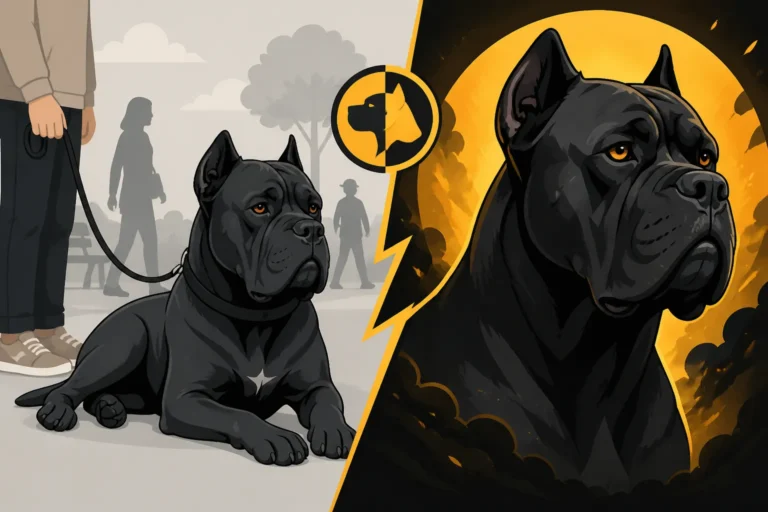
The Age a Cane Corso Becomes Territorial
It’s a common worry for anyone bringing a majestic Cane Corso into their home: when exactly does that powerful guardian instinct kick in? Many new owners feel a mix of anticipation and apprehension, wondering when their sweet, goofy puppy will start acting like the formidable protector they’re known to be, and how best to prepare for it. This guide will walk you through the typical developmental timeline of territorial behavior in Cane Corsos, helping you understand the subtle cues and proactive steps you can take to foster a well-adjusted, confident guardian.
Understanding the Natural Development of Territoriality in Cane Corsos
When you bring a Cane Corso puppy home, you’re often greeted by a bundle of clumsy affection, all wagging tail and puppy breath. It’s hard to imagine that little fluffball growing into a dog that will command respect and vigilance. But rest assured, the protective instincts that define the breed are there, simply waiting for the right stage of development and guidance to emerge. This isn't something that appears overnight; it's a gradual process, deeply tied to their physical and mental maturation.
The Puppy Phase: Early Curiosity, Not Yet Guarding
In the very early stages of a Cane Corso puppy’s life, generally from 8 weeks up to about 6 months, true territoriality isn't really a factor. During this critical period, your puppy is a sponge, absorbing every sight, sound, and smell the world has to offer. They're driven by curiosity and the innate need to form strong bonds with their human family. They’re exploring, learning what’s safe and what’s not, and their focus is on socialization and building confidence, not actively guarding a perimeter.
Think of it this way: a tiny puppy doesn't yet have the physical prowess or the fully developed brain to assess threats or defend space. Their primary concern is survival and connection. This is why The Socialization Window a Cane Corso Puppy Gets is so incredibly vital. Exposing them to a wide variety of people, places, and other friendly, vaccinated animals during these early months helps them build a robust understanding of the world. They learn what’s normal, what’s routine, and who is generally welcome. Without this crucial foundation, when their guarding instincts do start to surface, they might manifest as fear-based reactivity rather than calm, discerning protection. A well-socialized puppy grows into a more confident adult who can better distinguish a genuine threat from a harmless visitor.
Adolescence: The Onset of Protective Instincts
As your Cane Corso moves into adolescence, typically between 6 months and 18 months, you’ll start to notice the subtle — and sometimes not so subtle — shifts in their behavior. This is often when the first sparks of territoriality begin to flicker. Their bodies are growing rapidly, their hormones are surging, and their brains are maturing, prompting them to start assessing their environment with a more critical eye. What was once just "the yard" now starts to become "MY yard."
You might observe them becoming more vigilant, pausing at the window to watch passersby, or letting out a low growl at an unfamiliar sound outside. They might start positioning themselves between you and a stranger, or become more vocal when someone approaches the door. This isn't aggression for aggression's sake; it's the natural unfolding of their genetic programming as guardians. They are testing boundaries, both yours and the world’s, trying to figure out their role in the family unit and how to best protect their pack. Navigating this stage requires patience and consistent guidance, as a clumsy attempt at "guarding" can easily escalate if not properly channeled. This period is a huge part of Getting a Cane Corso Through Adolescence successfully.
Maturity: Full Expression of Guardian Behavior
By the time your Cane Corso reaches full maturity, typically between 18 months and 3 years old, their territorial instincts will be much more fully formed and expressed. This isn't just about showing sporadic protective behavior; it's about a deep, ingrained understanding of their role as a guardian. They are confident in their size and strength, and their assessment of their perceived territory and family is now well-established.
At this stage, a mature Cane Corso will often display a calm, discerning presence. They aren't necessarily reactive to every single stimulus, but they are constantly aware of their surroundings. When a perceived threat emerges, their response is usually measured and deliberate. This can involve a deep, resonant bark, a watchful stance at the property line, or a direct but non-aggressive interception of an unfamiliar person approaching the family. It's truly a magnificent thing to witness What a Cane Corso's Guardian Instinct Actually Is in its full, majestic form. Their territoriality is less about fear and more about a deep-seated responsibility. They see their home and family as theirs to protect, and they take that job very seriously. It’s crucial that by this point, they understand that you are the ultimate decision-maker regarding who is welcome and who is not.
Recognizing the Signs of Emerging Territorial Behavior
Knowing when and how territoriality typically develops is one thing, but actually seeing it unfold in your own Cane Corso can be quite another. It’s easy to miss the subtle early cues or misinterpret more overt displays, especially if you’re new to guardian breeds. Learning to read your dog’s body language and understanding their shifts in behavior is key to managing these powerful instincts effectively.
Subtle Cues in Younger Dogs
Before your Cane Corso is fully mature, their territorial displays might be more nuanced. These aren't necessarily full-blown guarding behaviors but rather indicators that their protective instincts are beginning to wake up.
- Increased Vigilance: You might notice your puppy or young adolescent spending more time observing their surroundings. They might stare intently out a window, or fixate on sounds from outside that they previously ignored. This isn't just idle curiosity; it's a heightened awareness of what's happening on "their" watch.
- Vocalizations: A low growl or a "woof" when a stranger passes by the house or approaches your car is a clear sign. This is their way of saying, "I see you, and I’m here." It's important to differentiate this from fear-based barking, which tends to be higher pitched and more frantic. A young Cane Corso might start to A Cane Corso That Barks at Everyone Who Passes more consistently.
- Physical Positioning: Your dog might start subtly placing themselves between you and a perceived outsider, or they might block access to a specific doorway or area. This is their developing sense of protecting their family and territory by creating a physical barrier.
- Stiffening Body Language: Watch for a sudden stiffening of their body, a raised head, ears perked forward, and a direct gaze. Their tail might be held still or move with a slow, deliberate sweep, rather than a loose, happy wag. These are all signals that they are assessing a situation and are ready to respond.
Catching these subtle cues early allows you to intervene with positive reinforcement and redirection, shaping their protective instincts into appropriate responses rather than letting them escalate into unwanted behaviors.
Overt Displays in Adolescent and Adult Corsos
As your Cane Corso matures, their territorial behaviors can become much more pronounced and less ambiguous. These are the classic guardian displays you often associate with the breed, and they require consistent management and clear communication from you.
- Fence Fighting/Rushing the Perimeter: If you have a yard, your Cane Corso might start to aggressively patrol the fence line, barking, growling, and possibly even lunging at people, dogs, or even cars passing by. This is their instinct to actively deter perceived intruders from "their" property. This can be a significant challenge to manage, especially if neighbors or their dogs are frequent triggers.
- Door Charging/Blocking: When someone knocks or rings the doorbell, a territorial Cane Corso might explode into action, rushing the door, barking intensely, and attempting to block entry. This isn't just excitement; it's a protective response. You might also notice them being very wary of delivery drivers or service personnel entering your property. If they start to A Cane Corso That Growls at Family Friends, it's a clear signal that they are making distinctions about who belongs.
- Resource Guarding (sometimes territorial): While often considered a separate issue, resource guarding can sometimes extend to guarding people or specific areas within the home. For example, a dog might growl if someone approaches their sleeping spot or attempts to sit next to their favorite person. This needs careful management to prevent escalation.
- Refusal of Entry: In extreme cases, an unmanaged territorial Cane Corso might actively prevent visitors or even certain family members from entering certain rooms or parts of the house. This is a serious situation that indicates the dog has taken on a role of authority that belongs to the human handler.
It's vital to remember that these behaviors are deeply ingrained instincts. You can't train them out of a Cane Corso entirely, nor should you try. Your goal is to manage them, channel them, and teach your dog how and when to guard appropriately, under your direction.
Differentiating Between Guarding and Anxiety
One of the most crucial distinctions a Cane Corso owner needs to make is between true guardian behavior and fear-based anxiety or reactivity. While both can present as barking, lunging, or growling, the underlying motivation and the dog's emotional state are very different, and therefore, the training approach must also differ.
True Guarding Behavior:
A Cane Corso exhibiting true guarding behavior is typically confident, calm, and deliberate in their actions. They are assessing a situation with a level head, not out of panic. Their body language might be stiff and alert, but not frantic or collapsed. They often hold their ground, their barks are deep and authoritative, and they are usually able to be redirected by their owner once they understand the perceived threat is no longer present or is accepted by the owner. This is the essence of What a Cane Corso's Guardian Instinct Actually Is – a powerful, discerning protector.
Fear-Based Anxiety/Reactivity:
In contrast, a Cane Corso acting out of fear or anxiety will often appear frantic, agitated, and less composed. Their barking might be higher pitched and more continuous. Their body language might show signs of stress: lip-licking, yawning, averted gaze, tail tucked, or even a crouched posture followed by an explosion of reactive behavior. This dog isn't confidently protecting; they are desperately trying to make the scary thing go away. What an Anxious Cane Corso Looks Like includes trembling, excessive panting, pacing, and potentially destructive behavior or vocalizations when left alone. If a dog is guarding out of fear, simply punishing the barking will only make them more anxious and potentially lead to a bite without warning, as they learn their warning signals are not allowed. It's essential to address the underlying fear and build confidence through positive reinforcement and gradual desensitization.
If you're unsure whether your Cane Corso's behavior stems from guarding instinct or anxiety, seeking advice from a professional, experienced dog trainer or behaviorist is always the best course of action. They can help you accurately assess your dog and develop a tailored plan.
Proactive Training and Management for a Territorial Cane Corso
Managing a Cane Corso's territorial instincts isn't about suppressing them, but about channeling them in a way that makes your dog a reliable and well-behaved member of society. This requires consistent training, clear communication, and a proactive approach from day one. Remember, a well-managed Cane Corso is a joy; an unmanaged one can be a significant liability.
Controlled Exposure and Positive Reinforcement
From puppyhood, it's crucial to expose your Cane Corso to a wide range of situations, people, and places in a controlled, positive manner. This isn't about forcing them to interact with everyone but about teaching them that novel experiences are generally neutral or positive, not automatically a threat.
- Neutral Socialization: Take your puppy or young dog to busy parks, pet-friendly stores, or outdoor cafes, but don't force greetings. The goal is for them to observe the world calmly from a distance, understanding that most people and other dogs are just part of the scenery. Reward them for calm observation with high-value treats. Programs like BAXTER & Bella often emphasize this kind of structured, positive exposure, which can be invaluable for guardian breeds.
- Structured Greetings: When introducing your Cane Corso to new people, manage the interaction carefully. Have guests ignore your dog initially, letting the dog approach them on their own terms. Once your dog is calm, you can allow a controlled interaction. Reward calm, polite greetings. You are teaching your dog that you vet visitors, and if you're relaxed, they should be too.
- Gate and Crate Management: Use baby gates (or even heavy-duty ones you can find on Amazon for larger breeds) to create safe zones. When guests are over, your Cane Corso can be behind a gate or in their crate with a long-lasting chew. This teaches them that they don't have to be involved in every interaction, and it gives them a secure place to decompress. This is especially helpful during the adolescent phase when their instincts are emerging but not fully honed.
- Desensitization to Triggers: If your dog barks at the mail carrier, start by rewarding them for simply not barking when the mail carrier is far away. Gradually decrease the distance, always rewarding calm behavior. This takes time and consistency but helps change their emotional response to the trigger.
Establishing Clear Boundaries and Leadership
Your Cane Corso needs to understand that you are the leader of the pack and that you control the "territory." This isn't about dominance in an aggressive sense but about clear communication and consistent rules that help your dog feel secure in your guidance.
- The "Place" Command: This is an indispensable tool for a territorial dog. Teaching your Cane Corso to go to their "place" (a mat, bed, or cot) and stay there until released gives you control over their movement and interactions. This is especially useful when guests arrive. Imagine someone knocking at your door: instead of a frantic rush, you calmly send your Cane Corso to their The Place Command That Saves a Cane Corso Household, where they wait until you invite them to greet.
- Waiting at Doors: Teach your Cane Corso to wait patiently at doorways – internal and external – until you give them permission to pass. This reinforces your leadership and teaches impulse control, which is vital for a strong, potentially reactive dog. This simple act of waiting teaches them that you control access to and from the territory.
- Consistent Rules: Every family member must be on the same page with rules and commands. Inconsistency can confuse a Cane Corso and make them feel they need to take charge, exacerbating territorial behaviors. The Handler a Cane Corso Respects is one who is firm, fair, and utterly consistent.
- Recall Training: A solid recall is non-negotiable. If your Cane Corso is outside and starts to get overly focused on something beyond your property line, you need to be able to call them away instantly. Start recall training in low-distraction environments and gradually increase the challenge.
Managing External Stimuli
Sometimes, the best offense is a good defense – or in this case, proactive management of what triggers your Cane Corso's territorial instincts.
- Privacy Fencing: If your Cane Corso spends time in a yard, consider privacy fencing or adding privacy screens to existing fences. "See-through" fences can be a constant source of frustration for a territorial dog, leading to fence fighting and chronic reactivity. Fencing That Actually Holds a Cane Corso is not just about height but also about preventing visual access to triggers.
- Window Film/Blinds: If your dog barks excessively at things outside the window, consider applying frosted window film or keeping blinds/curtains closed during peak "trigger" times. Reducing visual stimuli can significantly lower their stress levels and reactivity.
- Controlled Yard Access: Don't just let your Cane Corso roam the yard unsupervised for long periods, especially if they are prone to patrolling and barking. Supervise their outdoor time and engage them in activities like play or training to keep them focused on you.
- Walking Protocols: When walking your Cane Corso, especially in busy areas, be proactive. If you see a potential trigger (another dog, a person approaching), cross the street or create distance. Teach a "look at me" command to redirect their attention before they become reactive. Learning to Crossing the Street to Avoid a Reactive Cane Corso Moment is a valuable skill that saves both you and your dog stress. Use appropriate training tools, like a well-fitted head halter or a front-clip harness, which can provide better control for a strong dog.
| Age Range | Stage of Development | Key Behavioral Changes | Training Focus | Management Strategies |
|---|---|---|---|---|
| 8 weeks – 6 months | Puppyhood | Curious, highly social, bonding with family, minimal territoriality. | Early socialization, positive experiences, basic obedience. | Supervised exposure, crate training, positive introductions. |
| 6 months – 18 months | Adolescence | First signs of vigilance, increased awareness of surroundings, testing boundaries. | Impulse control, "Place" command, structured greetings, continued socialization. | Gate management, privacy measures, controlled exposure, rewarding calm. |
| 18 months – 3 years+ | Maturity | Fully developed guardian instincts, deliberate and confident protection, strong assessment of threats. | Refined obedience, clear leadership, continued proofing commands in varied environments. | Consistent rules, strict management of access, desensitization, professional guidance for issues. |
Common Pitfalls and What to Avoid
Even with the best intentions, it's easy to make mistakes when managing a Cane Corso's developing territoriality. Some common responses can inadvertently worsen the very behaviors you're trying to control. Being aware of these pitfalls can save you a lot of frustration and ensure your Cane Corso grows into the balanced guardian you desire.
Punishing Natural Instincts
One of the most damaging mistakes an owner can make is to punish their Cane Corso for growling or barking when they feel a threat. While you might think you're stopping the unwanted behavior, what you're actually doing is suppressing their warning signals. A growl is a dog's way of saying, "I'm uncomfortable, please back off." If you punish that growl, your dog learns that warning you is unacceptable.
The danger here is that the underlying discomfort or territorial drive doesn't disappear; it simply goes underground. This can lead to a dog that, when pushed beyond its comfort zone, might go straight to a bite without any preceding warning. Imagine if your child was scolded every time they said they felt scared – eventually, they'd stop telling you, and you'd miss vital cues. It's similar for dogs. Instead of punishing the growl, acknowledge it, assess the situation, and then redirect or remove your dog from the trigger. You might say, "Thank you for alerting me, I'll take it from here." Then, calmly lead them away or ask them to go to their The Place Command That Saves a Cane Corso Household. Understanding Whether a Cane Corso Should Be Corrected for Growling is crucial for building trust and ensuring safety.
Insufficient Socialization and Exercise
A Cane Corso that hasn't received adequate socialization and exercise is a recipe for disaster, especially when their territorial instincts kick in. A dog that is under-exercised will have pent-up energy, which can make them more reactive and prone to destructive behaviors. Think of it: if they don't have appropriate outlets for their energy, that drive has to go somewhere, and often it manifests as an exaggerated response to everyday stimuli. What Happens to an Under Exercised Cane Corso can range from incessant barking to chewing furniture or even aggression.
Similarly, a lack of varied, positive socialization can lead to a dog that views anything new or unfamiliar as a threat. If your Cane Corso has only experienced your home and a select few people, when they encounter strangers or new environments, their ingrained territorial drive kicks in, but without the confidence that comes from diverse exposure. They might react out of fear or uncertainty rather than a calm assessment. Neutral Socialization for a Cane Corso at Twelve Weeks is about exposing them to the world without forcing interaction, building a broad understanding of what's normal and safe. Skipping this can result in a highly reactive and fearful adult who struggles with visitors, walks, and any deviation from their limited routine.
Reinforcing Unwanted Behaviors
Sometimes, we accidentally reinforce the very behaviors we don't want. This often happens because we're trying to soothe or comfort our dog, but in their mind, our actions are a reward. For instance, if your Cane Corso barks aggressively at the window, and you go over and pet them, saying "It's okay, buddy," they might interpret your attention and soothing tone as praise for their barking. They think, "Mom/Dad is happy I barked at that scary thing!"
Another example is if your dog lunges at another dog on a walk, and you immediately pull them away and give them a treat to distract them. While the intention might be to disengage them, the dog might associate the treat with the lunge, effectively reinforcing the reactive behavior. Instead, you need to create distance before the reaction happens, and then reward them for staying calm. If a lunging incident does occur, keep your energy calm, redirect firmly, and move on. The key is to reward the desired behavior (calmness, looking at you) and not the undesired one (barking, lunging). Consistency from everyone in the household is paramount. If one person allows certain behaviors while another punishes them, your Cane Corso will be confused and unsure of their role, potentially leading to increased anxiety and more pronounced territorial displays.
Disclaimer
This article is for general informational purposes only and does not constitute professional advice. Laws, prices and regulations vary by location and change over time. Consult a qualified professional for guidance on your specific situation.