Crossing the Street to Avoid a Reactive Cane Corso Moment
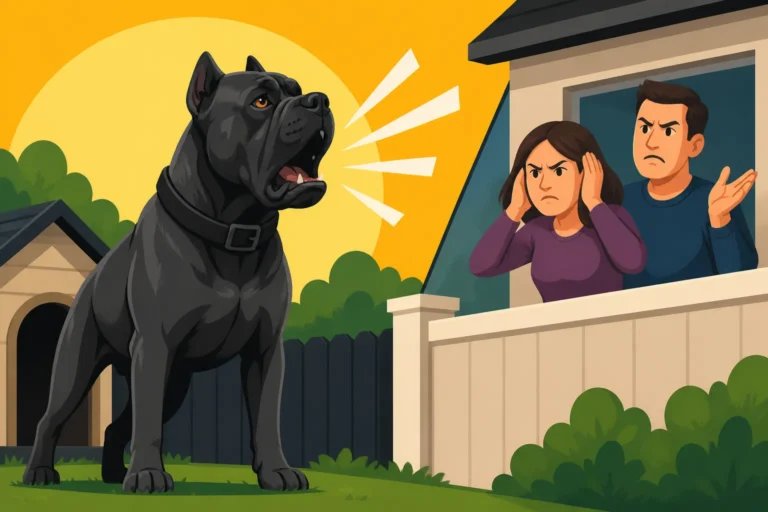
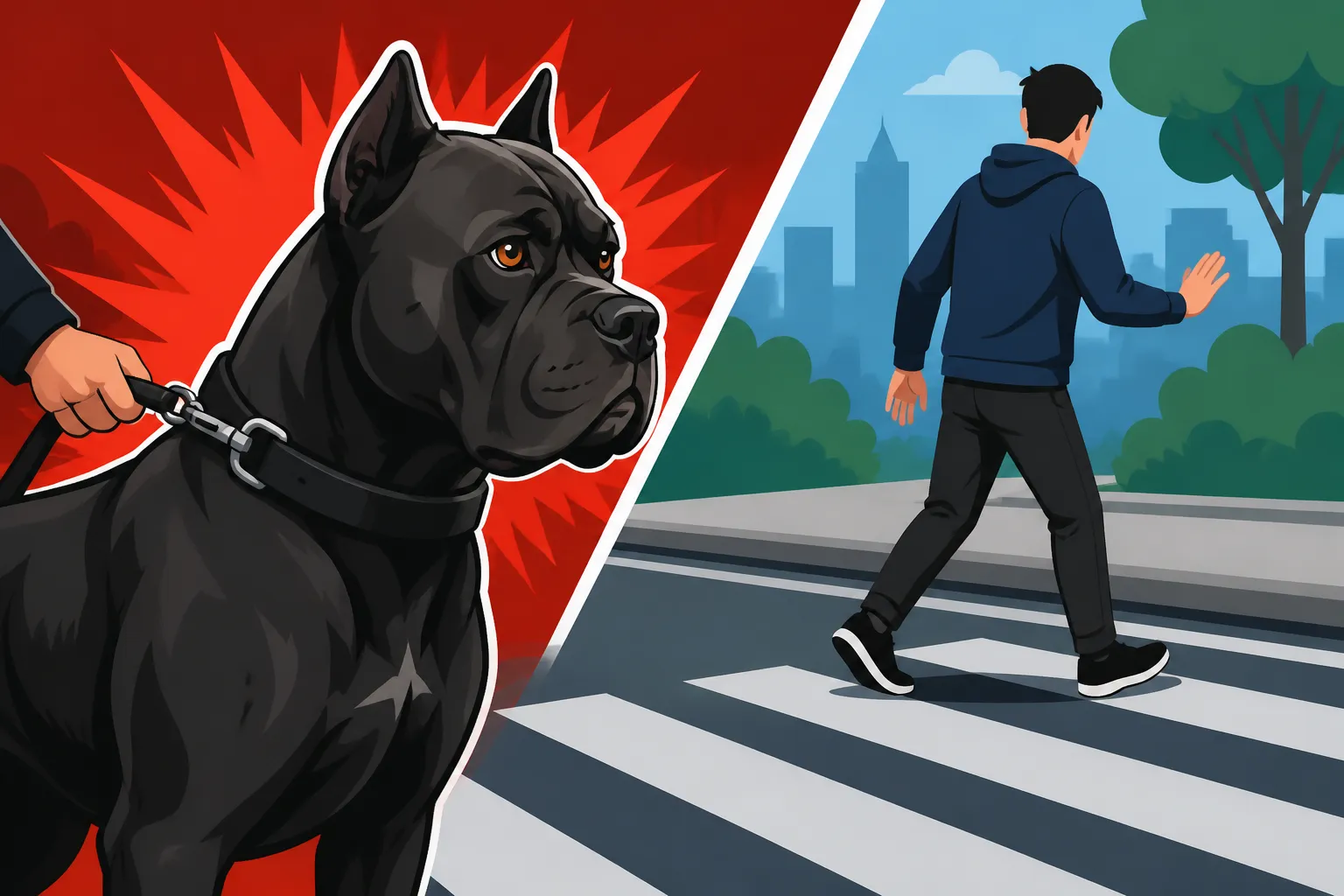
You're out walking your powerful Cane Corso, enjoying what should be a peaceful stroll, when suddenly you see it—another dog, a jogger, a bicycle, or a child on a scooter, just a little too close for comfort. Your heart sinks because you know what's coming: the lunging, the barking, the full-body tension that can turn a pleasant outing into a wrestling match and leave you both stressed and embarrassed. It's a common, incredibly frustrating reality for many Cane Corso owners, and it makes you dread going outside. This guide is all about giving you a simple, effective, and immediately actionable strategy to navigate these challenging moments: proactively crossing the street to defuse a reactive situation before it even begins.
Understanding Reactive Behavior in Your Cane Corso
It's easy to feel like your Cane Corso is "bad" or "aggressive" when they react, but that's rarely the full picture. Understanding why they react is the first step toward managing it effectively and building a more confident relationship with your formidable companion.
What Triggers Reactivity in a Cane Corso?
Reactivity isn't always about aggression; it's often a dog's way of communicating that they're overwhelmed, fearful, or highly frustrated by something in their environment. For a breed like the Cane Corso, with their strong guarding instincts and inherent wariness of strangers or novel stimuli, these triggers can be varied and intense. It could be the sight of another dog, especially one that stares or barks. It might be the sudden appearance of a child on a skateboard, or even just the mail carrier approaching your home. The key is that it's a response to a perceived threat or an inability to access something they want, like another dog they're excited to greet but are restrained from.
Sometimes, reactivity stems from a lack of proper, neutral socialization during their crucial puppyhood. If a Cane Corso puppy wasn't exposed to a wide variety of sights, sounds, people, and other dogs in a positive and controlled way, new experiences later in life can be overwhelming. They might bark and lunge as a "back off" mechanism because they're unsure or afraid. Other times, it's sheer over-arousal – a huge dog like a Cane Corso can become incredibly excited by something and the inability to reach it causes a frustrated outburst. Their powerful build means these outbursts are not just noticeable but can be genuinely difficult to control for even the most experienced handler.
The Impact of a Reactive Episode on You and Your Dog
Let's be honest, those reactive moments take a heavy toll. For you, the owner, there's the immediate physical strain of holding back a hundred-pound dog, the embarrassment as passersby stare, and the profound anxiety that builds even before you step out the door. You might start avoiding walks altogether, or stick to obscure routes, just to escape the potential for conflict. This constant dread erodes the joy of having a dog and can make you feel isolated and frustrated, wondering if you're doing something wrong.
For your Cane Corso, each reactive episode is a deeply stressful event. Their adrenaline spikes, their heart rate increases, and they enter a state of fight or flight. This isn't fun for them; it's a survival response. Repeated exposure to triggers without proper coping mechanisms can lead to "trigger stacking," where your dog's stress levels accumulate, making them more prone to react to even minor stimuli. This cycle reinforces the negative association with the trigger, making future encounters even harder. What's more, when they successfully scare something away (even if it was just walking by), they learn that barking and lunging works, making the behavior even harder to extinguish. You are both caught in a cycle that needs a break.
The Proactive Power of Crossing the Street
So, what's a Cane Corso owner to do? One of the most effective, immediate, and often overlooked strategies is simply using your environment to your advantage. Crossing the street isn't about giving up; it's about being smart, confident, and proactive.
Why Crossing the Street is a Smart Strategy
Think of crossing the street as your secret weapon, a way to hit the reset button before things escalate. Its power lies in increasing distance between your dog and the trigger, breaking visual contact, and reducing the immediate pressure. Most reactive dogs have a "threshold"—a distance at which they can observe a trigger without reacting. By proactively increasing that distance, you're keeping your Cane Corso below their threshold, allowing them to remain calm. This isn't a sign of failure; it's a demonstration of responsible pet ownership and a keen understanding of your dog's needs. You wouldn't drive head-on into a traffic jam if you saw an alternate route, right? The same logic applies here.
This strategy prevents the adrenaline dump that comes with a full-blown reaction, both for your Cane Corso and for you. Every successful avoidance is a small victory, teaching your dog that walks can be calm and that you are in control of the environment. Over time, consistently avoiding over-threshold reactions can actually help lower your dog's overall stress levels and potentially even raise their threshold, making them more resilient to triggers in the future. It’s a tool for immediate stress reduction and long-term behavioral improvement.
Reading the Environment Like a Cane Corso Pro
To successfully cross the street, you need to develop what I call "Cane Corso Vision." This means scanning your environment constantly, looking ahead, and anticipating potential triggers before they become an issue. Are there other dog walkers coming out of driveways? Are there children playing loudly in a yard further down the block? Is a delivery truck making its rounds? You need to be aware of what's approaching from all directions, including what might come around a blind corner or emerge from a parked car.
Beyond just spotting external triggers, you also need to learn to read your own Cane Corso's body language. What are the subtle cues that tell you they're noticing something and starting to tense up? Is it a head turn, a stiffening of their tail, a halt in their sniffing, or a slight change in their ear position? Reading a Cane Corso's Body Language at a Distance can give you invaluable insight. Catching these early signs gives you a head start to implement your crossing strategy before your dog is fully locked on and too aroused to disengage. The earlier you spot the trigger, the easier it is to maneuver your dog calmly away. This proactive approach makes all the difference.
Step-by-Step: Executing a Smooth Cross
Once you've spotted a potential trigger and assessed the situation, executing a smooth, confident street cross is paramount. It needs to be swift and purposeful, signaling to your Cane Corso that you have things under control.
The "See It, Name It, Move It" Approach
This is your mantra for proactive avoidance. First, "See It": spot the trigger from a distance. Let's say you're on a suburban street, and you see a small poodle being walked on the opposite side, two blocks ahead. Instead of waiting, you make the decision to avoid. Second, "Name It": calmly and clearly, acknowledge the trigger to your dog. You might say, "Okay, buddy, dog ahead. Let's go!" in a cheerful, matter-of-fact tone. This isn't a scolding; it's an instruction. It signals to your Cane Corso that you've got this, and you're making a plan.
Third, "Move It": confidently and smoothly change your direction. Angle towards the nearest crosswalk or a safe spot to cross. Don't hesitate or appear anxious, as your dog will pick up on your tension. Your confidence is key here. If there's no immediate crossing point, you can even make a U-turn and walk back the way you came for a block or two until the coast is clear, or duck into a quiet side street. The goal is simply to create enough distance and change the visual scene so that your Cane Corso doesn't feel the need to react. Remember, consistency in this approach will teach your Cane Corso to trust your judgment on walks.
Using Your Leash and Body Language Effectively
When you need to move your Cane Corso, your leash and body language are your most powerful tools. A sudden yank on the leash or a tense, stiff posture from you can actually increase your dog's anxiety. Instead, use a gentle, consistent pressure to guide them. If you're struggling with a dog that pulls, exploring options like Whether a Front Clip Harness Stops a Cane Corso Pulling can provide more leverage and control without putting pressure on their throat. Some owners find tools like a well-fitted prong collar, used under the guidance of a professional trainer, can offer better communication and control, as discussed in Whether a Prong Collar Is Needed on a Cane Corso. The goal is a smooth transition, not a struggle.
Your body language should be calm and authoritative. Instead of staring at your dog anxiously, look confidently in the direction you want to go. You can even use your body to create a physical barrier or block your dog's line of sight to the trigger if needed. For instance, step slightly in front of them as you turn to cross, using your own body as a shield. Keep the leash loose enough to allow movement but taut enough to guide. A constant, heavy tension on the leash can escalate arousal, but a quick, firm, directional cue communicates your intent effectively. This allows you to avoid those moments where you are left Stopping a Cane Corso Before It Drags You Off Your Feet.
Reinforcing Calmness After the Cross
Successfully navigating a potential trigger by crossing the street is a huge win, and it absolutely deserves to be celebrated. The moment you've successfully put distance between your Cane Corso and the trigger, and they are back in a calm, neutral state, that's your cue to reinforce that desired behavior. Don't wait until you get home to reward them; the reward needs to be immediate and associated with the action of disengaging and moving with you.
Offer a high-value treat – something they really love. This could be a piece of cooked chicken, cheese, or even some yummy training treats you found on Amazon or from brands like BAXTER & Bella. A few small pieces, delivered calmly, along with soft praise like "Good job, buddy!" or "Yes, that's it!" can create a powerful positive association. You want them to think, "Moving away from that scary thing with my human means good things happen!" This counter-conditioning helps shift their emotional response from fear or frustration to a more positive, relaxed feeling in the presence of potential triggers. A quick sniff of some grass or a moment to relax their body can also be a reward in itself, showing them that calm behavior pays off.
Beyond Just Crossing the Street: Long-Term Management
While crossing the street is a fantastic management strategy for immediate relief and safety, it's just one piece of the puzzle when it comes to living with a reactive Cane Corso. Long-term success involves consistent training and a deep understanding of your dog's emotional landscape.
Consistent Training and Desensitization
Proactive avoidance like crossing the street buys you time and prevents rehearsals of undesirable behavior, but it doesn't cure reactivity. For true progress, you'll want to work on a consistent training program focused on desensitization and counter-conditioning. This means gradually exposing your Cane Corso to their triggers at a distance where they don't react, and pairing that exposure with positive things like treats or praise. The goal is to slowly change their emotional association with the trigger. Instead of seeing another dog and thinking "threat," they learn to see another dog and think "treats!"
This kind of training is best done with the guidance of a certified professional dog trainer or behaviorist who understands large, powerful breeds like the Cane Corso. They can help you identify your dog's specific threshold and teach you techniques to manage their arousal, building their confidence and impulse control. For safety and peace of mind during this process, especially in public, considering Why Every Cane Corso Should Be Muzzle Trained Early is a responsible step, ensuring everyone remains safe while your dog learns.
The Importance of a Reliable Recall and Focus
Even if your Cane Corso is always on a leash in public (which is often the safest and most responsible choice for a guardian breed), a strong recall and the ability to refocus on you are invaluable. If you're caught off guard, or if a trigger appears unexpectedly, being able to quickly divert your dog's attention to you can prevent a full-blown reaction. Commands like "watch me" or a solid recall, even from a distance, can interrupt their intense focus on a trigger and bring them back to a calm state.
Start practicing "look at me" exercises in quiet environments, rewarding generously for eye contact. Build up to practicing Recall Training a Cane Corso in an Open Field where distractions are minimal, gradually increasing the challenge. When you're out walking, periodically ask for a "check-in" or a "look at me," rewarding them for breaking their gaze from the environment to focus on you. This builds a habit of checking in with you and reinforces that you are the most interesting and rewarding thing on the walk.
Your Emotional Resilience as a Cane Corso Owner
Let's be real: owning a reactive Cane Corso is hard work. It can be emotionally draining, frustrating, and sometimes isolating. It's easy to get discouraged when progress feels slow or when you have a particularly tough walk. Please know that you are not alone in these feelings. It takes immense dedication and patience to work with a reactive dog, especially one as powerful and opinionated as a Cane Corso.
Give yourself grace. Celebrate the small victories – the time you spotted a trigger early and crossed the street without a peep, the moment your dog chose to look at you instead of barking, or even just completing a walk without incident. Your resilience and calm demeanor are crucial for your dog's success. If you're feeling overwhelmed, don't hesitate to seek support from other Cane Corso owners or a professional trainer. Remember, your dedication makes a profound difference in your dog's quality of life and your shared journey. Understanding What an Anxious Cane Corso Looks Like can also help you recognize when they are truly struggling and need your calm guidance.
| Strategy Component | Reactive Walk Mindset (Before) | Proactive Walk Mindset (After) |
|---|---|---|
| Observation | Panicked scanning for threats | Calmly scanning for opportunities to avoid/manage |
| Response | Brace for impact, pull back | Confident decision to maneuver, guide |
| Emotion | Stress, embarrassment, dread | Control, confidence, patience |
| Dog's State | High arousal, frustrated | Calm, neutral, rewarded |
| Outcome | Escalation, negative reinforcement | Avoidance, positive reinforcement |
| Owner's Feeling | Exhausted, defeated | Empowered, relieved |
Disclaimer
This article is for general informational purposes only and does not constitute professional advice. Laws, prices and regulations vary by location and change over time. Consult a qualified professional for guidance on your specific situation.