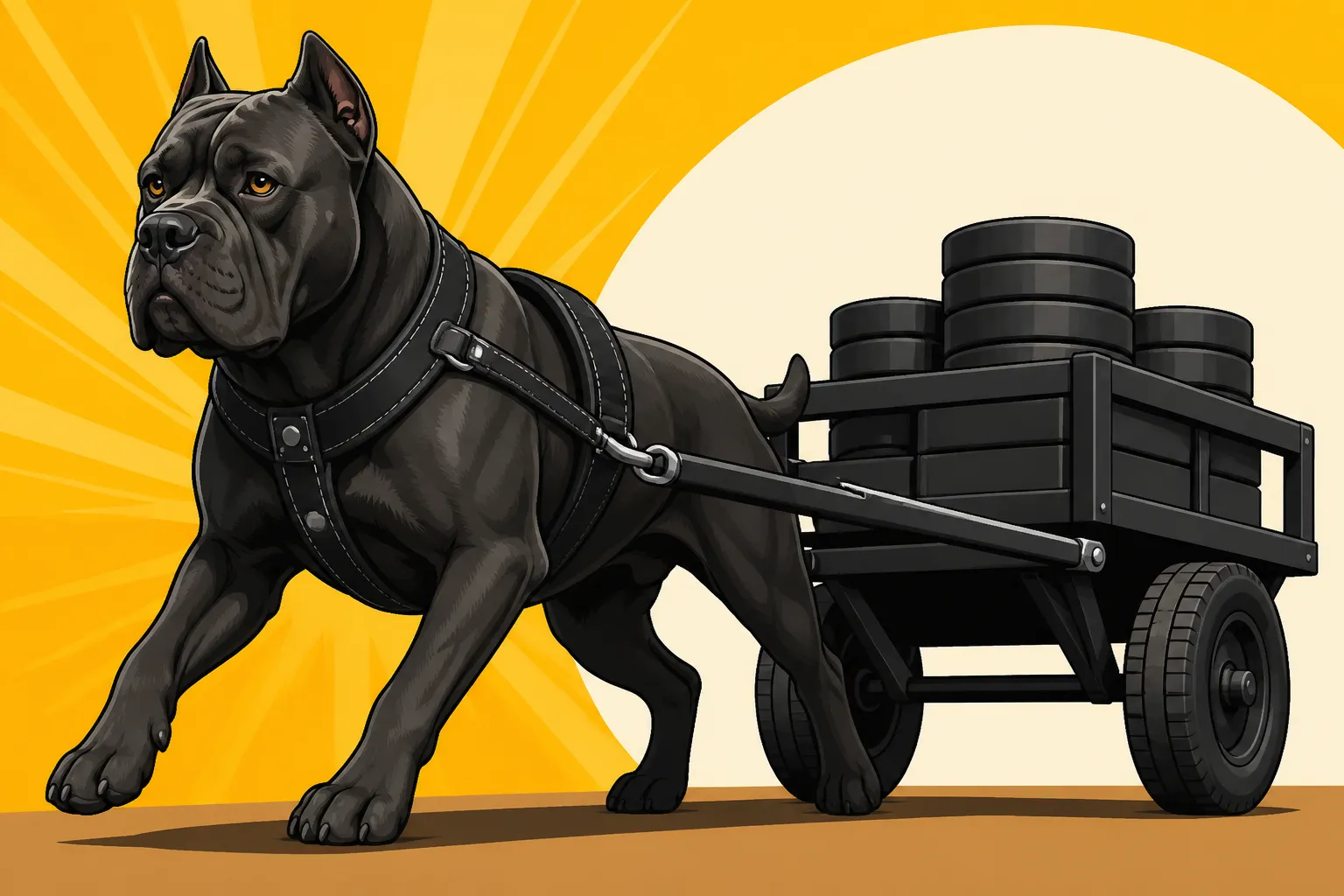
Whether a Cane Corso Can Pull a Weight Cart
When you look at a powerful, muscular dog like a Cane Corso, it's natural to wonder what incredible feats of strength they might be capable of. Many owners are curious if their impressive build and historical working background make them suitable for activities like weight cart pulling. This guide will explore whether a Cane Corso can indeed participate in weight pulling, what goes into preparing them, and how to do it safely and effectively.
The Cane Corso's Innate Capabilities for Draft Work
The Cane Corso is a breed renowned for its strength, resilience, and imposing physical presence. Hailing from Italy, these dogs were originally bred for a variety of demanding tasks, which speak volumes about their inherent capabilities for hard work. Understanding their historical role and physical attributes is key to appreciating their potential in sports like weight pulling.
Historical Context and Build
Historically, Cane Corsos were not just guardians; they were integral working dogs on Italian farms. Their tasks included driving cattle, hunting large game like wild boar, and acting as formidable protectors of property and livestock. This lineage means they possess a deep-seated drive to work and a physical conformation built for power and endurance. Think about their robust bone structure, their deep chests, and their incredibly strong hindquarters – these aren't features for lounging on the sofa all day. They are the hallmarks of an athlete. Their history as practical, all-around farm dogs means they're accustomed to physical exertion and problem-solving, which translates well into modern working dog sports. For more on their origins, you might want to read The Roman War Dog Behind the Cane Corso and The Farm Job the Cane Corso Was Kept For. These dogs weren't pulling carts as their primary job back in the day, but their strength and willingness to work are undeniable.
Understanding Their Motivation
A Cane Corso, like many working breeds, thrives on having a purpose. They aren't just built strong; they are also intelligent and eager to please their handlers, particularly when given clear direction and positive reinforcement. Weight pulling isn't just about raw power; it also requires focus, discipline, and a strong bond with the handler. For a Cane Corso, the satisfaction often comes from the challenge itself and the partnership with their human. It’s a fantastic way to channel their immense energy and provide mental stimulation. A bored Cane Corso can quickly become a destructive one, so providing outlets for their intelligence and physical prowess is paramount. Activities that challenge both their mind and body can significantly improve their overall demeanor and happiness.
Essential Training and Conditioning for Weight Pulling
Before you even think about attaching a cart to your Cane Corso, a solid foundation of training and proper conditioning is absolutely non-negotiable. This isn't a sport to jump into haphazardly; it requires careful preparation to ensure both your dog's safety and success.
Building a Solid Foundation
The very first step is ensuring your Cane Corso has excellent basic obedience and leash manners. Imagine a hundred-pound dog pulling a loaded cart – you need to be in complete control at all times. Commands like "stay," "wait," "forward," and a reliable "stop" are critical. Your dog should understand how to walk calmly on a leash, even with distractions, before you introduce a harness and cart. This foundation creates a clear line of communication and trust, which is vital when asking them to perform a strenuous task. Many owners find a structured training program invaluable for this. Resources like BAXTER & Bella offer online courses that can guide you through fundamental obedience, building a dog that is responsive and attentive. Strong leash skills are not just for walks; they are the bedrock of any serious working activity with a large, powerful breed. If your Cane Corso is still learning the ropes, check out Leash Manners Before a Cane Corso Hits Ninety Pounds. Providing them with Ninety Minutes a Day and a Cane Corso's Mind is a good way to ensure they are mentally stimulated and ready for focused training sessions.
Gradual Introduction to Equipment and Weight
Once your Cane Corso is a master of basic obedience, you can begin the introduction to the weight pulling equipment. This should always be a positive experience.
- Harness Familiarization: Start by simply letting your dog wear the specialized pulling harness around the house and on short walks. This isn't their regular walking harness; it's designed to distribute weight evenly across their chest and shoulders, preventing injury. You can find excellent quality pulling harnesses on platforms like Amazon.
- Cart Introduction (Empty): Next, introduce the empty cart. Let your dog sniff it, get comfortable with its presence. Then, attach the harness to the empty cart and let them drag it for very short distances on flat, even ground. The goal here is just to get them used to the feel of something behind them. Celebrate every small success with praise and treats.
- Adding Minimal Weight: Only after they are completely comfortable with the empty cart should you start adding a tiny amount of weight – perhaps a single brick or a small bag of sand. Increase the weight incredibly slowly, over many sessions and weeks, never pushing your dog beyond their comfort or physical limits. The journey is long and incremental.
Consistency and patience are your best friends here. Keep sessions short, fun, and always end on a positive note. Never force your dog to pull if they seem hesitant or uncomfortable.
Proper Form and Technique
Good form is everything in weight pulling, not just for performance but for preventing injury. You want your Cane Corso to pull in a straight line, with a smooth, deliberate motion, engaging their powerful hindquarters.
- Encourage a Forward Lean: The ideal pulling stance involves a slight forward lean into the harness, driving with the legs.
- Avoid Jerking: Teach your dog to start pulling smoothly, without sudden jerks that can strain muscles and joints. A verbal cue like "pull" or "forward" given calmly can help them anticipate the action.
- Maintain Focus: Keep their attention on you, using positive reinforcement to guide them. Some handlers will walk a few steps ahead, encouraging the dog to follow with the cart.
- Short Bursts: Especially in the beginning, focus on very short pulls over small distances. As they build strength and confidence, you can gradually increase the distance or duration, but always prioritizing form over sheer weight.
Health, Safety, and Equipment Considerations
Weight pulling is a strenuous activity, and the well-being of your Cane Corso must always be the top priority. Neglecting health checks or using improper equipment can lead to serious injury.
Veterinary Clearance and Joint Health
Before your Cane Corso attempts to pull any significant weight, a thorough veterinary examination is absolutely essential. This isn't just a routine check-up; it needs to be an assessment specifically for strenuous activity.
- Comprehensive Physical Exam: Your vet will check for any underlying health conditions, particularly focusing on cardiovascular health and respiratory function.
- Orthopedic Evaluation: This is paramount for a large, heavy breed like the Cane Corso. They are prone to orthopedic issues such as hip and elbow dysplasia. Your vet should confirm that your dog's joints are sound and free from any issues that could be exacerbated by weight pulling. Many responsible breeders will already have their Cane Corsos screened for these conditions, but a current check is always needed before starting a new sport. Learn more about these concerns in Hips and Elbows a Cane Corso Must Be Cleared On.
- Age Considerations: A Cane Corso puppy should never be engaged in weight pulling. Their bones and joints are still developing, and putting such stress on them can cause irreversible damage. Most experts recommend waiting until a Cane Corso is fully mature, typically around 18-24 months, before beginning serious weight-pulling training. It’s a good idea to know The Age a Cane Corso Can Be Hip Scored to understand proper developmental timing for joint health.
Remember, a lean, well-conditioned Cane Corso is a healthier Cane Corso for such activities. Keep an eye on their weight, as Why a Lean Cane Corso Keeps Its Hips Longer is a well-known fact among large breed owners.
The Right Gear
Using the correct equipment is critical for safety and efficiency in weight pulling.
- Specialized Pulling Harness: This is not a regular walking harness. A weight-pulling harness is designed to distribute the load evenly across the dog's chest and shoulders, preventing pressure points and injury to the neck or spine. Look for harnesses with wide, padded straps and a proper fit that allows for full range of motion. Several reputable brands offer these, and you can find a good selection on online marketplaces like Amazon.
- Weight Cart: Carts vary in design and material, but they should be stable, durable, and easy to load and unload. Some use a flatbed design, while others are more like sleds. Ensure the cart is appropriate for your dog's size and the terrain you'll be training on.
- Appropriate Weights: Start with very light weights and gradually increase. Do not use weights that shift dramatically, as this can startle or injure your dog. Sandbags, small dumbbells, or specialized weight plates are common choices.
- Protective Booties (Optional but Recommended): Depending on the surface you're training on (asphalt, gravel, etc.), dog booties can protect your Cane Corso's paw pads from abrasions and extreme temperatures.
Here’s a comparison of common pulling harness types:
| Harness Type | Description | Ideal Use | Pros | Cons |
|---|---|---|---|---|
| X-Back Harness | Straps cross over the dog's back, distributing pull evenly across the body. | Sledding, carting, general pulling. | Excellent weight distribution, comfortable for long pulls. | Can be bulky, may require specific fit for optimal performance. |
| H-Back Harness | Similar to X-back but with an H-shape on the back. | Similar to X-back. | Good distribution, often more adjustable. | Still requires precise fitting. |
| Freight Harness | Designed for heavier loads, often with wider chest plates and more padding. | Serious weight pulling, heavy carting. | Maximizes comfort and minimizes pressure points for extreme loads. | Can be very expensive, might be overkill for beginner training. |
| Shoulder Harness | Attaches directly to the chest and shoulders, less common for heavy pulling. | Light carting, beginners, less strenuous activity. | Simpler design, often easier to put on. | Less effective weight distribution for very heavy loads, can restrict shoulder movement if not fitted correctly. |
For more on choosing appropriate gear, you might want to look at Harnesses Rated for a Cane Corso's Pull.
Environmental Factors and Hydration
- Weather: Never train in extreme heat or humidity. Cane Corsos, like all brachycephalic (short-nosed) breeds to a lesser extent, can be susceptible to overheating, even though they are not truly brachycephalic. Even dogs with traditionally well-formed muzzles can struggle in heat when exerting themselves. Early mornings or late evenings are best in warmer climates. Similarly, extreme cold can pose risks without proper protection.
- Surface: Begin training on a flat, even, and relatively soft surface, such as grass or packed dirt. Avoid uneven terrain or excessively hard surfaces like concrete, which can be tough on joints.
- Hydration: Always have fresh water available before, during, and after training sessions. Encourage your Cane Corso to drink frequently to prevent dehydration.
- Rest Breaks: Keep sessions short and include plenty of rest breaks, especially when first starting out or increasing weight. Watch for any signs of fatigue, discomfort, or loss of enthusiasm from your dog. Their enjoyment should be a priority.
Getting Started with Weight Pulling: A Step-by-Step Approach
Embarking on weight pulling with your Cane Corso should be a structured and gradual process. Rushing things will only lead to frustration, potential injury, and a loss of enthusiasm for your dog.
Initial Exposure and Basic Drills
Before you even hook up a cart, ensure your Cane Corso understands the "pull" concept. This can be taught with a regular leash and harness. Start by having them walk a short distance, then gently add slight resistance while giving a clear verbal cue like "pull" or "forward." Reward heavily when they lean into the pressure.
Next, introduce the empty pulling harness. Let them wear it for short periods, gradually increasing the duration. Make it a positive experience with treats and praise. Once comfortable, attach the harness to a lightweight object, like a small plastic sled or a tire without a rim, and let them drag it around the yard for a few minutes. The key is to make this initial exposure fun and low-pressure. Think of it as a game rather than a chore. Consistency in these early stages builds confidence and a positive association with the equipment.
Developing Strength and Endurance Gradually
Once your Cane Corso is happy wearing the harness and dragging an empty cart or light object, you can start to introduce minimal weight. Remember, the focus here is on building strength and endurance progressively, not on seeing how much they can pull immediately.
- Small Increments: Start with a very small, fixed amount of weight in the cart – something your dog can easily pull without straining. A single bag of sand or a few bricks often works well.
- Short Distances: Begin with very short pulling distances, perhaps 10-20 feet, on flat ground. As your dog gets stronger, you can gradually increase the distance.
- Controlled Sessions: Keep training sessions short, usually no more than 10-15 minutes of actual pulling time, especially in the beginning. Multiple short sessions are better than one long, exhausting one.
- Listen to Your Dog: Pay close attention to your Cane Corso's body language. Are they enthusiastic? Are they showing any signs of discomfort, lameness, or fatigue? If so, stop immediately. Rest is crucial, and pushing them too hard can lead to injury or turn them off the sport entirely.
- Incorporate Rest: Just like human athletes, dogs need rest days for muscle recovery and growth. Don't train every single day. Two to three sessions a week, combined with other forms of exercise, is a good starting point. You'll want to ensure your Cane Corso is receiving The Age a Cane Corso Can Start Real Exercise and not overdoing it.
- Joint Supplements: As they progress, you might want to consider Whether a Cane Corso Benefits From Joint Supplements in consultation with your veterinarian, to support their hardworking joints.
Joining a Club or Seeking Professional Guidance
While you can certainly start basic weight pulling training on your own, joining a local weight pulling club or seeking guidance from an experienced professional is highly recommended.
- Expert Advice: Experienced trainers can offer invaluable advice on proper technique, equipment fit, and safe progression. They can spot subtle signs of strain you might miss and help you tailor a training program specific to your Cane Corso's needs and abilities.
- Community and Support: Being part of a club provides a supportive community where you can learn from others, share experiences, and potentially participate in organized events. These events are great opportunities to see how the sport is run and to test your Cane Corso's skills in a structured environment.
- Motivation: Training with a group can be motivating for both you and your dog, pushing you to achieve new goals.
- Competition: If you and your Cane Corso enjoy the sport, there are many organizations that host weight pulling competitions, allowing you to showcase your dog's strength and discipline.
Ultimately, weight pulling can be a incredibly rewarding activity for a Cane Corso and their owner. It provides an amazing outlet for their physical and mental energy, strengthens your bond, and allows them to demonstrate the impressive capabilities inherent in their breed. Approach it with patience, knowledge, and a commitment to your dog's health and safety, and you'll both enjoy the journey.
Disclaimer
This article is for general informational purposes only and does not constitute professional advice. Laws, prices and regulations vary by location and change over time. Consult a qualified professional for guidance on your specific situation.