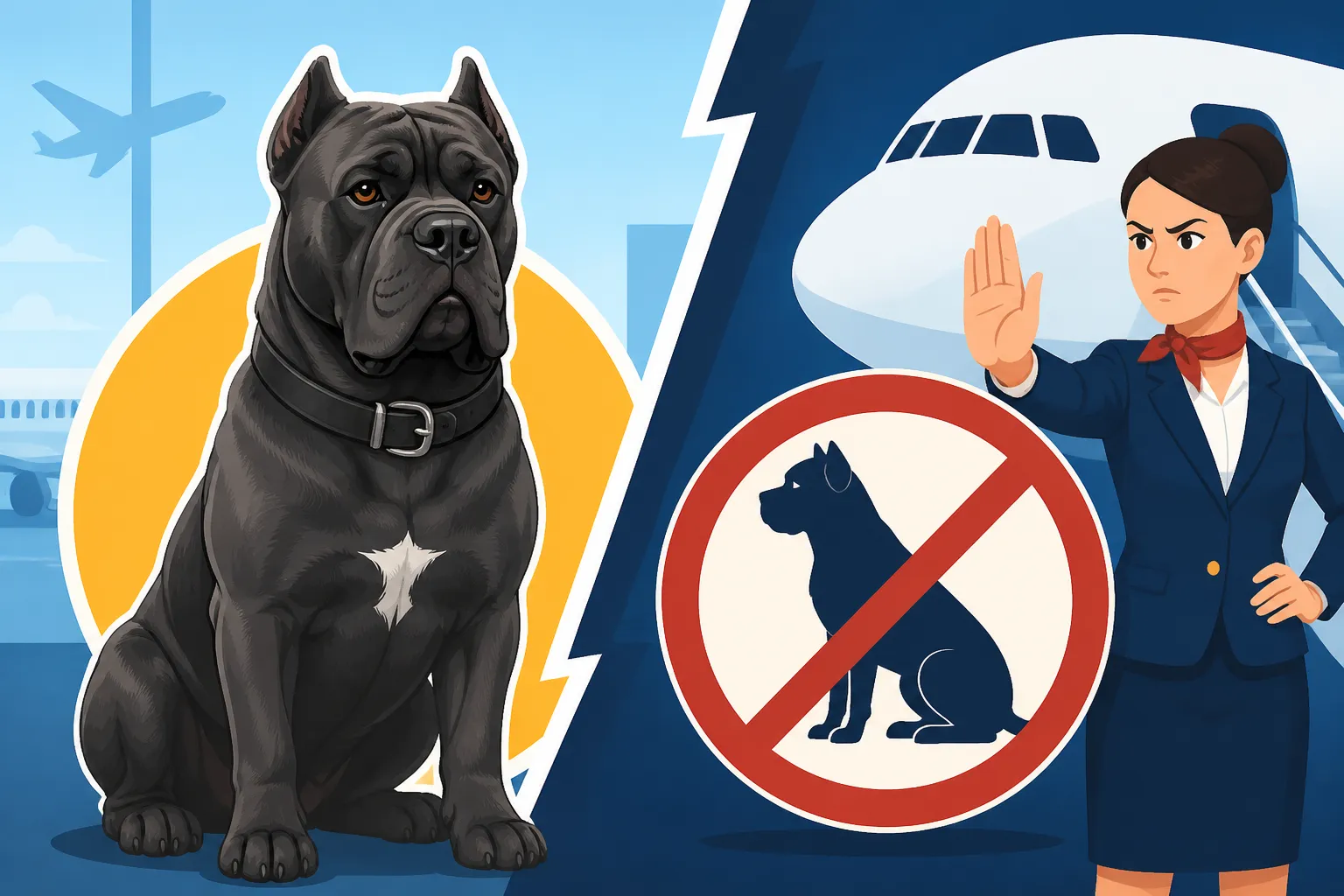
Airlines That Refuse a Cane Corso by Weight
It’s a truly disheartening situation when you’re planning a trip, perhaps a big move, and the thought of bringing your beloved Cane Corso along turns into a logistical nightmare. Many of us have been there, dreaming of family adventures only to hit a wall when we start researching air travel for our large, majestic companions. The truth is, flying with a dog the size of a Cane Corso isn't just tricky; it can be outright impossible with many airlines due to strict weight limits and breed restrictions. This guide is here to shed light on why airlines often refuse Cane Corsos, what those policies mean for you, and how to navigate the complicated world of pet air travel.
The Harsh Reality of Flying with a Giant Breed
Bringing a large dog like a Cane Corso on an airplane isn't as simple as booking an extra seat or even an extra cargo slot. The reality is that airlines have a labyrinth of rules, and for big breeds, those rules often lead to a dead end. It’s not just about the size of their crate; it’s about the overall weight, the capacity of the aircraft, and sometimes, even the breed itself.
Why Size and Weight Are Such a Big Deal for Airlines
Think about the cargo hold of a passenger plane. While it might seem vast, it’s a meticulously managed space. Every piece of luggage, every cargo item, and yes, every animal, contributes to the plane's overall weight and balance. Airlines have stringent limits for a reason – safety. A Cane Corso, even a smaller female, can easily weigh upwards of 90 pounds, with males often tipping the scales at 120 pounds or more. Add to that the weight of an airline-approved travel crate, which can be substantial itself, and you're looking at a total weight that can easily exceed 150 pounds or even 200 pounds for a particularly large dog and heavy-duty crate.
Many airlines have an upper limit for the combined weight of a pet and its carrier in cargo, often ranging from 100 to 150 pounds. This immediately disqualifies a significant number of Cane Corsos. It’s not personal; it’s a hard-and-fast operational limit based on aircraft specifications and ground handling equipment. Even if the plane could carry the weight, the ground crew might not be equipped to safely load and unload such a heavy and bulky crate. This often means that even if you find an airline that might consider a large dog, the sheer physics of your Cane Corso's size can make it impossible. Consider The Height a Cane Corso Should Measure and The Chest and Body a Cane Corso Standard Describes when visualizing these challenges.
The Difference Between Cabin and Cargo Travel
For most pet owners, the dream is to have their furry friend right there with them, under the seat in the cabin. This is almost exclusively reserved for small dogs and cats that can fit in a carrier small enough to slide beneath the seat in front of you. Your Cane Corso, charming as they are, will never qualify for cabin travel. They simply do not meet the size or weight requirements, nor would they be comfortable, or even fit, in such a confined space for an extended period.
This leaves cargo travel as the only option, which, as we’ve discussed, comes with its own set of significant hurdles for giant breeds. Cargo travel means your dog will be in a temperature-controlled, pressurized compartment below the main cabin. While airlines go to great lengths to ensure the safety and comfort of animals in cargo, it's a completely different experience from being in the cabin. The separation itself can be stressful for both pet and owner, and the logistics for large dogs make it a challenging proposition even before factoring in airline specific refusals based on weight. You really need to think about How Many Hours a Cane Corso Can Be Left Alone and if they are truly comfortable with that, especially in an unfamiliar environment.
Specific Challenges for Cane Corsos
Beyond the universal issue of weight, Cane Corsos face particular challenges when it comes to air travel, stemming from their formidable size, deep chests, and sometimes, their classification as a "bully breed" by various entities. It's a triple threat that often means an immediate "no" from airlines.
Breed-Specific Restrictions Beyond Just Weight
It's an unfortunate truth that some airlines have outright bans or severe restrictions on certain breeds, often labeled as "brachycephalic" (short-nosed) or "bully breeds." While the Cane Corso is not a brachycephalic breed like a Bulldog or Pug, they are often grouped into the broader "mastiff-type" or "bully breed" categories due to their powerful build and protective reputation. Airlines worry about the stress of flying on these types of dogs, citing potential respiratory issues or behavioral concerns. Even if your Cane Corso has a perfectly clear bill of health, the airline's policy might paint all dogs of their general type with the same brush.
These breed restrictions can feel incredibly unfair, especially when your Cane Corso is a gentle giant at home. However, airlines implement these rules as a blanket safety measure, aiming to reduce risks. This means that even if you meet all the weight and crate requirements, a simple search of the airline's policy might reveal that Cane Corsos (or "Mastiffs," "Molossers," etc.) are not permitted at all. It requires diligent research and, often, a direct conversation with the airline to understand their specific stance, rather than relying on general guidelines. Understanding The Cane Corso's Reputation and the Laws Behind It can give you insight into why these perceptions exist.
Understanding Crate Size Requirements for a Cane Corso
If you manage to clear the weight and breed hurdles, the next big hurdle is the crate itself. Airlines require IATA-compliant crates, which must be large enough for your dog to stand up, turn around, and lie down comfortably. For a Cane Corso, this usually means an extra-large or giant-sized travel crate. These aren't just big; they're massive. Imagine a crate that can easily be four feet long, three feet high, and two feet wide.
Not all aircraft cargo doors are large enough to accommodate such crates. Even if the door is big enough, the internal space allocated for live animals might not be, or there might be limits on the dimensions of crates that can be transported. Furthermore, these giant crates are incredibly heavy even when empty, adding significantly to the overall weight calculation we discussed earlier. Finding an appropriate crate is one thing, but ensuring the airline can actually load it onto the specific plane you’re flying on is another. You might find a good selection of appropriately sized, durable crates on sites like Chewy, but always double-check the exact dimensions required by your chosen airline. It's a situation where Crate Training a Cane Corso That Outgrows Every Crate becomes an essential, and potentially costly, preparation.
Airline Policies: What to Look For and Expect
Navigating airline policies for pet travel feels like deciphering ancient scrolls. Each airline has its own set of rules, and these can change without much notice. It’s imperative to do your homework well in advance and be prepared for potential roadblocks.
Major Airlines and Their Pet Travel Policies
No two airlines are exactly alike when it comes to pet policies. Some airlines, particularly those known for their cargo services, may be more accommodating to large breeds, while others simply won't transport pets in cargo at all or have very strict seasonal embargoes. For instance, many airlines have temperature restrictions, refusing to fly animals when temperatures are too hot or too cold at either the origin, destination, or any layover city. This means summer and winter travel can be exceptionally difficult or impossible for your Cane Corso.
When you start your research, don't just look for "pet travel" on their website. Dig deep into their "live animal cargo" or "special cargo" sections. Pay close attention to:
- Weight Limits: The combined weight of the dog and crate.
- Crate Dimensions: The maximum height, length, and width allowed.
- Breed Restrictions: Any specific breeds or breed types that are banned.
- Temperature Embargoes: Dates or temperature ranges during which they will not transport pets.
- Required Documentation: Health certificates, vaccination records, and sometimes specific forms.
- Layover Rules: Some airlines require direct flights for pets, or have limits on layover duration.
It's a tedious process, but absolutely critical. What might work for a small terrier on one airline could be a complete non-starter for your Cane Corso on the very same airline. Be ready to contact multiple airlines and compare their fine print.
The Importance of Direct Communication with Airlines
Website information is a good starting point, but for a Cane Corso, you absolutely must speak directly with the airline's live animal cargo department, not just general customer service. The people who handle passenger bookings often don't have the nuanced knowledge of cargo logistics needed for a large dog. When you call, be prepared with specific information:
- Your Cane Corso’s exact weight and estimated crate weight.
- The crate dimensions you plan to use.
- Your exact travel dates, origin, destination, and any potential layovers.
- Your Cane Corso's breed (clearly state "Cane Corso" and be ready to explain they are not brachycephalic if that issue arises).
Ask for confirmation in writing whenever possible. Policies can be misinterpreted by individuals, and having it in writing can save you a huge headache later. Be aware that even with confirmed bookings, things can change. Weather delays, aircraft changes, or unexpected operational issues can still lead to your Cane Corso being bumped from a flight. It's a high-stress situation, and clear, documented communication is your best defense.
Planning Your Cane Corso's Air Travel
If, by some miracle, you find an airline willing and able to transport your Cane Corso, the real planning begins. This isn't just about booking tickets; it's about meticulous preparation for your dog's well-being.
Health Clearances and Vet Visits Before Flying
Before any flight, your Cane Corso will need a comprehensive health check-up from your veterinarian. This is non-negotiable for airline travel. Most airlines require a health certificate issued by a licensed vet within a specific timeframe (often 10 days) of travel. This certificate confirms your dog is healthy enough to fly and free from any signs of infectious disease. During this visit, discuss the stresses of travel with your vet. Some vets might recommend mild sedatives for anxious dogs, while others strongly advise against it due to potential respiratory or cardiovascular risks at altitude. Given a Cane Corso's deep chest, discussing Anesthesia Risk in a Deep Chested Cane Corso and any potential respiratory concerns is particularly important.
Your vet will also ensure all vaccinations are up-to-date and may discuss preventative measures for motion sickness or other travel-related issues. This is also a good time to ensure your pet insurance, like a plan from Healthy Paws, is current and covers any potential emergencies that could arise during travel, though travel-specific pet insurance policies are also available. It’s always wise to be prepared for the unexpected when traveling with such a large animal. Having a recent The Heart Muscle Disease Behind a Cane Corso's Cardiac Test can also provide peace of mind regarding your dog's fitness to fly.
Preparing Your Cane Corso for a Long Journey
A flight can be incredibly stressful for a dog, especially one unfamiliar with a crate or prolonged confinement. Preparation should start weeks, if not months, in advance:
- Crate Acclimation: Your Cane Corso needs to be completely comfortable and happy in their travel crate. This means daily positive reinforcement training, feeding meals in the crate, and making it a safe, positive den. The crate shouldn’t be a punishment; it should be their sanctuary. For a giant crate, this means starting early.
- Familiar Scents: Place familiar blankets or toys in the crate. The scent of home can be incredibly comforting during a stressful journey.
- Hydration: Ensure your Cane Corso has access to water during the journey. Attachable water bowls that don't spill easily are essential. You can often find these, along with heavy-duty travel bowls, on sites like Chewy. Freeze water in the bowl so it melts slowly, ensuring water availability over time without immediate spillage.
- No Food Immediately Before: Feed your Cane Corso several hours before the flight to allow for digestion and potty breaks, reducing the risk of an upset stomach during travel. If your Cane Corso eats a fresh food diet like Ollie, plan ahead for appropriate portioning and timing.
- Exercise Beforehand: A good, long walk or play session before check-in can help tire your dog out, making them more likely to rest during the flight.
- Identification: Ensure your Cane Corso is microchipped and wears a collar with clear ID tags, including your contact information and destination contact information. Attach a "Live Animal" label to the crate with your name, phone number, and destination address.
Remember, a calm and well-prepared dog is more likely to have a successful and less stressful travel experience. Do everything in your power to make the crate a positive space, long before the travel day arrives.
Alternatives to Flying When Airlines Say No
After all your diligent research, you might still face the inevitable: an airline says no. Or perhaps the risks feel too high. It’s a gut-wrenching decision, but sometimes, the best choice for your Cane Corso’s safety and well-being is to find an alternative.
- Ground Transport Services: There are professional pet transport companies that specialize in safely moving animals across long distances by road. These services often use climate-controlled vehicles and provide regular stops for potty breaks, food, and water. While more expensive than a plane ticket, it often provides a less stressful experience for a large dog. Research these services thoroughly, checking references and reviews, and ensure they have experience with giant breeds.
- Driving Yourself: If feasible, driving your Cane Corso to your destination offers the most control over their comfort and safety. You can plan your route with dog-friendly stops, allow for plenty of exercise, and keep them in their familiar travel crate or a secure vehicle restraint system. This option might mean a longer journey, but for many Cane Corso owners, the peace of mind is worth it. For a hundred-pound Cane Corso, you'll need sturdy Fencing and Gear for a Hundred Pound Cane Corso even for road trips, especially for safety in the vehicle.
- Reschedule or Reconsider: Sometimes, travel plans simply need to be adjusted. If you’re moving, can a trusted friend or family member care for your Cane Corso for a few extra weeks while you settle in and explore ground transport options? Or, if it's a vacation, consider if your Cane Corso truly needs to come along, or if a reliable pet sitter or boarding kennel is a better, less stressful solution for them. Sometimes Knowing When a Cane Corso Has Had Enough means making tough decisions about their comfort and safety.
Ultimately, the goal is your Cane Corso's welfare. While it’s hard to imagine leaving them behind, forcing them into a stressful and potentially risky situation because an airline won't accommodate them is rarely the right answer. Explore every avenue, weigh the pros and cons, and prioritize their health and happiness above all else.
Comparison of Common Airline Pet Restrictions for Large Dogs
To give you a clearer picture, here's a general overview of common restrictions you might encounter when trying to fly with a large breed like a Cane Corso. Remember, these are generalities, and specific airline policies vary greatly and can change. Always confirm directly with your chosen airline.
| Restriction Type | Common Thresholds/Policies | Impact on Cane Corsos |
|---|---|---|
| Combined Weight (Pet + Crate) | Often 100-150 lbs maximum. Some very few cargo-specific services might go higher. | Most adult Cane Corsos, with their heavy crates, will exceed this limit, making air travel impossible. |
| Crate Dimensions | Max height 30-32 inches, max length 40-48 inches, max width 28-32 inches. Door opening dimensions can also be restricted. | Many Cane Corsos require crates that exceed these dimensions, preventing them from being loaded onto standard passenger aircraft. |
| Breed Restrictions | Bans on brachycephalic (short-nosed) breeds (e.g., Bulldogs, Pugs). Some extend to "bully breeds" or "mastiff-types" (which can include Cane Corsos). | Even though Cane Corsos are not brachycephalic, they may be subject to "bully breed" or "mastiff-type" restrictions, leading to outright refusal. |
| Temperature Embargoes | Refusal to transport pets when temperatures are below 45°F or above 85°F at any point during the journey (origin, destination, layover). Seasonal restrictions are common. | Severely limits travel options, especially during summer and winter months, regardless of other factors. Can lead to last-minute cancellations. |
| Travel Duration/Layovers | Some airlines only allow direct flights for pets, or have strict limits on layover times to ensure animal welfare. | Complicates international travel or routes requiring transfers, potentially forcing longer, more stressful journeys or making travel impossible if direct flights aren't available for your route. |
| Sedation Policy | Most airlines strongly advise against sedating pets due to health risks at altitude. Some may outright refuse a sedated animal. | If your Cane Corso is prone to anxiety, this can be a significant challenge, as calming medications may not be an option, increasing stress during travel. |
| Required Documents | Up-to-date health certificate (within 10 days of travel), vaccination records (especially rabies), sometimes import/export permits for international travel. | Requires meticulous planning and coordination with your vet well in advance to ensure all paperwork is correctly completed and dated within the tight window. |
Disclaimer
This article is for general informational purposes only and does not constitute professional advice. Laws, prices and regulations vary by location and change over time. Consult a qualified professional for guidance on your specific situation.