Fencing and Gear for a Hundred Pound Cane Corso
Bringing a hundred-pound Cane Corso into your life is an incredible journey filled with immense joy and sometimes, equally immense challenges. One of the biggest hurdles new and even seasoned owners face is finding appropriate fencing and gear that can truly stand up to the strength, intelligence, and protective nature of this magnificent breed. It's not just about getting any fence or any collar; it's about investing in solutions that guarantee safety, provide comfort, and truly accommodate a dog of this caliber. This guide will walk you through everything you need to know about outfitting your home and your Cane Corso for a lifetime of secure and happy companionship.
Outdoor Containment: Securing Your Property
When you have a Cane Corso, your yard isn't just a place for them to run around; it's an extension of their perceived territory, and securing it properly is non-negotiable. Trying to cut corners here can lead to heartbreak, liability issues, and a lot of stress for both you and your dog.
Fencing Requirements for a Guardian Breed
The standard chain-link fence or a decorative picket fence just won't cut it for a Cane Corso. These dogs are powerful, smart, and possess a strong guardian instinct that means if they perceive a threat or an opportunity beyond your fence, they will test its limits. You need something robust and reliably tall.
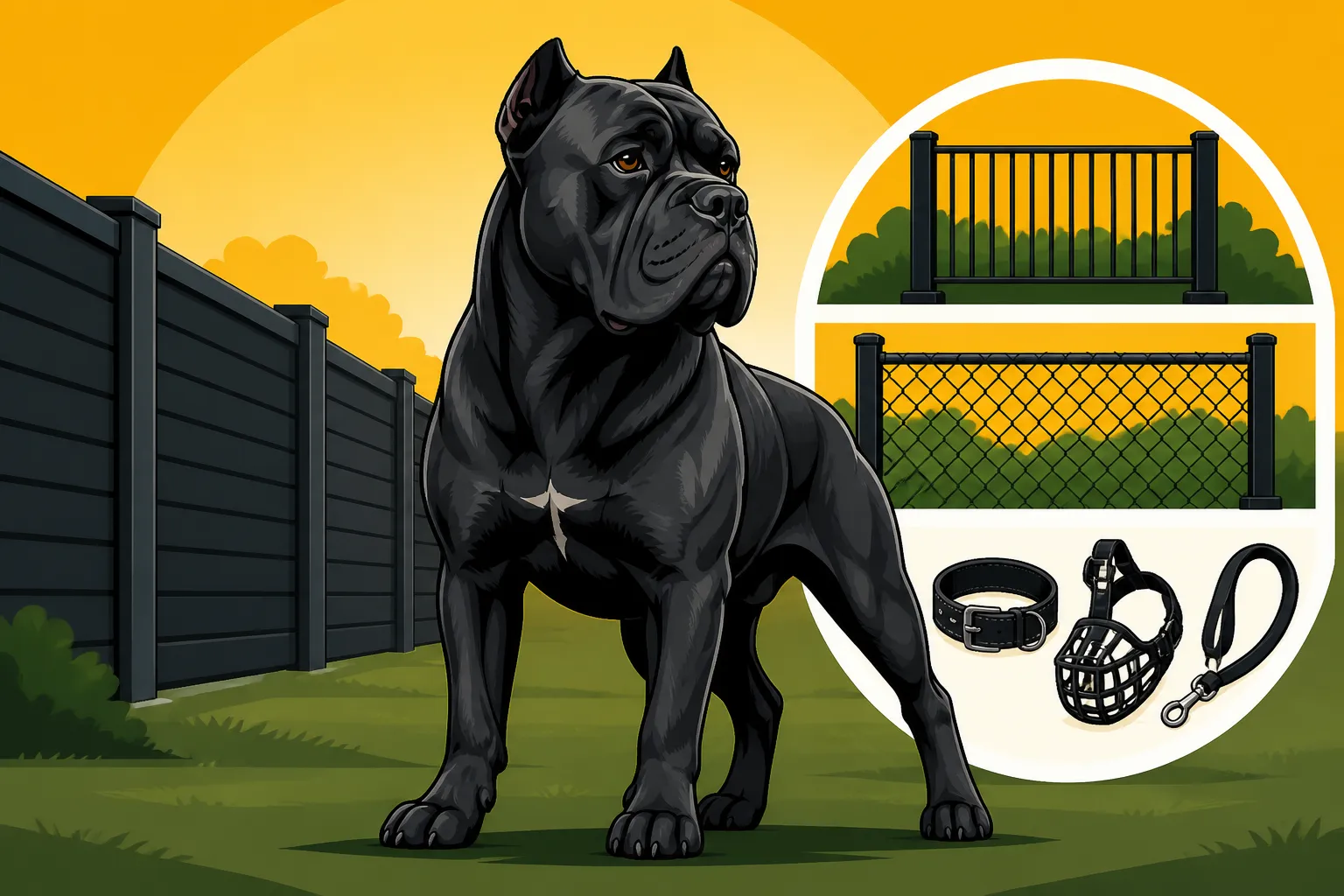
A good starting point for any Cane Corso owner is a solid six-foot fence. Anything less and you're inviting trouble. These dogs can easily clear lower fences if motivated, and even if they don't jump, they are masters of testing weak points. A six-foot fence provides a significant visual and physical deterrent. However, the material matters just as much as the height. Wood fences, while aesthetically pleasing, can be chewed through over time, and boards can be pushed loose. Wrought iron or sturdy, welded wire fencing (often called "no-climb" or "field fence" with smaller grid openings) are far superior. These materials are much harder to damage or manipulate. Ensure there are no footholds that could aid climbing. If you're building a new fence or upgrading, consider extending the fencing underground a few inches or adding a L-footer to prevent digging. A motivated Cane Corso can dig under a fence in surprisingly little time.
Gates are often the weakest link in any fence line. For a Cane Corso, your gates need to be just as secure, if not more so, than the fence itself. Invest in heavy-duty gates that latch securely, ideally with multiple locking mechanisms, and open inward if possible, to prevent them from being pushed open. Many owners even double-latch their gates, using a standard gate latch reinforced with a heavy-duty carabiner or padlocks. Remember, these dogs are not just strong; they can be incredibly clever. They learn quickly how latches work, so complexity is your friend here. It's not overkill; it's responsible ownership. Making sure your gate swings freely without catching on anything or having gaps at the bottom will also prevent your Cane Corso from learning how to exploit these weaknesses. Think of it this way: your gate is the front door to your dog's outdoor world, and you wouldn't leave your own front door unlocked.
The Problem With Invisible Fences
It’s tempting, isn't it? The thought of an invisible fence seems so convenient, offering boundary control without obstructing your view or requiring a massive construction project. But let me be blunt: an invisible fence is simply not an appropriate solution for a Cane Corso. This is one of those common mistakes that can have severe consequences.
First, an invisible fence works on negative reinforcement – a static correction when the dog crosses a boundary. While some dogs might respond to this, a Cane Corso's guardian instincts are often far stronger than their aversion to a temporary zap. If they see a perceived threat or an animal on the other side of that boundary, they are highly likely to blow right through the correction without a second thought. Once they've learned they can cross, the "fence" is effectively useless. Worse still, these systems only deter leaving your property, not entering it. If another animal or person wanders onto your property, your Cane Corso is contained, but they are completely unprotected if their guardian instincts kick in and they need to respond to an actual threat.
Beyond the safety concerns for your Cane Corso, there's the significant public liability aspect. If your dog, especially a powerful breed like a Cane Corso, breaches an invisible fence and causes an incident, you will be held responsible. This isn't just about financial cost; it's about the emotional toll on everyone involved. For a breed that often faces misconceptions and breed-specific legislation, proving responsible ownership starts with solid, physical containment. It's far better to invest in Fencing That Actually Holds a Cane Corso than to rely on an electronic deterrent that offers a false sense of security.
Indoor Containment: Managing the Gentle Giant Inside
Even indoors, a Cane Corso needs structure and boundaries, especially when they are young or when you can't actively supervise them. Their size and strength mean that even playful antics can cause damage, and their protective nature needs to be guided.
Crating for Safety and Structure
Crate training is an invaluable tool for any dog owner, but for a Cane Corso, it's practically essential. A crate isn't a punishment; it's a safe den, a management tool, and a crucial aid in house training and preventing destructive behaviors. Given their powerful jaws and curious minds, a bored Cane Corso can quickly redecorate your home in ways you never imagined.
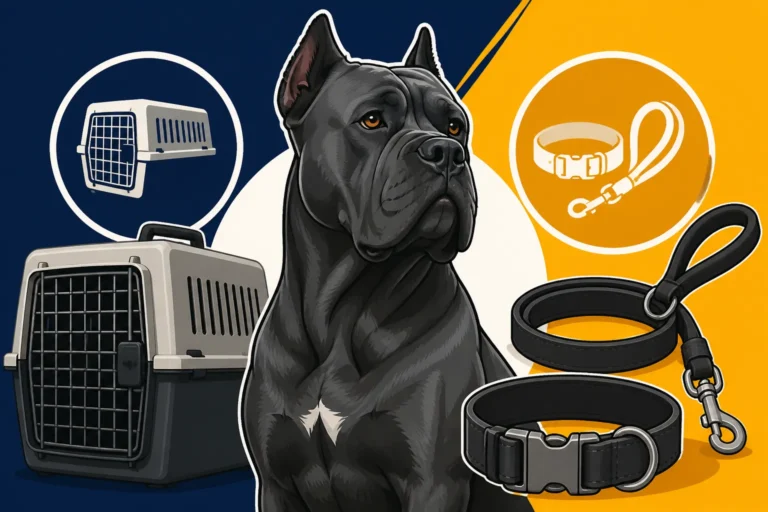
When selecting a crate, you need something robust. Wire crates with flimsy latches or thin gauge wire are often no match for a determined Cane Corso, especially if they experience separation anxiety or are still in their chewing phase. Look for heavy-duty steel crates, often advertised as "escape-proof" or "impact crates." Brands like Impact Dog Crates or Ruffland Kennels are popular choices among owners of powerful breeds for their durability and security. These crates are designed to withstand significant force and keep your dog safely contained. Make sure the crate is appropriately sized – large enough for your Cane Corso to stand up, turn around, and lie down comfortably, but not so big that they can use one end as a potty area. For a grown Corso, you're often looking at the largest sizes available, usually 48" or even 54" models. You can refer to The Crate Size a Grown Cane Corso Needs for more specific dimensions.
Crate training should begin the moment your Cane Corso puppy comes home. Make it a positive experience with treats, toys, and praise. Never use the crate for punishment. The goal is for your dog to view their crate as a safe, comfortable retreat. This helps immensely during adolescence when their obedience might waver, or if you need to leave them alone for a few hours. A well-crate-trained Cane Corso is a happier, safer dog, and it protects your home from the "redecorating" that a bored giant breed can undertake.
Managing Free Roam Indoors
While a crate provides essential structure, eventually you'll want your Cane Corso to enjoy more freedom in your home. This transition needs to be managed carefully, especially considering their size and potential for territoriality. Puppy-proofing takes on a whole new meaning with a Cane Corso.
Anything at counter height or below is fair game for exploration, which means electrical cords, valuable items, houseplants, and even pantry doors need to be secured. Remember, a Cane Corso can easily reach counters and open many types of doors with a nudge. Childproof locks on cabinets, removing tempting items from low shelves, and ensuring any toxic plants are out of reach are critical steps. They're also prone to "counter surfing" if not taught proper boundaries. Consistent training is key here, teaching them what's theirs and what isn't, and ensuring they have plenty of appropriate chew toys to redirect their energy. You can find many durable toys on sites like Chewy that stand up to their powerful jaws.
Door management is another crucial aspect. Cane Corsos often develop a strong protective instinct, which means they might become territorial around entryways. Teaching your Cane Corso to "place" or "wait" when the doorbell rings or guests arrive is vital. This prevents them from rushing the door, potentially intimidating visitors or slipping out unexpectedly. The Place Command That Saves a Cane Corso Household is an excellent resource for teaching this foundational skill. For those living in areas with frequent deliveries, this training is not just polite; it's a safety measure for both your dog and the delivery personnel.
Leash and Collar Gear: Control and Communication
Walking a Cane Corso is not like walking a small terrier. They are powerful animals, and proper leash and collar gear are essential for control, communication, and safety – both yours and theirs.
Essential Walking Tools
A good collar forms the base of your walking setup. For a Cane Corso, a wide, sturdy flat buckle collar made of strong nylon or leather is suitable for carrying identification tags and for basic control. However, for active walking and training, many owners find they need something with more authority.
A Martingale collar is often recommended for Cane Corsos, especially those with powerful necks, as it prevents them from slipping out of their collar if they pull or back up. It tightens gently when pulled, providing more control without choking, and then loosens when the pressure is released. For dogs that are still learning polite leash manners, a well-fitted prong collar (used correctly and humanely) can be a highly effective training tool to communicate boundaries without brute force. It distributes pressure evenly around the neck, mimicking a mother dog's correction, and is often much gentler than a flat collar for a strong puller. Always seek guidance from a professional trainer if you're new to using a prong collar. Harnesses can be a mixed bag; while they distribute pressure and are excellent for certain activities, a front-clip harness is generally preferred for walking a Cane Corso, as it redirects their pulling power. A back-clip harness can actually encourage pulling in strong dogs. You'll want to look for Harnesses Rated for a Cane Corso's Pull that can withstand their incredible strength.
Leashes should also be chosen with care. A sturdy, six-foot nylon or leather leash is standard. Avoid retractable leashes entirely with a Cane Corso. They offer no real control over a powerful dog, can snap, and can cause serious injury if your dog lunges. For those learning loose leash walking, a long line can be a great tool for practicing recall in a safe, open area, but it's not for everyday walks in populated areas. Remember, your gear is an extension of your training, and selecting the right tools makes a huge difference in managing a Cane Corso before they hit ninety pounds.
Muzzles for Responsible Ownership
While it might seem counterintuitive to put a muzzle on your beloved companion, muzzle training is an incredibly responsible and proactive step for any Cane Corso owner. It's not about assuming your dog is aggressive; it's about preparation and safety in various situations.
A basket muzzle, which allows your dog to pant, drink, and take treats, is the ideal choice. Brands like Baskerville or Bumas are highly regarded for their comfort and durability. Muzzles come in handy in many scenarios:
- Veterinary Visits: Even the most good-natured dog can become anxious or reactive at the vet, especially if they are in pain. A muzzle ensures the safety of staff and allows vets to perform necessary procedures.
- Emergency Situations: If your Cane Corso is ever injured, pain can cause even a gentle dog to lash out. A muzzle allows you to provide first aid or move them safely.
- Public Perception: Unfortunately, Cane Corsos face breed stereotypes. Muzzling a well-behaved dog in public spaces, while not always necessary, can sometimes help ease public fears and prevent unnecessary scrutiny.
- Introducing to New Situations: When introducing your Cane Corso to new dogs, unfamiliar children, or in high-stress environments, a muzzle provides an extra layer of safety.
- Preventing Scavenging: If your Cane Corso has a tendency to eat things off the ground on walks (a common and dangerous habit), a muzzle can prevent them from ingesting harmful substances.
Start muzzle training early and make it a positive experience, similar to crate training. Associate the muzzle with treats and praise, gradually increasing the time they wear it. This way, if you ever need them to wear it, it's not a scary or stressful experience. It’s a tool for safety, not a sign of a dangerous dog.
Enrichment and Chews: Engaging a Powerful Mind and Jaw
A bored Cane Corso is a destructive Cane Corso. These intelligent and powerful dogs need mental stimulation and appropriate outlets for their chewing instincts to keep them happy and prevent them from turning your furniture into splinters.
Indestructible Toys for Heavy Chewers
Let's be real: most "tough" dog toys don't stand a chance against a Cane Corso's powerful jaws. You'll quickly learn that finding truly durable toys is an ongoing quest. But it's a worthwhile one, as proper toys keep them entertained and redirect destructive chewing.
Look for toys made from heavy-duty, reinforced rubber or dense, non-toxic plastics. Brands like Kong (their extreme black line), GoughNuts, and Nylabone (their tougher chews) are often top contenders. Puzzle toys that dispense treats slowly can provide excellent mental stimulation, making them work for their reward. Fill a Kong with peanut butter or wet dog food and freeze it for a long-lasting challenge. Interactive toys, like those designed for tug-of-war (with a very strong rope), can be great for bonding and energy release, but always supervise these interactions. Avoid plush toys or anything with small parts that can be easily torn off and ingested. The frustration of buying a new toy only to have it destroyed in minutes is real, so invest in quality from the start.
Rotation is also key. Don't leave all toys out all the time. Bring out a few toys for a period, then swap them for others stored away. This keeps toys novel and exciting, maintaining their interest. Remember, What a Cane Corso Chews Through in a Year can be substantial if they don't have appropriate outlets. A good, varied collection of durable toys is an investment in your sanity and your furniture.
Safe Chew Options
Chewing is a natural and necessary behavior for dogs, helping to keep their teeth clean and satisfy their oral fixation. For a Cane Corso, selecting safe and appropriate chews is crucial, as their strong jaws can break off pieces that pose choking hazards or cause digestive issues.
Raw, recreational bones (like beef femurs or knuckles) can be great, but always supervise your dog closely, and ensure they are appropriately sized – too small, and they become a choking hazard; too large, and they might not be interested. Never give cooked bones, as they can splinter dangerously. Harder chews like antlers can also be offered, but monitor them closely. If your Corso is an aggressive chewer, antlers can sometimes chip teeth. Dental chews designed for large breeds can help with oral hygiene, but again, ensure they are durable enough not to be devoured in seconds.
Avoid rawhide, as it can be difficult to digest and poses a choking risk. Also, be wary of many popular bully sticks; while often digestible, some brands splinter or are too small for a Corso's power. If you're unsure, consult your vet for recommendations on safe chew options specific to your dog's chewing style and dental health. Remember, the goal is to provide satisfying, long-lasting chews that are safe for their powerful mouths.
Beds and Comfort: Support for a Large Body
A Cane Corso isn't a small lap dog; they need proper support for their large, heavy bodies, especially as they age. Investing in the right bed isn't just about comfort; it's about supporting their joint health and overall well-being.
Durable Sleeping Solutions
Finding a dog bed that stands up to a Cane Corso's weight, occasional chewing, and general wear and tear can be a challenge. But proper orthopedic support is critical for a breed prone to joint issues like hip and elbow dysplasia.
Look for orthopedic beds with high-density foam, preferably memory foam, that won't flatten out under their substantial weight. These beds provide crucial support for their joints, which is especially important as they get older. Brands like Big Barker or Mammoth Dog Beds specialize in durable, supportive beds for giant breeds. The cover material should also be robust – canvas or heavy-duty synthetic fabrics are preferable, and removable, washable covers are a must for easy cleaning. Some beds even come with chew-resistant covers, which can be a lifesaver for younger Corsos still prone to destructive chewing.
Remember, a Cane Corso spends a significant portion of their day sleeping, and a good bed can prevent pressure sores and alleviate joint pain. Investing in Orthopedic Beds Rated for a Cane Corso's Weight when they are young can proactively support their joints and potentially reduce issues later in life. Don't skimp on this; their comfort and health depend on it.
Elevated Feeders and Water Bowls
The debate around elevated feeders and bloat prevention for deep-chested breeds like the Cane Corso has been ongoing. While some older studies suggested a link to increased bloat risk, more recent research indicates that elevated bowls do not necessarily increase the risk of Gastric Dilatation-Volvulus (GDV), commonly known as bloat. In fact, for some dogs, elevated bowls can make eating more comfortable by reducing strain on their neck and joints.
Regardless of the bloat debate, an elevated feeder can simply make mealtime more comfortable for your tall Cane Corso, preventing them from stooping excessively. When choosing, look for sturdy, heavy-duty stands that won't tip over easily when a hungry Corso nudges it. Stainless steel bowls are the best choice for hygiene; they are easy to clean and sanitize and don't harbor bacteria like plastic can. Consider slow feeder bowls if your Cane Corso tends to gulp their food down quickly, which can be a risk factor for bloat. Slow feeders force them to eat more deliberately, reducing air intake.
For water, always have fresh, clean water available in a heavy, tip-proof bowl. A large ceramic or stainless steel bowl is ideal. You might even consider a large water dispenser to ensure they always have enough, especially in warmer weather or after exercise. Ensuring your Cane Corso has access to water and encouraging them to drink at a steady pace, rather than gulping huge amounts at once, can contribute to overall digestive health. For more insights on this topic, you might want to read The Case for Tacking Every Cane Corso's Stomach which discusses surgical prevention of bloat.
Travel and Safety Gear: On the Go Security
Whether it's a short trip to the vet or a longer family vacation, traveling with a Cane Corso requires planning and the right gear to ensure their safety and the safety of everyone in the vehicle.
Vehicle Containment
An unrestrained Cane Corso in a vehicle is a serious safety hazard. In the event of a sudden stop or accident, they can become a projectile, injuring themselves or other passengers. Plus, their size means they can easily distract the driver.
The safest option for a Cane Corso in a car is a crash-tested travel crate. These heavy-duty crates, often made of aluminum or reinforced steel, are designed to withstand impacts and keep your dog contained and protected. Brands like Variocage or Gunner Kennels are highly rated for their safety features, though they are a significant investment. Make sure it's properly secured in your vehicle, ideally in the cargo area of an SUV or truck, preventing it from sliding around. This is truly the best way to keep a Cane Corso safe when hitting the road, offering them a secure den that mirrors their home crate.
If a crate isn't feasible for every trip, a sturdy, crash-tested car harness combined with a seatbelt attachment can provide some level of restraint. Look for brands that have undergone crash testing, like Sleepypod or Kurgo. These harnesses are designed to distribute force across your dog's chest in a collision, minimizing injury. However, even the best harnesses may not offer the same level of protection as a robust crate, especially for a dog of a Cane Corso's size and mass. Never use a standard walking harness for car travel; they are not designed for impact. Preventing your Cane Corso from leaping out of the truck or car too quickly is also a safety concern, which you can address with training and appropriate gear. Consider reading Teaching a Cane Corso Not to Leap From the Truck for more tips on this.
First Aid and Emergency Preparedness
Being prepared for emergencies is a hallmark of responsible pet ownership, and with a large, powerful breed like a Cane Corso, a comprehensive first aid kit is invaluable. You never know when a minor injury or a sudden illness might strike.
A well-stocked first aid kit for your Cane Corso should include essentials like gauze, adhesive tape, antiseptic wipes (like chlorhexidine or povidone-iodine), sterile saline solution for flushing wounds or eyes, blunt-tipped scissors, tweezers, a thermometer (rectal is most accurate for dogs), an emergency muzzle (like a nylon slip muzzle, but remember it's not for long-term wear), paw bandages or boots, and an old towel. You'll also want to include any prescription medications your dog takes, plus over-the-counter items like diphenhydramine (Benadryl) for allergic reactions (always consult your vet for proper dosing). Carry your vet's contact information, the number for the nearest emergency veterinary clinic, and poison control hotlines (like ASPCA Animal Poison Control).
Beyond the physical kit, consider taking a pet first aid and CPR course. Knowing how to stabilize your Cane Corso in an emergency, how to recognize signs of distress (like bloat, which requires immediate veterinary attention), or how to perform basic wound care can make a critical difference until you can reach professional veterinary help. Remember, your Cane Corso relies on you for everything, especially when they're vulnerable.
Specialized Gear for Specific Needs
Sometimes, standard gear just isn't enough, and you'll need to explore specialized equipment to support your Cane Corso through different life stages or unique challenges.
Ramps and Support Aids
As Cane Corsos age, or if they suffer from joint issues, their mobility can become compromised. Jumping into cars, onto beds, or navigating stairs can become difficult or even painful. Ramps and support aids can make a huge difference in their quality of life.
For car travel, a sturdy dog ramp is essential if your Cane Corso struggles to jump into the back of your SUV or truck. These ramps prevent further strain on their joints and make travel much less stressful for them. Look for ramps with a non-slip surface and a sturdy construction that can support their weight. Similarly, ramps or steps can be used to help them access furniture if they are allowed on it, or to navigate a few steps in the house.
For dogs with significant mobility challenges, support slings or full-body harnesses with handles can help you assist them in walking, standing up, or going to the bathroom. Brands like Help 'Em Up Harness provide comprehensive support systems. These tools are invaluable for senior Cane Corsos who might be dealing with arthritis, weakness, or neurological issues. Helping an old Cane Corso off the floor can be a real challenge due to their size, so these aids are practical necessities. If you're concerned about your Cane Corso's mobility, especially as they enter their senior years, discuss options with your veterinarian.
Weather-Specific Attire
While Cane Corsos have a dense double coat that offers some protection, they are not immune to extreme weather conditions. Their short coats, especially in solid colors like black, can be vulnerable to both intense heat and biting cold.
In winter, if you live in a colder climate, a warm, waterproof dog coat can make a huge difference, particularly for older or less active Cane Corsos, or those with short, single coats. Look for coats that cover their chest and belly for maximum warmth. While they can handle some snow, they can still shiver below forty degrees, especially if they are stationary for too long. Paw booties can also protect their sensitive paw pads from ice, snow, and de-icing chemicals like road salt, which can cause irritation and chapping.
In summer, especially for dark-coated Cane Corsos, overheating is a serious concern. While they don't necessarily need "attire," understanding how to keep them cool is vital. Avoid walking during the hottest parts of the day. Consider cooling vests or bandanas soaked in water for walks on hot days, or a cooling mat for them to lie on indoors. Always ensure they have access to plenty of fresh water and shade. A black Cane Corso, in particular, will absorb more heat from the sun, making them more susceptible to heat stroke.
Health and Wellness Gear: Proactive Care
Beyond basic containment and comfort, there's a range of gear that supports your Cane Corso's health and hygiene, helping you stay on top of their care routine.
Grooming Tools for Short Coats
You might think a short-coated breed like a Cane Corso doesn't require much grooming, but you'd be mistaken! While they don't need elaborate trims, they do shed, and regular grooming is essential for coat health and managing the hair in your home.
Invest in a good quality de-shedding tool or a rubber curry brush. A deshedding tool like a Furminator (used gently and sparingly) can effectively remove loose undercoat, especially during their biannual shedding seasons. For regular grooming, a rubber curry brush or a shedding blade works wonders to remove loose hairs, stimulate circulation, and distribute natural oils, leaving their coat shiny. Many owners also find a simple lint roller indispensable for getting Cane Corso hair off clothing and furniture! Regular brushing not only keeps their coat healthy but also gives you an opportunity to check their skin for any lumps, bumps, or irritations.
Don't forget nail care! A Cane Corso's nails grow quickly, and overgrown nails can cause pain, lead to splayed feet, and even impact their gait and joint health. A heavy-duty nail clipper designed for large breeds or a Dremel-style rotary grinder are essential. Start nail trims early with your puppy to get them accustomed to the process. If you're unsure, ask your vet or a professional groomer for a demonstration.
Dental Health Essentials
Dental disease is one of the most common health problems in dogs, and Cane Corsos are no exception. Regular dental care is crucial not just for fresh breath, but for preventing serious systemic health issues that can arise from oral infections.
Ideally, you should brush your Cane Corso's teeth daily, or at least several times a week, using a dog-specific toothbrush and enzymatic toothpaste (never use human toothpaste, as it contains ingredients toxic to dogs). Start young, making it a positive experience with praise and treats. A finger brush can be a good starting point if your dog is resistant to a traditional brush.
In addition to brushing, dental chews (chosen carefully for their durability and effectiveness) can help reduce plaque and tartar buildup. Water additives formulated to improve dental health can also be used, but these are generally supplementary, not replacements for brushing. Regular veterinary check-ups should include a dental examination, and your vet may recommend professional dental cleanings under anesthesia, especially as your Cane Corso ages. Proactive dental care is a key part of keeping your Cane Corso healthy and comfortable for years to come.
Planning and Budgeting for Long-Term Ownership
Owning a Cane Corso is a long-term commitment, and preparing financially for their needs, including all the specialized gear, is a critical part of being a responsible owner.
Understanding the True Costs
The initial purchase price of a Cane Corso puppy is just the tip of the iceberg. The ongoing costs for food, veterinary care, and especially gear for a large breed can be substantial. For a giant breed, everything costs more: bigger beds, bigger crates, more durable toys, more expensive medications, and often higher insurance premiums.
A monthly budget for your Cane Corso should account for premium large-breed dog food (or the cost of raw feeding a Cane Corso), which can be significant, especially if you feed high-quality brands. Regular vet check-ups, vaccinations, parasite prevention, and potential emergency vet visits should all be factored in. For a breed prone to joint issues and bloat, budgeting for potential surgeries like hip replacement surgery on a hundred pound Cane Corso or a prophylactic gastropexy is a wise move. Companies like Healthy Paws offer pet insurance plans that can help mitigate the financial shock of unexpected medical emergencies, making these essential treatments more accessible. While an insurance policy may seem like an extra cost, it can be a lifesaver when large vet bills hit.
Beyond the medical, remember training costs. Group classes, private sessions, or specialized training can be essential for a Cane Corso, and these can add up. Ensure your budget also includes funds for replacing worn-out gear, like collars, leashes, and those "indestructible" toys that eventually meet their match.
The Importance of a Structured Routine
Ultimately, no amount of gear can replace the consistency and structure a Cane Corso needs. These intelligent, powerful dogs thrive on routine and clear expectations. Without it, even with the best equipment, you can face behavioral challenges.
A daily routine that includes consistent feeding times, regular exercise (both physical and mental), and clear rules helps your Cane Corso feel secure and understand their place in your household. Their protective instincts need to be channeled appropriately, which means they need to learn when to be "on duty" and when to relax. Engaging their minds with training sessions, puzzle toys, and scent work can be just as tiring and fulfilling as a long walk. This consistent structure is vital, especially during their adolescent period when they might test boundaries. You can learn more about The Structure a Cane Corso Needs Every Single Day to ensure you're providing a stable environment. Remember, your Cane Corso wants to please you, but they need clear guidance and leadership to be the best versions of themselves.
Conclusion: A Lifetime of Preparedness
Owning a Cane Corso is an unparalleled experience, but it demands an owner who is prepared for the unique responsibilities that come with such a powerful and devoted companion. From securing your home with robust fencing to providing orthopedic support for their large frames, and equipping yourself with the right tools for training and travel, every piece of gear plays a role in their safety, comfort, and well-being. By being proactive and investing in quality, you’re not just buying products; you’re investing in a long, healthy, and happy life together with your incredible Cane Corso.
Disclaimer
The information provided in this article is for general informational purposes only and is not a substitute for professional veterinary advice. Always consult with a qualified veterinarian or certified dog trainer for any health or behavior concerns regarding your Cane Corso. Product recommendations are based on general industry reputation and should be researched to determine suitability for your individual dog.