Yearly Bloodwork on an Adult Cane Corso
It’s easy to assume that a robust, powerful breed like the Cane Corso is inherently healthy, and that if they look fine, they are fine. We spend so much time focusing on their impressive physique and watchful nature, that it’s easy to overlook what might be happening beneath the surface. But just like us, many health issues can brew silently for months, even years, before outward symptoms appear. This guide will walk you through why annual bloodwork is one of the most proactive and essential tools you have to catch these hidden problems early and ensure your adult Cane Corso lives the longest, healthiest life possible.
The Undeniable Importance of Annual Bloodwork for Your Cane Corso
For many Cane Corso owners, the annual vet visit feels like a routine chore. Your big dog gets a quick once-over, perhaps some booster shots, and then it’s back home. But if your veterinarian isn't recommending annual bloodwork for your adult Cane Corso, you might be missing a crucial piece of their preventative care puzzle. It’s not just an upsell; it’s a window into their internal health that no physical exam, no matter how thorough, can provide.
Think about it this way: a Cane Corso, being a giant breed, matures differently and faces unique health challenges compared to smaller dogs. While a general physical can tell your vet if your dog is limping or has a visible skin issue, it can’t detect the subtle changes in organ function, blood cell counts, or metabolic processes that might be early indicators of serious illness. These dogs are stoic by nature; they’ll often hide discomfort until a condition is quite advanced. This can be a frustration for owners, as you want to know if something is wrong, but their natural guarding instincts often mean they don't give obvious signals until it's too late. Yearly bloodwork acts as an early warning system, allowing you and your vet to intervene much sooner. This proactive approach can make a significant difference in their overall The Nine Year Median Behind a Cane Corso's Lifespan and their quality of life as they age.
Moreover, establishing a baseline of normal blood values when your Cane Corso is healthy is incredibly valuable. As they move into their middle and senior years, these baselines become a reference point. A slight deviation that might not be considered "out of range" on a generic lab sheet could be a significant change for your dog when compared to their own healthy history. This allows for personalized care and can help predict potential issues before they become full-blown medical emergencies. It's truly an investment in their future, helping to prolong the years you get with your beloved companion.
Deciphering the Standard Blood Panel: What Your Vet is Looking For
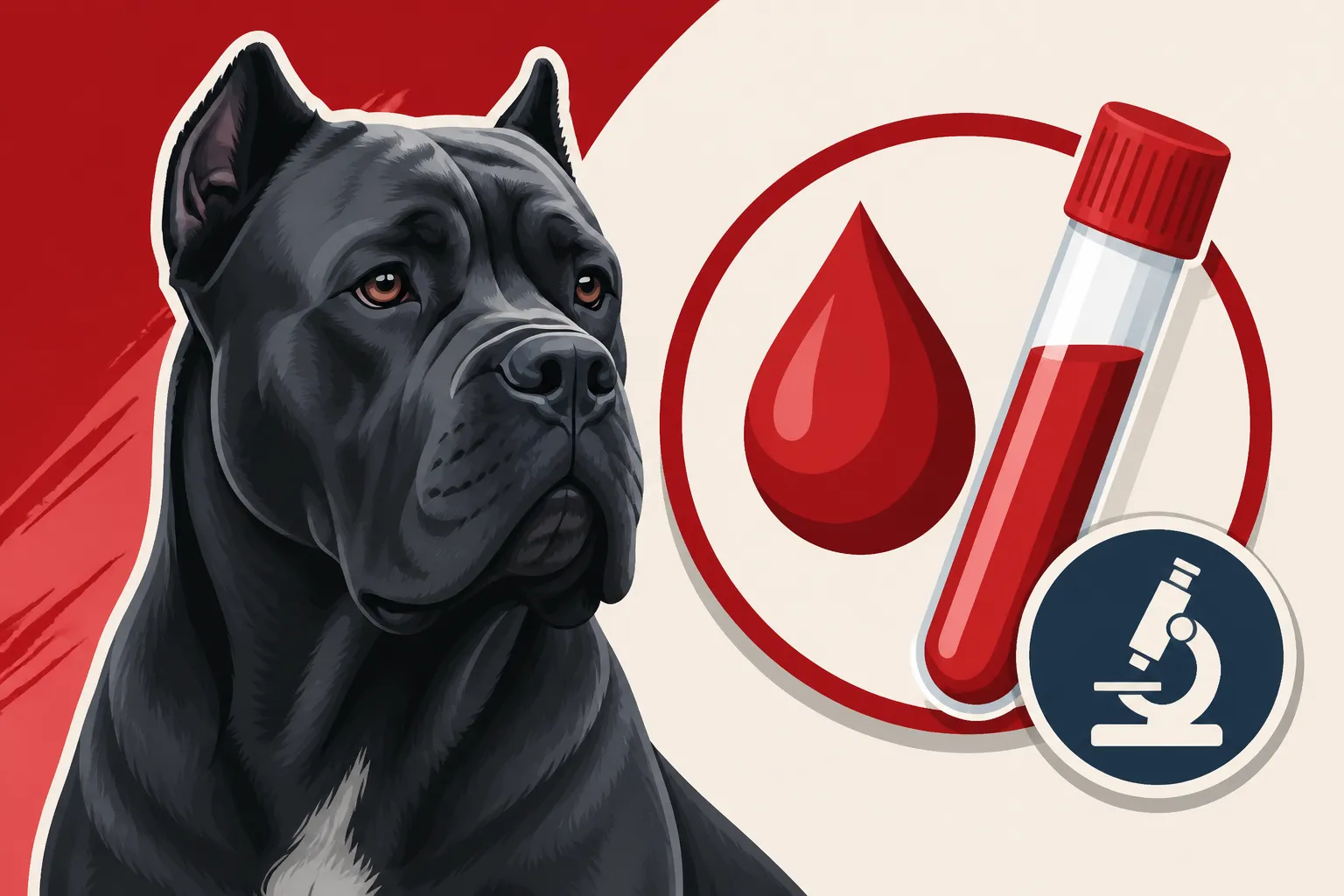
When your Cane Corso goes in for its annual blood draw, the samples are typically run through two main panels: a Complete Blood Count (CBC) and a Chemistry Panel. Each provides distinct, vital information about your dog’s health. Understanding what each of these tests looks for can help you feel more informed and engaged in your Cane Corso’s care.
Complete Blood Count (CBC)
The CBC provides a detailed look at the different types of cells circulating in your Cane Corso’s blood. This includes red blood cells, white blood cells, and platelets. Red blood cells are essential for carrying oxygen throughout the body. Abnormalities here can indicate anemia, which leads to fatigue and weakness, or dehydration, if the count is too high. White blood cells are the body's immune soldiers, and their numbers can tell your vet a lot about infection, inflammation, stress, or even certain cancers. For a Cane Corso, who might be prone to various inflammatory conditions or even the occasional run-in leading to infection, monitoring these counts is crucial. Platelets are tiny cells responsible for blood clotting. Issues with platelets can point to bleeding disorders, which can be particularly concerning in such a large, active breed. A drop in platelet count might also be an early sign of certain autoimmune conditions.
Chemistry Panel
The chemistry panel, sometimes called a biochemistry panel, measures various substances in your Cane Corso's blood serum, giving your veterinarian insights into organ function and metabolic health. This is where the early warnings for organ diseases often appear. Key components typically include:
- Liver Enzymes (ALT, ALP): Elevated levels can indicate liver damage, inflammation, or disease. The liver is vital for detoxification and metabolism, so its health is paramount.
- Kidney Values (BUN, Creatinine): These measure how well your Cane Corso’s kidneys are filtering waste from the blood. High levels can be an early indicator of kidney disease, a common ailment in aging dogs. Hydration status also impacts these numbers.
- Glucose: This is your dog's blood sugar level. Persistently high levels can signal diabetes, while very low levels can point to other metabolic issues or even certain types of tumors.
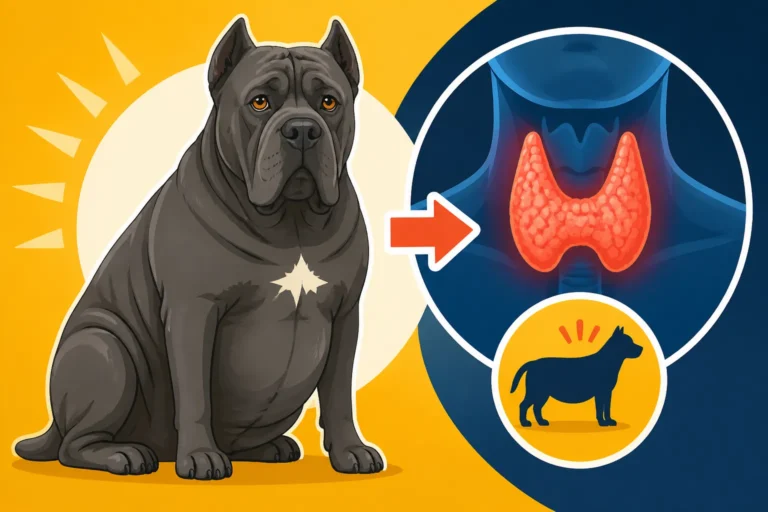
- Thyroid Hormones (T4, TSH): Especially important for Cane Corsos, these values assess thyroid gland function. Hypothyroidism in a Middle Aged Cane Corso is not uncommon in large breeds and can lead to a host of problems, including unexplained The Weight Gain That Points at a Cane Corso's Thyroid, lethargy, and skin issues.
- Albumin (Protein): A crucial protein, albumin is made by the liver and helps maintain fluid balance. Abnormal levels can indicate liver disease, kidney disease, malnutrition, or chronic inflammation.
- Electrolytes (Sodium, Potassium, Chloride): These minerals are essential for proper nerve and muscle function, hydration, and maintaining the body's acid-base balance. Imbalances can signal dehydration, kidney disease, or even adrenal gland disorders like Addison's disease.
Here's a quick overview of what your vet is looking for:
| Blood Test Category | What It Measures For Your Cane Corso | Potential Implications of Abnormal Results |
|---|---|---|
| Complete Blood Count (CBC) | ||
| Red Blood Cells | Anemia, oxygen-carrying capacity | Anemia (fatigue, weakness, pale gums), dehydration (high count) |
| White Blood Cells | Infection, inflammation, immune response | Bacterial or viral infections, chronic inflammation, stress, certain cancers |
| Platelets | Blood clotting ability | Bleeding disorders (bruising, prolonged bleeding), autoimmune conditions |
| Chemistry Panel | ||
| ALT, ALP (Liver Enzymes) | Liver health and function | Liver disease, exposure to toxins, certain medications, pancreatitis |
| BUN, Creatinine (Kidney Values) | Kidney function, hydration | Kidney disease, dehydration, protein intake (high), muscle wasting (low) |
| Glucose | Blood sugar levels | Diabetes (high), pancreatic issues, stress, certain tumors (low) |
| Thyroid Hormones (T4, TSH) | Thyroid gland function | Hypothyroidism (low T4, high TSH), hyperthyroidism (rare, high T4) |
| Albumin (Protein) | Overall health, liver/kidney function | Liver disease, kidney disease, malnutrition, chronic inflammation |
| Electrolytes (Sodium, Potassium) | Hydration, nerve and muscle function | Dehydration, kidney disease, Addison's disease, heart issues |
Recognizing the Warning Signs and Planning for the Future
Getting a blood test is one thing; understanding the results is another. Your veterinarian is the best person to interpret your Cane Corso's specific bloodwork, but it helps to know what kinds of warning signs these panels can reveal. Often, the most critical findings aren't dramatic spikes or drops but rather subtle shifts that indicate a trend. This is why consistent, yearly bloodwork is so powerful – it creates a longitudinal record of your dog's health.
For instance, a kidney value that's within the "normal" range but has been steadily climbing over two years might raise a red flag for your vet, suggesting early kidney stress. Similarly, slightly low thyroid levels could prompt further investigation into Hypothyroidism in a Middle Aged Cane Corso long before your dog starts showing obvious symptoms like lethargy or significant weight gain. Early detection means your vet can suggest dietary changes, supplements, or medications that can slow disease progression, improving your Cane Corso's comfort and longevity.
Unexpected findings can sometimes hint at larger systemic issues. For example, some blood markers can provide ancillary information that might lead your vet to investigate The Heart Muscle Disease Behind a Cane Corso's Cardiac Test more thoroughly with an echocardiogram, even if no heart murmur was detected during the physical exam. It’s all about putting the puzzle pieces together.
Of course, unexpected diagnoses can be financially daunting. This is where planning ahead with pet insurance can make a huge difference. Companies like Healthy Paws can help alleviate the burden of diagnostic tests, ongoing medication, or specialist visits that might follow an abnormal bloodwork result. Knowing that you have support for potential costs allows you to make decisions based on your Cane Corso's health needs, rather than solely on your wallet. While we hope for perfect results every year, it’s realistic to prepare for possibilities, especially as your Cane Corso matures and begins to show What Changes in a Cane Corso After Its Eighth Birthday. Regular bloodwork ensures you're never caught completely off guard, and it empowers you to act decisively for your pet.
Making the Annual Vet Visit and Blood Draw Stress-Free
We all know that a trip to the vet, especially for a large, protective breed like the Cane Corso, can sometimes be an event. The anxiety for both dog and owner can be real, but there are definitely ways to make the annual blood draw and overall How Often a Healthy Cane Corso Sees the Vet a smoother experience.
First and foremost, positive reinforcement and gradual desensitization start long before the appointment. Practice handling your Cane Corso's paws, ears, and mouth regularly at home, making it a pleasant experience with treats and praise. This helps them become accustomed to being touched and examined, which is invaluable for vet visits. If your Cane Corso is nervous about car rides, slowly introduce short, positive trips that don't always end at the vet. Desensitize them to wearing a muzzle early on, ensuring it's a comfortable, non-punitive tool, which can make the actual blood draw safer for both your dog and the veterinary staff, especially if they are particularly anxious.
On the day of the appointment, consider bringing high-value treats that your Cane Corso only gets at the vet. A favorite chew toy or a spoonful of peanut butter can distract them during the blood draw itself. Ask your vet if you can arrive a little early to let your dog get comfortable in the waiting room or even outside, away from other anxious animals. Sometimes, scheduling the appointment during a quieter time of day can help reduce stress levels.
Communicate openly with your veterinary team about your Cane Corso's temperament and any anxieties they might have. They are professionals accustomed to working with large, powerful breeds and often have strategies to make the experience better, such as a "low-stress" approach or even administering mild sedatives if necessary, especially for highly anxious dogs. If your Cane Corso requires any procedure that involves sedation or Anesthesia Risk in a Deep Chested Cane Corso, having recent bloodwork is often a prerequisite, providing a safety net by confirming their internal organs are functioning optimally. Embracing these yearly check-ups, including the bloodwork, is a fundamental part of responsible Cane Corso ownership, setting the stage for a healthy, long life. As they move into their golden years, it becomes even more vital to understand What Senior Bloodwork Shows on a Cane Corso.
Disclaimer
The information provided in this article is for general informational purposes only and is not intended as a substitute for professional veterinary advice. Always consult with a qualified veterinarian regarding any medical concerns or before making any decisions about your Cane Corso's health and treatment.