Night Confusion in an Aging Cane Corso
It’s truly heartbreaking to watch your once vibrant, confident Cane Corso start to get lost in their own home, especially when the sun goes down. That nighttime confusion, where they wander aimlessly, stare at walls, or seem utterly disoriented, isn't just a minor inconvenience; it's a deeply distressing experience for both them and you. This guide is here to walk you through understanding what might be happening with your aging Cane Corso and, more importantly, how you can help them navigate these challenging changes with as much comfort and dignity as possible.
Understanding Canine Cognitive Dysfunction (CCD) in Cane Corsos
When your older Cane Corso starts showing signs of confusion, especially at night, one of the most common culprits we consider is Canine Cognitive Dysfunction (CCD), often referred to as "doggy dementia." It’s a progressive neurodegenerative disorder, much like Alzheimer's in humans, that affects a dog's memory, learning, and comprehension. It’s not just a sign of old age; it’s a specific medical condition that impacts their brain function, leading to changes in behavior and a decline in their cognitive abilities. Seeing your powerful, intelligent Cane Corso suddenly seem lost can be incredibly difficult, and it often begins insidiously, with subtle changes that become more pronounced over time.
What CCD Looks Like After Dark
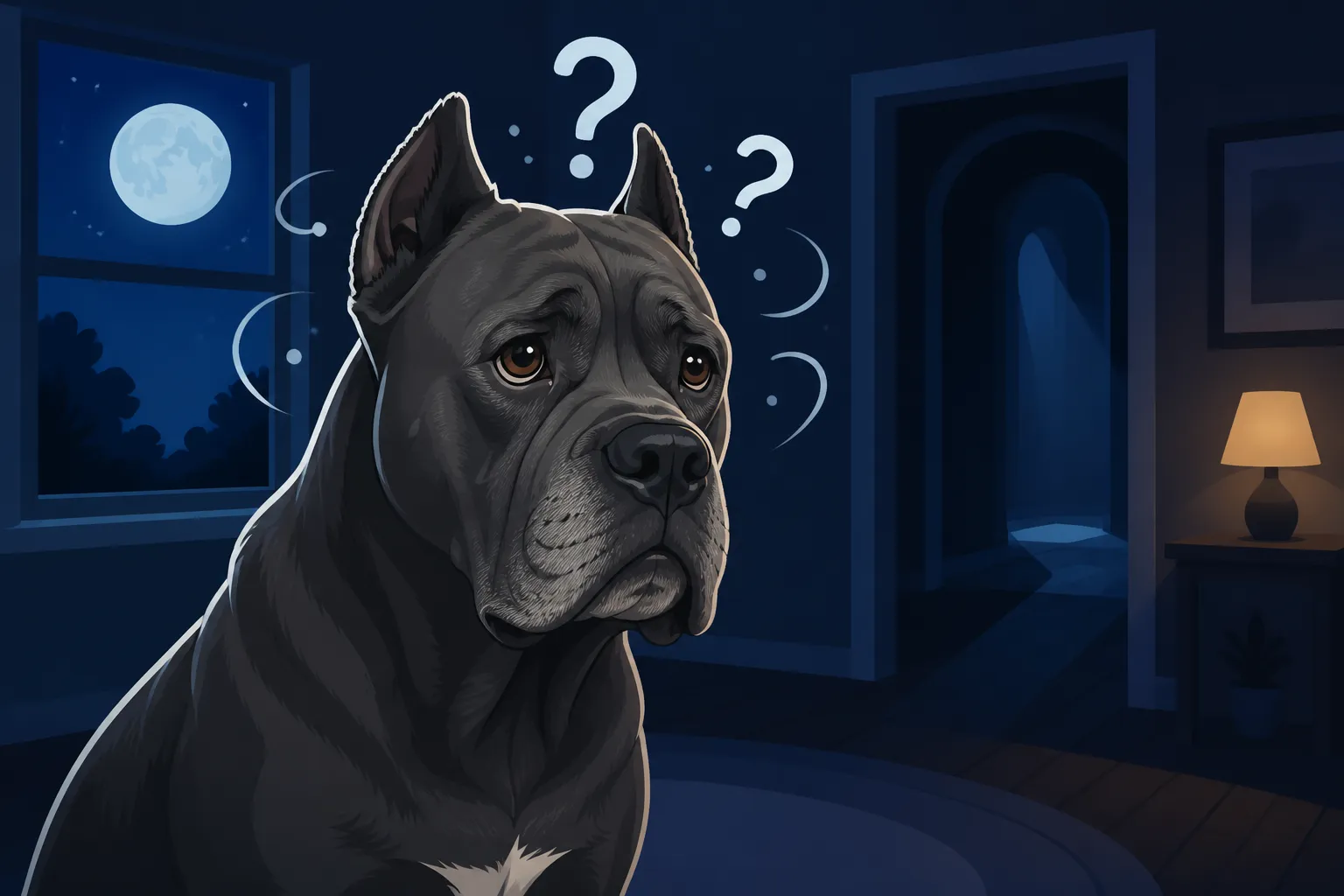
The symptoms of CCD often become most evident and frustrating when night falls. During the day, with more light and activity, our senior dogs might compensate better, but as darkness settles and the household quiets, their disorientation can truly shine through. You might notice your Cane Corso pacing restlessly through the house, bumping into familiar furniture, or even standing in a corner, head tilted, looking utterly bewildered as if they've never been there before. They might struggle to find their bed, even if it's been in the same spot for years, or wake up barking or whining without any apparent reason. Sometimes, they might even seem to forget where they are and have trouble responding to their name or familiar commands. This nighttime wandering and confusion can disrupt their sleep, and yours, and it’s a classic hallmark of CCD. They might start to reverse their sleep-wake cycles, sleeping more during the day and being restless and anxious at night. This can be particularly tough for large breeds like Cane Corsos, where managing a disoriented hundred-pound dog in the dark presents its own unique set of challenges.
Other Causes of Disorientation in Senior Dogs
While CCD is a primary concern, it's crucial to remember that night confusion and disorientation aren't always solely due to cognitive decline. There are several other underlying health issues that can mimic or exacerbate these symptoms in an aging Cane Corso, and many are treatable. For instance, vision and hearing loss are common in older dogs, and a dog who can't see or hear well will naturally be more disoriented in low light or quiet environments. Imagine how unsettling it would be for them to navigate a familiar space with rapidly declining senses.
Pain, particularly from conditions like arthritis, can also contribute to nighttime restlessness. A Cane Corso with sore joints might pace because they can’t get comfortable, or they might seem confused because they’re trying to find a position that doesn’t hurt. Learn more about Managing Arthritis in a Hundred Pound Cane Corso. Thyroid imbalances, kidney disease, liver disease, or even brain tumors can all present with neurological symptoms, including confusion and behavioral changes. Even something as seemingly simple as a urinary tract infection can cause a senior dog to become restless or have accidents inside, which might be mistaken for confusion. Because so many different conditions can cause similar signs, it’s vital not to jump to conclusions and to seek professional veterinary advice.
Strategies for Managing Night Confusion
Once you’ve had a conversation with your vet to rule out other medical conditions and have a clearer picture of what’s causing your Cane Corso's nighttime confusion, there are many practical steps you can take at home to help them cope. The goal is to create an environment that minimizes stress and maximizes their sense of security, making their senior years as comfortable as possible. This isn't about "curing" their cognitive decline, but about enhancing their quality of life and helping them navigate these changes with greater ease.
Creating a Calming Nighttime Environment
One of the most impactful things you can do is to make your home a predictable and safe haven, especially when night approaches. Think about your Cane Corso's perspective: if their senses are failing and their memory is fuzzy, consistency becomes their best friend. Keep furniture arrangements stable; moving things around can be incredibly disorienting for a dog who relies on muscle memory and fading visual cues. Consider using nightlights in areas your Cane Corso frequents, like hallways, the bedroom, or near their water bowl. A little soft illumination can make a world of difference for a dog with diminishing eyesight, helping them navigate without bumping into things or getting truly lost.
Establish a rigid nighttime routine. Dogs thrive on routine, and for an aging Cane Corso with CCD, it’s even more critical. Feed them at the same time, take them out for their last potty break at a consistent hour, and then settle them into their sleeping area. This predictability can help cue their body and mind for rest. Soft, comfortable bedding is also essential, especially if they have joint pain. Orthopedic beds rated for a Cane Corso's weight can provide much-needed support and comfort, reducing restlessness caused by physical discomfort. You might also want to explore ramps for a Cane Corso that cannot jump up onto beds or furniture anymore, as struggling with physical barriers can add to their frustration and confusion. Some owners find that a designated, easily accessible "safe zone" with their bed, water, and perhaps a familiar scent, can provide a comforting retreat when they feel confused. Keeping the ambient noise levels low and voices calm and reassuring can further contribute to a tranquil atmosphere.
Dietary and Supplement Support
Just like in humans, diet and certain supplements can play a significant role in supporting brain health in aging dogs. Many commercial senior dog foods are now formulated with ingredients specifically chosen to support cognitive function, such as antioxidants, Omega-3 fatty acids (DHA and EPA), and medium-chain triglycerides (MCTs). These ingredients can help reduce oxidative stress in the brain and provide an alternative energy source for brain cells, potentially slowing the progression of cognitive decline. When you are Feeding an Old Cane Corso That Has Slowed Down, make sure their diet is meeting their specific needs.
Beyond diet, several supplements have shown promise in managing CCD symptoms. Omega-3 fatty acids, often in fish oil, are powerful anti-inflammatories and neuroprotectants. Antioxidants like Vitamin E, Vitamin C, and L-carnitine can help combat free radical damage in the brain. S-Adenosylmethionine (SAMe) is another supplement that has been studied for its positive effects on canine cognitive health, promoting neurotransmitter function. Melatonin, a natural hormone, can help regulate sleep cycles, which might be beneficial for Cane Corsos whose sleep patterns are disturbed by night confusion. Before adding any supplements to your Cane Corso's regimen, always consult with your veterinarian. They can recommend appropriate dosages and ensure there are no contraindications with any existing medications or health conditions. Many pet insurance plans, like those from Healthy Paws, often cover prescription medications or treatments recommended by a vet, which can include certain supplements if deemed medically necessary, so it's worth checking your policy.
When to Seek Veterinary Intervention
Recognizing when to consult your veterinarian is paramount. While some signs of aging are normal, severe night confusion and disorientation are not. These symptoms warrant a professional evaluation to determine the underlying cause and develop the most effective management plan. Don't wait until the symptoms are debilitating; early intervention can often lead to better outcomes and a higher quality of life for your aging Cane Corso. It’s natural to feel overwhelmed or guilty when you see your dog struggling, but remember, your vet is your partner in this journey.
Diagnostic Steps Your Vet Might Take
When you bring your Cane Corso in for night confusion, your vet will start with a thorough physical examination and a detailed history of the behavioral changes you've observed. Be prepared to describe exactly what you're seeing – the pacing, the staring, any changes in their sleep patterns, and when these symptoms started. They’ll likely recommend a series of diagnostic tests. Bloodwork is standard and crucial, as it can reveal underlying systemic issues like organ dysfunction (kidney, liver), thyroid imbalances, or infections that could be contributing to the cognitive changes. Knowing What Senior Bloodwork Shows on a Cane Corso is key. Urinalysis can detect urinary tract infections that might be causing restlessness or accidents.
In some cases, especially if other causes are ruled out or if symptoms are rapidly progressing, your vet might suggest more advanced diagnostics. This could include imaging like an MRI or CT scan of the brain to look for tumors, strokes, or other structural abnormalities. While these can be costly, some pet insurance providers, such as Healthy Paws, offer comprehensive coverage that can help mitigate the financial burden of advanced diagnostics and treatments. Your vet might also perform specific neurological tests to assess your Cane Corso's reflexes, coordination, and mental status, helping to pinpoint the affected areas of the brain. They'll also assess for any vision or hearing loss, which are common in senior dogs and can exacerbate disorientation.
Medical Treatments and Ongoing Care
Once a diagnosis is made, or if CCD is strongly suspected and other conditions are managed, your vet can discuss specific medical treatments. For CCD, there are prescription medications designed to help manage the symptoms. Selegiline hydrochloride (Anipryl) is one such medication approved for CCD in dogs, which works by increasing dopamine levels in the brain and can help improve cognitive function and behavior. Other medications might be prescribed to address specific symptoms, such as anti-anxiety medications if restlessness or distress is a major component of their night confusion. Sometimes, a combination of approaches works best.
Ongoing care for an aging Cane Corso with night confusion will involve regular veterinary check-ups to monitor their condition and adjust treatment as needed. This is a progressive condition, meaning it will likely worsen over time, but thoughtful management can significantly improve their comfort and your shared life. You’ll become adept at observing subtle changes and communicating them to your vet. This might also be the time to consider practical adjustments around the house, like preventing access to stairs if your Cane Corso is struggling with coordination, and helping an old Cane Corso off the floor if they slip or fall. It's a journey that requires patience, empathy, and a strong partnership with your veterinary team to ensure your beloved companion has the best possible quality of life in their golden years, even up to the point of Saying Goodbye to a Hundred Pound Cane Corso when the time comes.
| Symptom of Night Confusion | Potential Underlying Causes | Management Strategies | When to See a Vet |
|---|---|---|---|
| Pacing/Wandering | CCD, Pain, Vision/Hearing Loss, Organ Disease | Consistent routine, nightlights, orthopedic bed | Immediate consultation for new or worsening symptoms |
| Staring at walls/Disorientation | CCD, Vision Loss, Neurological Issues | Stable environment, familiar scents, gentle guidance | If sudden, severe, or accompanied by other neurological signs |
| Restlessness/Anxiety | CCD, Pain, Environmental Changes, UTI | Calming environment, supplements, mild exercise before bed | If persistent, interferes with sleep, or causes distress |
| Accidents in the house | CCD, UTI, Kidney Disease, Mobility Issues | Frequent potty breaks, absorbent pads, clear pathways | For sudden onset of incontinence or increased frequency |
| Vocalization (whining/barking) | CCD, Pain, Fear, Thirst/Hunger | Address underlying cause, reassurance, comfort items | If unusual, excessive, or unprompted |
Disclaimer
The information provided in this article is for general informational purposes only and is not intended as a substitute for professional veterinary advice, diagnosis, or treatment. Always seek the advice of your veterinarian or other qualified animal health provider with any questions you may have regarding a medical condition or the health and welfare of your pet.